
Stretch marks can be a source of self-consciousness for many. Countless home remedies exist to help reduce their appearance — and applying lemon to the skin is one of them. But does this trick actually work? And what other DIY or cosmetic techniques can help fade stretch marks?
Sommaire
Can lemon help reduce stretch marks?
Lemon offers two potential benefits when it comes to stretch marks: it can act on skin pigmentation and improve skin elasticity.
1- How lemon acts on skin pigmentation
Lemon extract is commonly used in skincare products designed to even out skin tone and reduce the pigmentation of dark spots(1). This is a particularly interesting property, since stretch marks are not pigmented. At the site of micro-tears, melanin (the skin’s natural pigment) no longer binds, which is why stretch marks don’t tan and retain a pearly white hue. By applying lemon, you’re not acting on the colour of the stretch marks themselves, but rather on the surrounding skin tone, making them less noticeable. That said, two precautions are worth keeping in mind:
- applying lemon juice to the skin should be avoided during periods of sun exposure, as it is highly photosensitising(2) ;
- frequent application of lemon juice may ultimately cause irritation, as the substance is acidic.
2- Lemon’s effect on skin elasticity
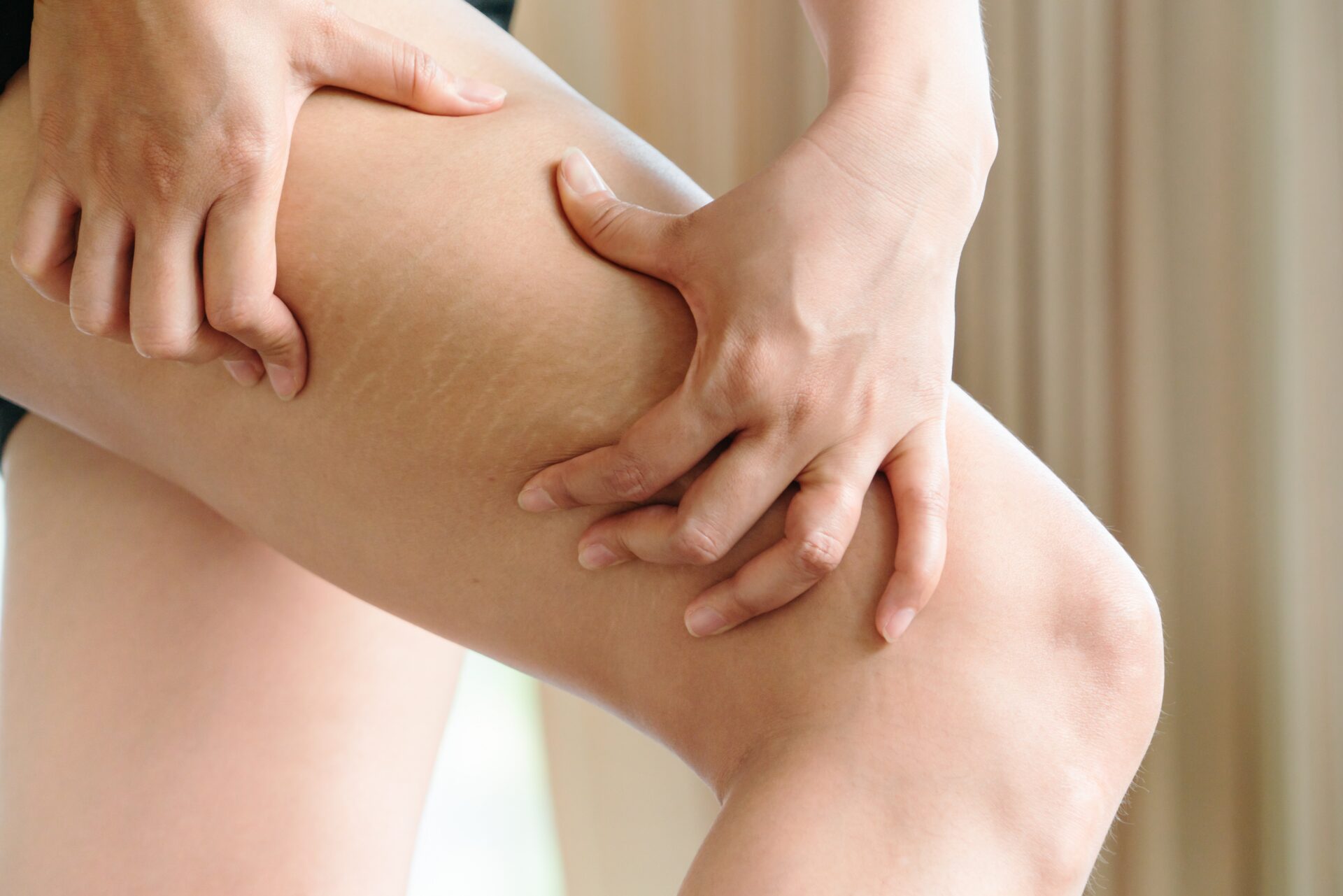
Lemon is well known for its high vitamin C content. Vitamin C plays an active role in maintaining the skin’s elastic network and, more importantly, boosts collagen production in fibroblasts (the cells responsible for producing it)(3). Applying lemon to stretch marks won’t repair them — the elastic fibres are permanently broken — but it encourages fibroblasts to secrete more collagen and form new support fibres. The skin regains suppleness, resilience and elasticity, taking on a plumper appearance and becoming less prone to volume loss.
How to use lemon on stretch marks?
Lemon can be used on its own, applied directly to stretch marks. But it works even better when combined with other natural ingredients, to benefit from complementary properties.
1- Lemon anti-stretch mark mask

A wonderfully comforting recipe, easy to make and ideal for boosting skin regeneration. Simply mix the juice of one lemon, the flesh of half an avocado mashed to a purée, and one tablespoon of honey. Once the mixture is smooth, apply it to the areas affected by stretch marks (thighs, stomach, hips…) and leave on for 10–15 minutes. You can massage the skin before or after application to help the active ingredients absorb. Rinse off with clean water and repeat 2–3 times a week to see a visible reduction in stretch marks. Antiseptic honey, nourishing avocado and regenerating lemon make a truly winning combination!
2- Lemon anti-stretch mark gel
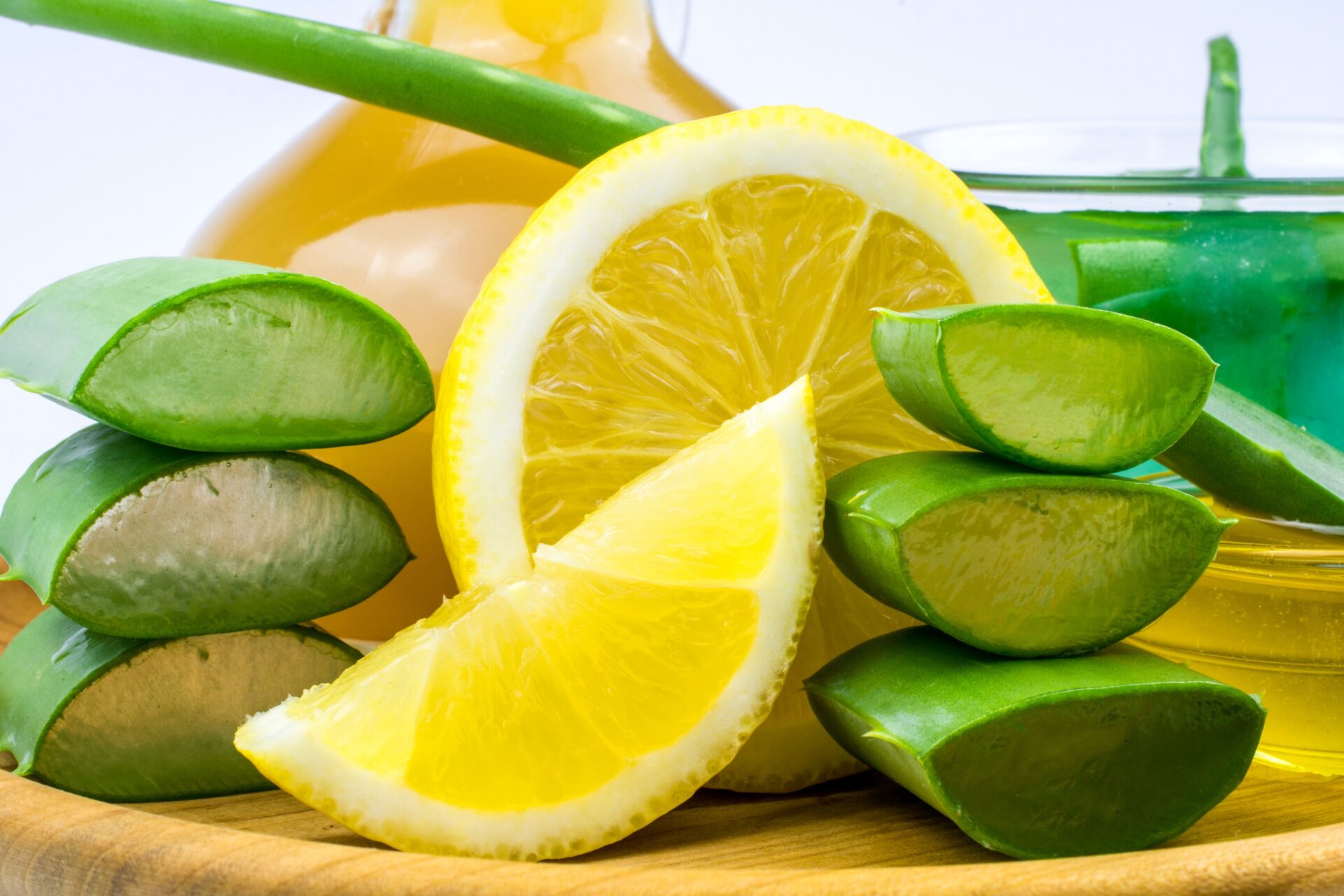
Here’s a second, ultra-hydrating recipe to replenish the skin’s moisture levels and antioxidants, helping it regain suppleness and radiance. Simply mix 2 tbsp of Aloe Vera gel with the juice of one lemon. Apply by hand using circular massage movements over the affected areas for around ten minutes. Rinse off with clean water.
3- Lemon exfoliating oil for stretch marks
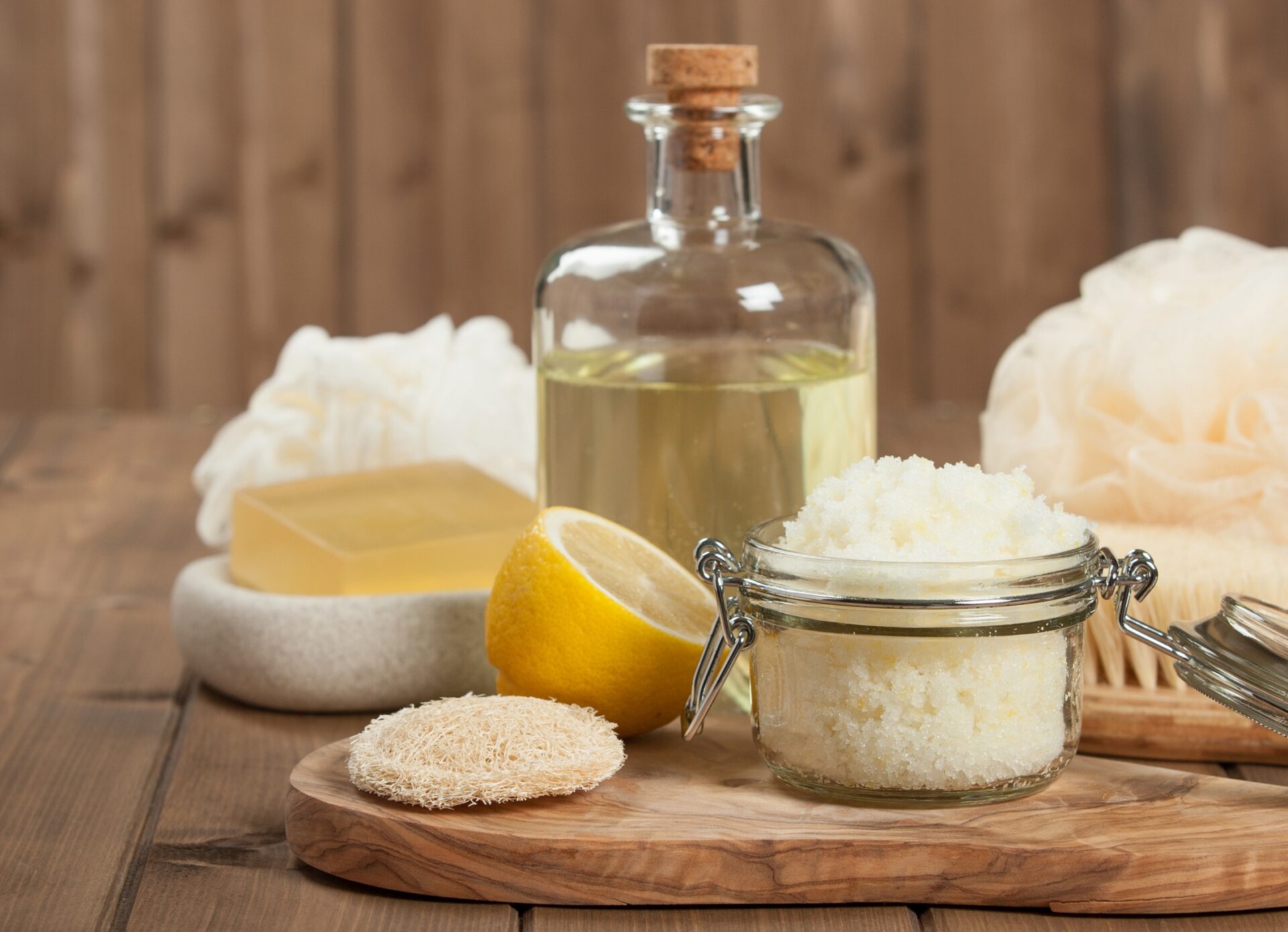
A final recipe to maximise skin regeneration. To make this homemade exfoliating oil, simply mix a little natural plant oil of your choice (sweet almond, jojoba, argan, coconut…) with one tablespoon of brown sugar and a few drops of lemon juice, then gently massage into the areas affected by stretch marks. The massage action helps restore the skin’s mechanical properties, while the natural actives penetrate deeply. Rinse off with water and use 1–2 times a week.
What other tips can help reduce stretch marks?
There are many home remedies for treating stretch marks, with varying degrees of effectiveness. In all cases:
- the daily application of natural plant oils or plant butters (cocoa, shea) remains one of the most effective ways to prevent and treat stretch marks;
- exfoliating with baking soda of pharmaceutical grade (very fine granules) can have beneficial effects on older stretch marks by refining skin texture;
- honey, antiseptic and regenerating, is also a staple of at-home stretch mark care;
- Essential oils are also a great ally, both for preventing and treating stretch marks — provided they are diluted in a carrier oil. Note that pregnant and breastfeeding women should avoid them;
- natural cosmetics are also an excellent way to reduce stretch marks. Discover our Stretch Marks range: our Oil, our Cream and our Scrub, formulated with natural actives, are effective on all types of stretch marks and all skin types — including the sensitive skin of mothers-to-be!
References
(1) 2009, Smit, Vicanova, Pavel, The Hunt for Natural Skin Whitening Agents
(2) 1985, Naganuma et al., A study of the phototoxicity of lemon oil
(3) 2001, Boyera, Galey, Bernard, Effect of vitamin C and its derivatives on collagen synthesis and cross‐linking by normal human fibroblasts