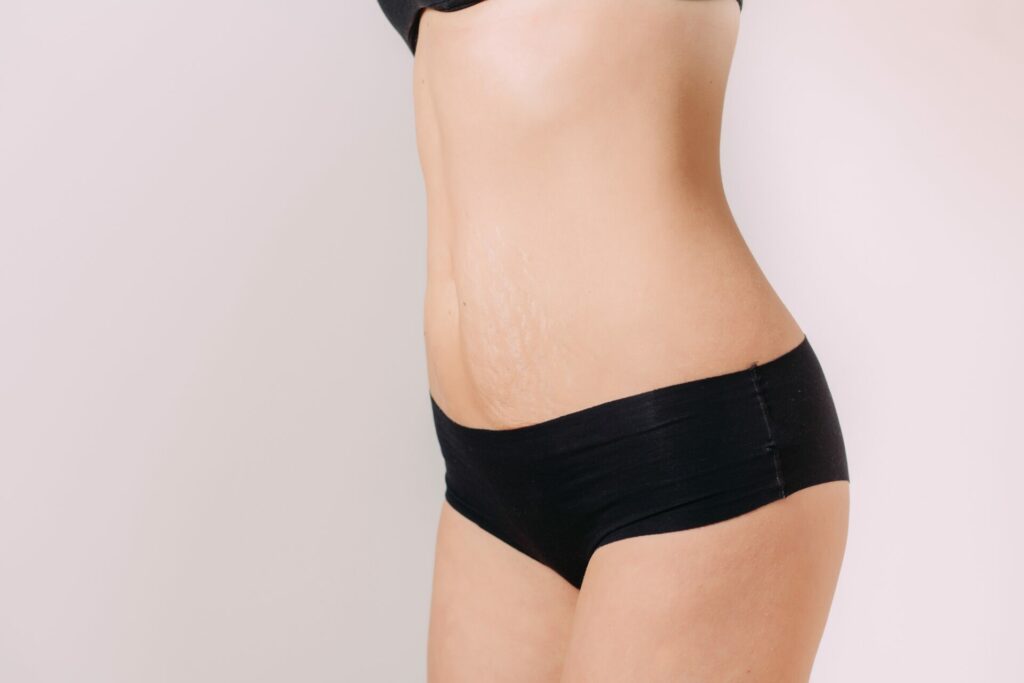
Like many people, you may have assumed that stretch marks came with pregnancy or weight gain. Yet after significant weight loss, you might notice fine streaks, often tinged with colour, across your stomach, hips and thighs. Why do stretch marks appear both when you put weight on and when your body loses volume? And how can you make them less noticeable? Here we explain where they come from, then the options open to you: everyday care at home, and treatments offered at aesthetic medicine clinics.
Why can weight loss cause stretch marks?
Stretch marks are the visible result of a breakdown of the skin’s elastic fibres. The dermis, located just beneath the epidermis, is partly made up of an elastic network that maintains the skin’s suppleness, resilience and structure.
Certain events weaken the skin and cause these fibres to break. The most well-known include:
- puberty,
- pregnancy,
- sudden and significant weight gain
- rapid muscle mass gain
- rapid weight loss can also cause stretch marks
Significant weight loss — whether following a strict diet, bariatric surgery or pregnancy — can weaken the dermis. Skin that was previously taut suddenly becomes slack. It loses firmness and elasticity and may start to sag. The collagen and elastin fibres can then break, causing stretch marks. This process can be made worse by an insufficient dietary intake during weight loss. Marked deficiencies in essential fatty acids (found only through diet!), vitamins and minerals can show on the skin and call for medical advice:
- Redness and dry skin (omega-6 and omega-3)
- Eczema (trace elements)
- Dry, flaky skin (vitamin A)
- Slower healing (vitamin C)
Stretch marks when your body gains or loses volume: why both?
Stretch marks can appear in either situation because a rapid change in body size puts the dermis to the test. When you put weight on, the skin is stretched and its elastic fibres can break. When your body loses volume suddenly, the cause is the opposite: the skin loosens, as explained above.
That is why the same areas are often marked in both cases: the stomach, hips and thighs. Letting your shape change gradually and eating a varied diet remain common-sense ways to look after your skin.
What are the solutions for reducing stretch marks caused by weight loss?
If you notice stretch marks appearing on your body (buttocks, thighs, hips, or even your back) following significant weight loss, there are several treatments available to help reduce them.
1- At-home solutions
Since aesthetic medicine treatments for stretch marks can be costly, you may prefer cosmetic solutions you can use every day, right from your bathroom!
Natural anti-stretch mark treatments
Nature offers a wealth of particularly beneficial ingredients, often used to care for skin marked by stretch marks. These can be found in various forms:
Natural plant oils
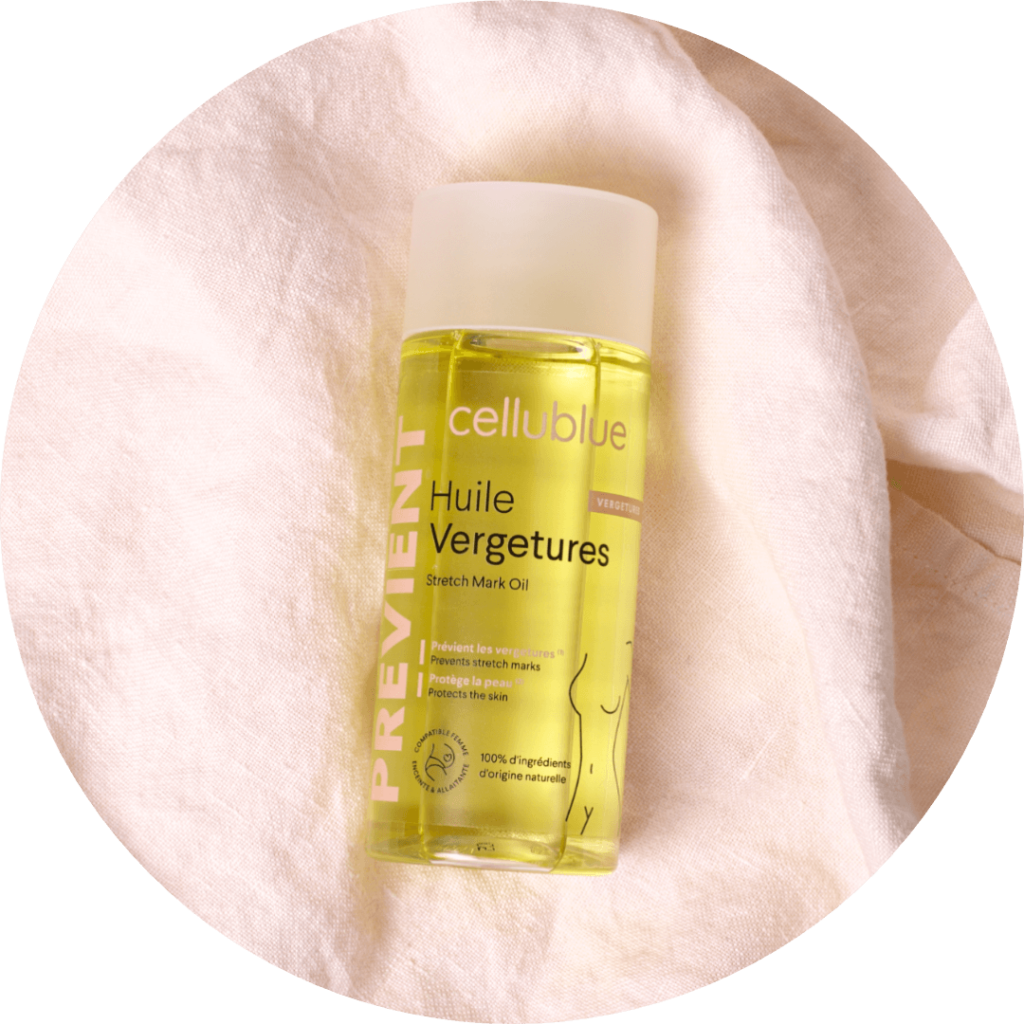
These are cold-pressed from oilseeds (sweet almond, jojoba, marula, sesame…) or fatty fruits (avocado, coconut, olive, piqui…). Rich in fatty acids, they nourish, soothe and soften the skin. When applied daily, they help maintain the skin’s natural hydrolipidic film and its suppleness. They will not, however, make an established stretch mark disappear.
Macerated oils
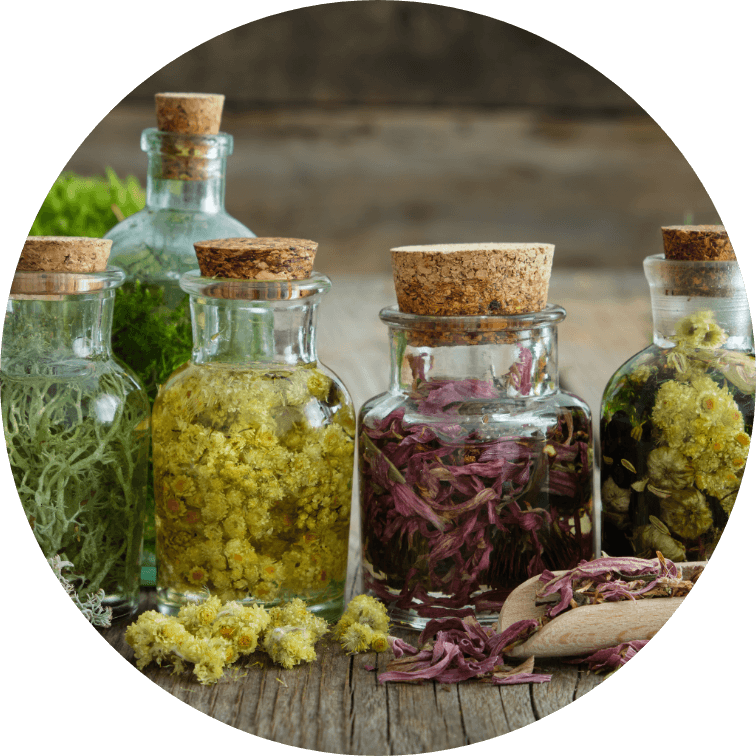
These are made by macerating plant matter (flowers, leaves, roots, buds…) in a vegetable oil. Some are widely used in skincare for their composition: rosehip, carrot, borage, pomegranate, hibiscus, sea buckthorn…
Essential oils
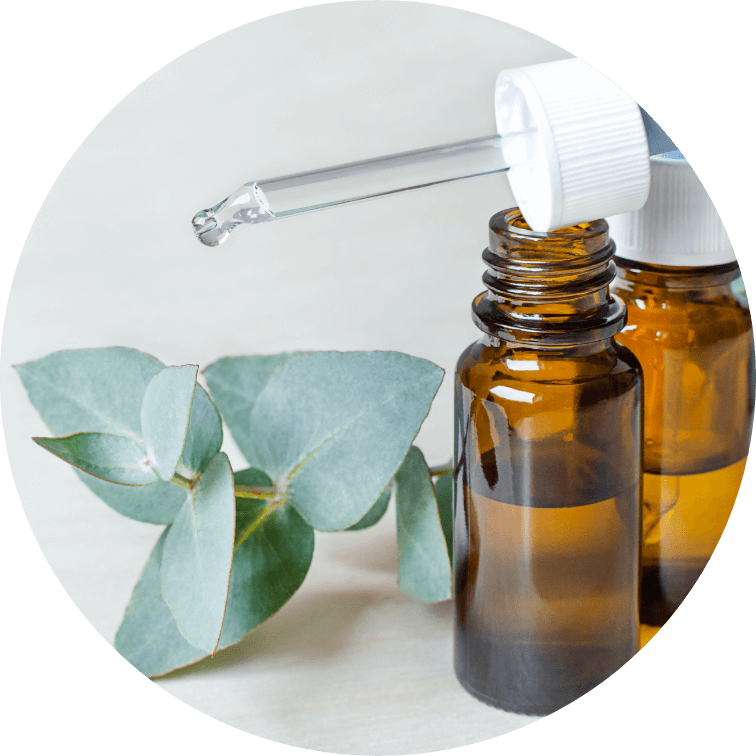
Essential oils are concentrated plant essences obtained through distillation. Highly potent, they should be used sparingly and always diluted in a carrier oil. Some essential oils are frequently used in skincare, including rose geranium, rosewood, rosemary verbenone, lavender, cistus, Italian helichrysum and myrrh.
Plant butters

Plant butters are obtained in the same way as vegetable oils (cold extraction), except that their lipid profile gives them a solid rather than liquid texture. They are therefore used in the same way as oils, to nourish and soften the skin, particularly on areas prone to stretch marks. The most famous is shea butter, but cocoa, mango and kombo butters are also worth mentioning.
Plant extracts

Applying plant extracts (in powder or gel form) topically, as a body mask or poultice, can also complement your care, provided the routine is consistent. Certain plants, such as hydrating Aloe Vera, soothing Centella Asiatica, Urucum and Tepezcohuite, are often used in the care of skin marked by stretch marks.
Complete skincare routine
Cosmetics have a real role to play when it comes to stretch marks! Many products, combining natural active ingredients, can support your everyday care. This is the case with our stretch mark care routine, which brings together products designed to be used together. The routine includes:
- A Body Brush, whose bristles and nodules massage the skin.
- An Anti-Stretch Mark Serum: packed with active ingredients, it is used alongside the other products in the routine.
- A Repairing Anti-Stretch Mark Cream, enriched with provitamin B5 and macadamia oil.
- A Stretch Mark Prevention Oil: a blend of natural plant oils that hydrates and nourishes all skin types (men, pregnant women, teenagers).
- A Massage Roller to help work the oil into the skin.
- The Stretch Mark Scrub with fine grains, which gently exfoliates the epidermis.
The complete stretch marks routine, from shower to massage, during and after pregnancy
- Instructions for use
- Friendly advice
Devices and scrubs
A skincare routine can easily be complemented with massage devices or accessories. Stretch mark exfoliation can, for example, be carried out using a natural-fibre glove or a plant-based sponge such as a konjac sponge or loofah. As for devices, there are now home-use LED and microdermabrasion devices available. They typically cost between €100 and €300. Before investing in such devices, it is advisable to consult a dermatologist for an informed opinion on whether they are worthwhile for you.
2- Aesthetic treatments at a medical clinic
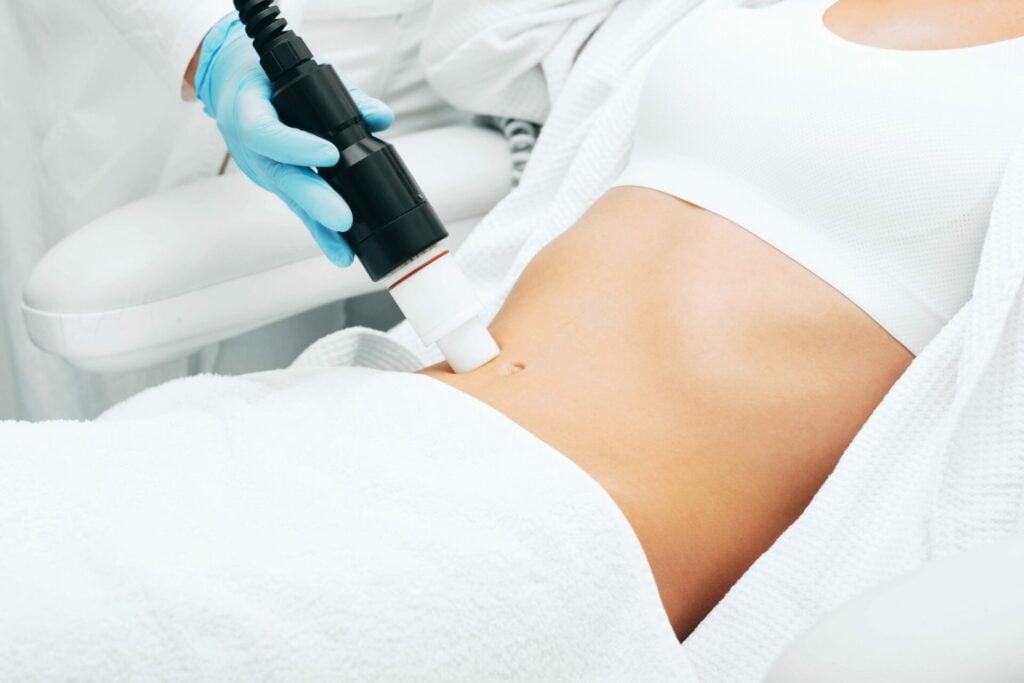
There are now many aesthetic medicine procedures aimed at reducing the appearance of stretch marks, whether old or recent. Minimally invasive and largely painless, they are increasingly popular, despite sometimes coming at a significant cost.
Treatments that target the dermis
Some aesthetic techniques, carried out by professionals, focus on the dermis, where fibroblasts (the cells responsible for producing the skin’s elastic fibres) are found. Their suitability varies from person to person. These techniques include plasma injections, laser therapy, micro-needling, radiofrequency and LED light therapy.
Treatments to smooth the skin’s surface
Other techniques focus on repairing the visible surface of the skin. These include mechanical and chemical peelings and microdermabrasion, which exfoliate the skin to varying depths, triggering an inflammatory response and then smoothing the surface through the healing process. As for cosmetic surgery for stretch marks, this option can only address stretch marks on the abdomen and is only performed under specific conditions.
Medication-based treatment
Certain vitamin A acid creams (tretinoin, isotretinoin), such as Retacnyl, are prescribed exclusively by a dermatologist, as they are pharmaceutical products. They may improve the appearance of stretch marks. They cause skin irritation followed by a “natural” exfoliation, prompting the skin to regenerate. Effects vary from person to person, so it is up to your dermatologist to assess which options suit your skin. It should be noted that the use of tretinoin-based creams is strictly contraindicated during pregnancy and breastfeeding.
Frequently asked questions
Why are my stretch marks itchy?
Itching can have various causes, and only a healthcare professional can work out what is behind it. If your stretch marks are itchy, the best course of action is to ask a GP or dermatologist for advice. They can point you towards an approach that suits your skin.
How can I fade or get rid of stretch marks?
Day to day, you can care for your skin with plant oils and butters, macerated oils, plant extracts or a dedicated skincare routine, along with regular exfoliation. For in-clinic treatments, a dermatologist can talk you through the options that suit your situation.
Do stretch marks go away?
Stretch marks are caused by a breakdown of the elastic fibres in the dermis. Skincare products and aesthetic treatments aim to soften their appearance, and how they change over time varies from person to person. A dermatologist can give you an informed opinion on what is right for your skin.
Related articles
- Stretch marks on dark or mixed-race skin: myths and facts
- Cocoa Butter for Stretch Marks: Does It Work?
- Does argan oil really work on stretch marks?
- 2016 Challenge: Day 11
- Leg Exercises for Your Anti-Cellulite Routine
Useful categories: Causes of Stretch Marks, Stretch Marks.