It’s having a real moment right now. You see it everywhere — especially in hair and lash care. What are we talking about? Castor oil, of course! But can this rich, dense oil be used for other purposes? And if so, can castor oil have a place in caring for areas affected by cellulite?
What is castor oil?
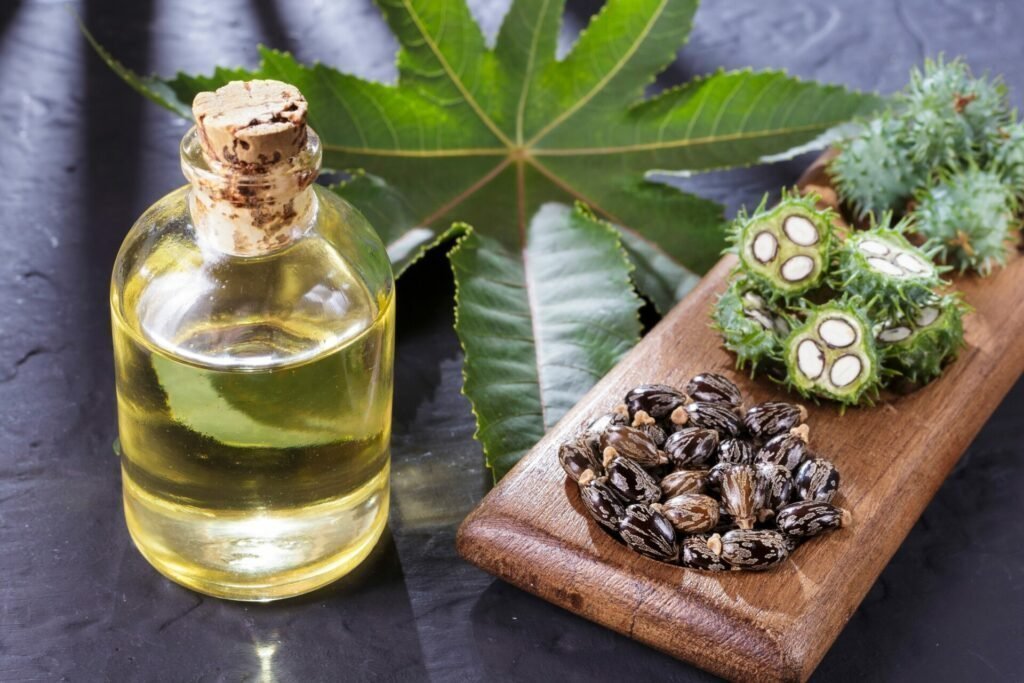
Castor oil is a natural, non-edible vegetable oil. It is obtained by cold-pressing the seeds of the castor plant, a shrub native to tropical regions. The castor plant is known for its toxic properties: it contains ricin, a substance that is dangerous when ingested (causing intense purgative and irritant effects). Castor oil is therefore for external use only, and it is best to choose a good-quality oil: organic, virgin, first cold-pressed and filtered. If in doubt, or if you have sensitive skin, ask a healthcare professional for advice.
What are the properties of castor oil?
The benefits of castor oil are numerous, thanks to its unique composition. It contains no fewer than six different fatty acids (palmitic, stearic, oleic, ricinoleic, linoleic, alpha-linolenic), making it a key ingredient in skincare and hair care products, as well as in makeup. Castor oil can:
- Care for damaged skin, including areas marked by scars, dark spots or stretch marks.
- Soften rough, dry skin and nourish areas prone to chapping and cracked skin.
- Care for blemish-prone skin.
- Strengthen hair, nails and lashes.
- Coat and nourish hair damaged by treatments, colouring, heat styling…
- Restore shine and body to weakened, split-end-prone hair.
In addition, castor oil has a range of wellness uses:
- It can be used for a comforting massage, for example after sports.
- A warm compress soaked in castor oil can be placed on the skin.
- You can also simply apply a small amount of castor oil to the temples and gently massage it in.
Does castor oil have a place in caring for areas affected by cellulite?
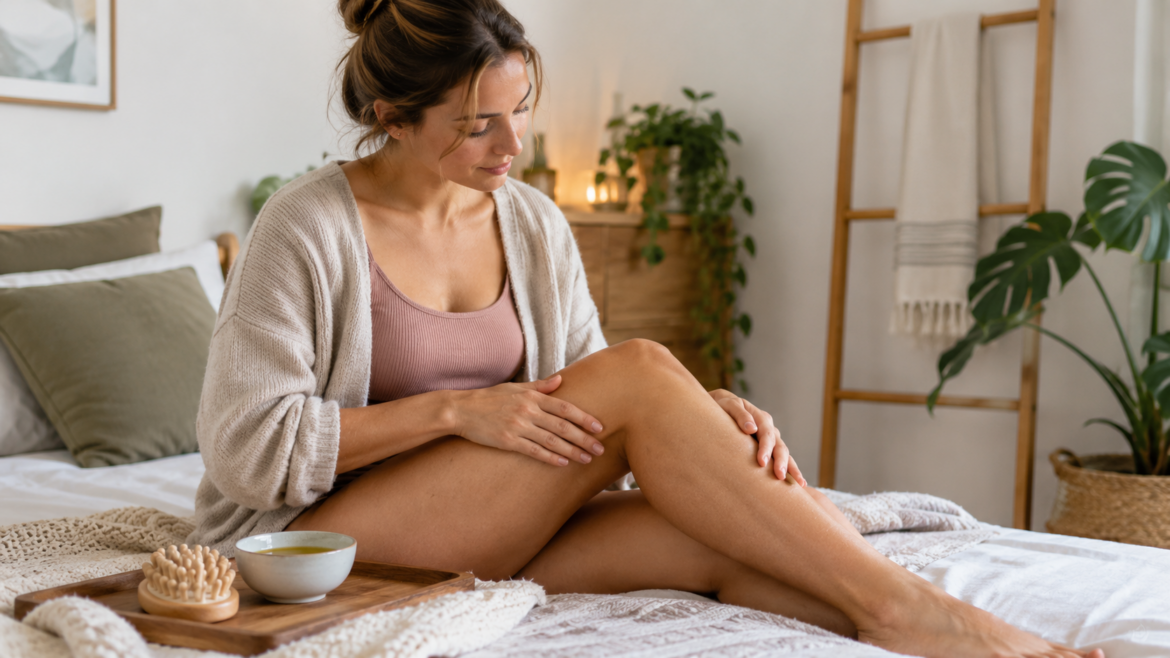
This remarkable oil — for those who don’t swallow it! — is also popular for massaging areas where cellulite tends to settle. It can therefore be used when massaging areas affected by cellulite.
Indeed, cellulite has multiple causes. It shows up as a dimpled appearance of the skin, characteristic of orange peel skin.
Applied to the skin, castor oil can be worked into a massage of the areas concerned, whatever the type of cellulite, such as water-retention cellulite, directly linked to water retention, or fibrous cellulite. It complements your usual routine by nourishing the skin.
How to use castor oil on areas affected by cellulite?
1- Blended with other oils

Castor oil has a very thick, viscous texture and a distinctive scent that not everyone enjoys. It can therefore be blended with other natural vegetable oils. This oil blend makes a good base for an anti-cellulite massage to be performed daily, with or without a cupping tool.
The cupping tool that replicates pinching and rolling, 3 minutes per zone
- The professionals' technique, at home: you lift, glide, and release, and the tool grips the skin fold like a manual pinching and rolling
- Soft silicone that fits thighs, buttocks, stomach, and arms
- 3 minutes per zone, every day, always with a massage oil so the tool glides
2- As a compress
Castor oil compresses have been used since ancient times. This technique can also be used as part of a massage routine for areas affected by cellulite. Simply soak a cloth in castor oil and apply it to the area affected by cellulite. You can leave it on overnight — the castor oil will have time to nourish the skin. Additionally, if you suffer from heavy legs, ask a doctor or healthcare professional for advice before trying a castor oil compress.
3- Combined with essential oils
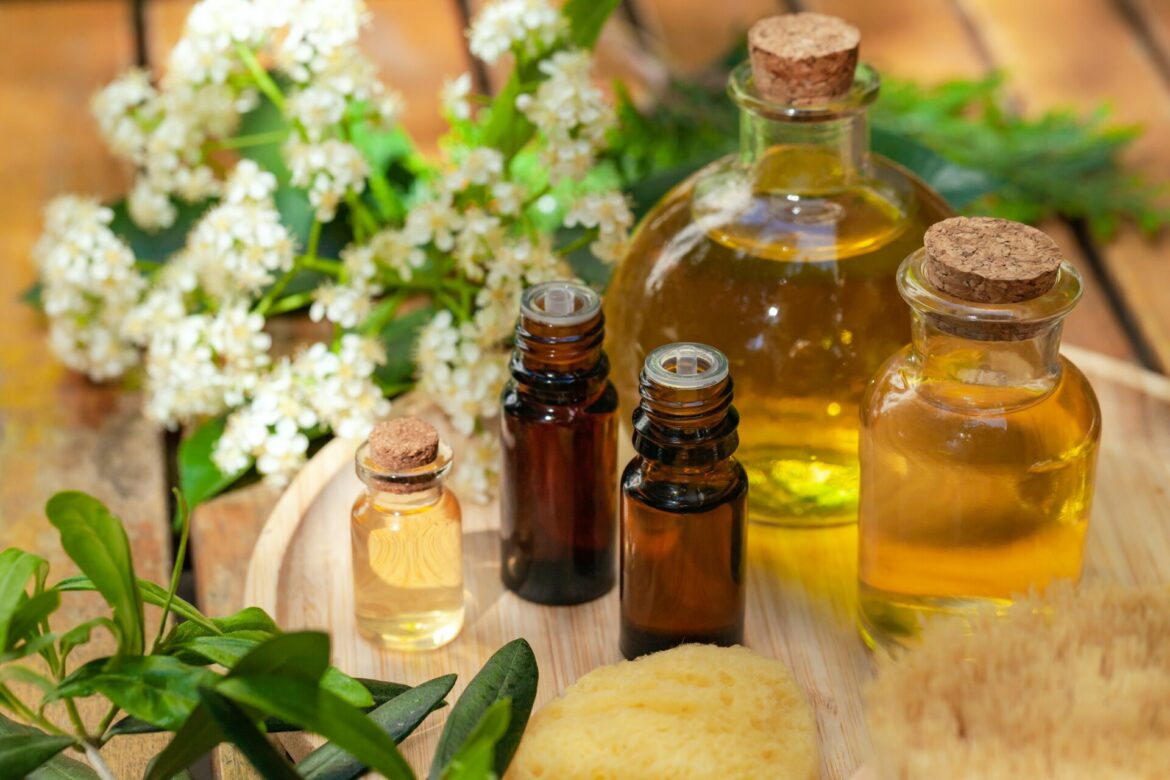
Castor oil is an excellent carrier for essential oils. It can therefore be used to create a body massage oil for daily use. Simply blend:
- 10 ml of castor oil
- 40 ml of a dry and/or fast-absorbing oil: hazelnut, macadamia, jojoba, rosehip, coconut, hemp or sesame
- 30 drops of grapefruit essential oil (furocoumarin-free if possible)
- 30 drops of Atlas cedarwood essential oil
- 30 drops of eucalyptus essential oil
4- As a base for a body scrub
Castor oil can also serve as the base for a homemade body scrub. Mixed with some coffee grounds, it makes a natural exfoliant. The coffee grounds exfoliate the skin, while the castor oil nourishes it. Simply combine:
- A generous handful of coffee grounds
- One tablespoon of castor oil
Massage the scrub into your legs, thighs, hips and buttocks using small circular movements and upward strokes, two to three times a week.
Castor oil is a cosmetic skincare product and is no substitute for a balanced diet or regular physical activity.