
You may not know it, girls, but if you regularly experience an unpleasant feeling of heavy legs, it is often linked to your cellulite! Indeed, water retention in the tissues promotes the appearance of orange peel skin. But cellulite is not inevitable! Here are a few simple everyday habits to look after your legs and your skin: herbal teas, homemade juices, a varied diet, less salt, foot baths, sport, massage and essential oils.
Cellulite and water retention: what’s the link?
Water retention simply means there is too much fluid in the tissues. It often shows up as puffy, swollen legs and a feeling of heaviness. When it lingers, it can make orange peel skin more noticeable: this is what’s known as water cellulite. The two often go together, which is why the habits below fit naturally into an anti-cellulite routine.
If your legs swell a lot, suddenly or painfully, see your GP.
Herbal teas to try
Dandelion: this plant is traditionally made into a herbal tea. Put a handful of dried leaves and roots in a litre of water. Boil for 15 minutes, leave to stand, then drink a cup before each meal.
Chicory: this plant is traditionally prepared as a decoction. You can prepare one with 30 grams of dried and crushed roots which you pour into a litre of water. Drink two cups a day!
Tea: whether black, white, green… tea is a pleasant way to drink throughout the day. You can drink two cups of it a day, with a teaspoon of dried leaves per cup of hot water.
Homemade juices for a bit of variety
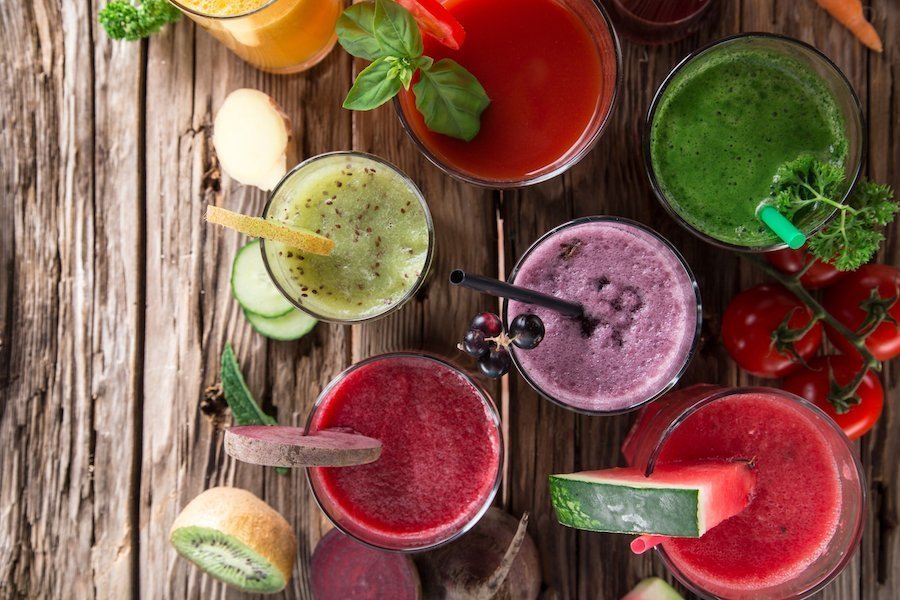
Carrot, apple, pineapple, cucumber and parsley juice: you will need 2 carrots, 1 cucumber, 3 sprigs of parsley, 1 apple and 2 slices of pineapple. Chop the ingredients, then blend them together with a cup of water. Drink every day, ideally on an empty stomach.
Foods to put on the menu
Here are a few foods often cited in advice about aqueous cellulite, to include in a varied diet:
Be careful of salt!
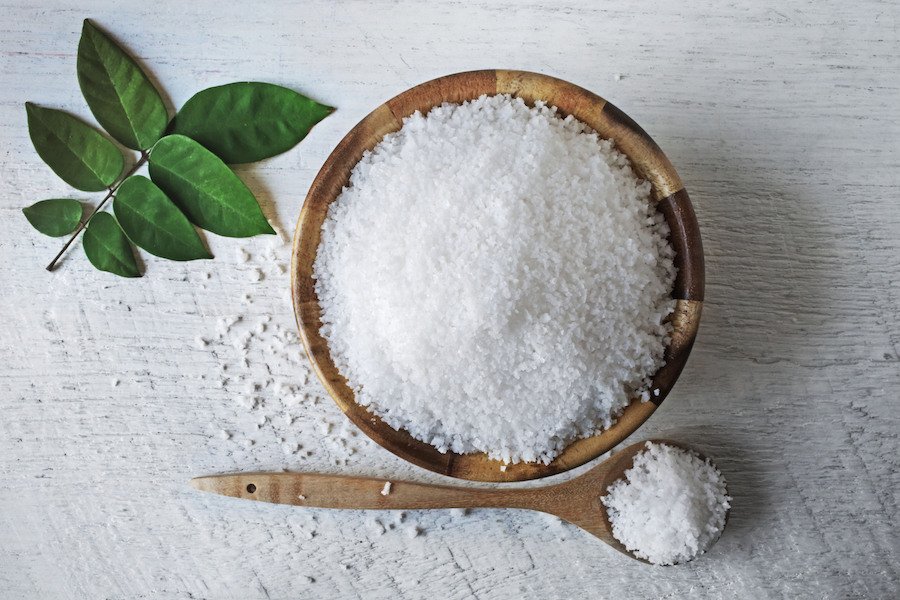
Consumed in excess, salt is your enemy, girls. It is too often abused, even though official dietary recommendations advise limiting it, whether or not you are concerned about orange peel. Avoid frozen and prepared meals and replace salt with spices to vary the flavours and give colour to your dishes.
Are you looking for some alternatives to salt? Lemon is one of them, because the taste receptors for salty and sour on the tongue are right next to each other! Enough to trick your senses. Seeds, sprouted or not, also fool the taste buds nicely. Spices and herbs of all kinds are also a good way to retrain your palate and eat less salt. Finally, we can think of celery powder, or gomasio, which does contain 5% salt, but is mainly made of sesame.
Herbal drinks
Herbal drinks are another way to stay hydrated throughout the day. This is the case of our Cellublue drainer which is made up of 6 carefully chosen plants.
Four plant extracts, one dose a day
- Instructions for use
- Friendly advice
Potassium and magnesium: where to find them
Potassium is a mineral found in many foods. You will find it mainly in fruits, such as banana, orange and kiwi, but also in vegetables such as avocado, cabbage and beetroot. Potatoes also contain it.
Magnesium is also found in our diet. You will find it in wheat bran or oats, flax seeds, coriander, mint, sunflower seeds, oilseeds, dried pulses or even dark chocolate.
A foot bath at the end of the day
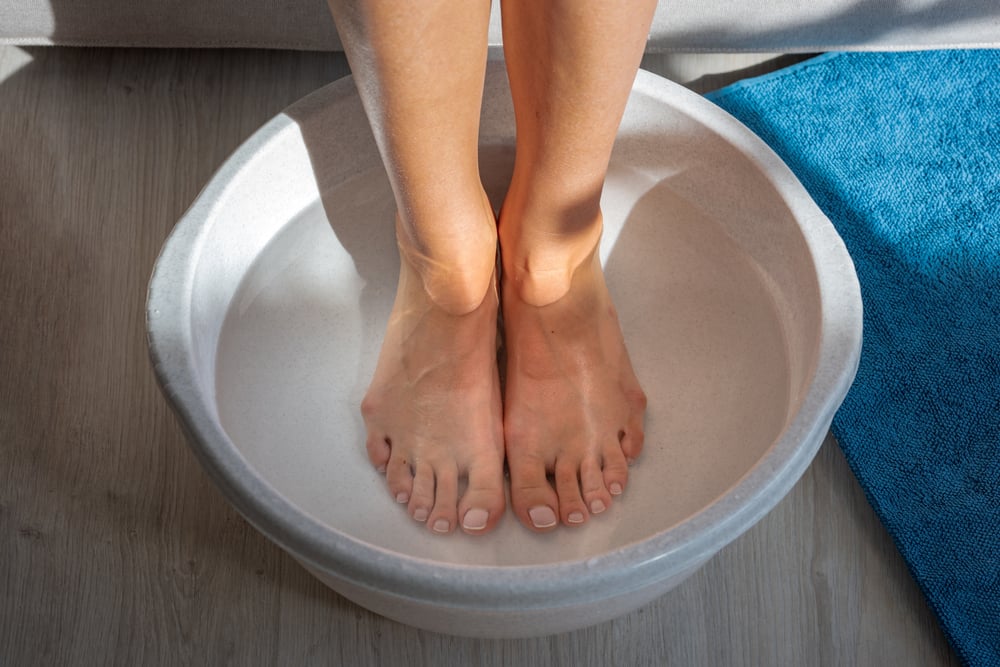
A simple tip: at the end of the day, immerse your feet in a basin of very cold water with a few teaspoons of grated ginger. A pleasant little ritual to relax after a hard day!
Get moving
Final advice, yet essential: you also need to get moving! Sport is one of the ways to combat the orange peel appearance. Going for a brisk walk every day for 45 minutes is a good starting point. But you can also mix things up by opting for 3 to 4 hours of intense sport per week: aquabike, running, cycling… The key is to move regularly!
Vitamins on your plate
Certain vitamins are part of a varied diet. This is the case for vitamins D and B6. Vitamin D is found in cod liver oil and fish in general, as well as in animal fats such as butter. Find out more about cellulite and circulation in our dedicated article.
A quick focus on vitamin B6: it is found in certain foods, such as bananas, tuna, chicken, sunflower seeds or even potatoes.
Finally, a word about vitamin K: it is found in eggs (especially the yolk), meat and offal, fermented soy or dairy products. If you have any vein problems, see your GP.
Massage to look after your legs
Water retention is caused by excess interstitial fluid in the tissues. It is this excess fluid that causes swelling in the legs. Sometimes, the result is aqueous cellulite. With a physiotherapist, lymphatic drainage and pressotherapy are techniques often offered in this case. Ask a health professional for advice.
For a massage at home, have you heard of Gua Sha? This tool is used on the body and the legs.
Otherwise, you can also opt for the pinch-and-roll massage, to be done by hand or with our massaging accessories. To perform a massage at home, we advise you to use our Anti-Cellulite Cupping Cup. It reproduces the pinch-and-roll massage and helps to combat the appearance of cellulite. The cupping cup allows you to enjoy an accessible massage, easy to perform, at home.

The cupping tool that replicates pinching and rolling, 3 minutes per zone
- The professionals' technique, at home: you lift, glide, and release, and the tool grips the skin fold like a manual pinching and rolling
- Soft silicone that fits thighs, buttocks, stomach, and arms
- 3 minutes per zone, every day, always with a massage oil so the tool glides
Essential oils for massage
What if essential oils could find a place in your massage routine? Among the most often cited: the essential oils of Virginia Cedar, rock samphire, Juniper, Patchouli and Rosemary with camphor. To use them, simply pour a few drops into the natural vegetable oil of your choice and massage yourself, always towards the heart. If in doubt (pregnancy, sensitive skin, ongoing treatment), ask your doctor or pharmacist for advice.
Water retention: the habits to remember
It’s better to combine several everyday habits than to rely on a single tip:
- at mealtimes: a varied diet with plenty of fruit and vegetables, and less salt;
- drinks: water, tea, herbal teas and homemade juices;
- day to day: brisk walking or some form of exercise, plus a cold-water foot bath at the end of the day;
- a little self-care: massage, by hand or with a tool such as the cupping cup or the Gua Sha, and essential oils diluted in a vegetable oil.
Frequently asked questions
Where can I find potassium and magnesium?
Potassium is found mainly in fruit (bananas, oranges, kiwi) and some vegetables (avocado, cabbage, beetroot, potatoes). Magnesium is found in wheat or oat bran, seeds, nuts, pulses and even dark chocolate.
Do I need to cut out salt completely?
It’s mainly about avoiding too much of it. Cut down on ready meals and frozen meals, which are often very salty, and season your food with lemon, spices, herbs, seeds or gomasio instead. These alternatives help retrain your palate so you eat less salt day to day.
What kind of exercise should I do every day?
A brisk 45-minute walk every day is a good place to start. You can also mix things up with 3 to 4 hours of more intense exercise a week, such as aquabike, running or cycling. The key is to keep active on a regular basis.
What should I do if water retention doesn’t go away despite these tips?
If the swelling is significant, comes on suddenly, is painful or doesn’t go away, see your GP or another health professional. They can look into the cause and advise you.
In the same theme
- 10 tips to fight water retention
- Water retention and food supplements: what you should know
- Anti-Cellulite Routine: 5 Tips to Stay Motivated
Useful sections: Anti-cellulite tips.