Massage often comes up when people talk about cellulite treatments: pinch-and-roll, manual lymphatic drainage, anti-cellulite massage… But what about pressotherapy? The technique is widely used in physiotherapy practices, and sometimes even at home. Here’s what you need to know: what it involves, the settings it’s used in (including cellulite), who it’s for, what happens during a session, the contraindications and what to check before buying a machine.
What is pressotherapy?
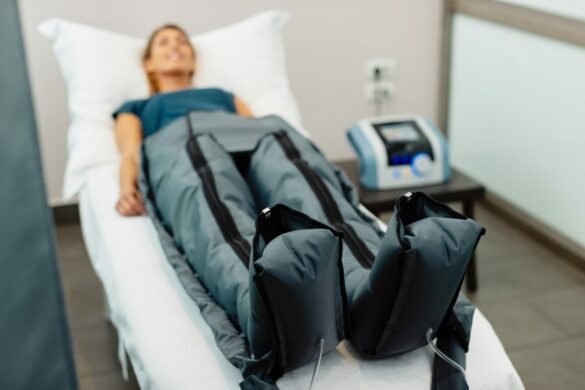
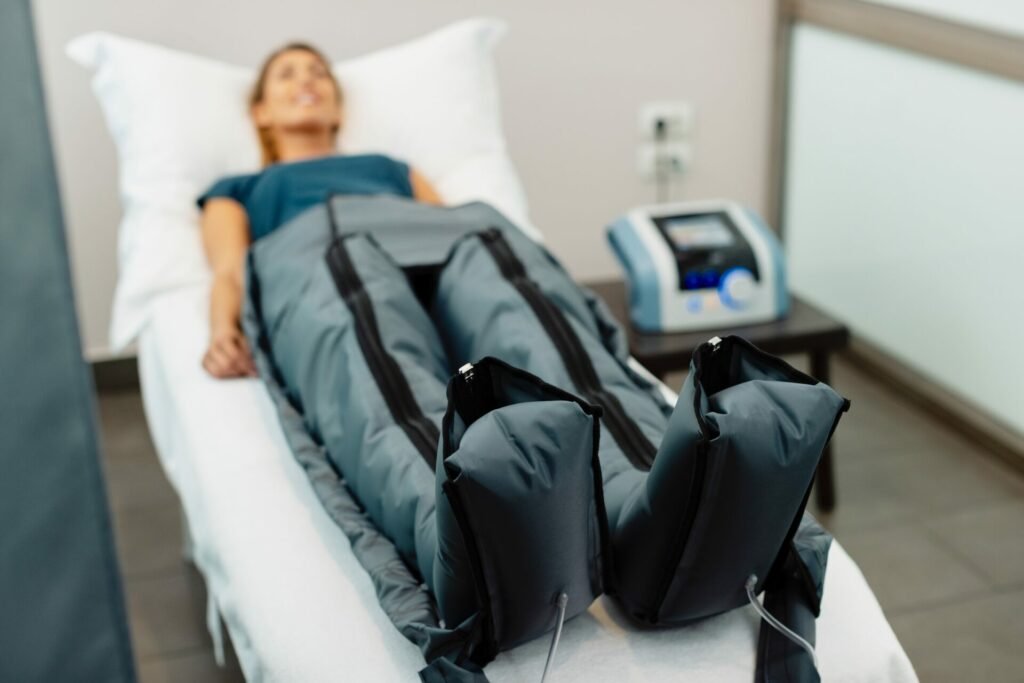
It is a paramedical mechanical drainage technique designed to stimulate circulation in the veno-lymphatic system. It involves placing the areas to be treated inside specific equipment: boots (for the lower limbs), sleeves (for the upper limbs), a panty (for the hips and buttocks) or a belt (for the abdominal area). This equipment performs compressions and decompressions that stimulate circulatory flow. The sequential pressure is adjusted — both in intensity and frequency — according to the condition being treated. Traditionally, pressotherapy is aimed at people suffering from venous and lymphatic sluggishness, leading to water retention or heavy leg syndrome. It is often used alongside manual lymphatic drainage. However, other applications are now practised. Pressotherapy is also used for aesthetic purposes or for recovery (athletes).
What are the applications of pressotherapy?
1- Venous insufficiency
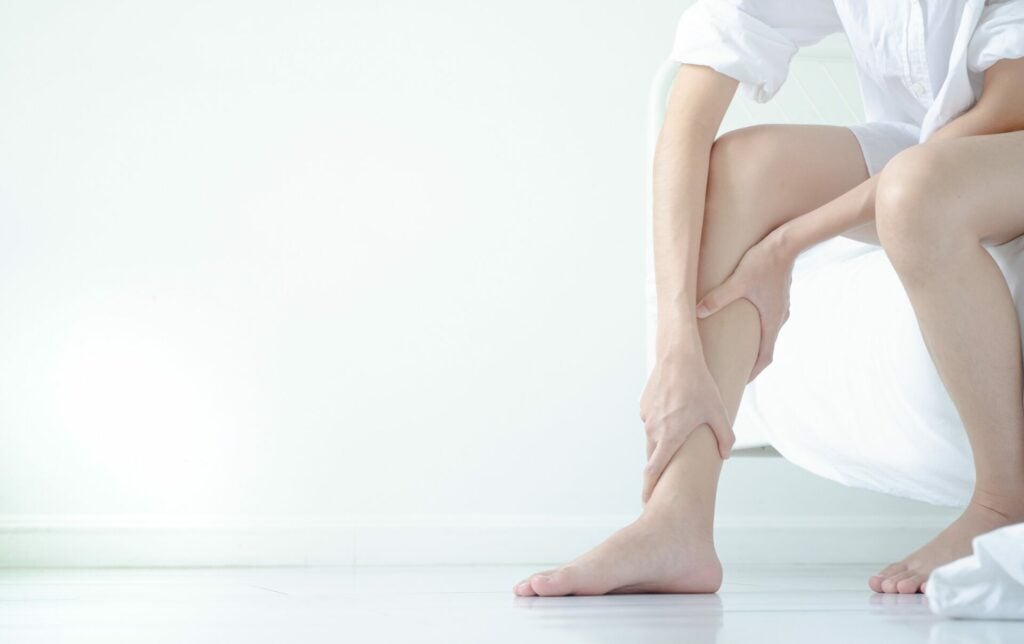
This is a condition that primarily affects women, though men are not spared. It is caused by deterioration of the vein walls, which leads to insufficient blood return to the heart. As a result, blood accumulates in the lower limbs, causing pain and heaviness. Symptoms vary but tend to worsen: heavy legs, spider veins, oedema, skin lesions, venous ulcers, wounds, and even phlebitis. In the case of heavy legs, symptoms include:
- Swelling of the legs
- Tingling and numbness (paraesthesia)
- Itching and redness
- Cramps
- Visible signs such as telangiectasias (broken capillaries), varicose veins, or even varicose ulcers.
Venous insufficiency can be congenital, but a sedentary lifestyle, hormonal fluctuations, heat and age can also contribute to it.
Pressotherapy is often offered in this case: the sequential pressure of the equipment supports venous return, meaning blood flowing back up towards the heart.
2- Lymphatic insufficiency
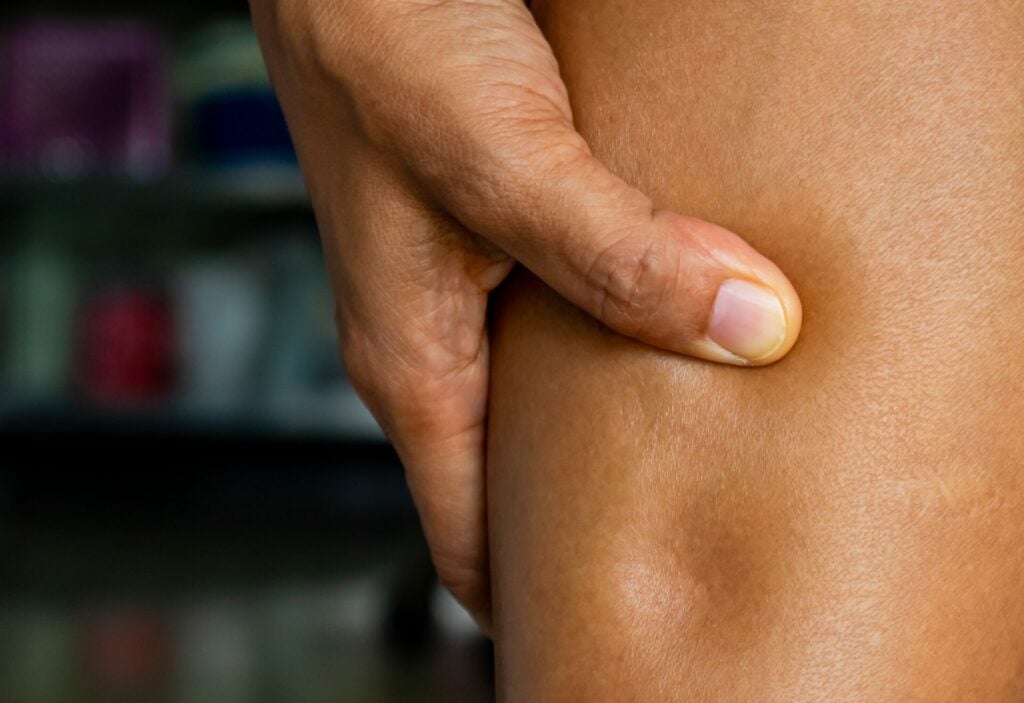
Alongside the venous network, which carries blood throughout the body, there is a second circuit of vessels: the lymphatic network. It transports lymph, a translucent fluid derived from blood plasma. Lymph plays an immune and “cleansing” role in the body, carrying organic waste (interstitial fluid, cellular debris, toxins…) to the lymph nodes for filtration. Unlike the venous network, which is driven by the heart, the lymphatic network has no pump to activate it. As a result, lymph flow can slow down — this is known as lymphatic insufficiency. It gives rise to symptoms such as swelling, temporary oedema, water retention, and even lymphoedema.
Pressotherapy is therefore designed to restart lymphatic flow. The compression and decompression massage aims to support the flow of lymph towards the lymph nodes.
3- Post-exercise recovery
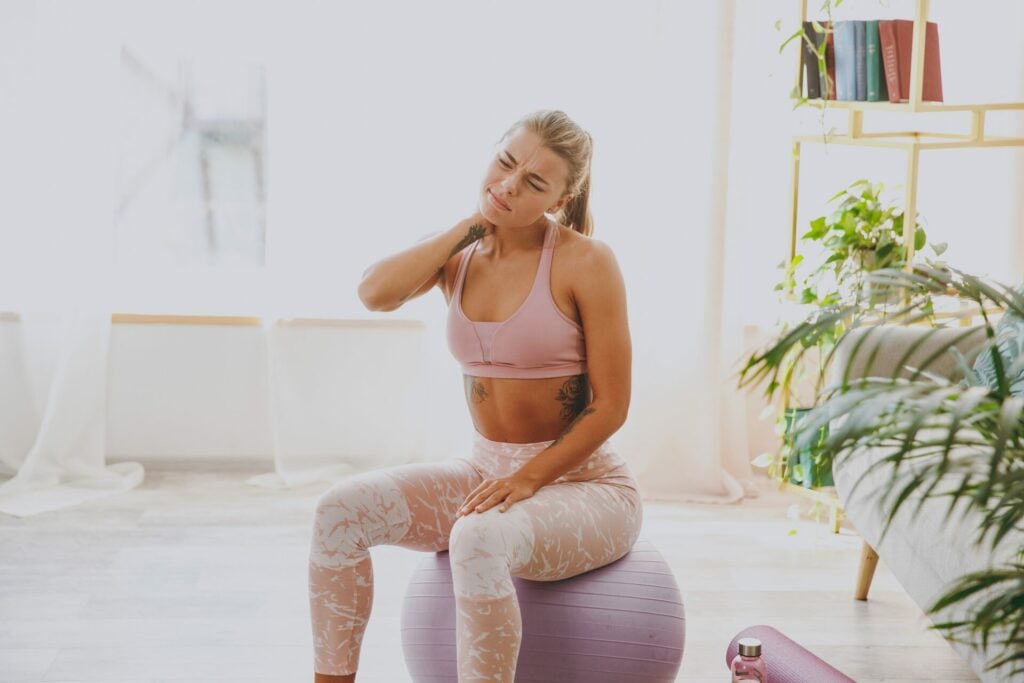
Physiotherapists and sports medicine practitioners are increasingly using pressotherapy to support recovery in athletes:
- Exercise generates, among other things, an excess of lactic acid in the body. It is the role of the lymph to eliminate it.
- Furthermore, muscle restoration relies on the supply of oxygen and nutrients via the bloodstream.
Pressotherapy is therefore offered in some centres for post-exercise recovery (see also our article on the waste produced by the body during intense physical activity). Many people also describe the session as a relaxing experience.

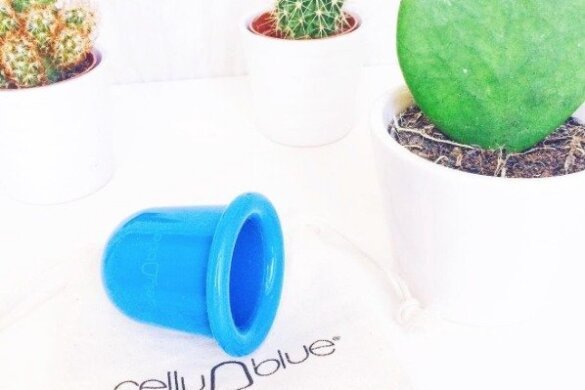
The cupping tool that replicates pinching and rolling, 3 minutes per zone
- The professionals' technique, at home: you lift, glide, and release, and the tool grips the skin fold like a manual pinching and rolling
- Soft silicone that fits thighs, buttocks, stomach, and arms
- 3 minutes per zone, every day, always with a massage oil so the tool glides
4- Pressotherapy and cellulite
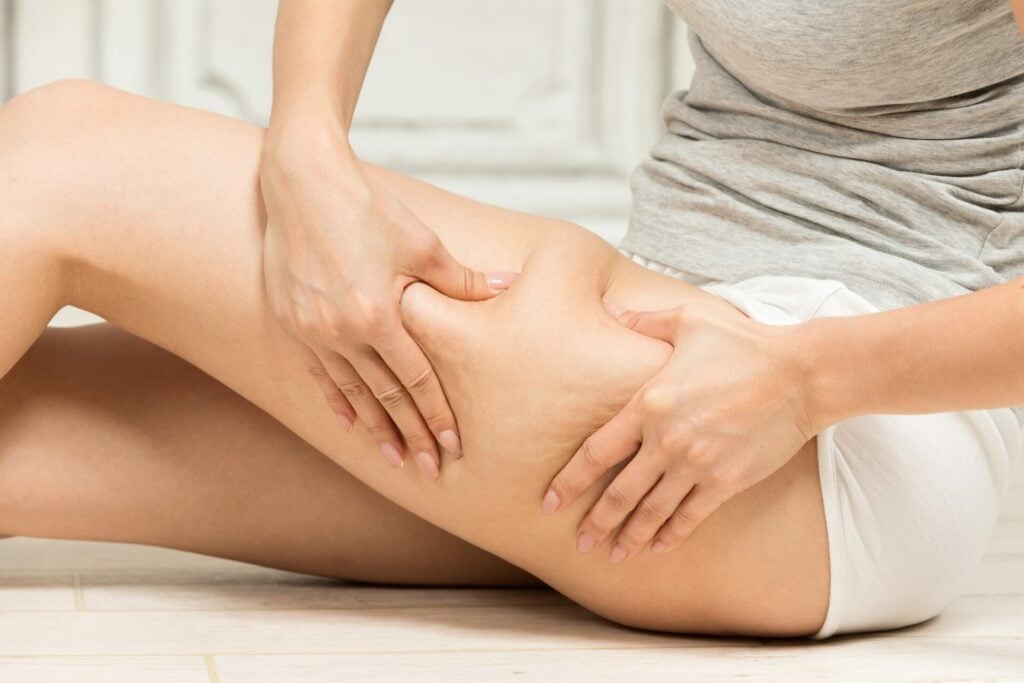
The final setting in which pressotherapy is used is cellulite. However, the technique only concerns one specific type of cellulite, namely aqueous cellulite. This type is linked to water retention, which explains its puffy appearance. It results from an excess of interstitial fluid in the connective tissues. In beauty treatments, pressotherapy and its compressions and decompressions are offered when cellulite comes with a swollen appearance or discomfort (tightness, feelings of heaviness). Experiences do, however, vary from person to person.
Who is pressotherapy for?
The technique is primarily intended for people suffering from venous and/or lymphatic insufficiency. This is why it is practised in a medical or paramedical setting: vascular medicine (angiology) or physiotherapy practices. In this specific context, sessions are prescribed by a doctor and therefore covered by the French national health insurance (Sécurité Sociale).
For sports recovery purposes, it is mainly practised in sports medicine clinics or administered by a physiotherapist. Coverage by health insurance is not guaranteed, especially if sessions are considered “comfort” treatments.
Finally, pressotherapy for aesthetic purposes is rarely covered, unless cellulite is deemed to have a significant impact on health — an extremely rare occurrence. In that case, pressotherapy sessions will take place in an aesthetic medicine clinic, or possibly in a beauty institute, provided of course that the staff are properly trained in lymphatic drainage techniques and use approved equipment.
What does a pressotherapy session involve?
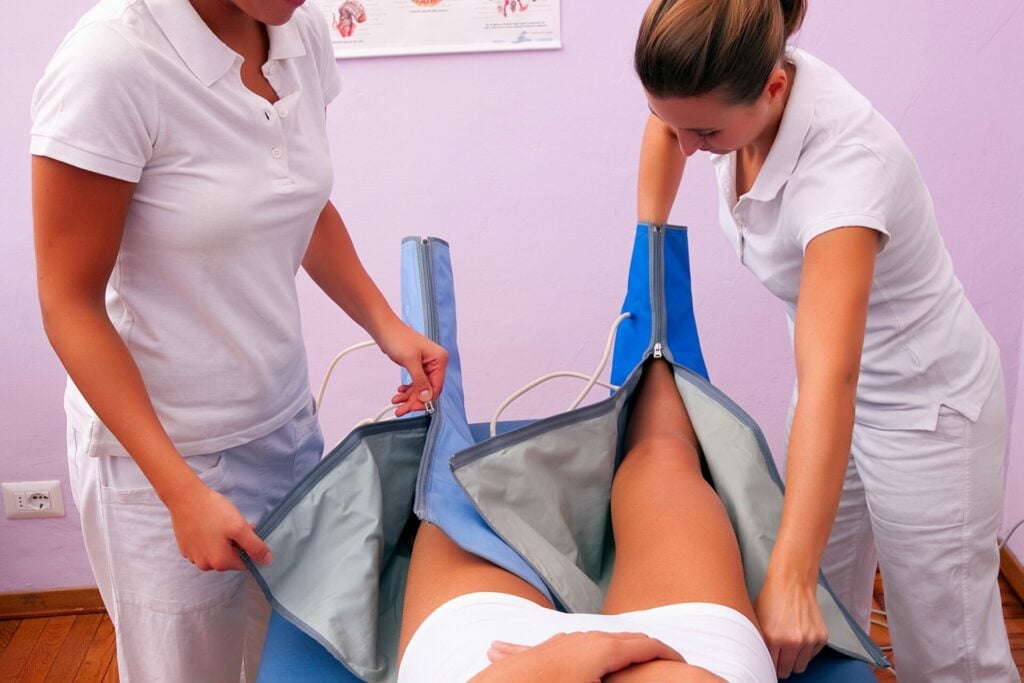
As a general rule, the areas to be treated are first coated with a cream or lotion. The limbs or waist are then placed inside the appropriate equipment — boots for the legs, sleeves for the arms, a belt for the abdominal area. The equipment is lined with independent pneumatic chambers connected to an air pump. Air is gradually propelled into the various chambers at a precisely defined rhythm: they inflate one after another, creating pressure on the area being treated. A session typically lasts between 15 and 30 minutes and is generally described as painless. It is worth noting that in cases of aqueous cellulite, water retention or venous insufficiency, sessions are usually repeated regularly, whether the focus is the appearance of the skin (see our tips for firmer skin) or everyday comfort.
What about pressotherapy on the stomach?
For the stomach area, the equipment isn’t a boot or a sleeve but a belt. The session follows the same pattern: the belt is connected to an air pump, and its chambers gradually fill at a set rhythm to apply pressure to the waist in succession.
Before you start, whether at a clinic or at home, take the time to read the list of contraindications below. If you have any doubts, especially during pregnancy or if you have a medical condition, ask your GP for advice.
What are the contraindications for pressotherapy?
The technique is strongly contraindicated for:
- People with heart conditions
- People with respiratory insufficiency
- People suffering from renal insufficiency, diabetes, tumours, untreated hypertension, venous thrombosis or a confirmed risk of phlebitis
- Individuals with open wounds or abscesses
- Pregnant women — very low-pressure pressotherapy may however be tolerated in cases of heavy legs
- During menstruation
What about pressotherapy at home?
It is possible to purchase pressotherapy equipment and carry out sessions at home. That said, it is strongly advisable to carefully check the quality of the equipment:
- It must carry CE certification
- The pressure must be progressive and continuous
- It must offer different pumping programmes
- It must include the accessories you need: the connector, the connecting tube, and the necessary extensions depending on the areas to be treated
Frequently asked questions
What is pressotherapy, in a nutshell?
It’s a paramedical technique in which part of the body is placed inside air-filled equipment (boots, sleeves, a panty or a belt) that alternates between compression and decompression. You’ll find a full explanation of how it works in the section “What is pressotherapy?”.
What are the benefits of pressotherapy?
It is offered in several settings: medical and paramedical care, sports recovery and beauty treatments for aqueous cellulite. Experiences vary from person to person. For any medical questions, ask your GP or another doctor.
Does pressotherapy hurt?
A session is generally described as painless, but how it feels can vary from person to person. If you feel any discomfort, stop the session and ask a doctor or healthcare professional for advice.
Related articles
- Hemp oil: composition and uses in cooking and beauty
- 6 types of leg self-massage
- Why try lymphatic drainage at home?
- The New Skincare Routine
Useful categories: Anti-Cellulite Massages, Anti-Cellulite Solutions.
To go further, explore the Cellublue shop: our anti-cellulite products.


The scrub that leaves skin smooth and skin texture refined*
*User test on 21 volunteers over 4 weeks, based on participants' feedback.
- Olive & apricot kernels: these natural grains gently sweep away dead skin cells
- Caffeine & monoi scent, so your shower instantly smells like a holiday
- In the shower, two to three times a week, massaging your thighs, bottom and stomach