CelluliteAnti-Cellulite SolutionsAnti-Cellulite Plants Ivy for cellulite: does it really work?

Ivy for cellulite: does it really work?

par
lierre-cellulite

Ivy is a plant well known in our part of the world. Climbing up tree trunks and house walls, it is variously seen as a decorative or invasive plant. But ivy is far less known for its benefits, which are nonetheless numerous. A closer look at this climbing plant, which may have a great deal to offer in the fight against cellulite.

What are the benefits of ivy?

Common ivy (Hedera helix) was already used in Antiquity, with its leaves reputed to soothe headaches. Its use continued throughout history: its berries were employed as a purgative, a macerate of its leaves in vinegar was used to treat corns, while its sap was collected to relieve sore throats. The use of common ivy is now better understood: we know, for example, that the berries must be used with caution, as they are highly toxic when consumed in large quantities.

But what are the plant’s proven properties?

  • Ivy is first and foremost a proven antimicrobial. Certain extracts from its leaves, flowers and fruits have demonstrated antibacterial activity against harmful bacteria, including Staphylococcus aureus(1).
  • It is also recognised for its antioxidant properties. Its leaves contain numerous chemical compounds (saponins) that reduce the harmful effects of oxidative stress, including premature ageing, cardiovascular disease, inflammation and its consequences, and even cancer(2).
  • By extension, common ivy has an anti-inflammatory action, helping to ease chronic pain and reduce oedema(3).
  • It is also particularly well known as a complementary treatment for bronchial inflammation and respiratory conditions. It is widely used in the management of asthma, thanks to its antispasmodic properties(4).

Can ivy help fight cellulite?

lierre-cellulite-efficacité

Another, more surprising benefit — one that follows directly from those already mentioned — is that common ivy has a beneficial effect on cellulite.

Its leaves contain numerous antioxidant compounds, including flavonoids (rutoside, rutinoside) and saponins (such as hederine). These compounds have several effects on the body(5):

  • vasoconstrictive properties, which help reduce vein permeability;
  • an anti-inflammatory action, to reduce oedema and swelling;
  • draining properties, to improve tissue drainage.

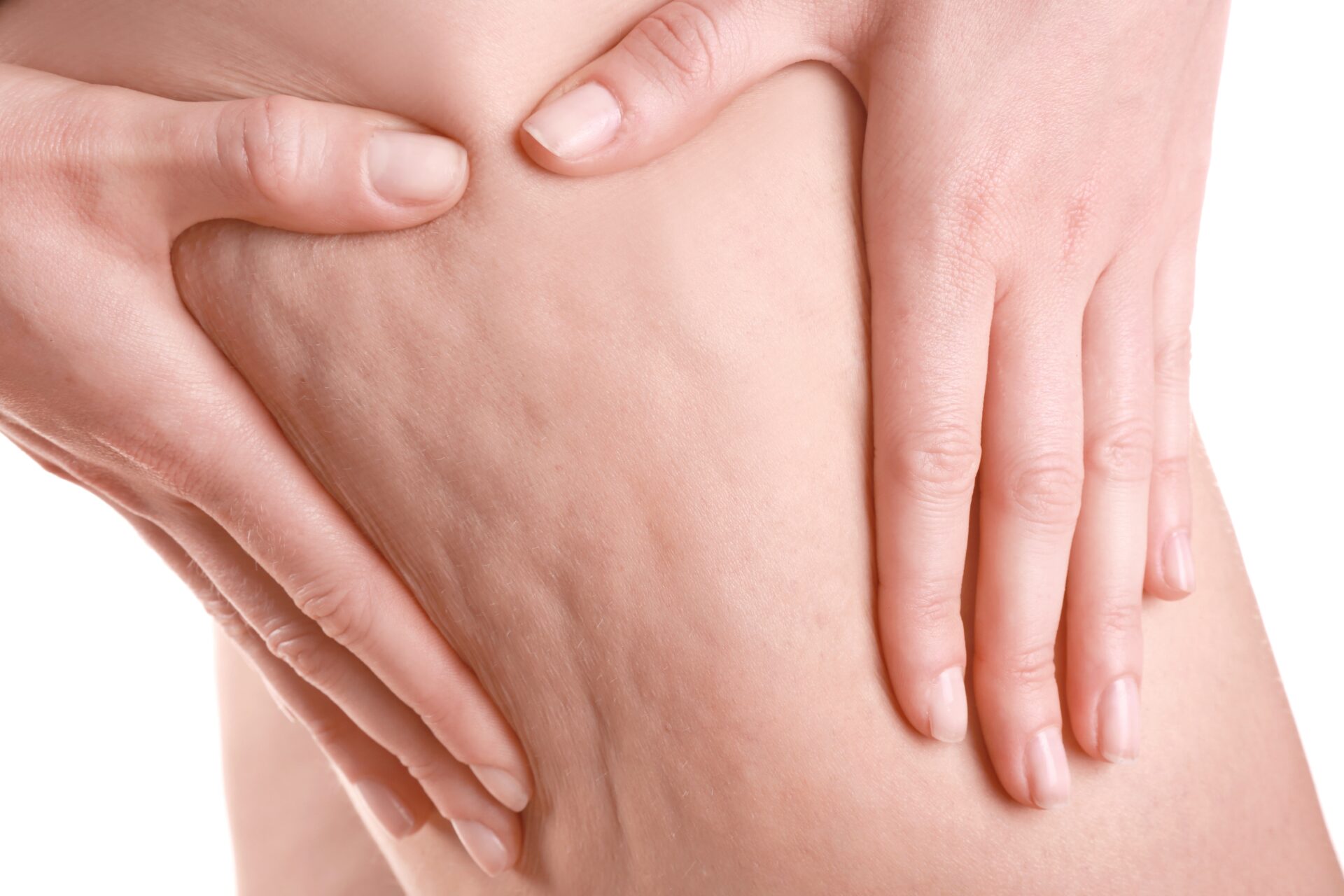
Now, cellulite, a phenomenon affecting nearly 90% of women, is partly caused by a dysfunction of the venous and lymphatic circulation. This results in an accumulation of water and toxins in the tissues and congestion, which gives the skin its characteristic “orange peel ” appearance.

As a result, regular use of common ivy can improve the appearance of cellulite by:

How to use ivy for cellulite?

There are mainly two ways to use common ivy to treat cellulite and address its associated discomforts (water retention, heavy legs).

1- Using ivy as a herbal tea

The first approach is the oral route, through the preparation of draining and venotonic herbal teas. Ivy leaves can be combined with other plants that benefit venous and lymphatic health, such as mouse-ear hawkweed, Java tea, red vine, horse chestnut or meadowsweet.

2- Topical use

The second approach is the topical route. Ivy has been used in poultices and macerates for centuries as a remedy. These time-honoured techniques are perfectly reproducible today.

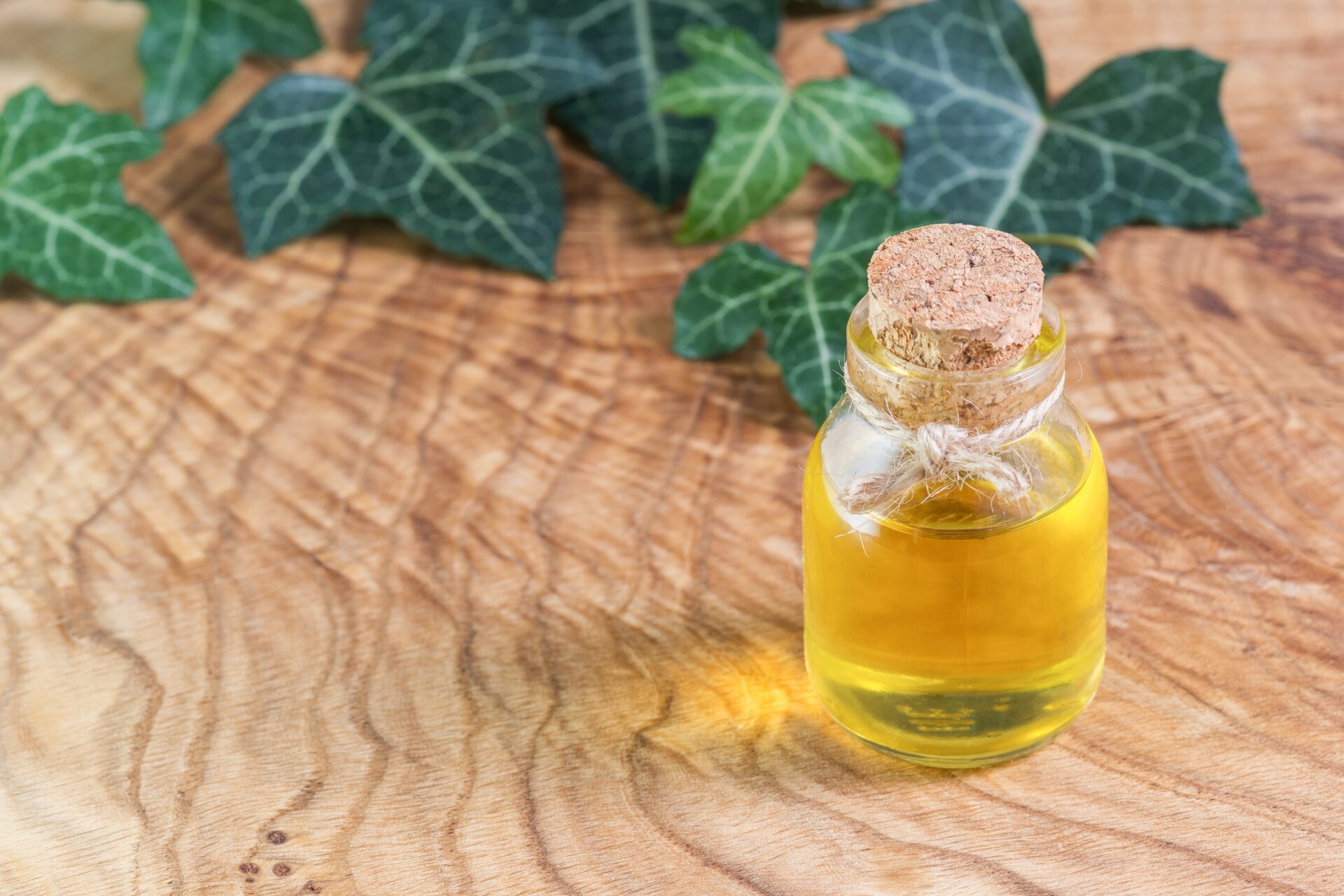
  • To prepare an anti-cellulite macerate: simply leave a few chopped or crushed ivy leaves to macerate in a little natural plant oil for around ten days, then strain the macerate and apply it daily to cellulite-prone areas (thighs, buttocks, legs) using massage.
  • To prepare an anti-cellulite body mask: you can also make an anti-cellulite poultice by boiling 100 g of ivy leaves in 500 ml of water, then mixing in a little green clay powder. Apply the mixture to the affected areas, leave on for around twenty minutes, then rinse off with clean water.

3- The cosmetic solution

Finally, if you’d rather not make your own home cosmetics, you’ll be pleased to know that you can find anti-cellulite treatments formulated with ivy. That’s exactly what our Anti-Cellulite Massage Oil, a staple in our cellulite range.

It can be used alone or with a massage accessory (Cupping Cup, Electric Cupping Cup, Body Gua Sha, Orange Peel Massager), every day. Its formula is unique and 99% natural:

  • a blend of sunflower oil and sweet almond oil, whose properties and textures are perfectly suited to anti-cellulite massage;
  • extracts of grapefruit, a fruit renowned for its lipolytic action, helping to encourage fat cell drainage and smooth away dimples;
  • common ivy which, as explained, acts on microcirculation, drainage and the prevention of water retention.

Just a few minutes of massage is all it takes to quickly notice a difference: skin looks firmer, more toned, and cellulite appears reduced. The key: massage every single day! And what a moment of pure pleasure, just for yourself…

VOUS AIMEREZ AUSSI...