You’re pregnant? Congratulations! There’s nothing more beautiful than bringing a new life into the world. But you’re worried about weight gain — especially since you naturally tend to carry weight in your thighs… So what can you do to keep things in check, or even slim your thighs during pregnancy?
Slimming your thighs during pregnancy: is it recommended?
It is completely normal to gain weight during pregnancy. This weight gain is partly due to the foetus itself, but also to the physical changes that come with pregnancy:
- weight of the placenta, amniotic fluid, umbilical cord and membranes;
- increased volume of the breasts and uterus;
- fat storage as an energy reserve (and it’s very much needed!);
- water retention caused by hormonal activity.
It is therefore perfectly normal to gain a little “volume” during pregnancy, and for this to be noticeable in the thighs.
The prevailing recommendation is to make peace with your body throughout your pregnancy. No, it is absolutely out of the question to go on a diet while expecting a baby, even if you feel like you’re gaining a lot of weight. Your baby needs the calories, vitamins and minerals you provide through your diet.
If you’re concerned about the number of kilos you’ve gained, it’s best to speak to a healthcare professional. They will most likely put your mind at ease. For reference, the recommended weight gain during pregnancy depends on your health status and pre-pregnancy BMI, and typically ranges between 8 and 18 kg.
How to avoid gaining too much in the thighs during pregnancy?
With those recommendations in mind, here are a few tips to help keep things in check and avoid gaining more thigh volume than necessary.
Tip no1: let go of common misconceptions
You probably know the one we’re referring to… “When you’re pregnant, you need to eat for two” is completely false. Simply eating to satisfy your hunger, without overeating (normal portions, 3–4 meals a day), is enough to support your health and your baby’s. Excessive weight gain can have real consequences: gestational diabetes, high blood pressure, cardiovascular issues and stubborn post-pregnancy weight. Your baby doesn’t benefit either — there’s a risk of malformations, premature birth or caesarean section… So let go of this misconception: your baby will naturally draw what it needs from your diet, and you’ll avoid seeing your thighs grow wider.
Tip no2: pay attention to the quality of your diet
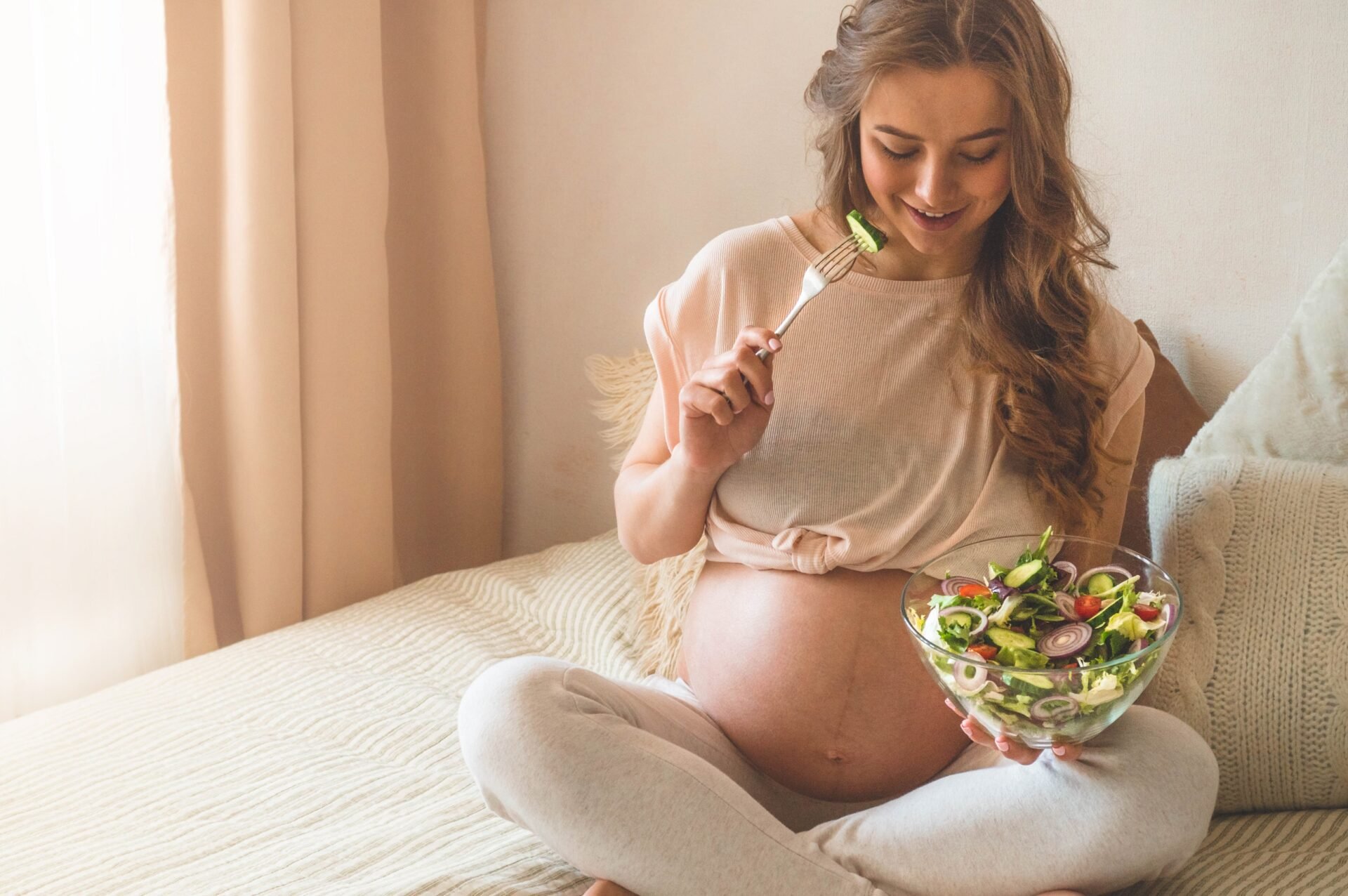
A tip that follows on from the first. To look after your figure, your health and your baby’s, it’s important to choose what you eat wisely. Cut back on sugar, saturated fats and excess salt, as they encourage fat storage and promote water retention, both of which are already heightened during pregnancy. Nothing worse for thigh volume! Instead, opt for lean proteins (white meat, fish and eggs, all cooked), fruit and vegetables in abundance, low-fat dairy products and low-GI complex carbohydrates (wholegrains, legumes, root vegetables). What about healthy fats? Those are essential too — quality lipids (avocado, nuts and seeds, oily fish) are vital for foetal development.
Tip no3: keep moving
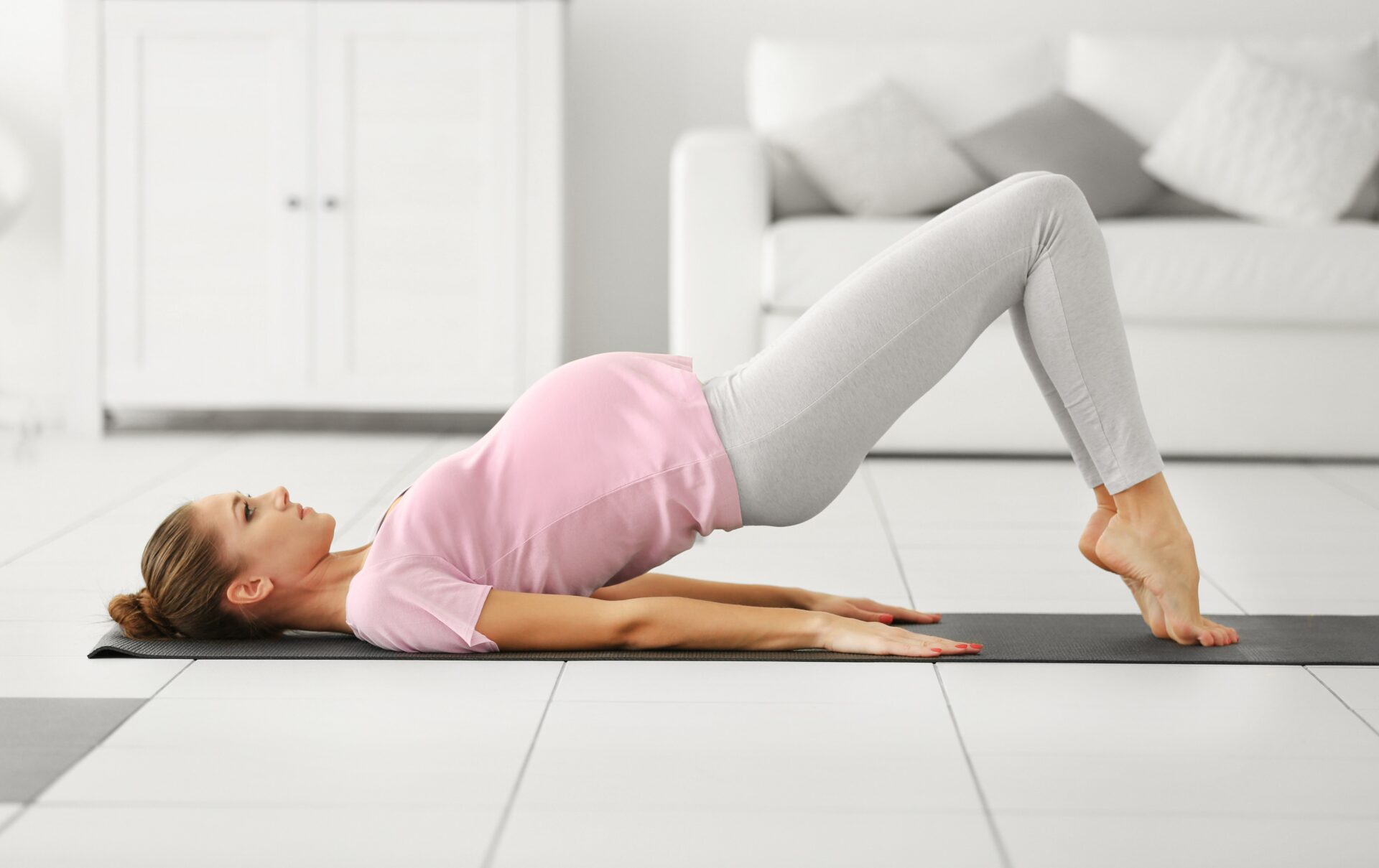
To avoid gaining thigh volume during pregnancy, it’s essential to keep moving. Pregnancy is no reason to stop physical activity — quite the opposite, unless advised otherwise by a doctor. Some sports should obviously be avoided, such as team sports (risk of impact), horse riding, downhill skiing, mountain biking (watch out for jolts and falls) or combat sports. However, gentle activities, particularly aquatic activities, yoga, Pilates and walking, are highly recommended. The benefits are numerous:
- managing weight gain (including in the thighs);
- getting back to your ideal weight more quickly after giving birth;
- maintaining good veno-lymphatic tone to reduce water retention, heavy legs and thigh swelling;
- preparing for childbirth;
- maintaining good cardiovascular health and respiratory capacity;
- reducing discomfort (particularly back pain);
- keeping muscles toned.
Tip no4: massage your legs and thighs
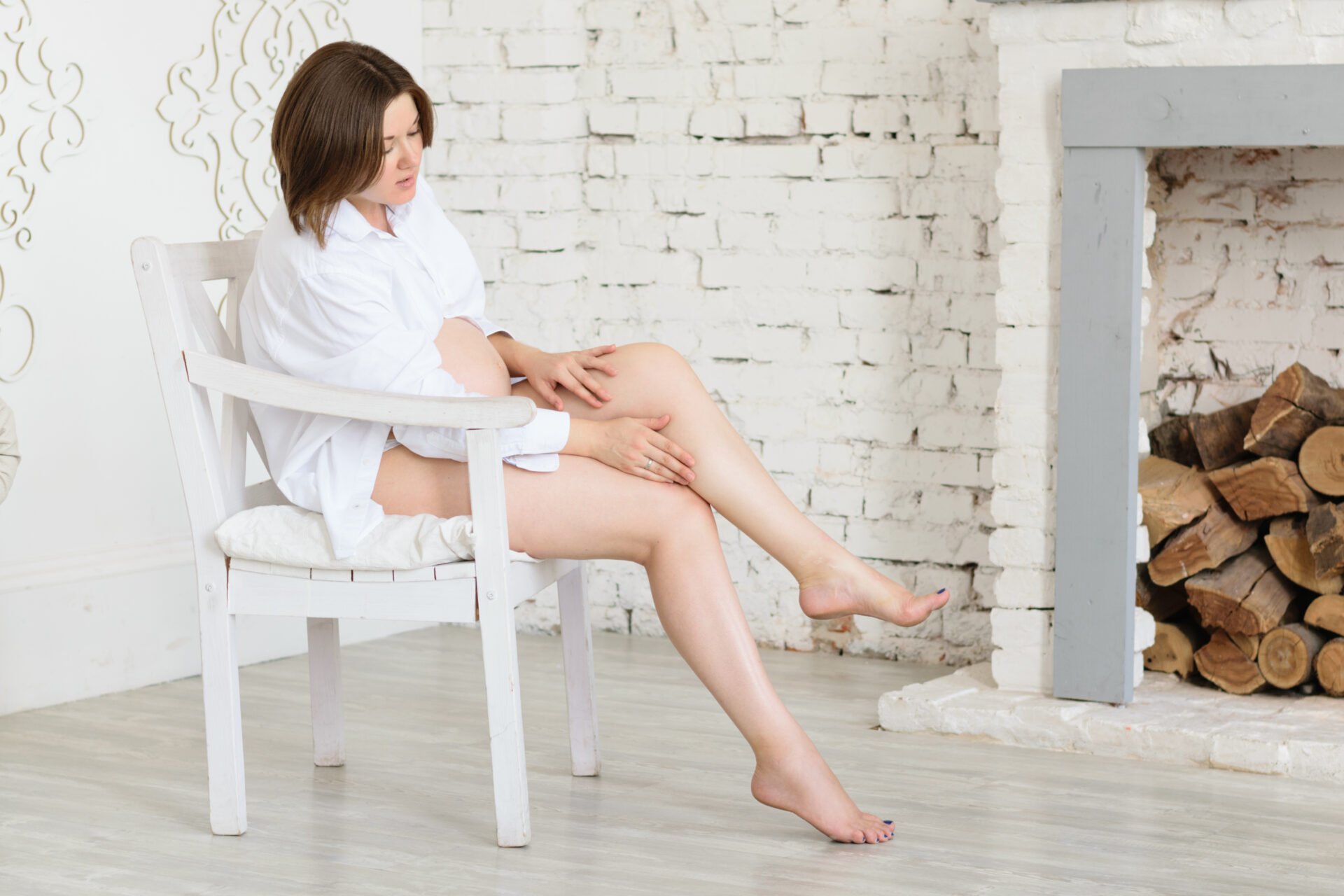
Pregnancy is also a wonderful opportunity to pamper yourself and indulge in a little self-care. And if you can combine the useful with the pleasurable, even better! This period is particularly prone to veno-lymphatic sluggishness. Female hormones, surging at full force, tend to cause vasodilation and, in turn, swelling in the legs and thighs. The best approach is to complement healthy lifestyle habits with daily massages. Be careful not to use just any cosmetic product, as some are not suitable during pregnancy — their ingredients may pose risks to your baby. We recommend a natural plant-based oil, applied every day from the ankles up to the hips using long, smoothing strokes. These movements help reduce water retention, cellulite and even stretch marks! You can also complement your daily massages with small gestures, such as a cold water rinse on your legs at every shower. You’ll be amazed at the effect on your thighs.