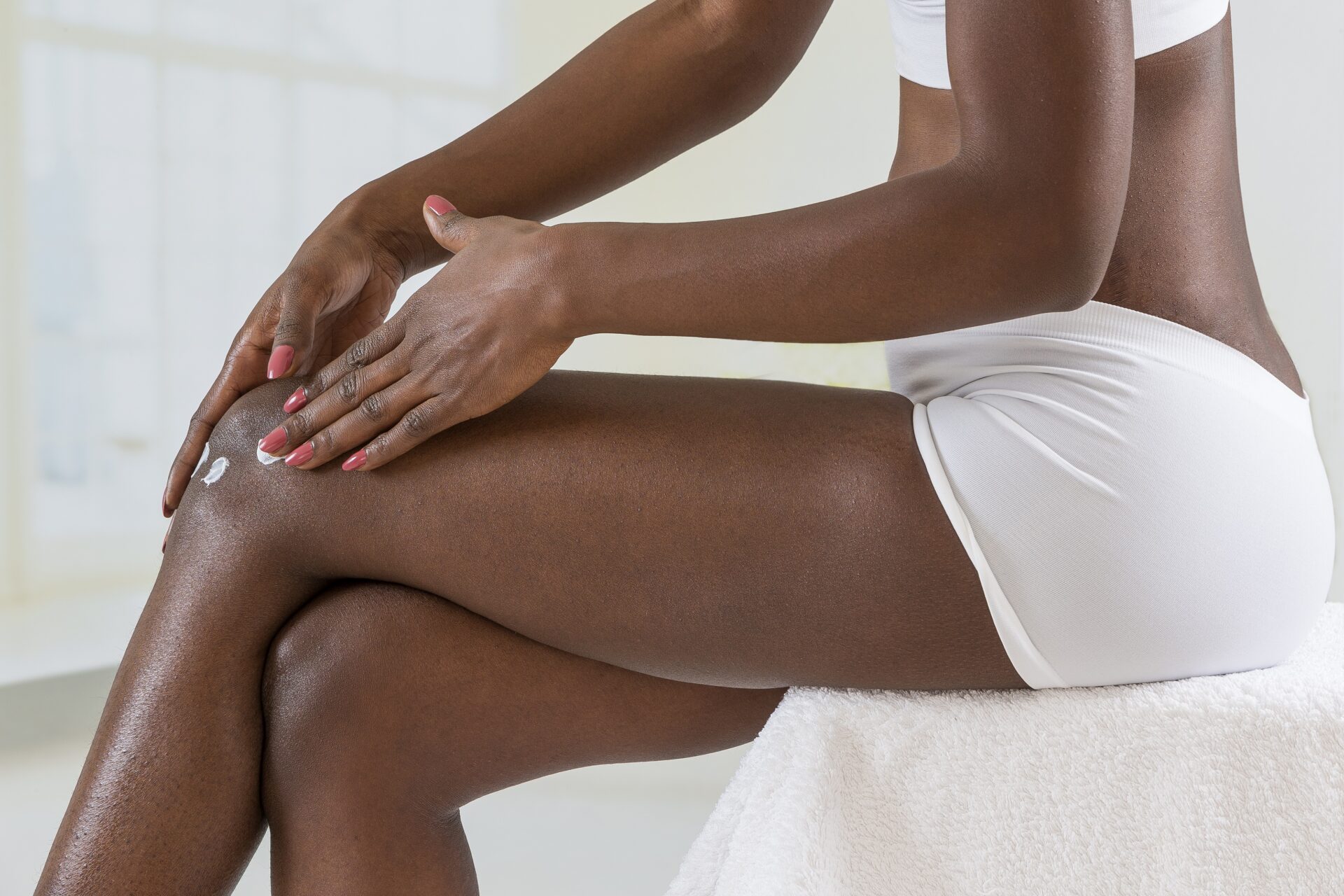
There are many misconceptions about darker skin tones… starting with the idea that Black or mixed skin is more prone to stretch marks. Myth or reality? We’ve separated fact from fiction — and rounded up the best solutions to treat your stretch marks and care for your skin.
Sommaire
How do stretch marks appear?
Stretch marks are skin lesions that appear in specific contexts of hormonal and/or physical change, such as:
1- Puberty
Puberty is a period of intense change for teenagers: they grow taller, their body transforms, and they experience hormonal surges. These three factors can trigger the appearance of stretch marks. The skin undergoes sudden, significant stretching linked to growth and changes in body shape. Sometimes it keeps up — but under the strain, it can give way in places. The elastic fibres that make up the dermis break, and skin lesions appear: the dreaded stretch marks. In boys, they tend to appear on the back, shoulders and calves. In girls, whose physical changes are more pronounced — including the onset of periods — stretch marks more commonly appear on the thighs, hips and buttocks, and sometimes the chest.
2- Pregnancy
Women are often more affected by stretch marks than men, as they go through more intense physical transformations over the course of their lives. Pregnancy is one of them. It involves rapid and significant changes to the body: a belly that grows rounder month by month, weight gain, dry skin and breasts that swell in preparation for possible breastfeeding. Pregnant women are therefore particularly susceptible to stretch marks.
3- Weight fluctuations
Significant and rapid weight gain or loss can also lead to stretch marks. The skin is subjected to considerable stretching and distension, which can weaken it in places. Collagen and elastin fibres, though resilient, can break. These subcutaneous tears cause inflammation and “cracks” at the surface of the skin: stretch marks.
4- Fluctuations in blood cortisol levels
Cortisol, known as the “stress hormone”, is naturally produced by the human body. It helps us get up in the morning and react instantly to urgent situations. Blood cortisol levels normally regulate themselves. But sometimes the system goes off balance and the body starts producing more cortisol than needed. This can happen during chronic stress, adrenal gland dysfunction (a condition known as Cushing’s Syndrome), cortisone-based treatment, or in the final stages of pregnancy(hormonal surge). High cortisol levels bring a range of unwanted effects: weight gain, a weakened immune system, and skin deterioration — including dryness and fragility — which can lead to stretch marks.
5- Muscle hypertrophy
Rapid and significant muscle gain can also trigger stretch marks. This is common with certain sports, such as weight training, weightlifting or bodybuilding. The effect is amplified when athletes intensively work the same muscle groups and/or use mass-gaining products (anabolic substances, gainers). Stretch marks can then appear on the shoulders and arms, pectorals, back, and even the thighs and calves. “Gym” stretch marks more commonly affect men, whose capacity for muscle gain is greater than that of women.
Are dark or mixed skin tones more prone to stretch marks?
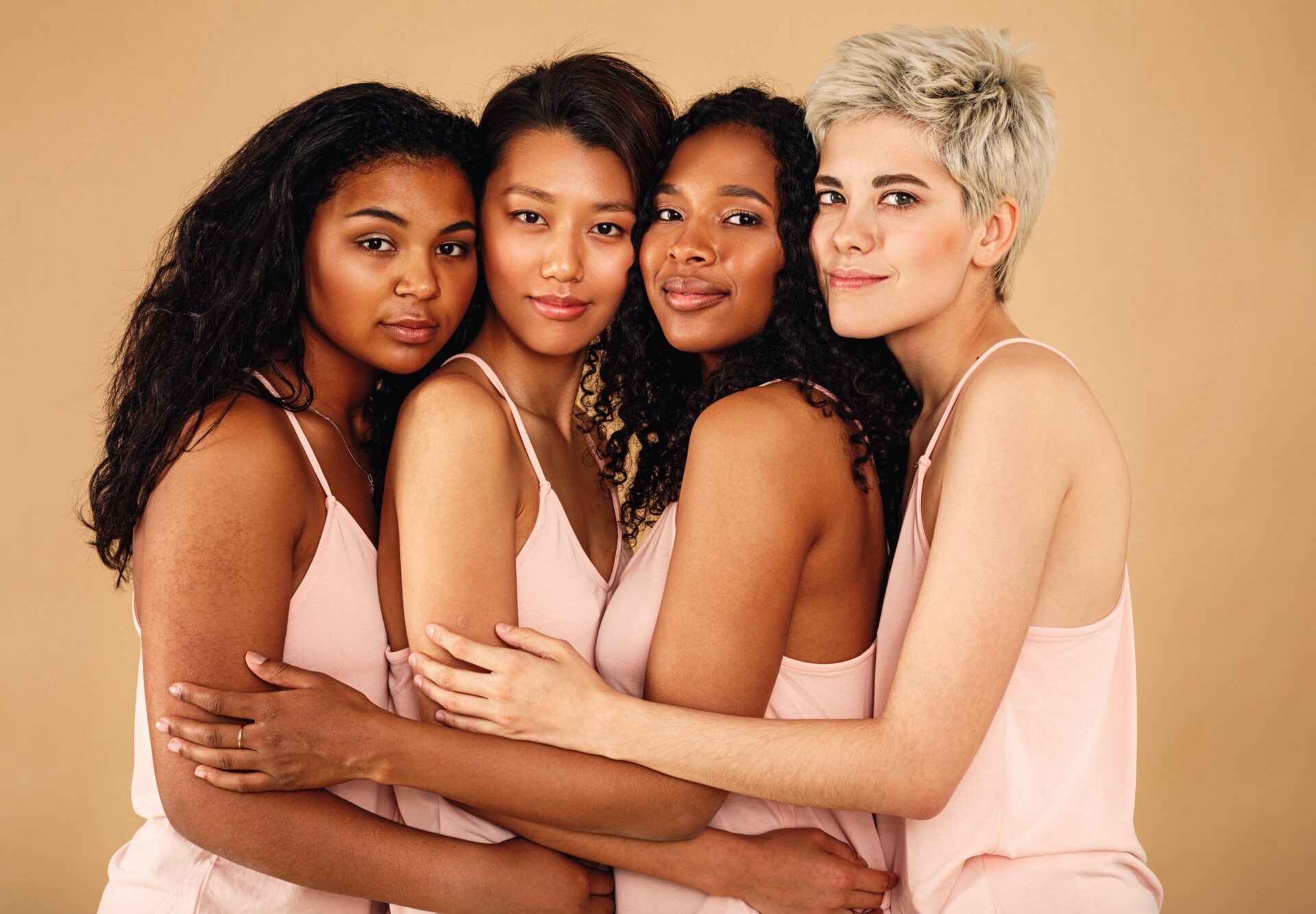
Let’s come back to the misconception that darker skin is more prone to stretch marks. This is simply not true. However, stretch marks are more visible on dark skinthan on lighter skin. A stretch mark is characterised by:
- Its soft texture, as it results from the distension of the dermis’s elastic fibres
- Its sunken appearance, because the skin sinks slightly at the site of the stretch mark, no longer “supported” by the elastic fibres
- Its colour, which typically shifts from red, pink or purple (the inflammatory stage of a new stretch mark) to a pearlescent white (a “healed” and depigmented stretch mark)
As a result, white stretch markswill inevitably stand out more on dark or mixed skin than on lighter skin, due to the contrast effect.
To this, we can add two contributing factors:
- Darker skin tones tolerate dry climates less well than lighter skin. Naturally less adapted to low-humidity environments, they retain moisture less effectively and tend towards dryness and dehydration. And since dry skin increases the likelihood of developing stretch marks, keeping skin well nourished is essential.
- Women who use “lightening” products — still far too common among women of colour — significantly weaken their skin. In addition to other substances harmful to the dermis, these products often contain cortisone, which promotes the development of stretch marks.
What are the solutions for treating stretch marks?

Drastic problems call for effective solutions! If you have darker skin and notice stretch marks appearing on your buttocks or stomach, it’s essential to treat them. The sooner the better — new stretch marks respond more readily to treatment than older ones.
If you’re considering an aesthetic treatment for your stretch marks — LED, laser, microdermabrasion or similar — be aware that these techniques are not recommended for dark or mixed skin tones. These methods can cause micro-trauma to the dermis, leading to areas of hyperpigmentation (dark spots and possible scarring).
The best approach remains maximum hydration. Your skin needs nourishment, protection and regeneration. Here are several skincare routines to consider.
1- Natural plant oils
If you love richer textures, plant oils are a great option for treating stretch marks. There’s plenty to choose from — just make sure you go for quality. Some top picks include:
- Coconut oil, rich in fatty acids, is excellent for repairing damaged skin, soothing itching and preventing dryness.
- Argan oil, a treasured Moroccan beauty secret, is a precious and delicate oil that helps maintain skin health and supports cell regeneration.
- Our Stretch Mark Treatment Oil, a blend of 6 plant oils (sweet almond, sunflower, sesame, soya, avocado and jojoba), is designed to treat all types of stretch marks. Its 100% natural formula supports dermal healing while maintaining the skin’s hydrolipidic film. It restores suppleness and resilienceto the skin, and visibly reduces the appearance of stretch marks.

2- Plant butters
If you prefer a richer, solid texture, a plant butter can be an excellent choice. Just as nourishing as an oil, it will help fade stretch marks and give your skin the softness it deserves. Again, you have plenty of options:
- Shea butter, the best-known of all plant butters, is genuinely nourishing and beneficial. Its complex composition (fatty acids, vitamins, latex) helps restore skin elasticity and soothes the inflammation of new stretch marks.
- Cocoa butter is well known for its regenerating properties. It suits all skin types, from the most delicate to the most damaged — whether light or dark!
- Kokum butter, derived from the pressed seeds of Garcinia Indica, is also excellent for fading stretch marks when applied daily. It’s ideal for those who love a rich, non-greasy finish.
3- Anti-stretch mark creams
Finally, if you prefer a cream texture, a dedicated routine could be the answer. Some anti-stretch mark creams are highly effective, combining moisturising actives with ingredients that support dermal regeneration. Take a close look at the formula to find the one that suits you best.
Our Stretch Mark Repair Creamis particularly effective on both old and recent stretch marks. It works on several levels:
- It brings suppleness and elasticityto the skin, helping prevent new stretch marks from forming — Macadamia oil.
- It deeply nourishes the skin and repairs the dermis, strengthening its resilience — Cocoa butter.
- It soothes inflammationin new stretch marks, calming and activating the repair process — Provitamin B5.
Daily application helps reduce the appearance of stretch marks after 3 to 4 weeks of use. Users are almost unanimous: 98% of them recommend our Stretch Mark Cream, having noticed a visible reduction in the appearance of their stretch marks.
