
Warning: taboo subject! And yet it affects one in two people… Intestinal discomfort — cramps, gas, and a belly bloated like a balloon — is incredibly common. If this sounds familiar and you’d love a flatter, more comfortable stomach, here are some of the main foods that cause bloating.
Food that causes bloating no1: raw vegetables

Raw vegetables are great for your health and support weight loss, as they are low in calories, rich in vitamins and minerals, and high in water content. That said, be careful not to overdo it on raw vegetables! Once broken down by the stomach, the dietary fibre in raw vegetables ferments in the intestines — and that fermentation can cause some unpleasant side effects, including gas, bloating, and abdominal swelling. To enjoy raw vegetables without the discomfort:
- avoid eating them in excess;
- alternate between raw and cooked vegetables;
- pair them with other foods;
- chew them thoroughly.
Food no2: fried foods

We’ll give you that: chips, crisps, fritters, and spring rolls are genuinely delicious… But watch out for the calories — and above all, the bloating! Fried and breaded foods tend to be very high in fat and, more importantly, hard to digest. This poor digestibility comes down to two factors:
- their low fibre content, which does little to support healthy digestion;
- their content of AGEs (Advanced Glycation End products), which form when fats are cooked at high temperatures — these are not only harmful to the body but also very difficult to digest.
So, if you’d rather not end up with a bloated belly, it’s best to limit your intake of fried foods and opt for healthier cooking methods (steaming, braising).
Food no3: cruciferous vegetables

Cruciferous vegetables are a family of vegetables that includes all types of cabbage (curly, white, red, cauliflower, broccoli, kale…) as well as certain root vegetables (turnip, swede) and salad leaves (watercress, rocket). They’re excellent for your health and your figure, packed with vitamins and antioxidants. However, their insoluble fibre can be difficult to digest and may ferment in the colon. On top of that, this type of vegetable is rich in sulphur compounds, which can produce unpleasant-smelling gas — quite the combination for those who are sensitive to them. If you notice you react to cruciferous vegetables, it’s best to eat them in moderation. Try the double-cooking method for cabbage: par-boil it, discard the cooking water, then finish cooking in fresh water. You can also turn to vegetables higher in soluble fibre, such as celery or carrot.
Food no4: foods that cause you to swallow air

What do we mean by that? Let us explain! This category covers a whole range of foods, including carbonated drinks, chewing gum, and puffed foods:
- carbonated drinks are fizzy, which means they lead to increased air intake — and that air inevitably ends up in your belly, causing discomfort;
- chewing gum, by its very nature, means you chew excessively and therefore swallow more air than necessary, leading to bloating and gas;
puffed foods (think popcorn, crackers, rice cakes) contain air by design. They too cause an abnormal amount of air to be swallowed, which can result in issues such as aerophagia and abdominal pain.
Food no5: sweeteners

If you’re a fan of light or diet products, be aware that reduced-sugar foods can cause bloating. The culprit? Their potential content of artificial sweeteners, particularly polyols (most commonly mannitol, xylitol, and sorbitol). These sugar substitutes, found in diet sodas and certain low-fat yoghurts, are fermentable. The result: gas, bloating, and digestive issues. If you have a sensitive gut, it’s better to avoid them and opt for “real” sugar instead. In strict moderation, of course — especially if you’re looking to lose belly fat.
Food no6: dairy products

Not all dairy products cause bloating — and not everyone reacts to them. It all comes down to lactose tolerance. This sugar found in milk is not easily digested by people who are deficient in lactase. Those who are sensitive or intolerant to lactose react quickly after consuming milk and non-fermented dairy products: a bloated belly that becomes hard and painful. If this applies to you, it’s worth favouring:
- lactose-reduced products;
- hard cooked-curd cheeses (such as Emmental or Comté) or uncooked pressed cheeses (such as Morbier or raclette);
- fermented dairy products — yoghurt, kefir;
- plant-based dairy alternatives — soy yoghurt, almond milk, vegan “cheese”…
Food no7: legumes
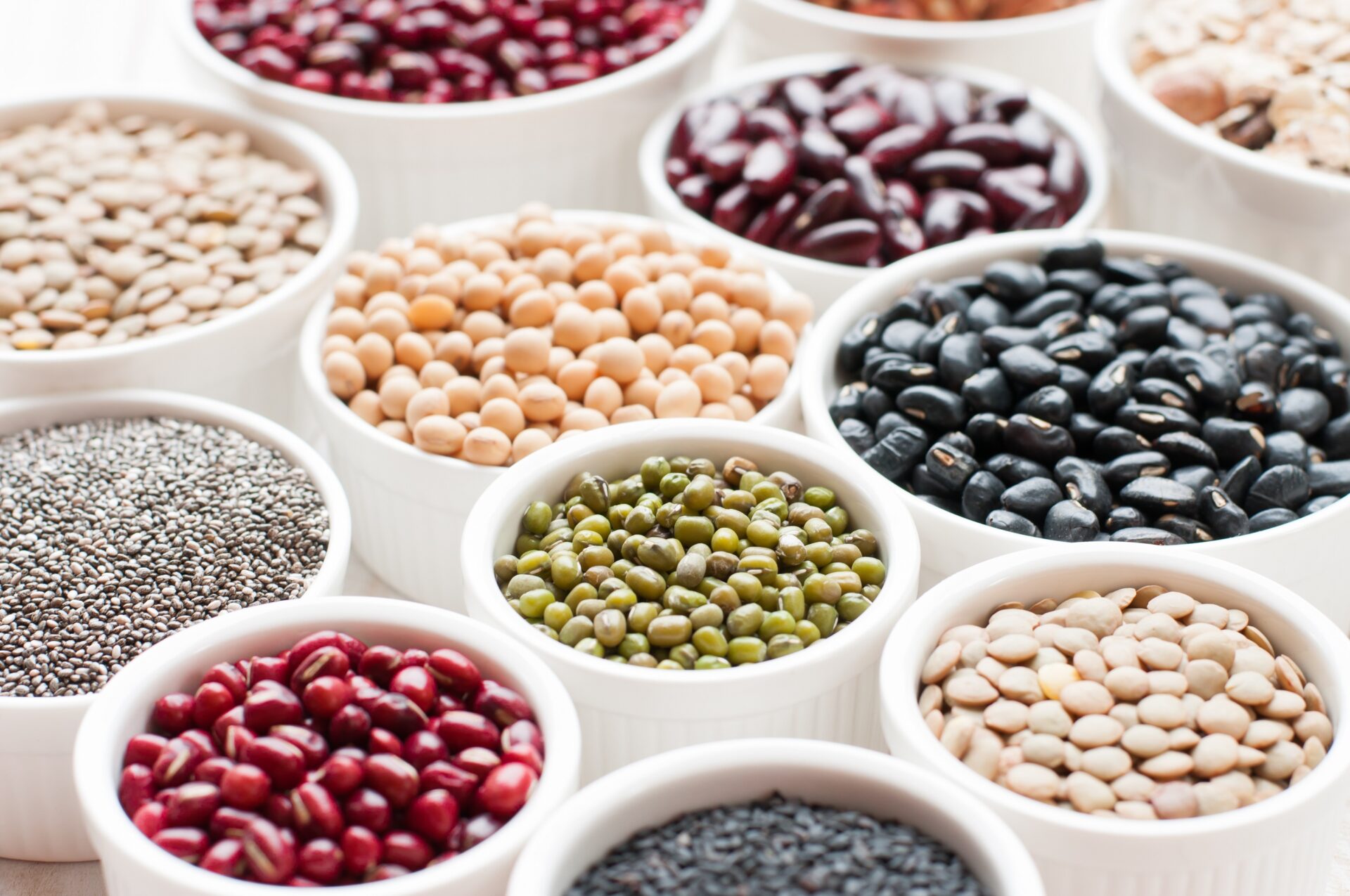
Legumes are excellent for your health — a source of minerals, digestible plant proteins, and low-GI carbohydrates. But (and there is a but), chickpeas, beans, and lentils are fermentable. Their fibres break down in the large intestine, where bacteria feed on them and release significant amounts of gas. The result: bloating, flatulence, and a rounded, uncomfortable belly. If you still want to enjoy their benefits, opt for thin-skinned legumes such as lentils, split peas, mung beans, and soy-based products. Also remember to soak them well before cooking (for at least a few hours).
Food no8: ready meals

Last on our list of foods that cause bloating: ready meals. Their ingredient lists are often far from appetising — saturated fats, sugar, salt, flavour enhancers. A combination that’s bad for your health, your figure, and your gut. The occasional ready meal shouldn’t do you any harm. But if reaching for a microwave meal is your default, you’re setting yourself up for a double blow: sluggish digestion and weight gain. Consider yourself warned!