Feelings of heaviness are part of your daily routine. Every evening, it’s the same story: swollen ankles, puffy legs and a persistent sense of discomfort. This goes hand in hand with painless cellulite that gives the skin a bloated, uneven appearance. There’s no doubt about it — you’re dealing with veno-lymphatic insufficiency. Could lymphatic drainage bring some relief? And is it actually possible to perform lymphatic drainage yourself, at home?
Sommaire
What is lymphatic drainage?
1- A quick anatomy refresher
Lymph is a colourless fluid that circulates throughout the body via a network of vessels running parallel to the blood circulatory system. Its primary role is to carry waste (toxins, cellular debris, lactic acid, interstitial fluid…) to the lymph nodes for elimination. But lymph also acts as the carrier of white blood cells, giving it a key role in immune function.
The main difference between the blood circulatory system and the lymphatic system is that one is driven by a pump — the heart — while the other has none. Lymphatic flow is therefore stimulated primarily by muscle contractions and the pulsation of nearby blood vessels. In sedentary individuals, however, lymphatic circulation is barely stimulated at all. As a result, gravity can cause lymph — along with the toxins it carries — to pool in the lower body. That’s where lymphatic drainage comes in.
2- How lymphatic drainage works
It is a massage technique designed to reactivate lymph circulation. Lymphatic insufficiency can trigger a range of issues: oedema, heavy legs, varicose veins, water retention, inflammation, cellulite, lymphoedema, skin problems… By stimulating sluggish lymphatic circulation through drainage, the aim is to support toxin elimination, tissue tone and immune function. The lymphatic drainage is based on two principles:
- Lymph is drawn in by applying gentle pressure to various lymph nodes.
- Lymphatic flow is stimulated through precise, gentle massage movements (pumping, smoothing), always performed in a specific direction — towards the lymph nodes and the heart.
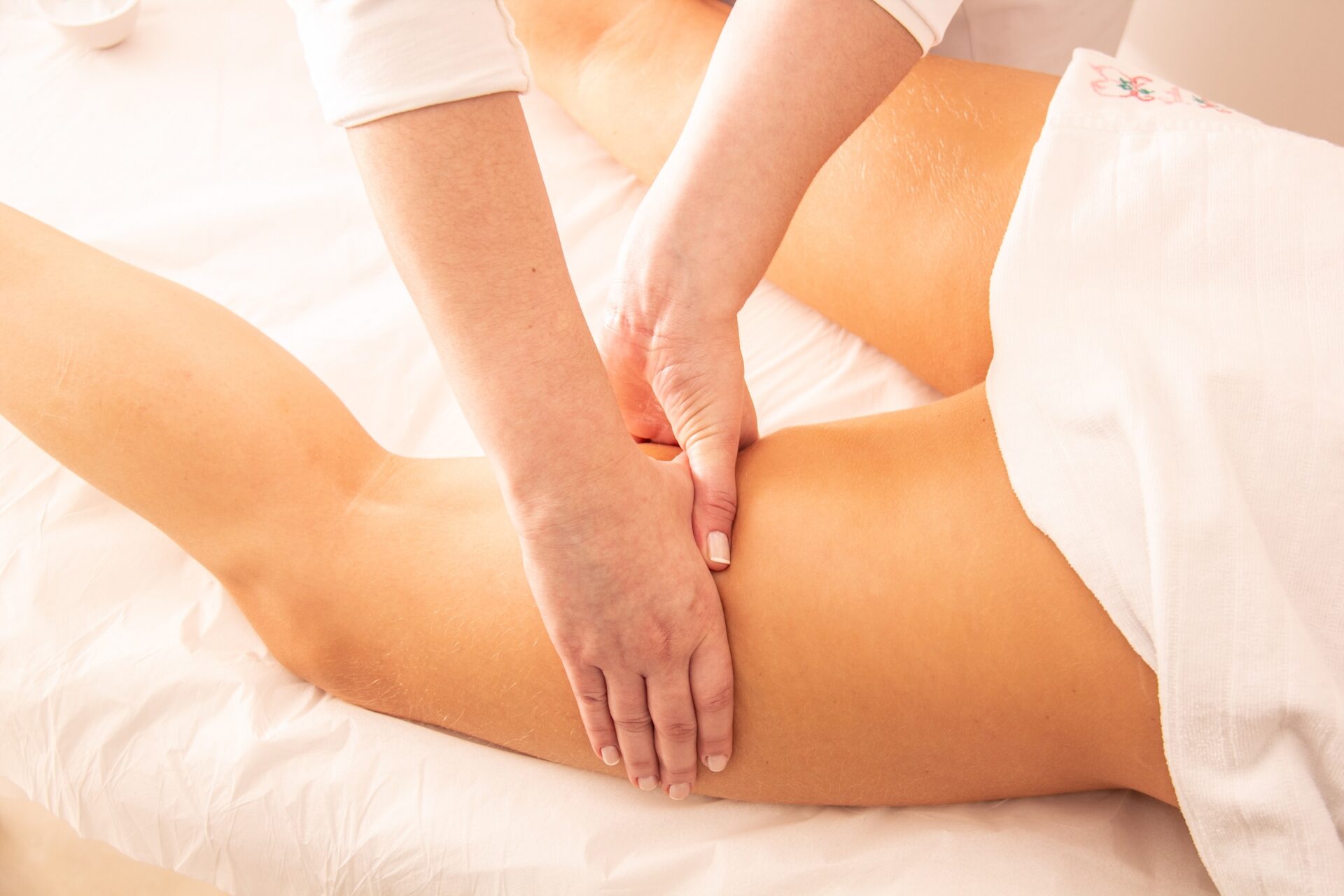
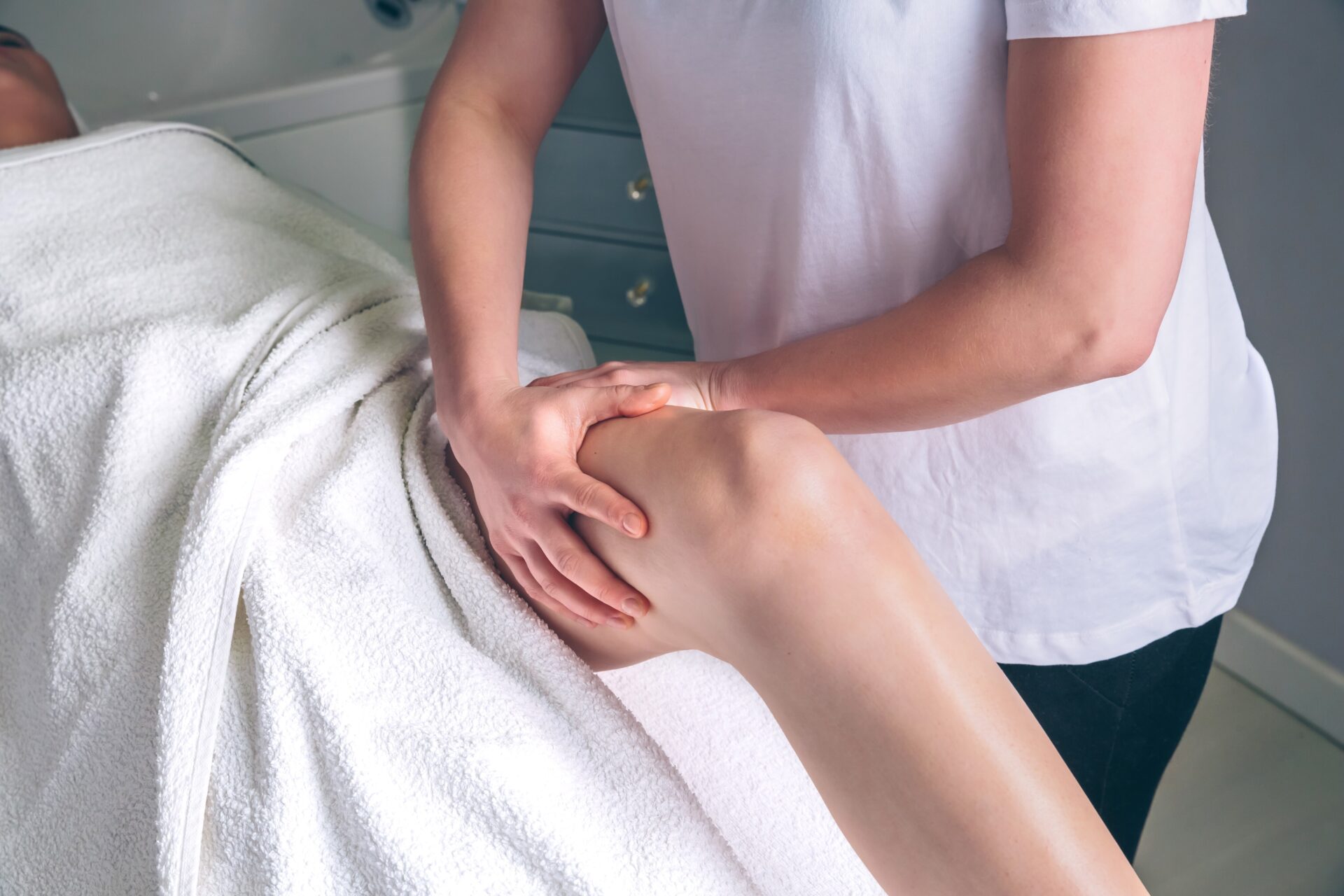
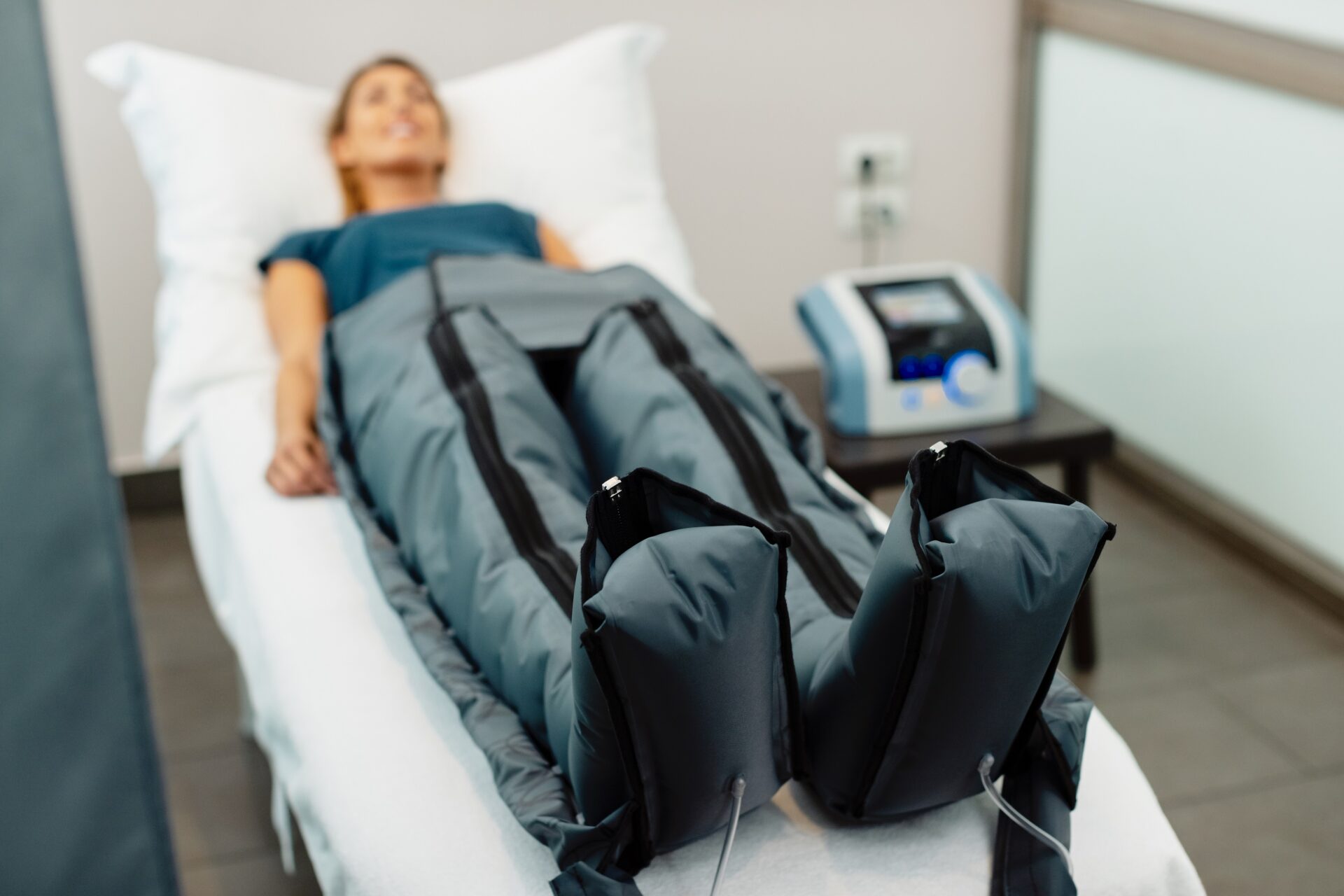
Lymphatic drainage can be performed manually or with a device (pressotherapy). That said, pressotherapy should only be considered as a complement to manual lymphatic drainage, as the precise hand movements involved cannot be replicated by a machine.
What are the benefits of lymphatic drainage?
They are both therapeutic and aesthetic.
From a therapeutic standpoint, lymphatic drainage can help address:
- All types of lymphatic system dysfunction, including oedema, water retention, heavy leg sensations, lymphoedema, and arm swelling following sentinel lymph node removal in the context of breast cancer…
- Inflammatory conditions (following trauma or surgery)
- Skin concerns such as eczema, rosacea or acne
- Slow-healing wounds
- Muscle recovery
- Digestive issues, such as bloating, abdominal distension and constipation
From an aesthetic perspective, lymphatic drainage is also highly sought after. It is primarily used for:
- Facial treatments, as it helps refine facial contours, reduce facial puffiness (swollen eyelids, bloated face) and restore a clearer, more radiant complexion.
- Addressing superficial lipodystrophy, or cellulite, which is often caused by an accumulation of water and toxins in the dermis. Lymphatic drainage is particularly well suited to those affected by water-retention cellulite, linked to fluid build-up.
It should be noted that lymphatic drainage is contraindicated in cases of tuberculosis, confirmed thrombosis (or phlebitis), lymphangitis (inflammation of the lymphatic vessels), erysipelas (a skin infection resulting from veno-lymphatic insufficiency), oedema or heart failure, low blood pressure, hyperthyroidism, asthma, kidney failure, acute infections, unoperated malignant tumours, heavy periods…
Where can you get lymphatic drainage?
There are essentially two scenarios:
- If lymphatic drainage is recommended in a therapeutic context, it will be prescribed by a doctor and carried out in a medical setting (typically a physiotherapy practice). Sessions range from €20 to €50. When prescribed, it may be partially reimbursed by the French national health insurance (Sécurité Sociale) at a rate of 60%.
- If lymphatic drainage is performed in an aesthetic context, at a beauty salon or spa, prices typically range from €60 to €90. It is not covered by health insurance. It is also important to check the qualifications of the practitioner beforehand — make sure they have received proper training in the technique.
It’s worth noting that a single lymphatic drainage session rarely produces lasting results. Ideally, a series of sessions is recommended — typically between 5 and 10 (a course), depending on the extent of the concern being addressed.
Can you perform lymphatic drainage at home?
Manual lymphatic drainage is a highly specific technique that requires professional training. There are also several recognised methods, such as the Dr Vodder method — developed by the inventor of drainage itself — which uses circular and pumping movements, and the Dr Leduc method, which incorporates drawing and reabsorption manoeuvres.
So, it is not possible to perform a true lymphatic drainage on yourself, properly and in full, at home. That said, certain self-massage techniques come close to manual lymphatic drainage, as they gently stimulate lymphatic flow — with noticeable effects on the appearance of oedematous cellulite, heavy leg sensations and water retention.
1- The cupping massage
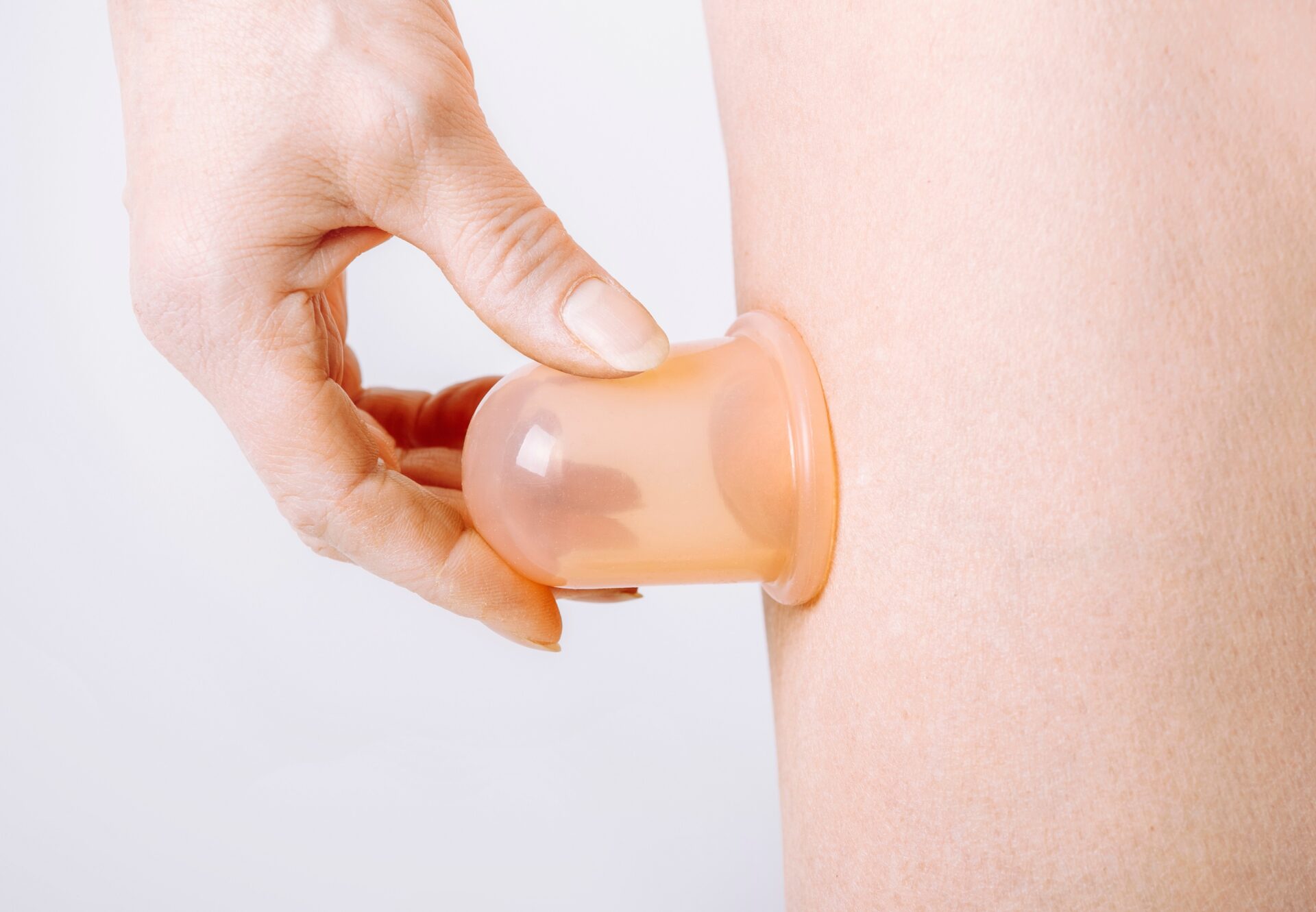
One example is the use of an anti-cellulite cupping device (such as our manual and electric cups), which closely replicates another anti-cellulite massage technique, the pinch-and-roll. And like lymphatic drainage, the pinch-and-roll helps reactivate lymphatic flow. If you’re dealing with lymphatic insufficiency causing water-retention cellulite, regularly massaging the skin (first coated with a massage oil, such as ours !) with a cupping device can be genuinely beneficial. Just remember to begin with a few lymph node stimulation movements, then always massage in the direction of the heart.
2- Dry brushing
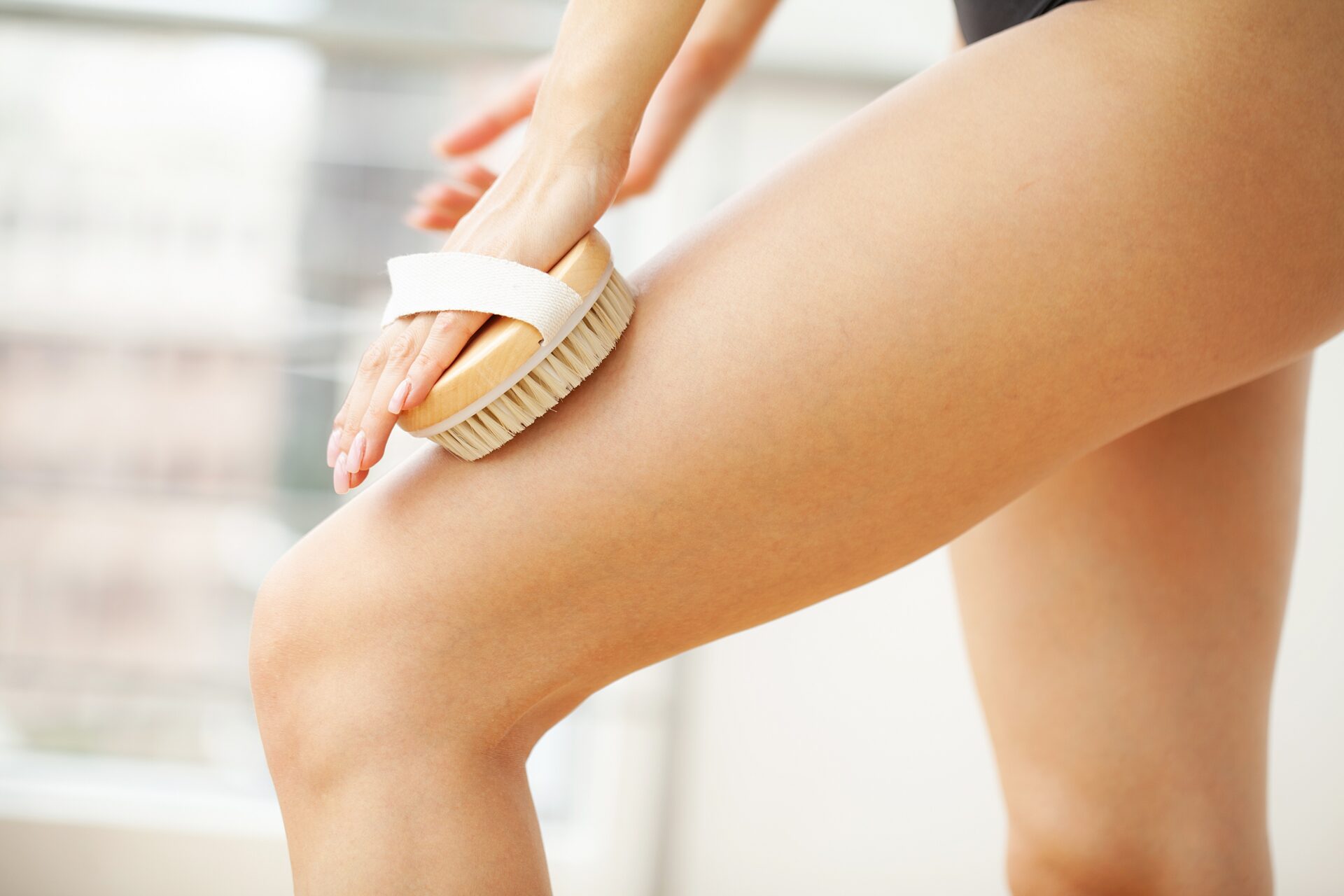
A second method that comes close to at-home lymphatic drainage, as it supports healthy lymph circulation. Dry brushing involves brushing the skin with a hand brush (such as our Brosse Peau Neuve), with the aim of exfoliating, toning the tissues, relieving nervous tension and promoting drainage. It is performed using circular and smoothing movements, always following the direction of lymphatic flow (towards the lymph nodes). Much like lymphatic drainage, it supports skin quality, helps eliminate organic waste and contributes to a partial reduction in cellulite.
3- The Gua Sha
The Gua Sha technique is an ancient wellness practice rooted in Traditional Chinese Medicine, which involves stimulating lymphatic flow through “scraping” movements on the skin using a specific tool. Today, this tool is known as the Gua Sha, and it can be used for at-home body treatments that come close to manual lymphatic drainage. A few precautions to keep in mind, however:
- Choose a Gua Sha designed for body massage. Our Gua Sha Corps is a perfect example: its ergonomic shape makes it easy to handle, and its design has been carefully developed to gently stimulate blood and lymphatic circulation. Its various edges (rounded, curved and flat, with fine ridges) are shaped to follow the body’s natural contours and boost circulatory flow.
- Gua Sha lymphatic drainage should always be performed on skin that has been pre-coated with massage oil.
- Before beginning any scraping movements, it is essential to open the lymph nodes by applying a gentle pumping motion with the hands. To locate the precise position of the lymph nodes, refer to a usage guide (such as the one included with our Gua Sha) or a body map.
- Follow a massage protocol, as at-home Gua Sha lymphatic drainage — like any drainage technique — must be performed in a specific order and direction. We always include massage instructions with our accessories, and our Gua Sha is no exception!
- At-home lymphatic drainage should always end with a final lymph node pumping movement, similar to the one performed at the start.
As you can see, performing a true manual lymphatic drainage on yourself at home is no easy feat. That said, if you’re dealing with cellulite, mild oedema or heavy legs, self-massage techniques are absolutely worth incorporating into your routine — and the results can be genuinely rewarding. However, if you’re experiencing debilitating discomfort or significant swelling (lymphoedema), nothing replaces a visit to your doctor, who can refer you to a specialist (vascular medicine, angiology) or a physiotherapist.
