Among the various cellulite treatments, massages are often mentioned. Palper-rouler, manual lymphatic drainage, anti-cellulite massage… But what about pressotherapy? Here is some information about this technique, widely used in physiotherapy practices and sometimes even at home.
Sommaire
What is pressotherapy?
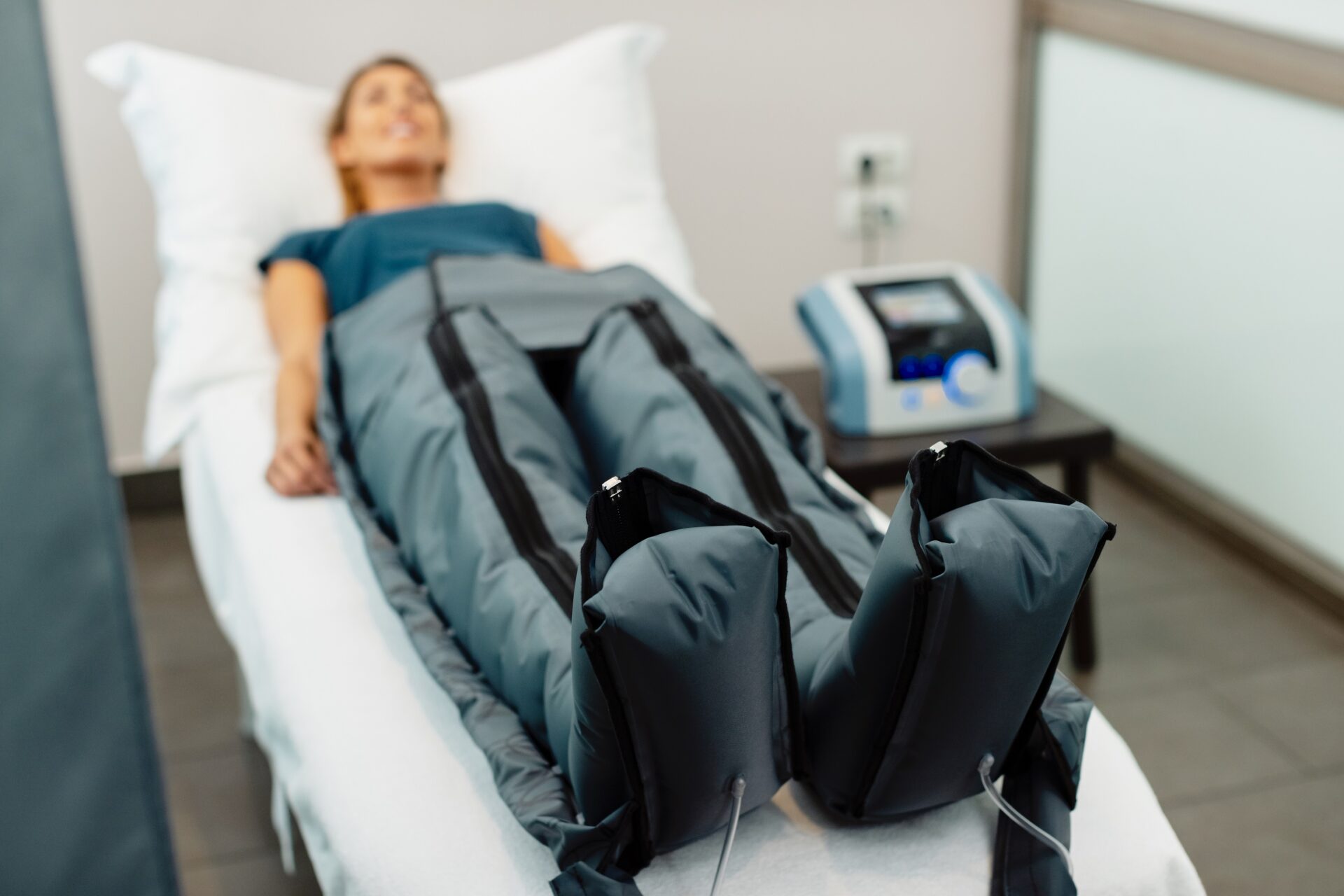
It is a paramedical mechanical drainage technique designed to stimulate circulation in the veno-lymphatic system. It involves placing the areas to be treated inside specific equipment: boots (for the lower limbs), sleeves (for the upper limbs), a panty (for the hips and buttocks) or a belt (for the abdominal area). This equipment performs compressions and decompressions that stimulate circulatory flow. The sequential pressure is adjusted — both in intensity and frequency — according to the condition being treated. Traditionally, pressotherapy is aimed at people suffering from venous and lymphatic sluggishness, leading to water retention or heavy leg syndrome. It is often used alongside manual lymphatic drainage. However, other applications are now practised. Pressotherapy is also used for aesthetic purposes or for recovery (athletes).
What are the applications of pressotherapy?
1- Venous insufficiency
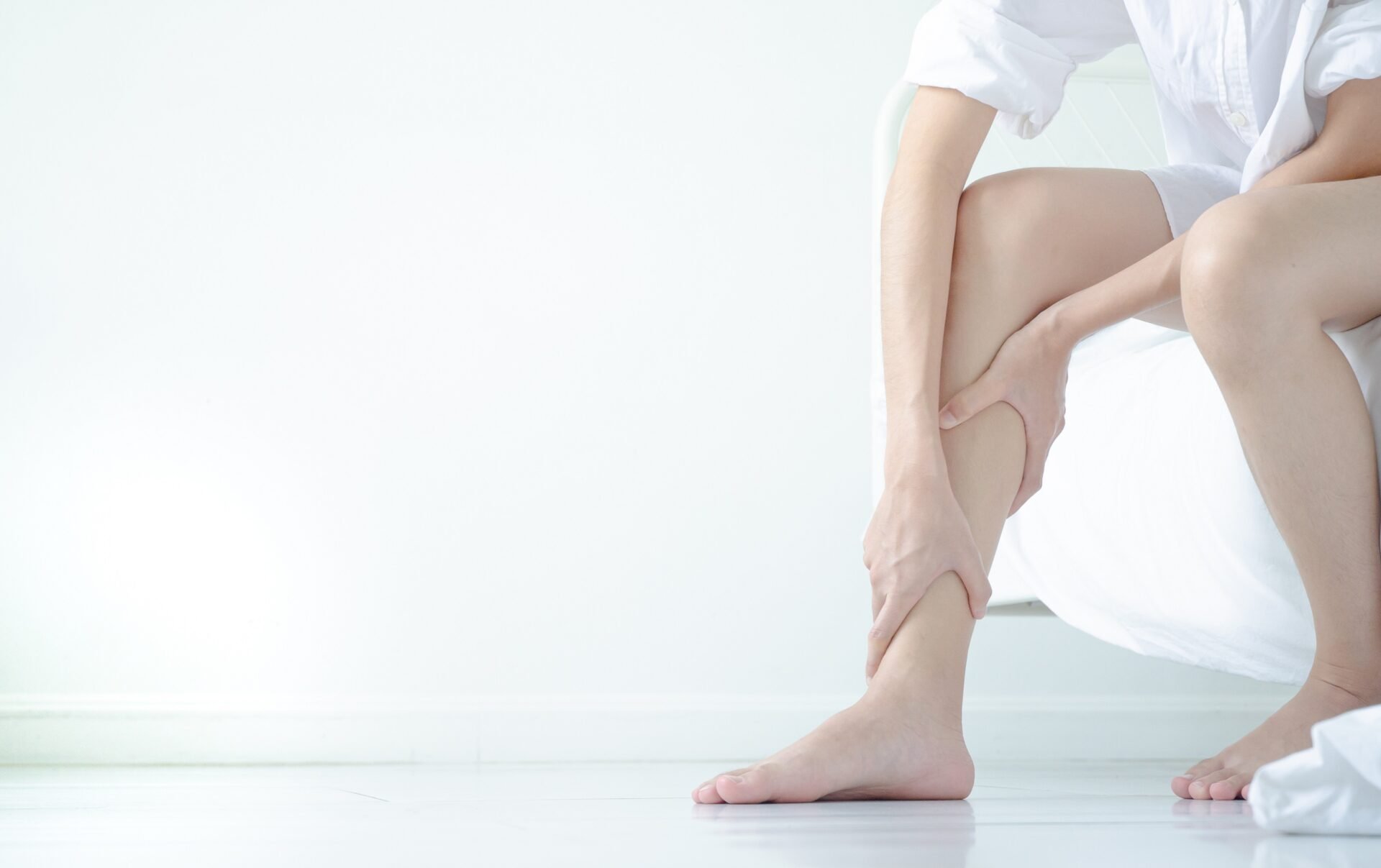
This is a condition that primarily affects women, though men are not spared. It is caused by deterioration of the vein walls, which leads to insufficient blood return to the heart. As a result, blood accumulates in the lower limbs, causing pain and heaviness. Symptoms vary but tend to worsen: heavy legs, spider veins, oedema, skin lesions, venous ulcers, wounds, and even phlebitis. In the case of heavy legs, symptoms include:
- Swelling of the legs
- Tingling and numbness (paraesthesia)
- Itching and redness
- Cramps
- Visible signs such as telangiectasias (broken capillaries), varicose veins, or even varicose ulcers.
Venous insufficiency can be congenital, but a sedentary lifestyle, hormonal fluctuations, heat and age can also contribute to it.
Pressotherapy can help relieve it: the sequential pressure of the equipment promotes venous return, meaning it helps blood flow back up towards the heart.
2- Lymphatic insufficiency
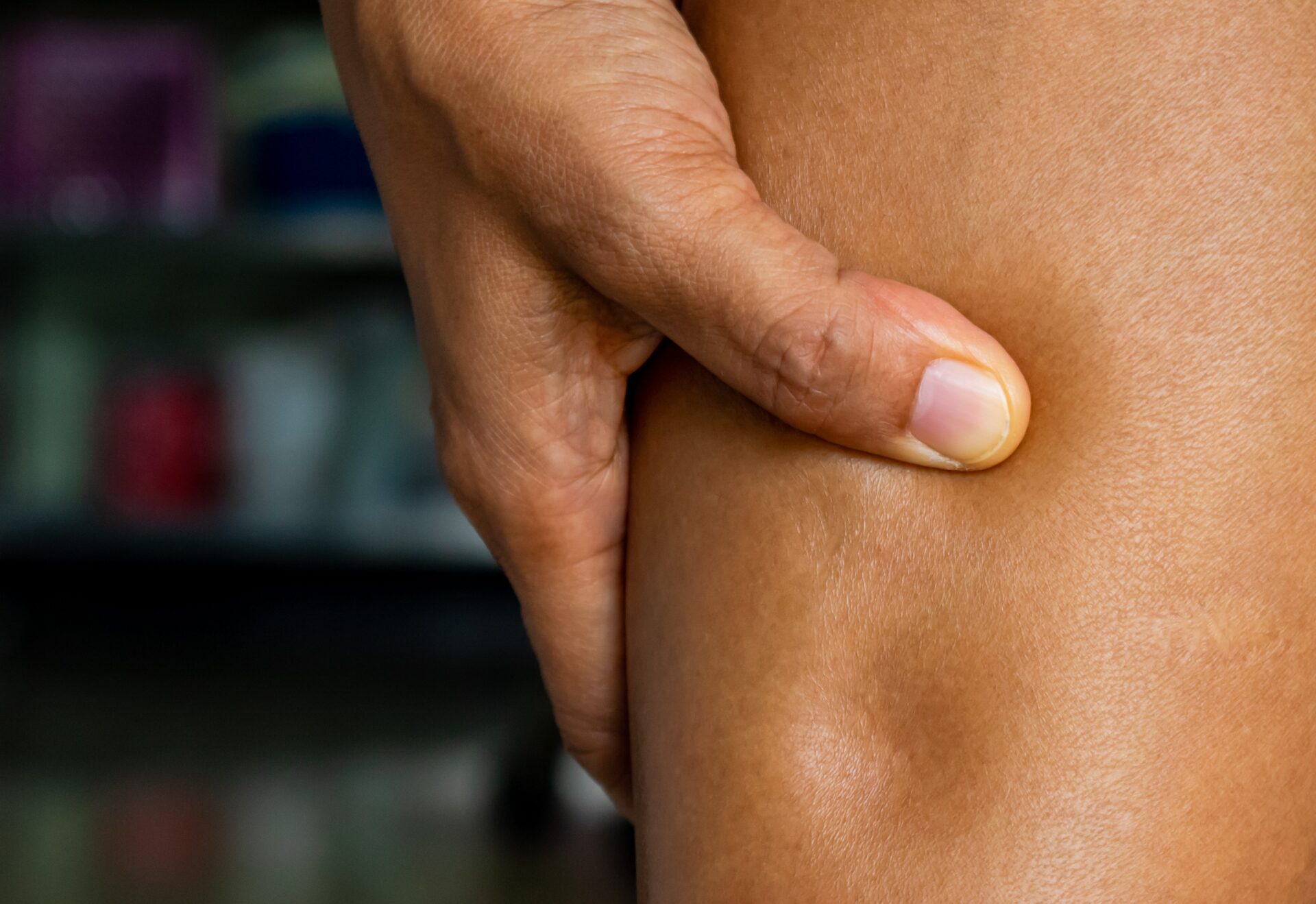
Alongside the venous network, which carries blood throughout the body, there is a second circuit of vessels: the lymphatic network. It transports lymph, a translucent fluid derived from blood plasma. Lymph plays an immune and “cleansing” role in the body, carrying organic waste (interstitial fluid, cellular debris, toxins…) to the lymph nodes for filtration. Unlike the venous network, which is driven by the heart, the lymphatic network has no pump to activate it. As a result, lymph flow can slow down — this is known as lymphatic insufficiency. It gives rise to symptoms such as swelling, temporary oedema, water retention, and even lymphoedema.
Pressotherapy is therefore designed to restart lymphatic flow. The compression and decompression massage stimulates not only lymph circulation, but also the lymph nodes, enabling them to carry out their “purification” work more effectively.
3- Post-exercise recovery
Physiotherapists and sports medicine practitioners are increasingly using pressotherapy to support recovery in athletes:
- Exercise generates, among other things, an excess of lactic acid in the body. It is the role of the lymph to eliminate it.
- Furthermore, muscle restoration relies on the supply of oxygen and nutrients via the bloodstream.
4- Addressing cellulite
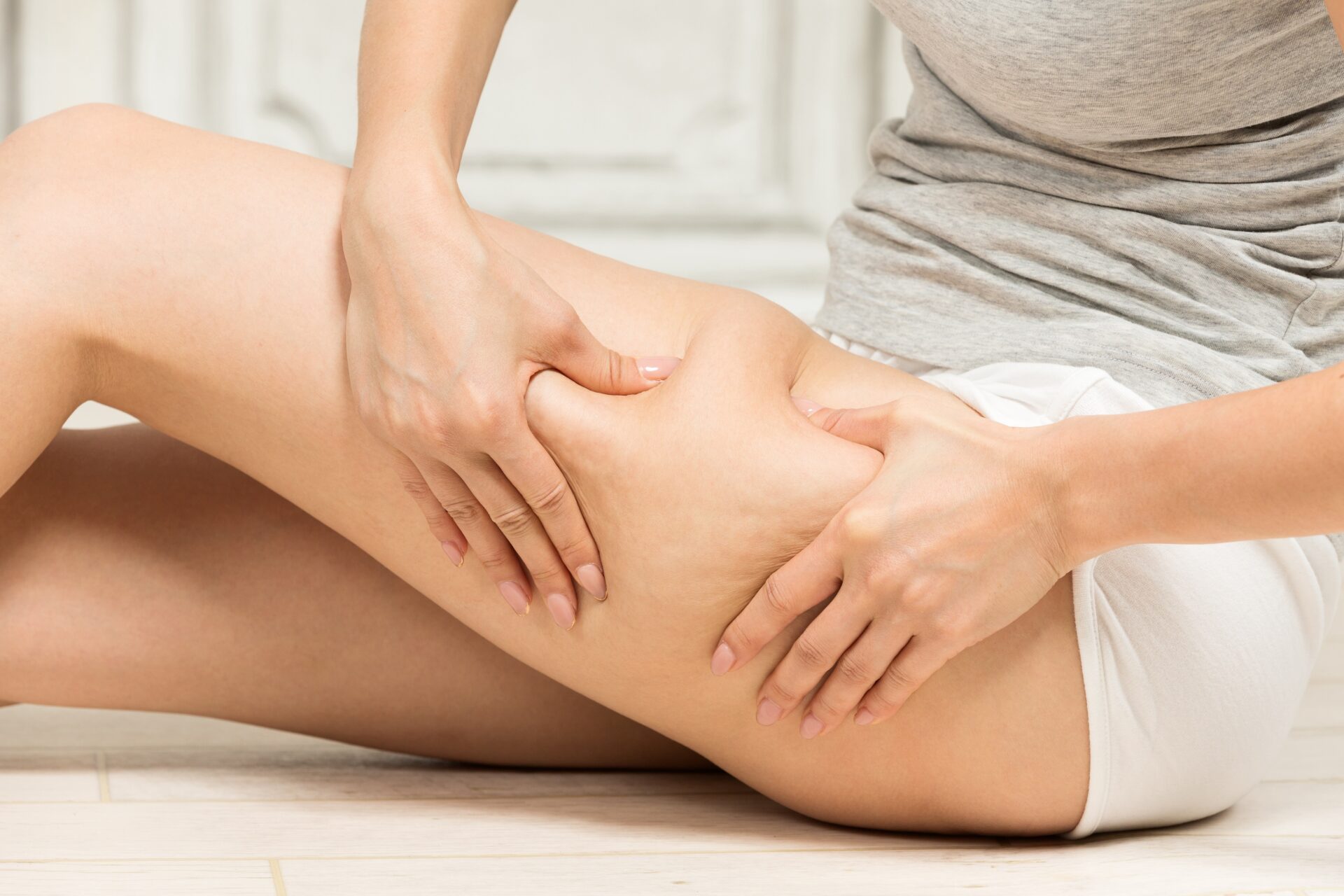
The final application of pressotherapy is reducing the appearance of cellulite. However, the technique is only effective on one specific type of cellulite, namely aqueous cellulite. This type is primarily caused by veno-lymphatic insufficiency, which explains its puffy appearance. It results from an excess of interstitial fluid (water retention) and toxins in the connective tissues. By restarting the circulation of vital fluids, pressotherapy helps decongest the tissues and thus reduce the swollen appearance of cellulite and the discomfort it sometimes causes (tightness, feelings of heaviness).
Who is pressotherapy for?
The technique is primarily intended for people suffering from venous and/or lymphatic insufficiency. This is why it is practised in a medical or paramedical setting: vascular medicine (angiology) or physiotherapy practices. In this specific context, sessions are prescribed by a doctor and therefore covered by the French national health insurance (Sécurité Sociale).
For sports recovery purposes, it is mainly practised in sports medicine clinics or administered by a physiotherapist. Coverage by health insurance is not guaranteed, especially if sessions are considered “comfort” treatments.
Finally, pressotherapy for aesthetic purposes is rarely covered, unless cellulite is deemed to have a significant impact on health — an extremely rare occurrence. In that case, pressotherapy sessions will take place in an aesthetic medicine clinic, or possibly in a beauty institute, provided of course that the staff are properly trained in lymphatic drainage techniques and use approved equipment.
What does a pressotherapy session involve?
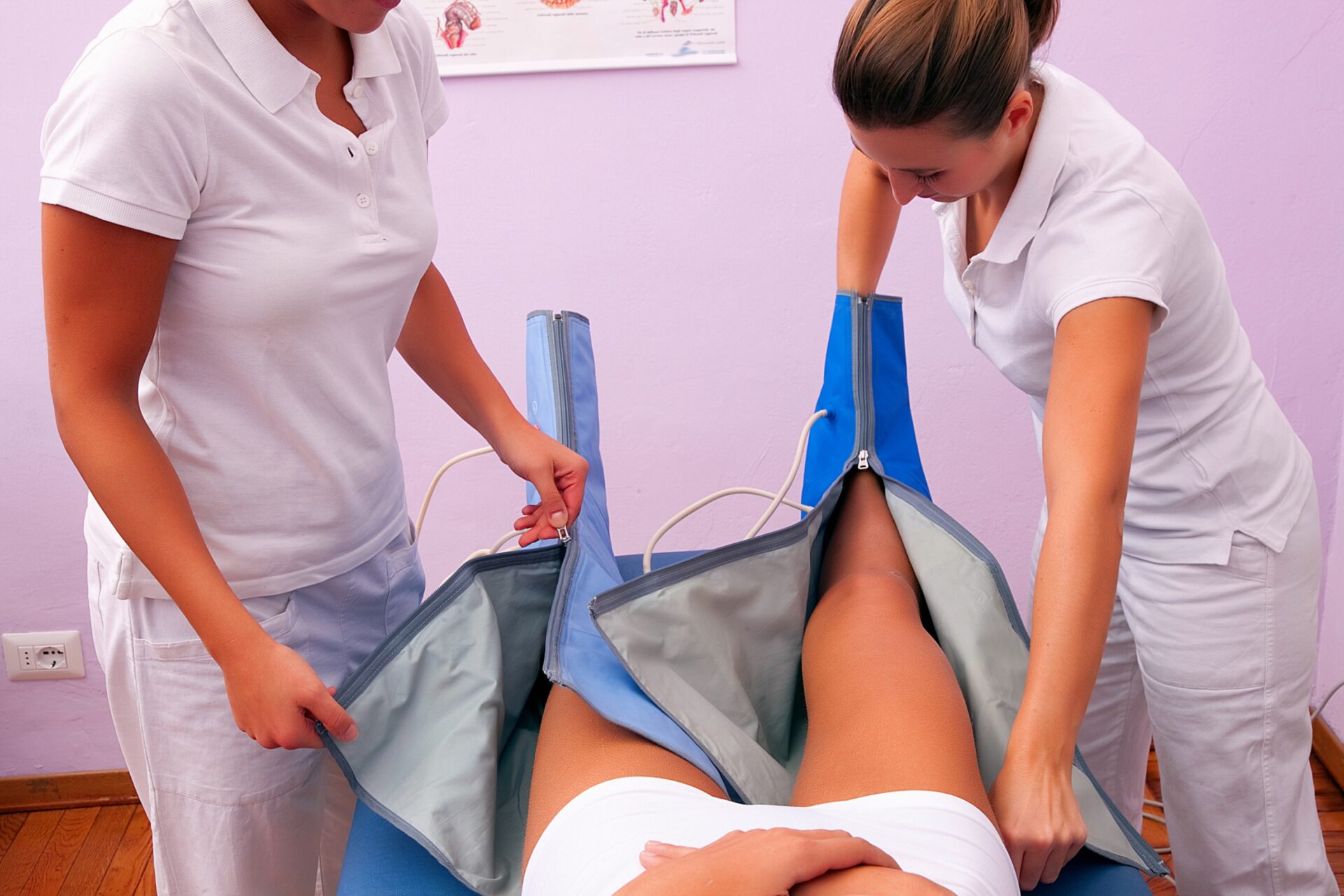
As a general rule, the areas to be treated are first coated with a cream or lotion. The limbs or waist are then placed inside the appropriate equipment — boots for the legs, sleeves for the arms, a belt for the abdominal area. The equipment is lined with independent pneumatic chambers connected to an air pump. Air is gradually propelled into the various chambers at a precisely defined rhythm, creating multiple pressure points on the area being treated. This massage gently restarts veno-lymphatic circulation. A session typically lasts between 15 and 30 minutes and is completely painless (quite the opposite, in fact!). It is worth noting that in cases of aqueous cellulite, water retention or venous insufficiency, a single session is rarely sufficient. Regular repetition of the protocol is needed not only to achieve good visible results (firmer skin, loss of centimetres) but also genuine comfort.
What are the contraindications for pressotherapy?
The technique is strongly contraindicated for:
- People with heart conditions
- People with respiratory insufficiency
- People suffering from renal insufficiency, diabetes, tumours, untreated hypertension, venous thrombosis or a confirmed risk of phlebitis
- Individuals with open wounds or abscesses
- Pregnant women — very low-pressure pressotherapy may however be tolerated in cases of heavy legs
- During menstruation
What about pressotherapy at home?
It is possible to purchase pressotherapy equipment and carry out sessions at home. That said, it is strongly advisable to carefully check the quality of the equipment:
- It must carry CE certification
- The pressure must be progressive and continuous
- It must offer different pumping programmes
- It must include the accessories you need: the connector, the connecting tube, and the necessary extensions depending on the areas to be treated