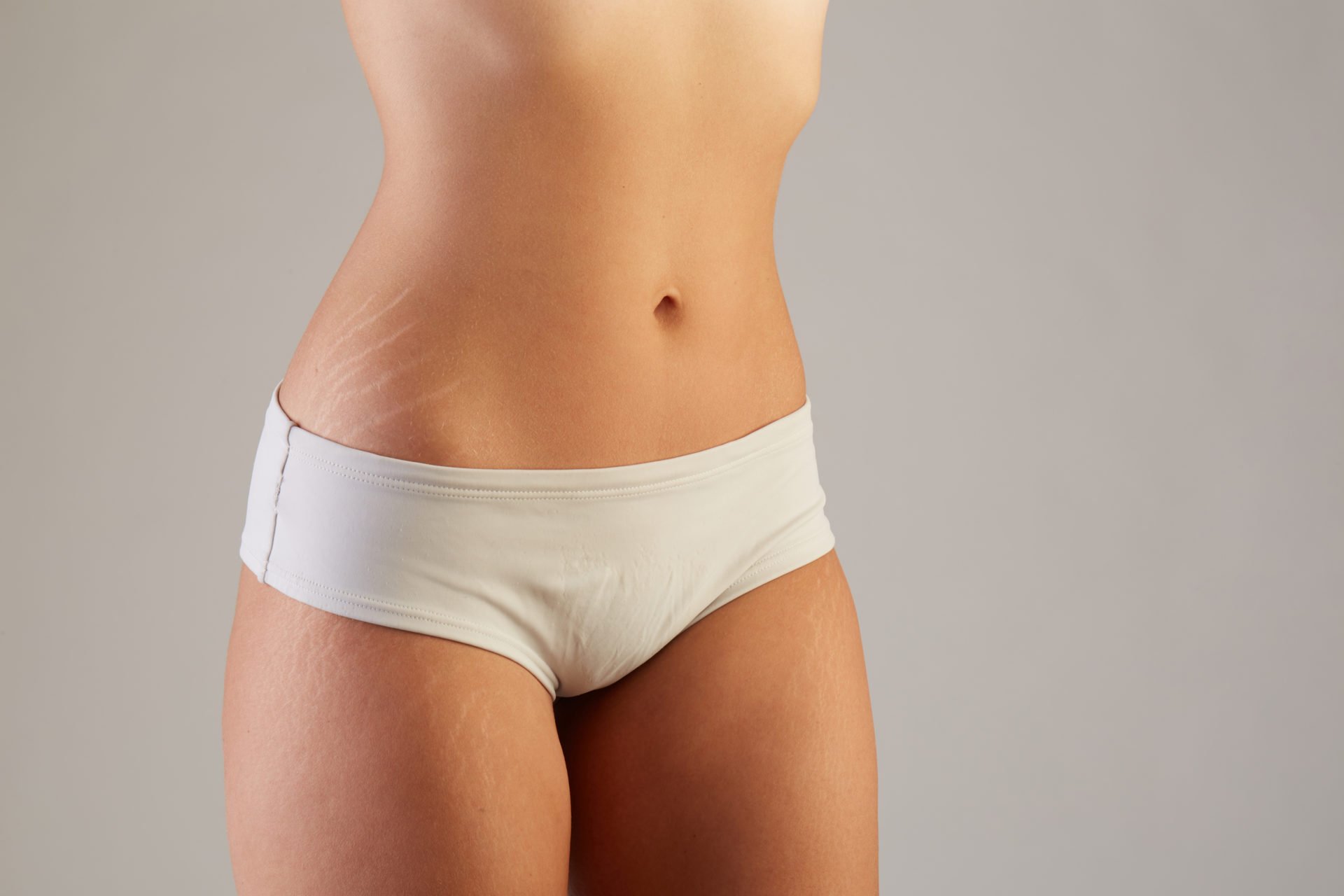
Like many people, you may be prone to stretch marks. Around 70% of women and 40% of men are affected. While some find them easy to live with, for others they can be a real source of insecurity. If you’re looking for ways to treat your stretch marks, here’s an overview of the different options available.
Sommaire
What causes stretch marks?
stretch marks are skin lesions caused by the rupture of the elastic fibres in the dermis. These collagen and elastin fibres break when the skin undergoes sudden, intense stretching. The most common circumstances in which stretch marks appear are as follows.
1- Puberty
Ah, adolescence! A time that can be challenging to navigate, given all the changes it brings — starting with physical ones: growth spurts and morphological shifts driven by sex hormones. Growth stretch marks, which affect both girls and boys, are caused by sudden skin distension as bones grow at a particularly rapid pace. These stretch marks typically appear on the back and limbs (calves, arms). Add to this the stretch marks triggered by morphological changes — particularly in girls who, once their periods begin, suddenly develop a fuller chest, wider hips and thighs.
2- Pregnancy
Pregnancy is one of the most common causes of stretch marks. It brings about intense physical changes in a woman’s body. The belly grows rounder month by month, placing considerable tension on the skin. Add hormonal fluctuations (oestrogen, progesterone, and cortisol) into the mix, and the result is clear: one in two pregnant women will develop fine lines across the skin of their abdomen. Pregnancy stretch marks typically appear in the final trimester, though some women notice them as early as the first few months, while others develop them postpartum. Worth noting: the belly is the most commonly affected area, but other parts of the body can also be prone, such as the breasts (which increase in volume), the thighs, hips and buttocks.
3- Weight
Rapid and significant weight fluctuations take a toll on the quality of the dermis. Subjected to sudden distension — especially when repeated, as with yo-yo dieting — the skin loses its firmness. During significant weight gain, the tension on the skin can become extreme and the elastic network may give way. The same applies during drastic dieting and major weight loss: skin that was previously under tension suddenly relaxes. The connective tissue, normally elastic, can rupture. The result: stretch marks.
4- Cortisol, the stress hormone
Cortisol is a hormone naturally produced by the body, involved in the synthesis of nutrients essential to its proper functioning. Produced by the adrenal cortex, cortisol — known as the “stress hormone” — plays a role in the body’s response to short-term stress by releasing sugar from the body’s reserves. However, its production can sometimes become dysregulated, leading to abnormally high blood cortisol levels. This occurs:
- In late pregnancy: a “normal” phenomenon in the female body, which can nonetheless cause significant stretch marks.
- In situations of chronic stress: cortisol production is abnormally elevated under the effect of sustained, intense stress. One consequence is skin deterioration, including dryness, itching, roughness, and the possible development of stretch marks.
- In the context of certain conditions, such as Cushing’s Syndrome: one of the hallmarks of this condition is the appearance of wide, purple stretch marks on the abdomen, back, chest and buttocks.
Elevated cortisol can have damaging effects on the body: muscle loss, weight gain, high blood pressure, osteoporosis and skin fragility, with the development of stretch marks.
5- Medication
Certain medications have adverse effects on the quality of the dermis. This is particularly true of cortisone-based treatments which, as the name suggests, influence blood cortisol levels. When taken long-term (as is the case for patients with chronic inflammation), they can trigger the appearance of stretch marks. Hormonal treatments (contraceptive pill, HRT) are also possible contributing factors to the development of stretch marks.
6- Muscle hypertrophy
Rapid and significant muscle gain can also cause stretch marks. Why? Simply because the skin undergoes considerable stretching and its elastic network may give way under the pressure of this distension. Elite athletes — particularly those who engage in muscle-building activities such as bodybuilding — are prone to stretch marks on the shoulders, arms, pectorals and back muscles. Stretch marks linked to muscle hypertrophy particularly affect men, whose “natural” muscle mass is greater than that of women.
Stretch mark treatment: anti-stretch mark creams
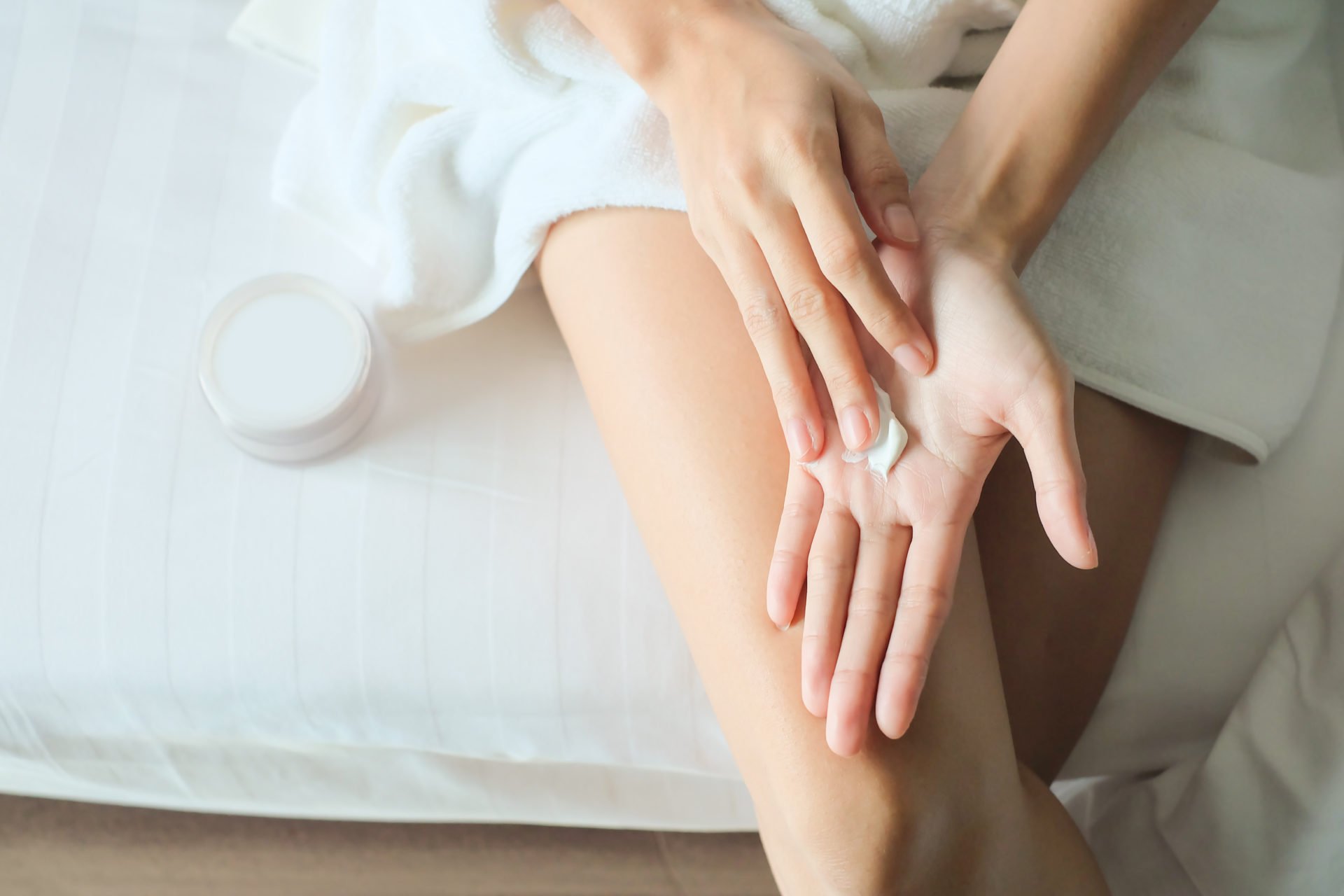
When it comes to treating your stretch marks, several options are available — starting with creams. To choose the right anti-stretch mark cream, it’s important to consider its key properties:
- It should compensate for skin fragility by providing maximum suppleness.
- It should nourish the dermis to strengthen its resilience.
- If the stretch marks are still inflammatory (and therefore coloured, ranging from pink to red to purple), a good cream should have a soothing and repairing effect.
- It should deeply hydrate, to prevent any skin dryness that would only worsen the cracked appearance of stretch marks.
It’s also important to look closely at the ingredients of an anti-stretch mark cream before committing to it.
- Creams rich in allantoin, hyaluronic acid and glycerin will act on skin hydration, as these ingredients work like “water magnets”. This helps prevent skin dryness, cracking and even the itching that sometimes accompanies stretch marks.
- Creams enriched with panthenol (provitamin B5), proline, glycolic acid or silicon will support collagen production to strengthen the dermis’s elastic network.
- Certain natural actives — such as (but not limited to) bisabolol (found in wild chamomile), asiaticoside (derived from plants like tiger grass), hypericin (St John’s wort) or faradiol (calendula) — have a particularly effective anti-inflammatory action on new stretch marks.
If you are pregnant, your anti-stretch mark cream must not contain any ingredients that could be harmful to your baby (as some components can be). Our Stretch Mark Cream, for example, is suitable for everyone, including during pregnancy and breastfeeding, as it is free from sensitising ingredients. Enriched with natural plant oils and botanical extracts, it respects the skin’s hydrolipidic film (protective action) and deeply nourishes the dermis (regenerating action).
Stretch mark treatment: anti-stretch mark oils

1- Natural plant oils
There’s something for everyone: if you prefer oils to creamy textures, you’re in luck! The choice is wide, as many natural plant oils are particularly beneficial for stretch marks, whether old or recent. Among them:
- sweet almond oil, a skincare staple, particularly effective for nourishing dry skin on a daily basis.
- jojoba oil, whose gadoleic acid content makes it an excellent choice for all skin concerns, including eczema, acne, sunburn, scars and stretch marks!
- macadamia oil, rich in vitamin E, which helps prevent skin deterioration and soothes inflammation.
- Argan oil, highly effective against oxidative stress that weakens fibroblasts — the subcutaneous cells responsible for producing collagen and elastin.
2- Oil macerates
Certain oil macerates also work wonders on stretch marks. An oil macerate is made by steeping a plant (a flower, herb or even a vegetable!) in oil for 20 to 30 days, allowing the plant’s active compounds to infuse into the oil and impart their properties. For treating stretch marks, some oil macerates are particularly effective: borage oil (anti-inflammatory), carrot oil (rich in vitamin A) and rosehip oil (regenerating).
3- Plant oil blends
Finally, blends of natural plant oils allow you to benefit from the combined properties of several oils in a single application. That’s exactly what our Stretch Mark Care Oil offers, combining 6 different oils in one formula! Easy to apply, it absorbs quickly into the skin. It helps treat and regenerate the dermis in depth, while protecting the epidermis. Its results on stretch marks are outstanding — 95% of people who have tried it are convinced of its effectiveness.

4- Essential oils
Certain EOs are excellent for treating stretch marks. Among them: spike lavender (anti-inflammatory), verbenone rosemary (healing), rosewood (regenerating), labdanum cistus (firming and repairing) and rose geranium. A word of caution, however: essential oils are not without risk and are not recommended for pregnant or breastfeeding women. Before using them, consult a doctor and/or pharmacist, who will be able to guide you.
Stretch mark treatment: other alternatives
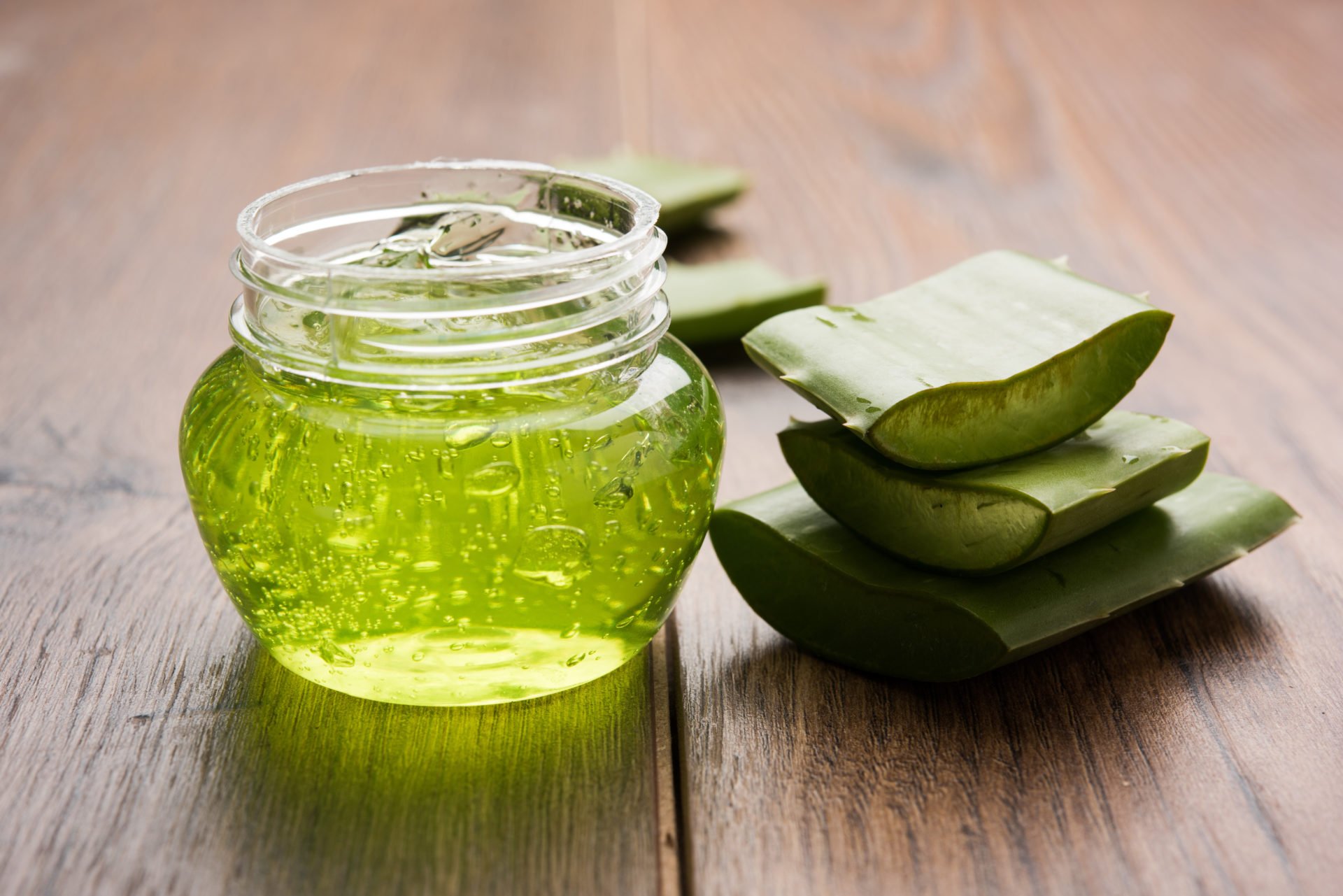
Among the other natural stretch mark treatments, it’s worth highlighting:
1- Aloe Vera gel
A natural moisturiser, the gel found in the leaves of Aloe Vera — that large cactus native to warm regions — contains over 80 nutrients that are highly beneficial for skin health, particularly when the skin is affected by stretch marks.
2- Plant butters
These are fatty substances that share the same properties as plant oils. They nourish the dermis, repair damaged skin, improve the elasticity of the epidermis and protect the skin from external aggressors. Using butters such as shea butter (nourishing and protective), cocoa butter (emollient) or mango butter (ideal for dry skin!) can effectively treat all types of stretch marks.
3- Scrubs
Gentle scrubs serve as the perfect first step in any skincare routine. They help remove dead skin cells, refine skin texture and boost microcirculation for a better-oxygenated dermis. They should be used a maximum of 2–3 times per week — beyond that, the skin becomes over-stimulated and the opposite effect is achieved. You can make a DIY scrub using fine sugar and a natural plant oil, or opt for a cosmetic exfoliant such as our Stretch Mark Scrub, gentle on the skin and specially formulated to minimise the appearance of stretch marks.

4- Massage
Massage promotes healthy tissue oxygenation and boosts microcirculation. The dermis receives the water, oxygen and minerals it needs to heal and regenerate. Daily massage of stretch marks helps stimulate collagen production. Among the best-known massage techniques are Jacquet pinches, which involve firmly pinching the skin between the thumb and index finger using the fingertips in small, vigorous movements. Dry brushing is another option — a massage performed on dry skin using a specific brush made from natural fibres (sisal, horsehair, loofah, tampico). This gentle body brushing stimulates blood circulation and improves skin suppleness. The recommended frequency is a daily 10-minute massage, always brushing towards the heart to optimise microcirculation.
5- Devices
It is now possible to purchase small at-home devices to treat stretch marks. Domestic anti-stretch mark devices primarily use two techniques: microdermabrasion or light therapy (LED). These medical devices are generally used for a range of skin concerns: acne treatment, reduction of wrinkles and hyperpigmentation spots, redness reduction and stretch marks. Their price typically ranges between €100 and €300. If you opt for an anti-stretch mark device, make sure to research it thoroughly beforehand, follow the instructions carefully (and consider discussing it with your doctor first), and test the device on a small area of skin (such as a discreet stretch mark) before using it more widely on your body.
Stretch mark treatment: medical alternatives
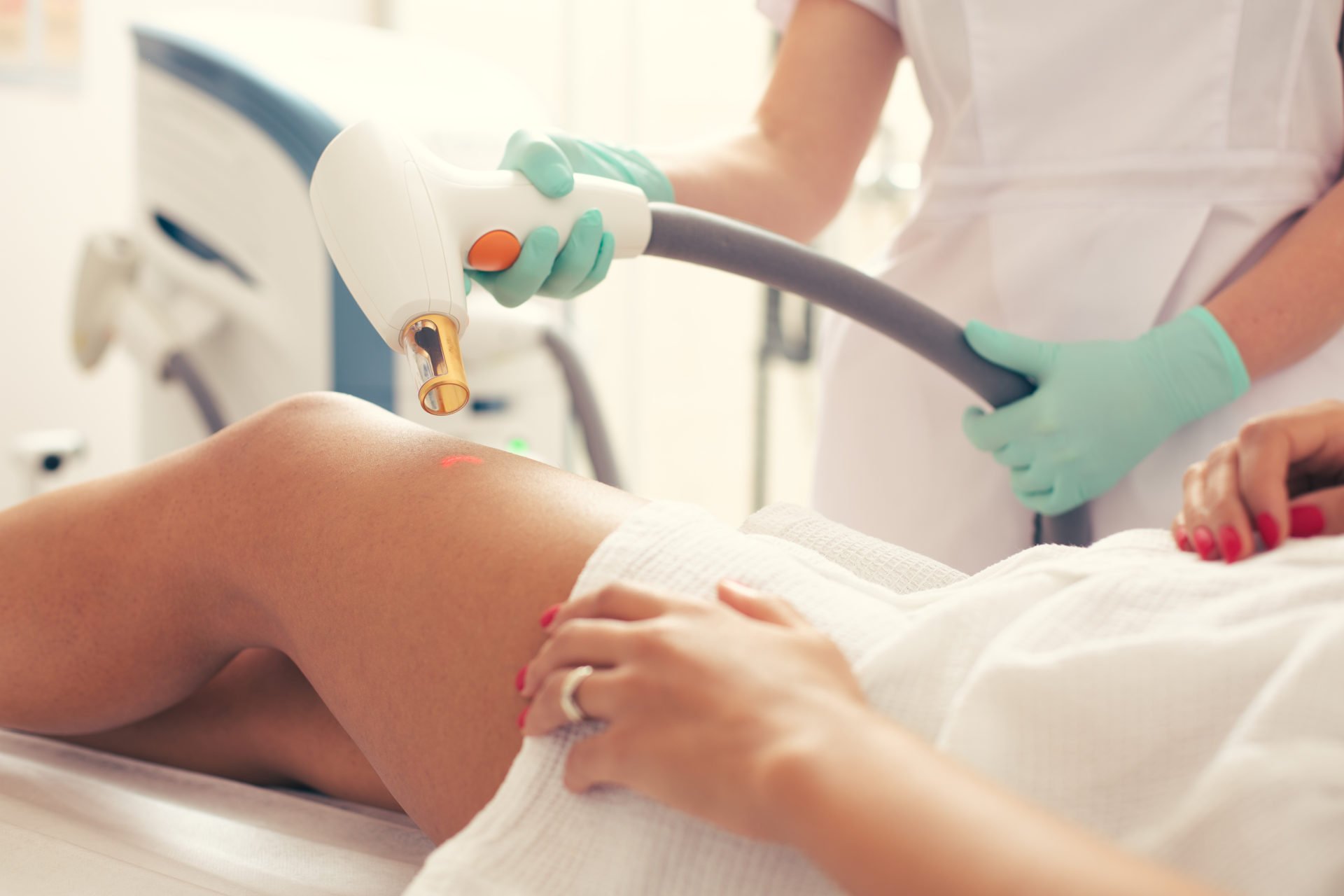
Finally, no discussion of stretch marks would be complete without mentioning the techniques developed by aesthetic medicine. These do not aim to “remove” stretch marks (which would mean removing skin itself), but rather to:
1- Stimulate collagen production
- Plasma injections: injections that stimulate the subcutaneous cells responsible for producing elastic fibres.
- Carboxytherapy: injections of sterile carbon dioxide gas, aimed at boosting microcirculation and cell renewal.
- Laser: there are various types of laser techniques. Some create artificial inflammation to stimulate collagen production, while others coagulate the blood responsible for the colouration of stretch marks.
- Micro-needling: a technique that involves creating micro-perforations in the dermis to encourage microcirculation and the skin’s regenerative process.
- Radiofrequency: a method that heats the deeper layers of the skin to stimulate the production of collagen and elastin, giving the skin a plumper, more youthful appearance.
- LED lamp: a non-invasive technique that, like radiofrequency, uses the heat generated by LED emissions to boost the production of elastic fibres.
2- Smoothing the epidermis
- Peeling and dermabrasion: peeling is a superficial and deep exfoliation technique used to smooth the indented appearance of existing stretch marks while stimulating the skin at a deeper level.
- Cosmetic and reconstructive surgery: a surgical procedure that removes the skin affected by stretch marks. It is only performed when the quantity of excess skin and its quality are deemed suitable.
Please note that these procedures, even when minimally or non-invasive, are not without risk. Any aesthetic medicine treatment requires careful consideration and may cause unwanted side effects.