What is the difference between cellulite and orange peel skin?

par
difference cellulite peau dorange

Cellulite, orange peel skin, dimples — to you, these three terms mean exactly the same thing and describe your sworn enemy! The one that adorns your thighs, buttocks and legs with unsightly little dips and bumps. Yet there is a difference between cellulite and orange peel skin. A few (technical) explanations are in order!

The different types of cellulite

Before drawing a distinction between cellulite and orange peel skin, it is important to understand what superficial lipodystrophy actually is — and above all, to identify its different types.

1- How does cellulite form?

La Cellulite, which affects the vast majority of women, is the result of an abnormal accumulation of fat, water and toxins in the deeper layers of the skin.

The adipocytes (fat cells in the hypodermis) store or release fat depending on the body’s energy needs. When calorie intake consistently exceeds energy expenditure, the body naturally builds up reserves. If this continues over time, adipocytes enlarge, become misshapen and may even multiply. This hypertrophy compresses the surrounding tissue and ultimately causes the skin to deform. It can be accompanied by water retention (fluid infiltrating the tissues) and fibrosis (stiffening of the skin’s elastic fibres).

2- Each type of cellulite has its own cause

différence-cellulite-peau-orange-type

These three phenomena are present to varying degrees depending on the type of cellulite involved. Specifically:

  • Adipose cellulite, soft, painless and more or less visible, is mainly caused by an excess of fat stored in subcutaneous fat cells;
  • Aqueous cellulite, painless and visible, characterised by a puffy and congested appearance, is primarily due to sluggish vein and lymphatic circulation, leading to a build-up of water and waste in the tissues;
  • Fibrous cellulite, hard, deeply embedded, very visible and painful, stems directly from fibrosis.

3- The different stages of cellulite

To fully understand cellulite and how it differs from orange peel skin, it is also worth looking at its different stages of progression:

  • The first stage, or mild cellulite, is characterised by the absence of dimples or any visible change in the skin’s appearance, whether lying down, standing or when pinched;
  • The second stage, or light cellulite, is marked by a very slight change in the appearance of the skin, but only when it is pinched;
  • The third stage, or moderate cellulite, describes the point at which cellulite is visible to the naked eye, without needing to pinch the skin;
  • The final stage, or severe cellulite, corresponds to a clearly dimpled skin texture, regardless of body position and without any manipulation.

How to tell the difference between cellulite and orange peel skin?

peau-d-orange-cellulite

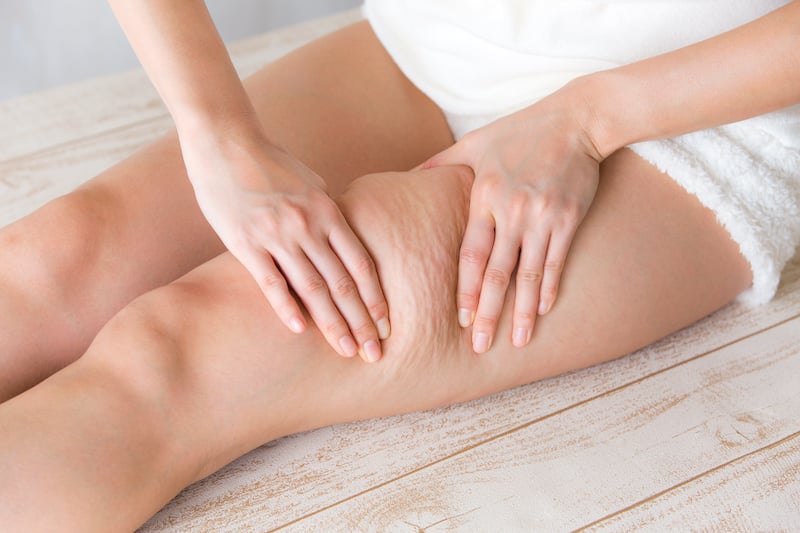
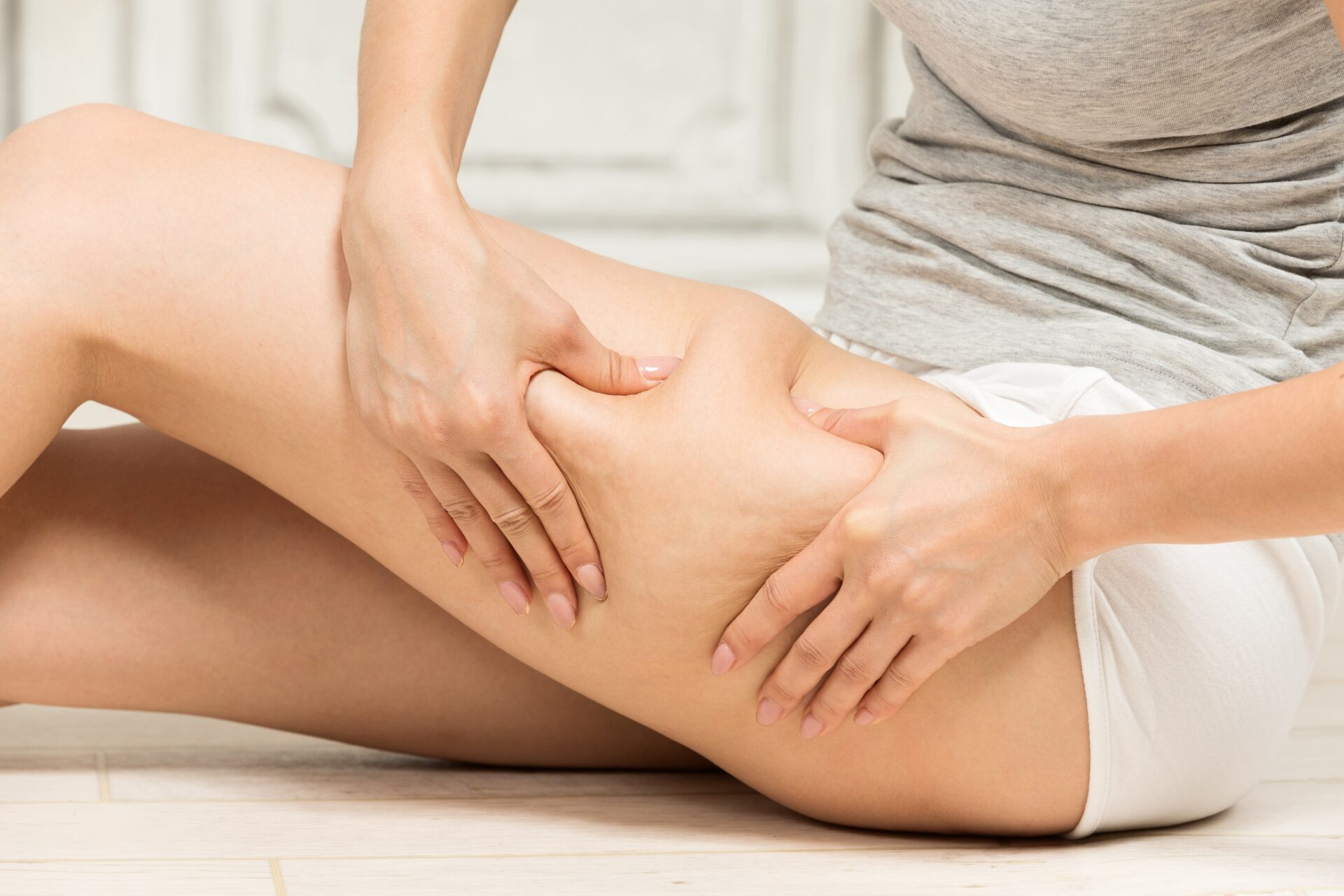
Now that you know all about the different types of cellulite, let’s talk terminology. Cellulite refers to the overall phenomenon combining adipocyte hypertrophy, water and toxin retention and, in some cases, fibrosis. Orange peel skin, on the other hand, refers to the bumpy texture the skin takes on when cellulite has reached a moderate or advanced stage.

It is therefore possible to have cellulite without displaying orange peel skin: this is the case for someone with mild cellulite, or a woman with purely aqueous cellulite (who will tend to have a puffy-looking skin rather than a dimpled one). The reverse, however, is not true: orange peel skin always means cellulite is present!

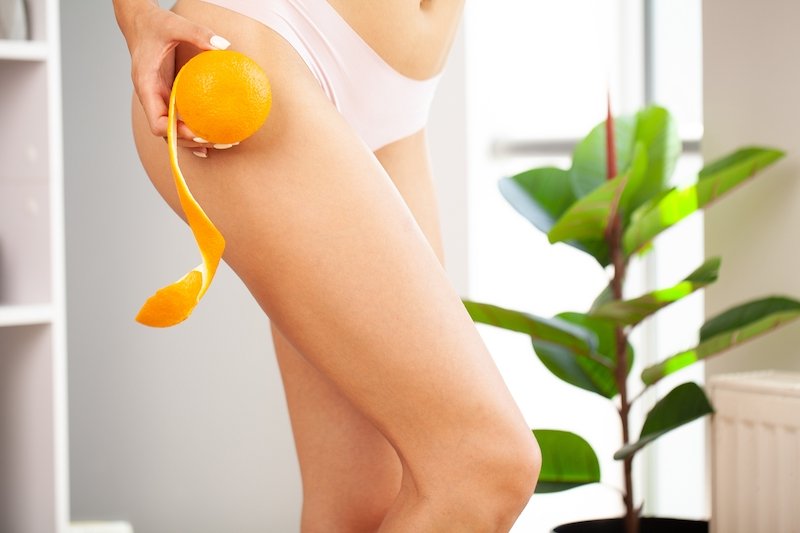
What about dimples? They refer more specifically to localised fatty deposits that create the “orange peel” effect on the skin, made up of dips and bumps. Originally, the word “capiton” (the French term) referred to the compartmentalised padding of an upholstered piece — like an armchair or a mattress.

How to get rid of cellulite and orange peel skin?

cellulite-accessoire-cuisses

It is worth knowing that cellulite is a perfectly normal phenomenon, as women are naturally predisposed to it. This is down to our biology as women, “programmed” to store fat in preparation for a potential pregnancy and, as a result, subject to a fluctuating hormonal cycle.

That said, there are ways to limit the damage and noticeably improve the appearance of your skin. But the effort must be consistent! To get there, it is essential to:

  • Adopt a healthy diet, cutting out processed foods, saturated fats, excess salt and sugary foods, and favouring wholesome, natural ingredients and home-cooked meals;
  • Maintain daily physical activity and a regular exercise routine;
  • Stay well hydrated with water or draining drinks (such as our Day Drainers and Night Drainers);
  • Avoid harmful substances such as alcohol and tobacco;
  • Support your vein and lymphatic circulation by avoiding heat sources, tight clothing and prolonged static positions;
  • Consult your doctor if you experience significant hormonal fluctuations with associated symptoms (unexplained weight gain or loss, acne, hot flushes, decreased libido, significant water retention…).

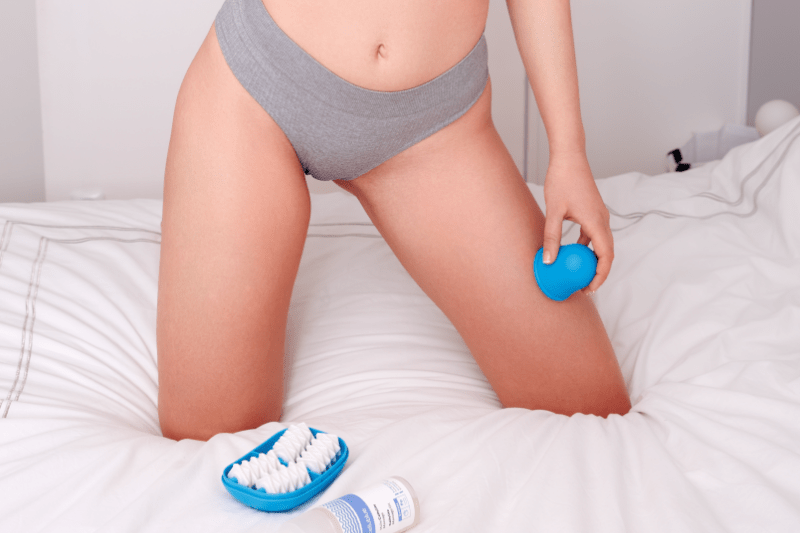
Alongside this healthy lifestyle, it is highly recommended to incorporate daily anti-cellulite massages. Indeed, lymphatic drainage (especially for aqueous cellulite) and palpate-roll massage are effective ways to slow the progression of cellulite and, above all, to prevent the orange peel effect. And for that, nothing beats our massage accessories:

These accessories should be used on skin that has been pre-oiled — try our Anti-Cellulite Oil, whose lightweight texture is ideal for massage!

Related articles

Useful categories : All About Cellulite.

0
0