Among superfoods, one is constantly described as a ‘nutritional powerhouse’: spirulina. Often praised by athletes for its protein content, it’s also frequently credited with antioxidant properties. But what does it actually contain, and what can you expect from it when it comes to cellulite? Let’s take a closer look at this blue-green microalgae, with no false promises.
What is spirulina?
Spirulina (its scientific name being Arthrospira platensis) is a cyanobacterium, sometimes called blue algae. Before becoming the ‘superfood’ we know today, it was a traditional food of the Kanembu people, who harvest it from the shores of Lake Chad. Indeed, spirulina develops in warm, brackish and shallow waters. It also has a long history in the food industry: first used in livestock feed, it was later employed as a food colouring, thanks to phycocyanin, the blue pigment that gives it its colour. In the 2000s it began to gain popularity: it was used in some programmes tackling malnutrition, for its protein, vitamin and mineral content. Spirulina was gradually introduced to consumers as a food supplement and achieved great success.
What does spirulina contain?
To find out what you can expect from a food, the simplest way is to look at its composition.
Dried spirulina is around 60% protein, which is a high proportion, including the so-called essential amino acids, meaning those the body cannot produce. Keep the quantities in mind, though: you only eat a few grams a day, which provides very little protein compared with a portion of fish, eggs or pulses. So it doesn’t replace your usual protein sources, whether you’re an athlete, a vegetarian or a vegan.
Spirulina also contains vitamins:
- provitamin A (beta-carotene), an orange pigment;
- B vitamins, with an important caveat: most of the cobalamin it contains is in a form the body can’t use, so it’s no substitute for the supplements recommended for vegans;
- vitamin E;
- vitamin K.
Finally, the algae contains minerals, such as iron, magnesium, manganese, phosphorus, selenium, copper, zinc, chromium and potassium, in amounts that vary depending on how it’s grown. At a few grams a day, these contributions remain modest, and no health claims are authorised in Europe for spirulina itself. All of these nutrients can also be found in a varied diet, which remains the foundation. For the habits that really matter for your skin, read our dedicated tips.
Can spirulina help with cellulite?
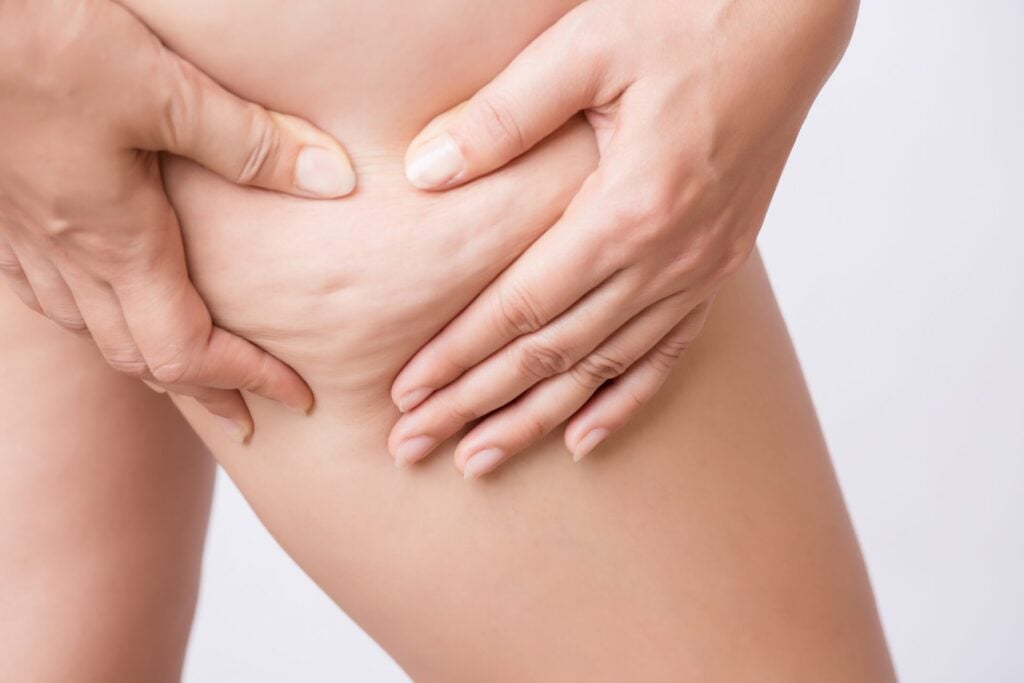
Spirulina often crops up in anti-cellulite advice. Yet no single food can act on dimpling by itself: cellulite depends on many factors, including hormones, genetics, skin structure and lifestyle. Here’s what you’ll often hear about spirulina, and what to make of it.
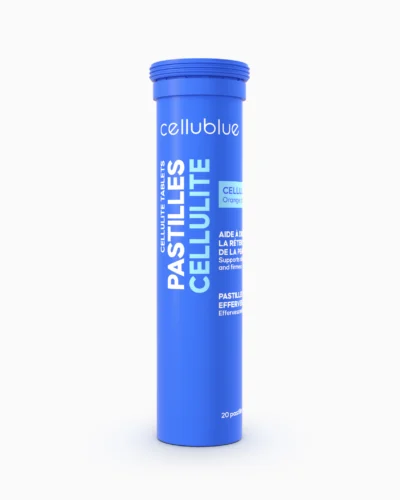 -10%
-10%Vitamins and plants, all in a glass of water
- Vitamin A contributes to the maintenance of normal skin, and vitamin E helps protect your cells from oxidative stress
- Nettle and artichoke complete the formula
- Vitamin C helps reduce tiredness, and selenium contributes to the maintenance of normal hair and nails
‘It traps sugars and fats’: you’ll often read that spirulina limits fat storage, lowers cholesterol or curbs appetite, notably thanks to the chromium it contains. None of these claims has been demonstrated for spirulina, and it has no effect on your weight. To look after your figure, the basics remain a varied diet, portions suited to your appetite and regular physical activity.
‘It detoxifies’: spirulina is a bio-accumulator, which means it can capture whatever is in the water it’s grown in, including any heavy metals. That’s exactly why you need to choose your product carefully, not a reason to credit it with an effect on the body: your liver and kidneys clear waste from the body without any need for a detox programme. Likewise, its magnesium and potassium content doesn’t give it any effect on water retention or aqueous cellulite. If your legs swell, speak to your GP.
‘It makes your skin look better’: spirulina contains antioxidants, but it has no demonstrated effect on skin ageing, collagen or fibrous cellulite. For your skin, sun protection, moisturising and skincare remain the steps that matter.
‘It acts on blood vessels’: the vitamin K it contains plays a role in blood clotting. That doesn’t make blood circulation any more fluid. Above all, it’s a reason for caution, as spirulina isn’t recommended for people taking anticoagulant medication.
‘It curbs hunger and builds muscle’: known for its protein, spirulina features on many lists of appetite suppressants. But in the amounts eaten, it provides far too little protein to have any bearing on appetite or muscle. What counts is physical activity and varied meals throughout the day.
In short, spirulina can have a place in a varied diet if you like the taste. However, it’s no substitute for physical activity, a skincare routine or advice from a healthcare professional.
How to consume spirulina?
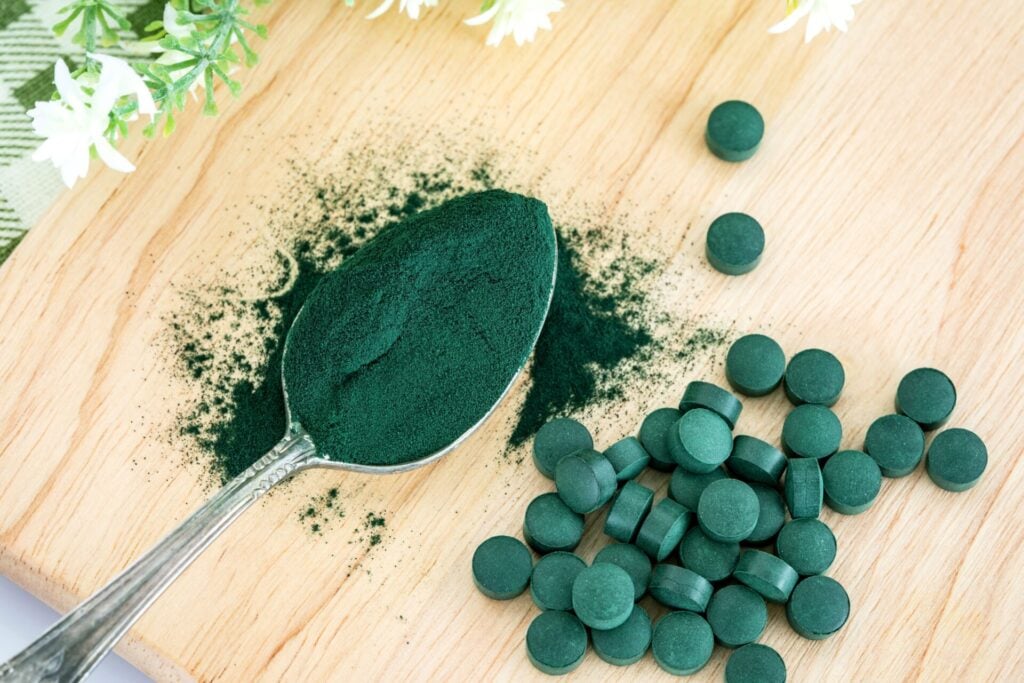
First, you need to consider the product quality, as you can find anything on the internet. Because it absorbs whatever is in the water it’s grown in, spirulina can be contaminated with heavy metals, toxins produced by other microalgae or bacteria. Opt for a product that clearly states its origin and testing, preferably organic, urea-free and cultivated in France, bought from a reliable source such as a pharmacy, a specialist shop or an identified producer.
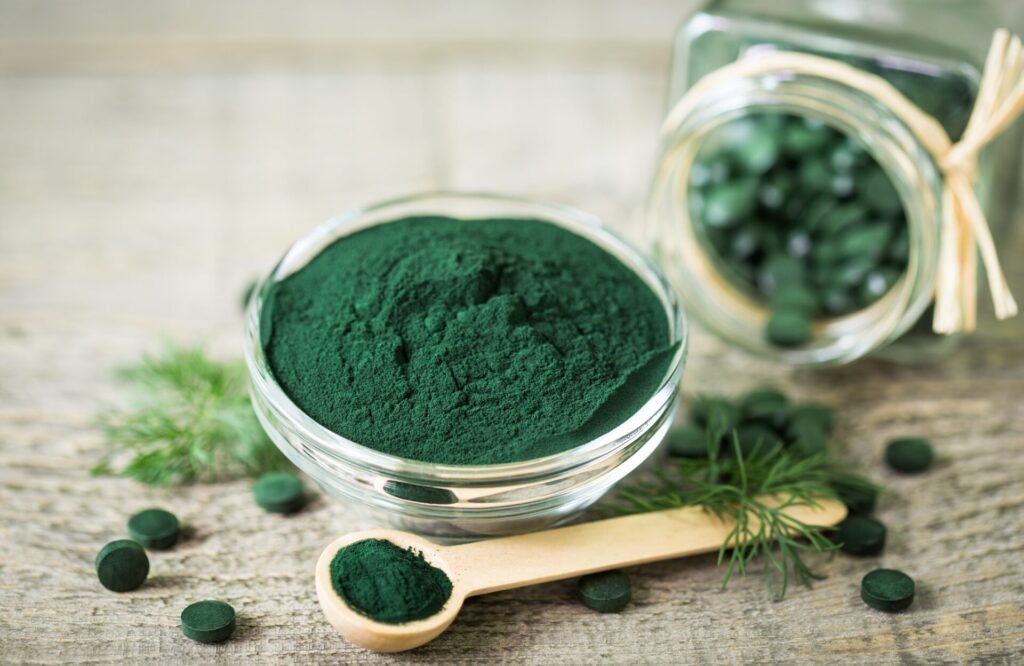
Next, the question of form arises. You can find spirulina in powder or flake form, to add to your meals. But for those who don’t like its flavour (it tastes of seaweed), it can be taken as a food supplement, in capsules or tablets.
As for quantity, always stick to the dose stated on the packaging; the general advice is not to exceed 3 g per day. It’s best to start gently, with 1 g per day the first week, then increase gradually if it agrees with you. Manufacturers often recommend taking it in courses of 3 weeks to one month, with breaks in between.
Lastly, there are some contraindications. People on anticoagulant medication, those with a heart condition, and those with haemochromatosis, gout, phenylketonuria or an algae allergy, as well as children, should not consume it. As a precaution, avoid it during pregnancy and breastfeeding too. If in doubt, or if you’re on medication, ask your GP or pharmacist. And if you experience digestive upset, headaches or a skin reaction, stop taking it and speak to a healthcare professional.
Related articles
- Grape Pomace & Cellulite: What You Need to Know
- 6 food tips and cellulite: eating well without dieting
Useful categories: Anti-Cellulite Diet, Anti-Cellulite Solutions.
To go further, explore the Cellublue shop: our body care products and our anti-cellulite products.

The scrub that leaves skin smooth and skin texture refined*
*User test on 21 volunteers over 4 weeks, based on participants' feedback.
- Olive & apricot kernels: these natural grains gently sweep away dead skin cells
- Caffeine & monoi scent, so your shower instantly smells like a holiday
- In the shower, two to three times a week, massaging your thighs, bottom and stomach


The cupping tool that replicates pinching and rolling, 3 minutes per zone
- The professionals' technique, at home: you lift, glide, and release, and the tool grips the skin fold like a manual pinching and rolling
- Soft silicone that fits thighs, buttocks, stomach, and arms
- 3 minutes per zone, every day, always with a massage oil so the tool glides