Women’s magazines, bloggers, TV shows, girls’ nights out… Slimming and anti-cellulite tips are everywhere! It can be hard to know what to make of it all — and what’s actually good for you. To help you cut through the noise, we’ve put together a list of tips you’ve probably heard time and time again, but should definitely stop following.
Discover 7 myths it’s time to leave behind!
Drinking lots of water isn’t enough to lose weight
We’ve all come across this one: drinking more than 1.5L of water a day is supposed to help you slim down and banish cellulite. Well, hate to break it to you, but water has never made anyone lose weight or magically smoothed away dimples! Drinking a litre more each day won’t bring back your figure. That said, water is absolutely essential for your health! Aim to drink at least 1.5L every day. Staying well hydrated contributes to your body’s proper functioning.
Should you cut out all fats? No!
If you’re thinking about the saturated fats found in fast-food burgers or doughnuts, then yes — it’s best to keep those to a minimum. But your body actually needs healthy fats every single day. These are known as “unsaturated” fats, and replacing saturated fats with unsaturated fats in your diet contributes to maintaining normal blood cholesterol levels. You’ll find them in oily fish, avocados, nuts, olive oil and more.
Starchy foods are not your enemy
Time to let go of this one! Starchy foods have their place in a balanced diet: they give you the energy you need to get through the day. That said, limit “refined” starchy foods, which offer little more than starch (white pasta, white bread, white rice…). Opt for wholegrain alternatives instead. They’re richer in fibre.
Low-fat products aren’t necessarily a good idea
It’s tempting to reach for the “light” aisle at the supermarket — we get it! Who wouldn’t want a zero-calorie yoghurt, a diet dessert or a ready meal labelled “light”? But it’s worth taking a closer look at the labels before you buy. You’ll quickly notice that a product can be low in fat while containing three times more sugar than the standard version. And when consumed in excess, sugar contributes to weight gain.
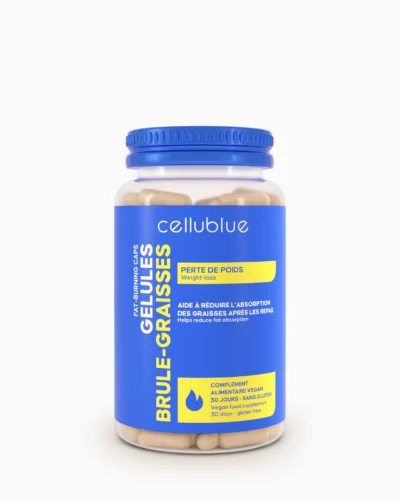 -16%
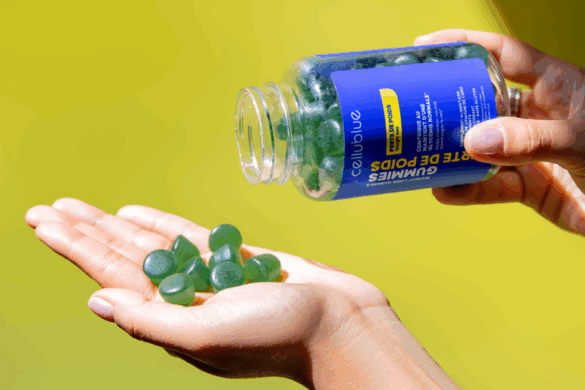
-16%Capsules made with chromium, which contributes to normal macronutrient metabolism
- Chromium contributes to normal macronutrient metabolism, meaning the sugars, fats and proteins in your meals
- It also contributes to the maintenance of normal blood glucose levels
- Dandelion, burdock and artichoke complete the formula
Low-calorie diets are not the solution
Drastically cutting your daily calorie intake may help you lose weight, but it won’t have any real impact on your cellulite. You can be slim and still have dimples — weight is far from the only factor at play! What’s more, with a low-calorie diet, you risk losing muscle along with fat. But the biggest concern is the yo-yo effect: the moment you return to your normal eating habits, the weight is likely to creep back on. It’s better to focus on a balanced diet for the long term, with the help of a healthcare professional if needed. Forget quick-fix diets!
Fruit, yes, but in moderation
Many people assume, wrongly, that fruit can be eaten without limits when watching your figure. While reaching for fruit is certainly better than reaching for chocolate, it’s still worth keeping an eye on how much you’re having. Fruit contains natural sugars, and eating a lot of it can also upset your digestion. So keep it sensible — around 3 pieces of fruit a day, with vegetables making up the rest of your plate.
Skipping dinner isn’t a good idea
When trying to lose weight, you might come across advice suggesting you skip dinner on the basis that your body stores fat overnight. But that’s simply not true! Your body needs energy to get through until the next morning. On top of that, skipping a meal mainly means arriving ravenous at your next meal or snacking during the evening. So ditch that advice and opt for a light, balanced evening meal instead!
Key takeaways
Rather than following strict rules, go for a varied diet: vegetables at every meal, wholegrain starchy foods, protein, good fats and water throughout the day. When it comes to cellulite, no single food does the job on its own. What you eat is just one part of your overall lifestyle, alongside physical activity and massage. And if your weight is something you’d like to work on, a GP or dietitian can help you find a pace that suits you.
To care for your skin when dealing with cellulite, there’s a trio worth knowing about: a healthy diet, regular physical activity and cupping massage with your CelluBlue Cups. You can also discover the food supplements in our anti-cellulite range, such as the Cellulite Capsules and our drink.
Related articles
- Winter foods: what to put on your plate this season
- Chia seeds: composition, uses and recipe ideas
- Butter: easy alternatives for everyday cooking
Useful categories: Slimming Nutrition.

The cupping tool that replicates pinching and rolling, 3 minutes per zone
- The professionals' technique, at home: you lift, glide, and release, and the tool grips the skin fold like a manual pinching and rolling
- Soft silicone that fits thighs, buttocks, stomach, and arms
- 3 minutes per zone, every day, always with a massage oil so the tool glides

The scrub that leaves skin smooth and skin texture refined*
*User test on 21 volunteers over 4 weeks, based on participants' feedback.
- Olive & apricot kernels: these natural grains gently sweep away dead skin cells
- Caffeine & monoi scent, so your shower instantly smells like a holiday
- In the shower, two to three times a week, massaging your thighs, bottom and stomach