Curious about how to approach the look of cellulite? Exercise and massage remain the cornerstones of an anti-cellulite routine, but what you put on your plate also counts towards a balanced lifestyle. High in water, fibre, potassium or vitamins, certain vegetables often come up in advice about orange-peel skin. Discover our top 7, what they contain, ideas for adding them to your meals and where they fit into an all-round routine.
Why are some vegetables called ‘anti-cellulite’?
Not all vegetables share the same make-up, and some crop up again and again in advice about orange-peel skin.
So-called ‘anti-cellulite’ vegetables are often those that are:
- high in water;
- high in fibre, a hallmark of a balanced diet;
- high in potassium, a mineral found in many plant foods;
- high in antioxidants, such as vitamin C.
This is why these vegetables so often feature in tips for a so-called anti-cellulite diet.
The 7 vegetables most often mentioned
Onion
Onion has its place in a balanced diet: it livens up all sorts of dishes and adds flavour without adding fat. In short, it lets you cook light without sacrificing taste!
Raw in a salad, lightly sautéed in a pan or added to a slow-cooked dish, onion is incredibly easy to incorporate into your daily meals.
Leek
Rich in potassium and very low in sodium, leek is above all a winter vegetable that’s easy to cook, whether in soups, braised or in a gratin.
Steam it to preserve its minerals, then simply finish with a squeeze of lemon and turmeric.
Cucumber
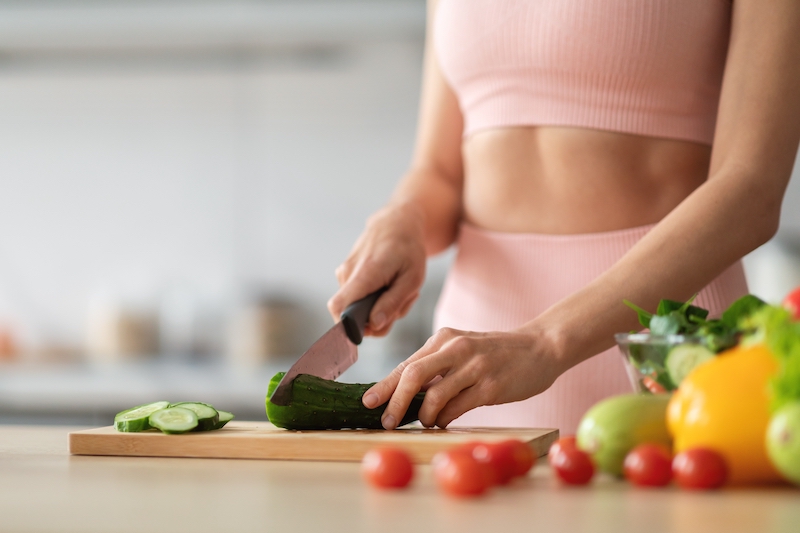
Made up of over 95% water, cucumber is one of the most water-rich vegetables around. It also contains silicon and sulphur. Fresh and light, it’s perfect in a salad or tzatziki, or simply sliced with a squeeze of lemon and a few fresh herbs.
Cabbage
Cauliflower, red cabbage, Brussels sprouts… Cabbage ticks all the boxes! It is high in fibre and contains iron, zinc, magnesium, calcium, vitamin C… And on top of all that, it is low in calories!

The cupping tool that replicates pinching and rolling, 3 minutes per zone
- The professionals' technique, at home: you lift, glide, and release, and the tool grips the skin fold like a manual pinching and rolling
- Soft silicone that fits thighs, buttocks, stomach, and arms
- 3 minutes per zone, every day, always with a massage oil so the tool glides
Bell pepper
Whatever colour you choose, bell pepper is one of the vegetables richest in vitamin C, a nutrient involved in collagen production. Raw as crudités, roasted in the oven or in a ratatouille, it brings a splash of colour to any plate.
Aubergine
Aubergine is valued for its pectin, a natural fibre, and its potassium content. Low in calories when it isn’t fried, it lends itself to all kinds of recipes, from aubergine dip to gratin.
Avoid frying it, as it soaks up oil. Opt for oven-roasting or steaming instead to keep its fibres intact, without adding unnecessary fat.
Celery
Celery is easy to recognise by its slight bitterness, which comes from certain compounds it contains. Above all, it’s crunchy and easy to snack on raw as sticks, or to add to a soup or vegetable stock.
At a glance: the vegetables to remember
To help you plan your meals, here are the 7 vegetables in our top list and what sets each one apart:
- onion, easy to eat raw or cooked;
- leek, rich in potassium and very low in sodium;
- cucumber, very high in water;
- cabbage, high in fibre and low in calories;
- bell pepper, one of the vegetables richest in vitamin C;
- aubergine, a source of pectin;
- celery, recognisable by its slight bitterness.
The simplest way to make the most of what they offer is to mix them up throughout the week.
How to add these vegetables to your meals
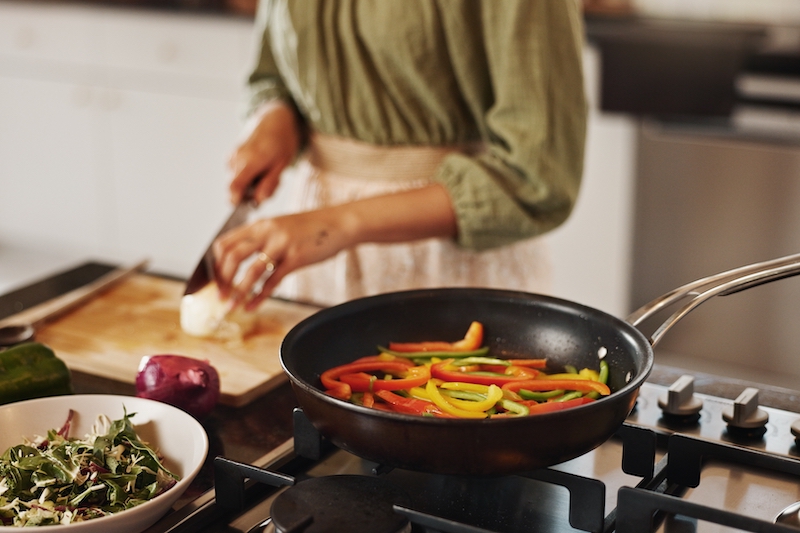
To make the most of these so-called anti-cellulite vegetables, the best approach is simply to include them regularly in your meals.
For example:
- in mixed salads
- in homemade soups
- in stir-fried vegetable dishes
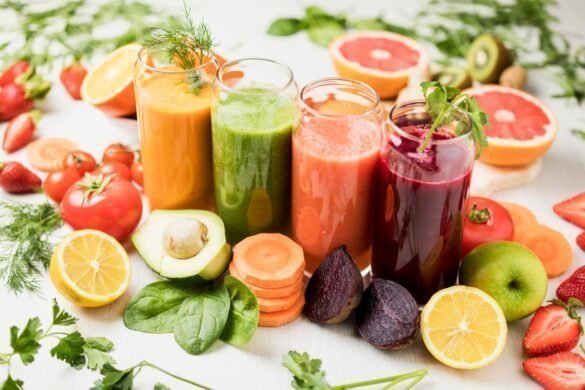
- or in savoury smoothies.
Pairing these vegetables with other fibre- or antioxidant-rich foods, such as certain fruits, is also a great way to add variety to your diet.
Are vegetables enough to tackle cellulite?
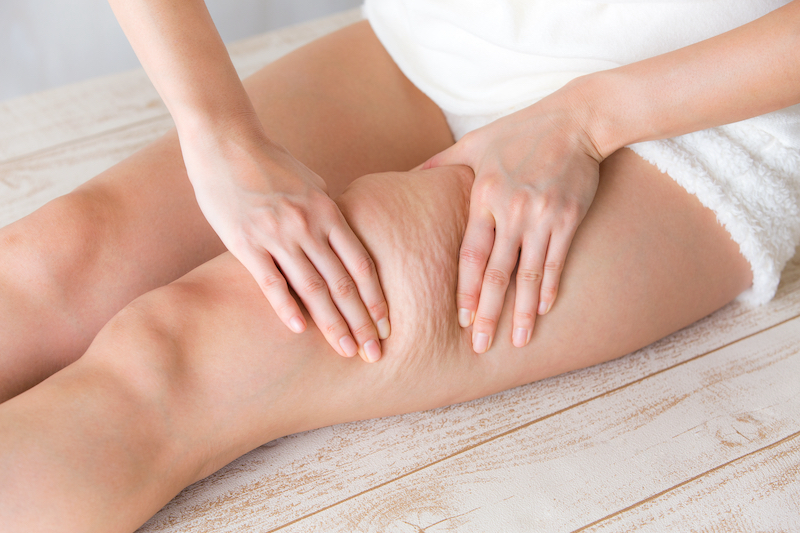
Diet is part of a balanced lifestyle, but no single food makes cellulite disappear. The orange-peel look depends on several interconnected factors:
- Water retention that causes tissues to swell.
- Blood and lymphatic circulation which, when sluggish, promotes congestion.
- Fat storage within adipose cells.
- Tissue structure which loses elasticity over time.
When it comes to orange-peel skin, an all-round approach is best: a varied everyday diet that includes these vegetables, alongside regular physical activity to tone the muscles.
Finally, palpate-roll massage, for example with an anti-cellulite cupping cup, is a complementary step to target the look of cellulite on the areas concerned. It’s this routine, combining a varied diet, movement and massage, that we recommend day to day.
Related articles
- September fruits and vegetables: the best seasonal produce
- July fruits and vegetables: what you need to know
- The best seasonal fruits and vegetables of November
Useful categories: Anti-Cellulite Diet.

The scrub that leaves skin smooth and skin texture refined*
*User test on 21 volunteers over 4 weeks, based on participants' feedback.
- Olive & apricot kernels: these natural grains gently sweep away dead skin cells
- Caffeine & monoi scent, so your shower instantly smells like a holiday
- In the shower, two to three times a week, massaging your thighs, bottom and stomach