Lymphatic drainage and pressotherapy are often weighed against each other, but the two don’t come with the same practical demands. This comparison will help you choose based on your profile, your budget and what you’re hoping to get out of them.
Two methods, two different approaches
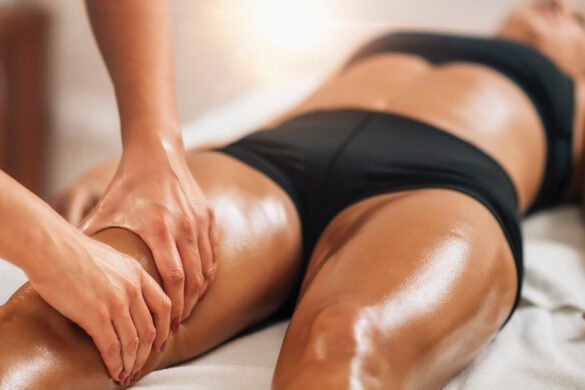
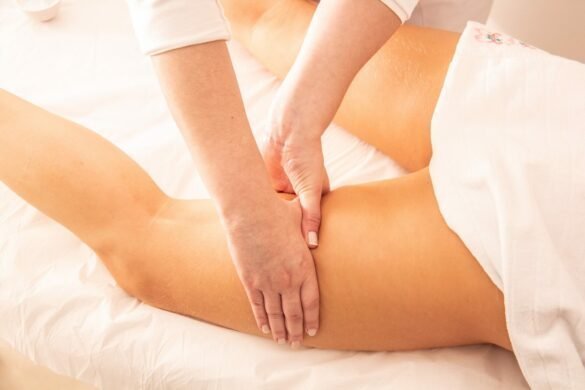
The manual method is a gentle massage, performed manually by a physiotherapist or a trained beauty therapist: light pressure and slow movements, usually from the legs upwards.
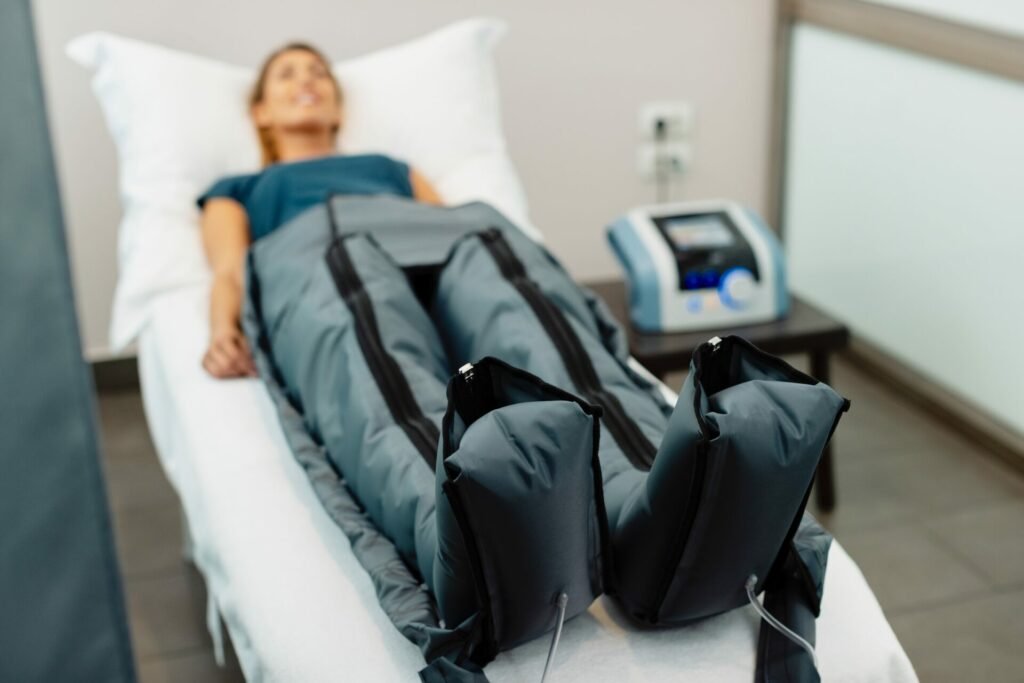
Pressotherapy is carried out with a machine: inflatable boots or sleeves apply pressure to the legs in sequence, in a salon or clinic. A session requires less hands-on involvement from a practitioner, but you do need access to the machine.
Whichever you choose, speak to your GP first if you have a venous problem or a long-term condition, or if you are pregnant.
When this comparison really helps
The point of this comparison is to see which method you can realistically keep up for several weeks, without expecting a dramatic effect from the very first session.
Take stock before you start
The right choice has less to do with which method ranks higher in theory than with your time, budget and access, and above all with whether you can stick to a routine over several weeks. The most useful thing is to look at what you notice over time: whether it changes over the day, across your cycle, over several weeks or depending on the method used.
- How much time you have each week to follow the method consistently.
- A budget you can live with, so you don’t give up too quickly.
- Practical access to the equipment and how easy it is to organise.
- Which option feels most comfortable to follow regularly.
A four-step framework
This framework helps you compare like-for-like weeks, keep track of changes you notice and get a clearer idea of what suits you best.
- Step 1: first identify your main constraint: time, cost, access or the kind of sensation you prefer.
- Step 2: stick with one main method for at least four weeks.
- Step 3: note how you feel, your comfort and how regularly you keep it up under comparable conditions.
- Step 4: only then combine methods, and only if there is a genuine need.
At every step, track things the same way and at the same frequency, so you can tell a passing impression from a more lasting feeling.
Your action plan for the first few weeks
The idea isn’t to do everything at once. It’s about choosing a realistic order of steps, then sticking with that framework long enough to see what really helps.
- Combine your chosen method with walking, staying hydrated and spending less time sitting down.
- Stick to a realistic frequency rather than one spectacular but one-off try.
- Note how you feel at the end of the day and over several days, not just straight after a session.
- Tie your choice in with the lymphatic drainage guide and the water retention guide so your approach stays consistent.
Pressotherapy and cellulite: how to approach it
If cellulite is one of your concerns, go into pressotherapy without expecting a dramatic transformation. Judge it on simple criteria: how comfortable the sessions feel, how well you tolerate them and how often you can realistically keep them up over several weeks.

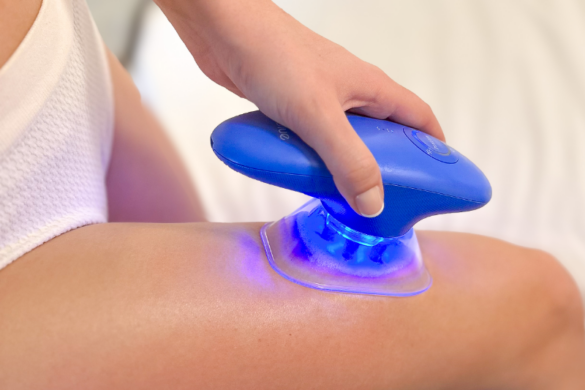
The cupping tool that replicates pinching and rolling, 3 minutes per zone
- The professionals' technique, at home: you lift, glide, and release, and the tool grips the skin fold like a manual pinching and rolling
- Soft silicone that fits thighs, buttocks, stomach, and arms
- 3 minutes per zone, every day, always with a massage oil so the tool glides
If cost or access to sessions is your main constraint, an at-home routine with anti-cellulite products may be easier to keep up week after week.
What you can do this week
If you want to turn what you’ve read into a concrete plan, keep it minimal: one main goal, two or three realistic time slots, a single thing to track and a quick review at the end of the week. Keeping it this simple stops you overthinking it.
- Pick just one question to settle this week, not three at once.
- Check in at the same frequency so you don’t see differences that aren’t really there.
- Note what genuinely helps you stick with it, rather than relying on how motivated you feel that day.
- At the end of the week, decide whether to carry on with the same routine or try a different approach that suits you better.
How to tell if you’re on the right track
When your choice is clearly defined, you get a clearer picture of how comfortable your legs feel, how puffy they feel and how consistently you actually stick to the method. The sign to look for isn’t a dramatic transformation. It’s a routine that’s clearer, easier to tolerate and easier to keep up from one week to the next.
- One main goal, measured against comparable criteria.
- A routine you actually follow, rather than one you merely plan.
- Less wavering between conflicting methods.
- A clearer idea of what to explore next, depending on your needs.
Common mistakes to avoid
- Choosing based on trends rather than your real constraints.
- Piling up one-off sessions with no basic routine behind them.
- Comparing weeks that aren’t comparable because of your cycle, hot weather or sleep.
- Stopping too soon, before you’ve given it long enough to judge.
Choose based on your situation, not at random
This comparison is most useful when you read it alongside the right guide: Lymphatic drainage guide: benefits, limits and routine for the overall picture, Water retention guide: causes, diagnosis and solutions if puffiness is your main concern, and Heavy legs guide: causes, relief and circulation routine if you want to explore the feeling of heaviness in more detail.
Frequently asked questions
Which one suits you best?
There’s no one-size-fits-all answer. The best one is whichever helps you feel more comfortable while being genuinely manageable for you.
Can you do both from the start?
This is generally not the best starting point, because you quickly lose sight of which method suits you best.
What should you judge the method on?
On comfort, the frequency you actually keep up and how you feel over several weeks.
Guides to read next
These guides let you go further, with a more complete or more structured take, depending on the question you still have.
- Lymphatic drainage guide: benefits, limits and routine
- Water retention guide: causes, diagnosis and solutions
- Heavy legs guide: causes, relief and circulation routine
- Anti-cellulite techniques guide: comparison, cost and effectiveness
Related articles
These articles add a more practical or more comparative angle, depending on what you want to clarify next.
- Water retention or fat: how to tell what’s really causing the swelling
- 21-day anti-cellulite routine: the complete plan
- Stress, cortisol and abdominal cellulite: what’s the real link?


Comments (0)