Stretch MarksStretch Mark SolutionsStretch Mark Care Using shea butter on stretch marks: is it a good option?

Using shea butter on stretch marks: is it a good option?

par
beurre-karité-vergetures

You’ve probably already heard of shea butter — the plant-based butter used by African women to care for their skin and their babies’. Moisturising, protective and regenerating, it’s an essential in natural beauty. But how effective is shea butter on stretch marks? A closer look at Shea Butter, a treasure from Africa.

What is shea butter?

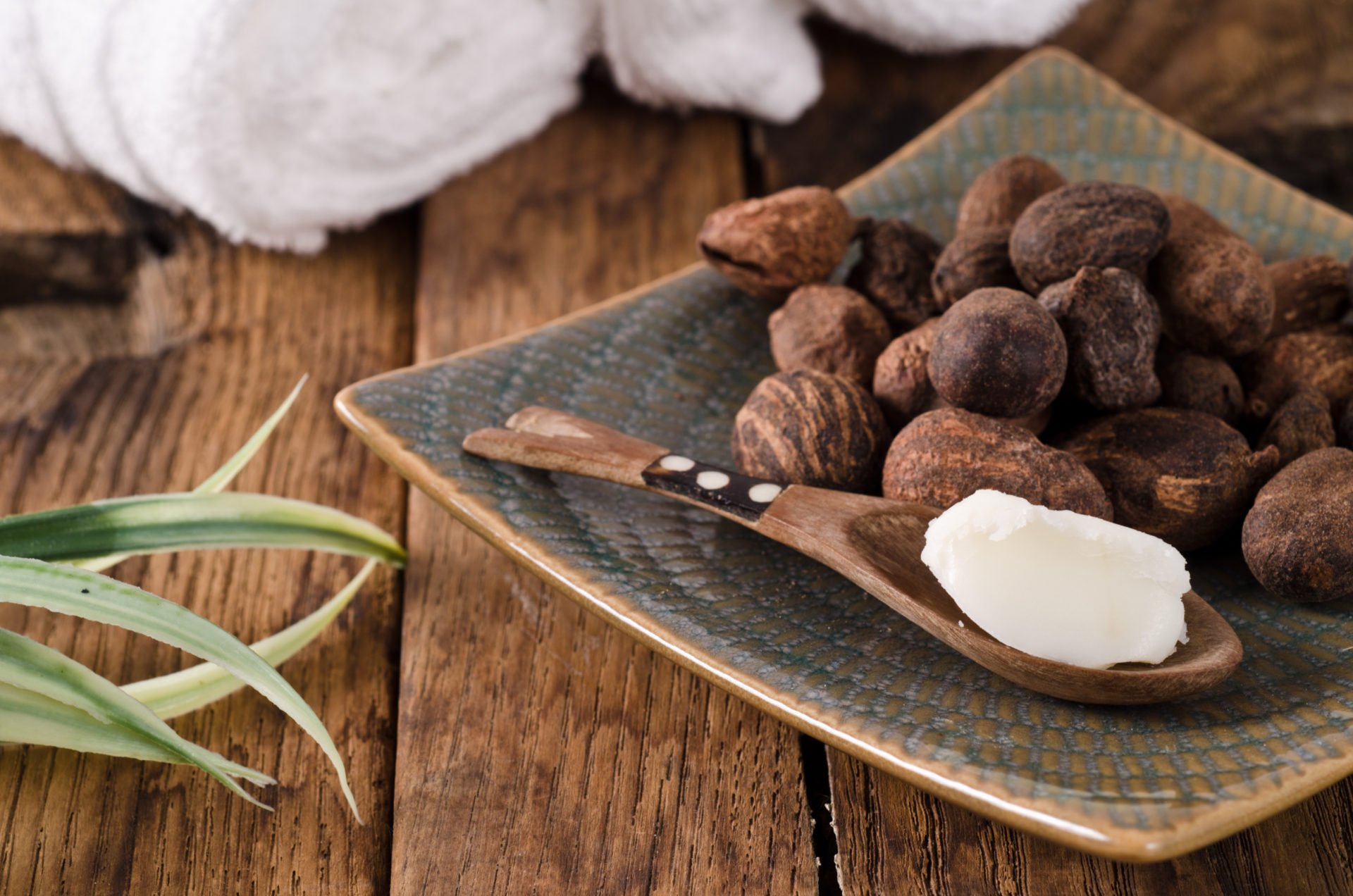
Shea butter is a fatty substance extracted from the fruit of the shea tree, which grows mainly in Africa. Traditionally, shea fruits are harvested and stripped of their pulp, revealing a nut that contains a kernel. It is this kernel that is pressed, after being dried, crushed, ground and churned. Needless to say, the traditional production of shea butter is a long and complex process! Today, the extraction process has been simplified through industrial methods. There are two:

  • Cold-press extraction: the kernels are crushed in a press at low temperature. The resulting shea butter is of excellent quality, as this technique preserves the active compounds.
  • Solvent extraction: the kernels are crushed, then a solvent is added to recover all of the shea butter contained in the nuts. It is a cost-effective method, but the solvent used will compromise the quality of the butter.

Before choosing your shea butter, read the ingredient list carefully and make sure it is raw, unrefined, extracted by cold press (just like all your vegetable oils!) and ideally organic and fair trade. You’ll then be able to fully enjoy the incredible benefits of shea butter.

Is shea butter effective against stretch marks?

soin-beurre-karité-vergetures

The composition of shea butter makes it an ideal ingredient for the prevention and treatment of stretch marks. Why? Because this plant-based butter is rich in fatty acids that are highly beneficial for the skin.

Oleic acid

This is an omega-9, naturally produced by our bodies and particularly present in the skin’s hydrolipidic film. Oleic acid helps maintain the firmness and suppleness of the epidermis and soothes dry skin by protecting and nourishing it. It has also been shown that oleic acid can repair and heal damaged skin. Shea butter contains a significant amount of it (up to 60%) — meaning it works wonders on inflammatory stretch marks, whether they are red or purple.

Stearic acid

A saturated fatty acid that proves excellent for the skin. Stearic acid is often used in cosmetics as a texturising agent — it thickens creams and balms. But it also has nourishing, protective (film-forming) and emollient properties. Applied daily, it helps to plump the skin. It is therefore ideal for repairing older stretch marks, which are often deep and pronounced.

Linoleic acid

This is an essential omega-6 fatty acid, meaning it is not produced by our bodies. It helps restore the skin’s protective barrier while nourishing it deeply. It also stimulates cell renewal — which is particularly relevant given that stretch marks are caused by the rupture of the skin’s elastic fibres, which are produced by cells (the famous fibroblasts!). The linoleic acid in shea butter therefore boosts collagen and elastin production in the dermis, helping to repair skin damage — including scars and stretch marks!

Alpha-linolenic acid

This omega-3 is essential to healthy skin, as it helps prevent and soothe inflammatory conditions. It is also widely used in the pharmaceutical field to treat inflammatory conditions such as eczema and psoriasis. This essential fatty acid works wonders on new stretch marks and helps calm the skin inflammation caused by the rupture of the dermis’s elastic fibres. Shea butter can contain up to 50% linolenic acid, depending on its origin and quality.

Note that the proportions of fatty acids vary depending on the origin of the shea butter and, consequently, affect its texture. It will be more liquid if it is rich in oleic acid (and will resemble an oil), and firmer if its stearic acid content is high.

Finally, shea butter contains vitamin A (for cell renewal) and E (antioxidant), latex (protective) and phytosterols, which nourish and restructure the skin while soothing irritation. It goes without saying that quality shea butter is a true treasure for the dermis and the ideal companion for stretch mark-prone skin — both for prevention and treatment.

How to use shea butter on stretch marks?

recette-beurre-karité-vergetures

1. Pure application

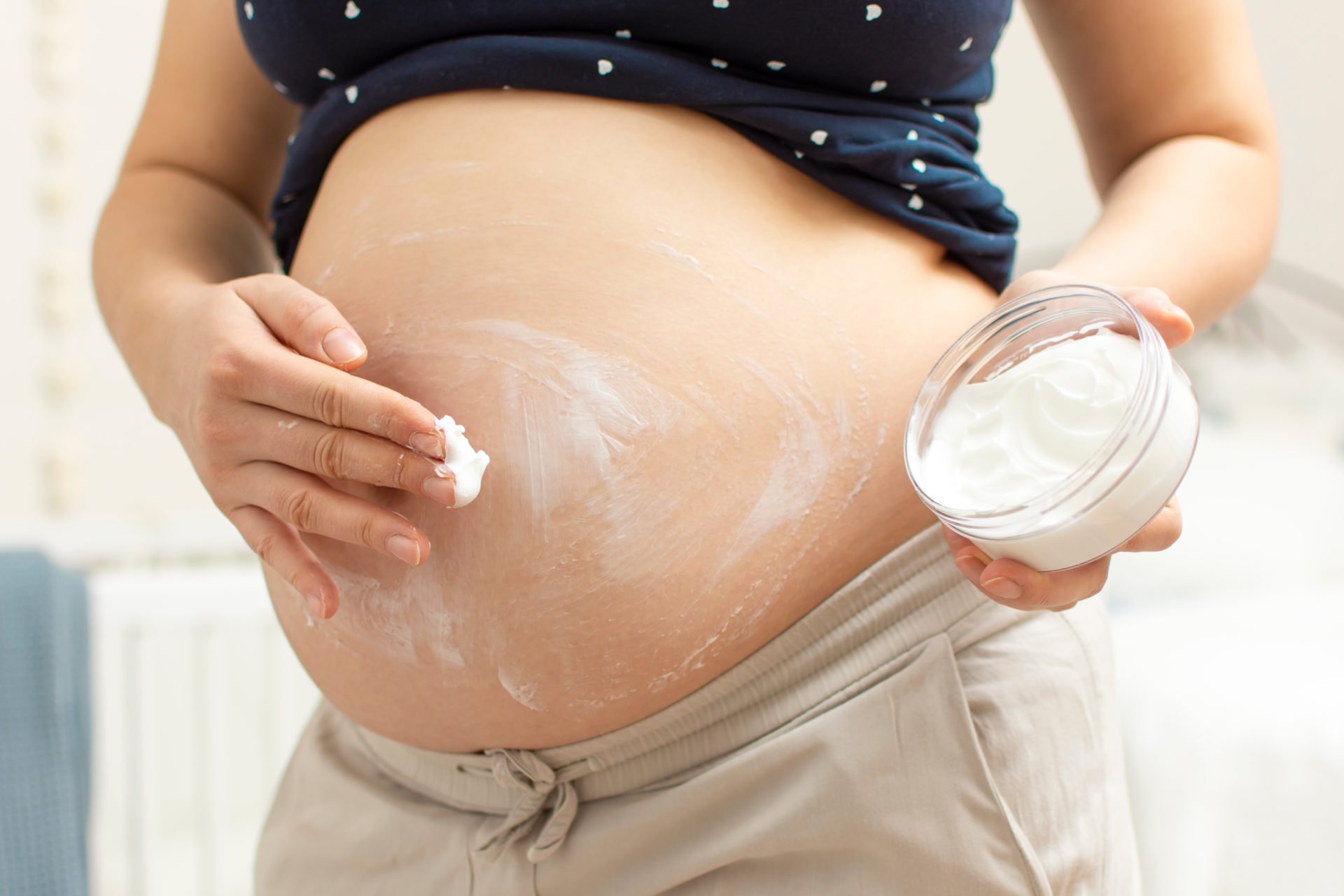
Shea butter can be used pure on the skin — as an ointment, massage, targeted application or even in the bath! Simply melt it in your hands by working it between your palms, then apply it directly to your stretch marks or add it to warm bath water for a moment of pure comfort.

2. Anti-stretch mark scrub

Shea butter also makes an excellent base for a homemade scrub. To make it, you will need:

  • 1 tbsp shea butter
  • 125 g raw organic cane sugar
  • 60 ml of coconut oil
  • 5 drops of spike lavender essential oil (optional)
  • 3 drops of lemon essential oil (optional)

Mix all the ingredients together — if the mixture is not smooth, you can gently melt the shea butter in a bain-marie beforehand. Once the preparation has a smooth consistency, transfer it to a sealed container. Don’t forget to patch test it on the inside of your elbow first to check your skin tolerates it.

This scrub can be used two to three times a week on all your stretch marks.

3. Anti-stretch mark treatment

If you prefer creams, no problem! The rich, creamy texture of shea butter makes an excellent base for a homemade anti-stretch mark cream. You will need:

Slowly melt the shea butter in a bain-marie, then add the vegetable oils. Mix the preparation, pour it into a sealed container and place it in the refrigerator. It will firm up and can be applied like a cream every day on your stretch marks. It is also perfectly suitable for pregnant women. This treatment keeps for up to 3 months in the fridge.

What are the complementary anti-stretch mark solutions?

To complement your shea butter home care routine, you can easily adopt a cosmetic regimen — especially one formulated with natural active ingredients! Our Stretch Mark Pack is the perfect partner to shea butter for preventing or treating stretch marks, whether they appear on your stomach, your buttocks or even your calves!

  • The Stretch Mark Scrub, ultra-gentle, can be used in the shower. It smooths skin texture and removes all dead cells from the epidermis. Your skin, soft as a baby’s, is then ready to absorb all anti-stretch mark treatments — including shea butter.
  • The Stretch Mark Cream, enriched with nourishing macadamia oil, helps improve skin elasticity and repair the dermis from within. You can incorporate it into your shea butter routine. The natural active ingredients will regenerate your skin, visibly reducing the appearance of stretch marks.
  • The Stretch Mark Treatment Oil is the perfect complement to shea butter. Its rich texture absorbs easily into the skin with a simple massage. Its formula (natural vegetable oils of sesame, avocado, jojoba and soy) suits all skin types (pregnant women, teenagers, men) and its effectiveness on stretch marks is remarkable — 95% of those who have tried it would recommend it!

VOUS AIMEREZ AUSSI...