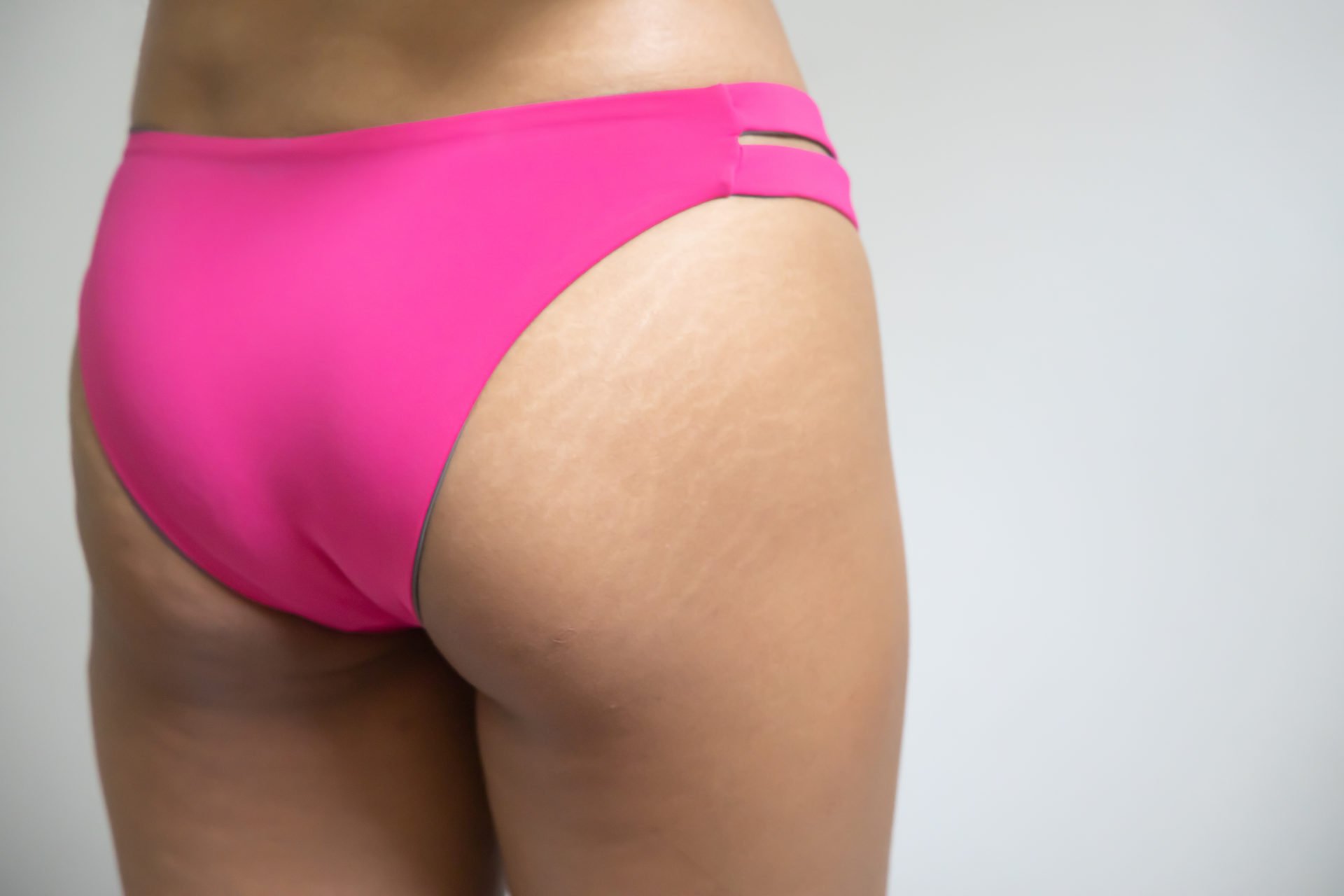
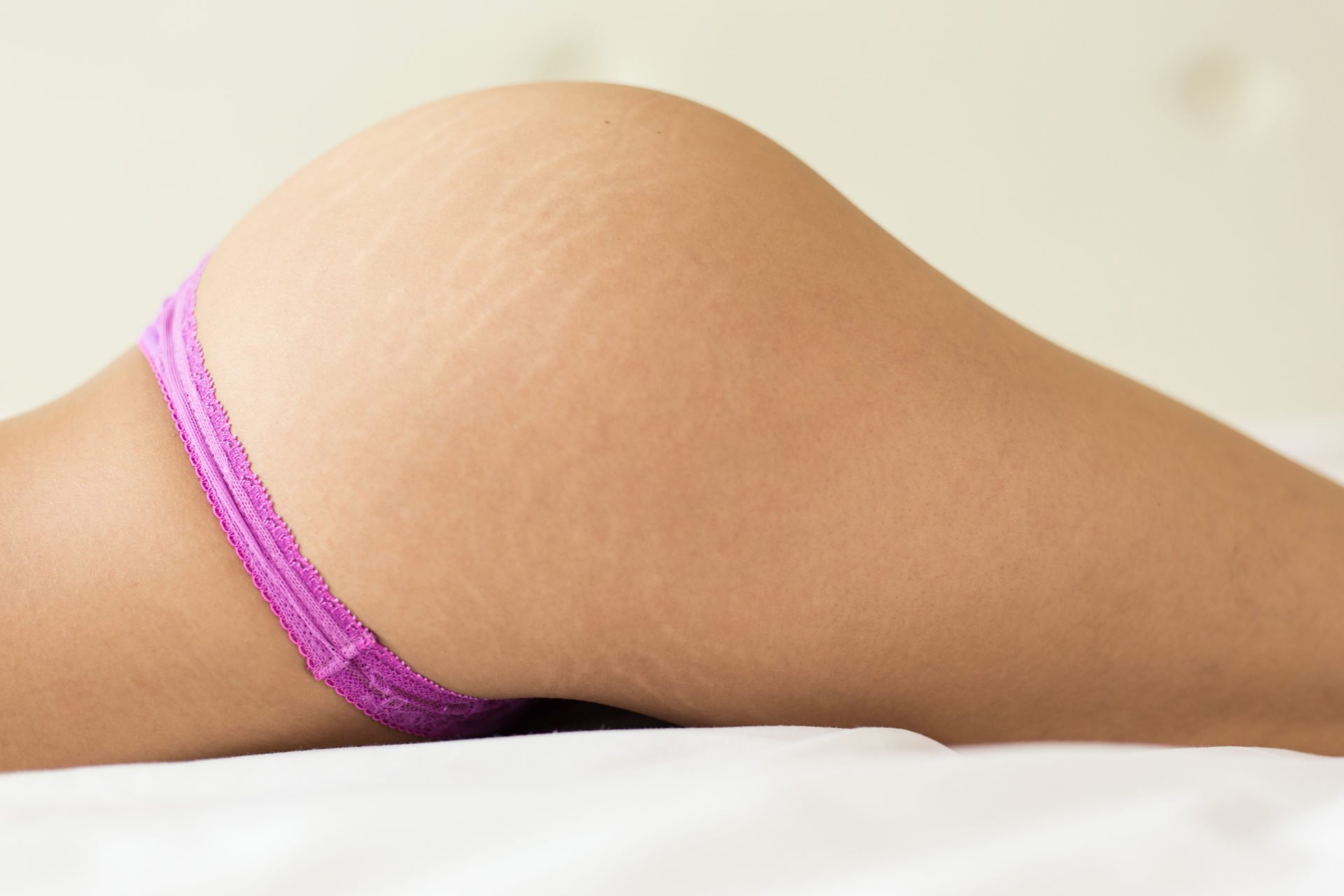
Several factors can trigger the appearance of stretch marks on the buttocks.
1- Puberty
Growth stretch marks are caused by the mismatch between a teenager’s bone growth (as they get taller) and the resulting stretching of the skin. Sometimes growth spurts are so rapid that the skin simply cannot “keep up”. Its elastic fibres break and stretch marks appear. Growth stretch marks affect both girls and boys and can appear on various parts of the body, including the buttocks. In girls, puberty and the onset of periods bring about changes in body shape that can lead to stretch marks on the chest, hips, buttocks and thighs.
2- Pregnancy
Pregnancy is often associated with the appearance of stretch marks. The female body undergoes significant transformation over a relatively short period of time, accompanied by a host of sudden changes: weight gain, hormonal shifts, alterations in skin quality, and a transformed body shape. Stretch marks can therefore appear on a pregnant woman’s body: on her stomach of course, but also on her chest (as the breasts increase in volume in preparation for breastfeeding), her hips and her buttocks.
3- Weight fluctuations
Weight gain and loss can have damaging effects on the dermis, especially when they occur rapidly. The repeated stretching and contracting of the skin gradually degrades it from within. The elastic fibres give way and stretch marks eventually appear where the weight changes have been most significant. In women, weight fluctuations tend to affect the chest, stomach, hips, thighs… and buttocks. That’s all it takes to end up with stretch marks in these specific areas.
4- Muscle hypertrophy
Muscle gain has the same impact on the skin as fat gain: an increase in volume raises the risk of stretch marks appearing. Rapid muscle hypertrophy caused by intense physical activity can therefore lead to stretch marks on the glutes. This is the case with certain sports, including weightlifting and bodybuilding.
5- Stress
Stress is a contributing factor in the development of stretch marks. The culprit: cortisol, known as the stress hormone. Produced by the adrenal glands, cortisol is essential to the human body. It helps regulate metabolism by releasing energy from the body’s reserves when needed (upon waking, during intense effort, or in response to acute stress). However, when the body is subjected to chronic anxiety, it produces excess cortisol. While this hormone is beneficial in small amounts, it can be extremely damaging to the skin when produced in large quantities. Skin thinning, dryness, delayed healing, loss of elasticity and stretch marks are among its unwanted effects.
6- Cushing’s syndrome
This adrenal gland disorder causes an overproduction of cortisol and, as a result, serious consequences for the skin. Among them: stretch marks. These are most often vertical, wide and deep, highly inflammatory (with a pronounced red or purple colouration), and appear primarily around the abdomen: stomach, hips, lower back and buttocks. Their development is worsened by the vertebral compression associated with the syndrome.
7- Medical treatments
Long-term use of cortisone-based anti-inflammatory drugs, in cases of chronic conditions (rheumatism, allergies), can also trigger the appearance of stretch marks, including on the buttocks (since we never get to choose where they show up!). As for hormonal treatments, if poorly suited to one’s metabolism, they can alter skin quality – causing thinning of the dermis or dryness – and ultimately lead to stretch marks.
How to prevent stretch marks on the buttocks?
Preventing stretch marks on the buttocks comes down to three key approaches:
1- Diet

To help prevent stretch marks from forming, you can focus on a diet rich in foods that are particularly beneficial for the skin. Certain minerals and vitamins support collagen production and promote good dermal elasticity. Prioritise foods rich in:
- Vitamin C: citrus fruits, peppers, parsley, blackcurrants, kiwi
- Vitamin A: offal, dairy products
- Vitamin B5: wheat germ, brewer’s yeast, offal, cheese
- Vitamin E: avocado, nuts, shellfish, dried fruits
- Zinc: nuts, oysters, whole grains, meat
- Copper: cocoa, cooked shellfish, offal, dried fruits
- Silicon: dehydrated and freeze-dried foods
2- Exercise
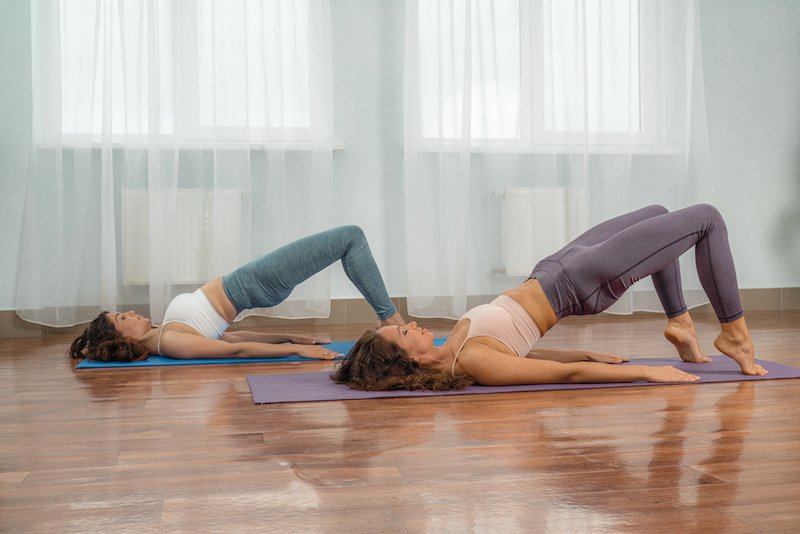
Excessive physical activity can be a cause of stretch marks on the buttocks, as mentioned above. However, when practised in moderation, exercise is excellent for the skin. It helps maintain elasticity and promotes healthy blood circulation, which keeps the dermis well oxygenated. Better still, it addresses two key causes of stretch marks on the buttocks: lowering blood cortisol levels and maintaining a stable weight. Opt for gentle activities that strengthen both muscles and skin. Swimming, aqua aerobics, dance or Pilates will work your glutes without putting them under strain. Muscle growth will happen gradually and steadily, giving you the best chance of keeping those unwanted lines at bay.
3- Hydration

Keeping the skin hydrated is essential for preventing stretch marks. When dehydrated, the body functions less efficiently and the skin is the last organ to receive water. To minimise the risk of stretch marks on your buttocks, it’s important to:
- Drink: Hydration starts from within. Aim to drink 1.5 to 2 litres of water per day. If plain water is a challenge, herbal teas, regular tea, fruit and/or vegetable juices, and broths are all good alternatives. The key is to keep your body and skin well hydrated to avoid weakening them – and with it, the risk of stretch marks.
- Moisturise your skin: to prevent stretch marks on your buttocks, it’s essential to give your skin the moisture it needs to stay supple and avoid dryness. Several options are available to you:
- Natural plant oils such as jojoba, olive, sweet almond or wheat germ are particularly nourishing.
- Plant butters, such as shea, kombo or cocoa, are also excellent balms for nourishing, protecting and regenerating the dermis.
- Certain essential oils have shown revitalising and antioxidant properties that may help prevent stretch marks. However, they must be used with great care, as essential oils are not without side effects. They are also not recommended for pregnant or breastfeeding women.
- Nourishing creams, especially those formulated with natural active ingredients, can also be valuable tools for preventing stretch marks on the buttocks. If they are enriched with vitamins A, C or E, even better!
- Our Stretch Mark Care Oil, a blend of 6 quality plant oils, deeply nourishes and helps the skin heal. Applied as a daily massage, it is an ideal way to help prevent stretch marks from forming on your buttocks.
Anti-stretch mark products to reduce stretch marks on the buttocks
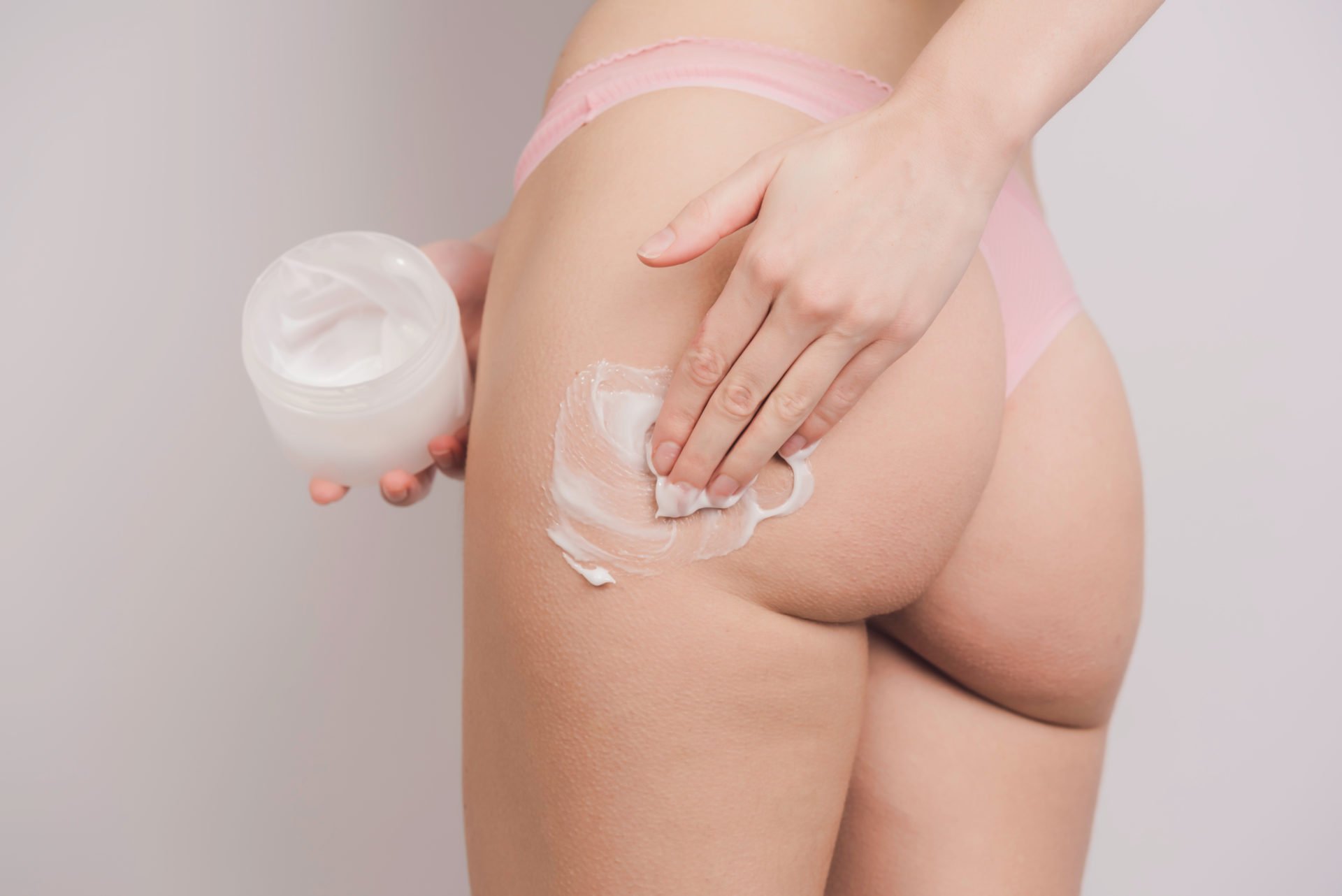
Despite your best efforts with nutrition, exercise and hydration, stretch marks have appeared on your buttocks. The sight of these streaks can feel disheartening. Don’t worry – we have solutions to visibly improve the look of your skin. If the stretch marks on your buttocks are still coloured, now is the time to give them the care they need. They are still in the inflammatory stage, which means the skin can be partially repaired. If they have turned white, consistent care can help soften the indented appearance of these marks. Here are our solutions.
Anti-Stretch Mark Scrub
Exfoliating your skin is essential for reducing stretch marks. It helps restart cell renewal and fade the marks. The natural exfoliating grains in our scrub gently smooth the skin and help diminish the appearance of stretch marks.

Anti-Stretch Mark Oil
Nourishing your skin with a targeted oil is key to preventing stretch marks from forming. The Cellublue Stretch Mark Oil helps prevent stretch marks on the buttocks while also reducing the appearance of both recent and established marks. 95% of women who applied it daily noticed an improvement in the look of their stretch marks.

Anti-Stretch Mark Cream
Stretch mark streaks are linked to skin stretching – to repair them, the skin needs to be softened while its healing process is accelerated. A targeted repairing anti-stretch mark cream helps reduce their appearance. That’s why at Cellublue, we developed an Anti-Stretch Mark Cream that repairs the skin both on the surface and in depth. Its rich formula nourishes and restores the tissue from as early as 14 days of use. Stretch marks on the buttocks look less visible, feel more supple and appear less indented.

Anti-Stretch Mark Serum
Applying a serum before a cream helps amplify and enhance results. The Cellublue stretch mark serum has been carefully developed with a concentrated active formula that is quickly absorbed by the skin, penetrating through the layers of the epidermis to act in depth.
