
Stretch MarksStretch Mark SolutionsStretch Mark Care Monoi oil: a solution for stretch marks?

Monoi oil: a solution for stretch marks?

par
huile-monoï-bienfaits

Ah, monoi — a holiday essential… Its delicious scent, silky texture and skin- and hair-loving properties make it a true favourite. If monoi oil is already a staple in your summer beauty bag, you may be surprised to learn it can be used year-round — and may even work as an anti-stretch mark oil. Here’s why.

What is monoi oil?

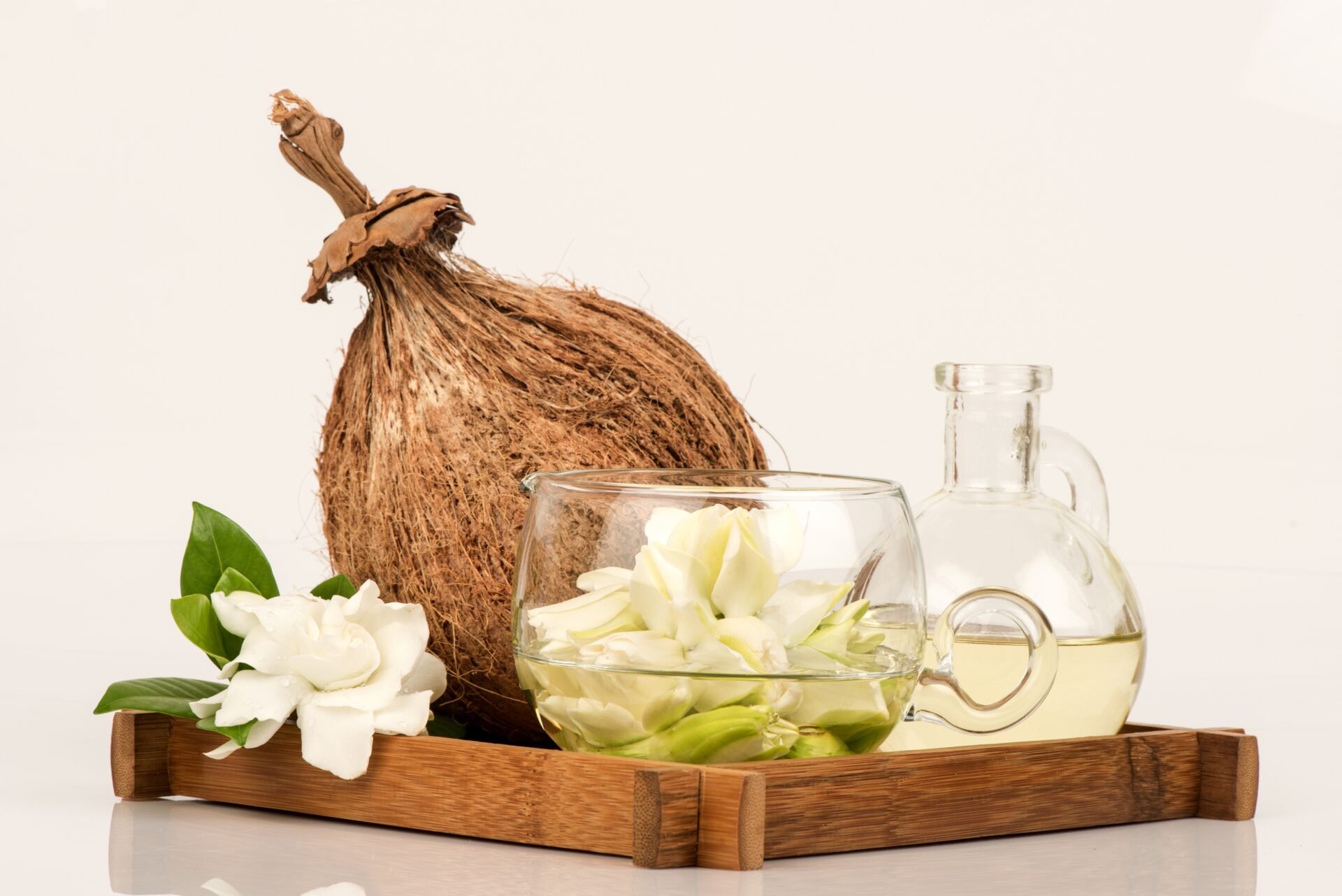
Monoi is a beauty product native to French Polynesia, made by macerating Tiaré flowers in coprah oil. Traditional artisan recipes also call for the addition of freshly grated coconut flesh.

Tiaré tahiti (or Tahitian flower) is the tropical shrub that provides the flowers needed to make monoi. They must be harvested as buds or young blooms and used quickly to give the maceration its incomparable fragrance. It’s also worth noting that this maceration must last at least 10 days, using a minimum of around ten flowers per litre of oil.

As for coprah oil, it is made from dried coconut flesh, hot-pressed, refined and deodorised. It is therefore different from virgin coconut oil, which is cold-pressed from fresh coconut flesh.

What are the skin benefits of Tahitian monoi?

huile-monoï-vergetures

In Europe, monoi oil is mainly used as a “tanning” oil, since like all oils, it helps prevent skin dehydration. However, it does not protect against the harmful effects of the sun, despite what many people believe. In Polynesia, monoi is more commonly used as a massage oil and hair treatment. But what are its real qualities for the skin?

Let’s start with the Tiaré flower. It produces an essential oil primarily used in perfumery, prized for its subtly vanilla-like scent that evokes sun-soaked holidays. Yet tiaré essential oil also contains methyl salicylate — a somewhat technical name that actually refers to an active ingredient recognised for its soothing and purifying properties.

What about coprah oil? Its composition is unique, containing no fewer than 9 different fatty acids, including:

  • oleic acid, also found in the skin’s own sebum, which penetrates deeply into the skin to maintain hydration, support dermal regeneration and help reduce inflammation;
  • lauric acid, very common in so-called “tropical” oils, known for restoring the skin’s natural balance thanks to its antibacterial action;
  • myristic acid, easily absorbed by the skin and valued for its regenerative properties;
  • palmitic acid, particularly effective at restoring the skin’s protective qualities;
  • caprylic acid, which supports the absorption of antioxidant compounds into skin cells, helping skin stay looking younger for longer;
  • linoleic acid, which encourages nutrient absorption into the skin, and strengthens skin cells.

Add to these benefits those of vitamins E and K, also present in coprah oil. One is naturally antioxidant and helps the skin defend itself against external aggressors, while the other supports healthy blood circulation.

In short, monoi oil is exceptionally beneficial for the skin: it provides protection, maintains suppleness and resilience, and boosts regeneration!

Can monoi oil be used to prevent and care for stretch marks?

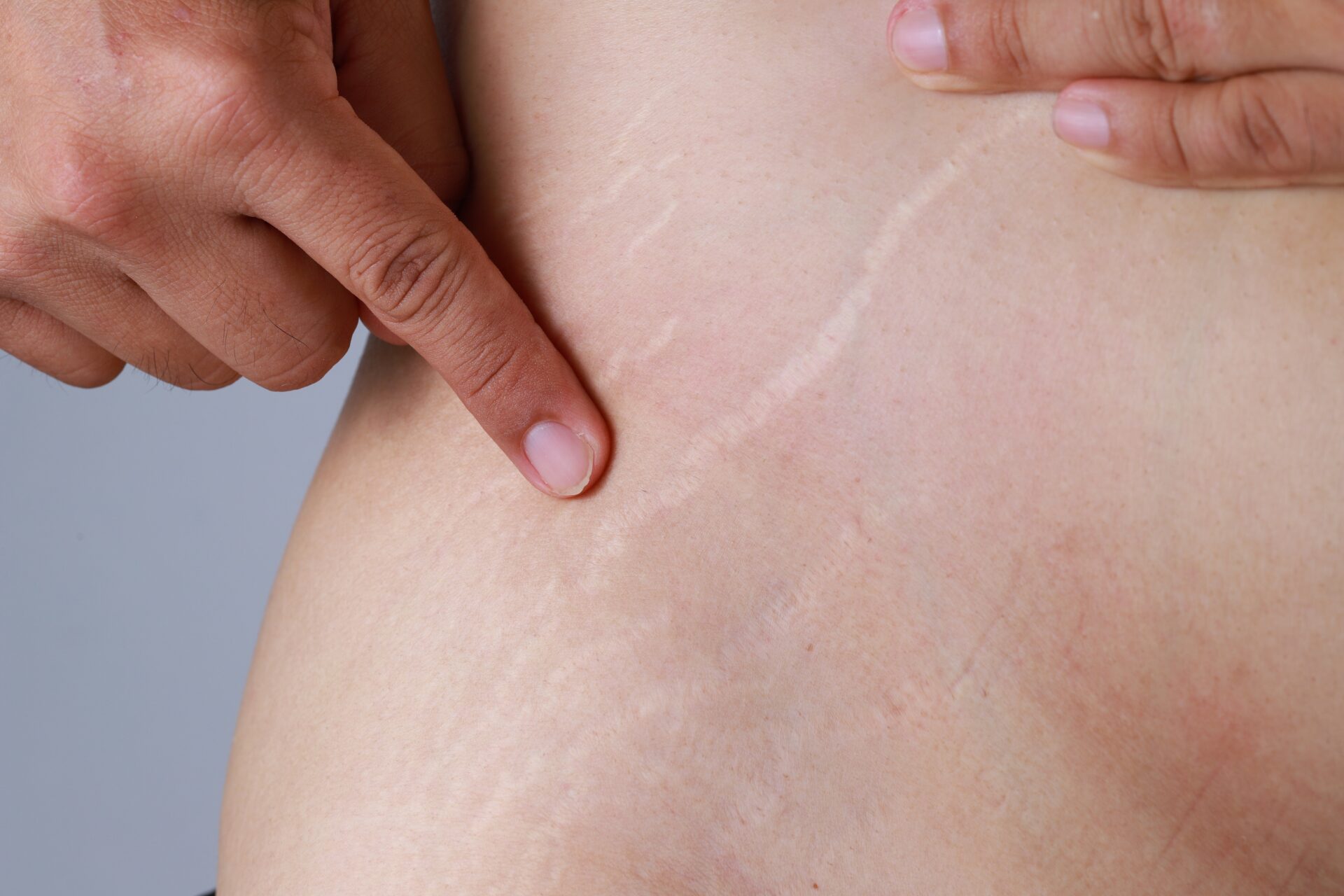
Absolutely. Stretch marks are the result of micro-tears in the skin’s elastic fibres. They are caused by sudden, rapid stretching of the skin… They tend to appear more often when the skin is poorly protected (by moisturising treatments, for example). Weakened, dry and/or dehydrated, it loses its elasticity. The result: at the slightest stretch, it “gives way”. Small streaks then appear on the surface of the skin, often coloured at first, then fading to white over time.

Monoi oil, an exceptional emollient, helps prevent stretch marks. It prevents transepidermal water loss and keeps skin supple and elastic. It can also help reduce the appearance of existing stretch marks by supporting cell renewal, deeply nourishing the skin and strengthening the skin barrier. It can therefore be used on white stretch marks.

What other oils can be used on stretch marks?

By nature, all natural plant oils are beneficial for the skin and can help prevent and reduce stretch marks. Choosing your preferred oil is ultimately a matter of personal taste — whether you prefer rich or lightweight textures, dry-finish or more nourishing formulas. That said, a few stand out:

  • Jojoba oil, highly penetrating with a dry finish, is excellent for preventing stretch marks, especially for naturally dry skin;
  • Rosehip oil, particularly recommended for very damaged skin marked by mature stretch marks, as it is exceptionally rich in antioxidant compounds;
  • Wheat germ oil, rich and nourishing, particularly well-suited to sensitive skin, and can be blended with a lighter oil (hazelnut, perilla);
  • Calophyllum oil, striking for its deep colour, yet packed with unique active compounds that give it notable healing and revitalising properties;
  • Macadamia oil, ideal for preventing the appearance of stretch marks, thanks to its venotonic properties;
  • and of course, our Anti-Stretch Mark Oil, a blend of 5 natural plant oils (sesame, sunflower, olive, jojoba, avocado), combining the benefits of each in a single formula! Suitable for all skin types and all areas (stomach, buttocks, thighs, back or calves), it can be used every day, including during pregnancy or breastfeeding.

VOUS AIMEREZ AUSSI...