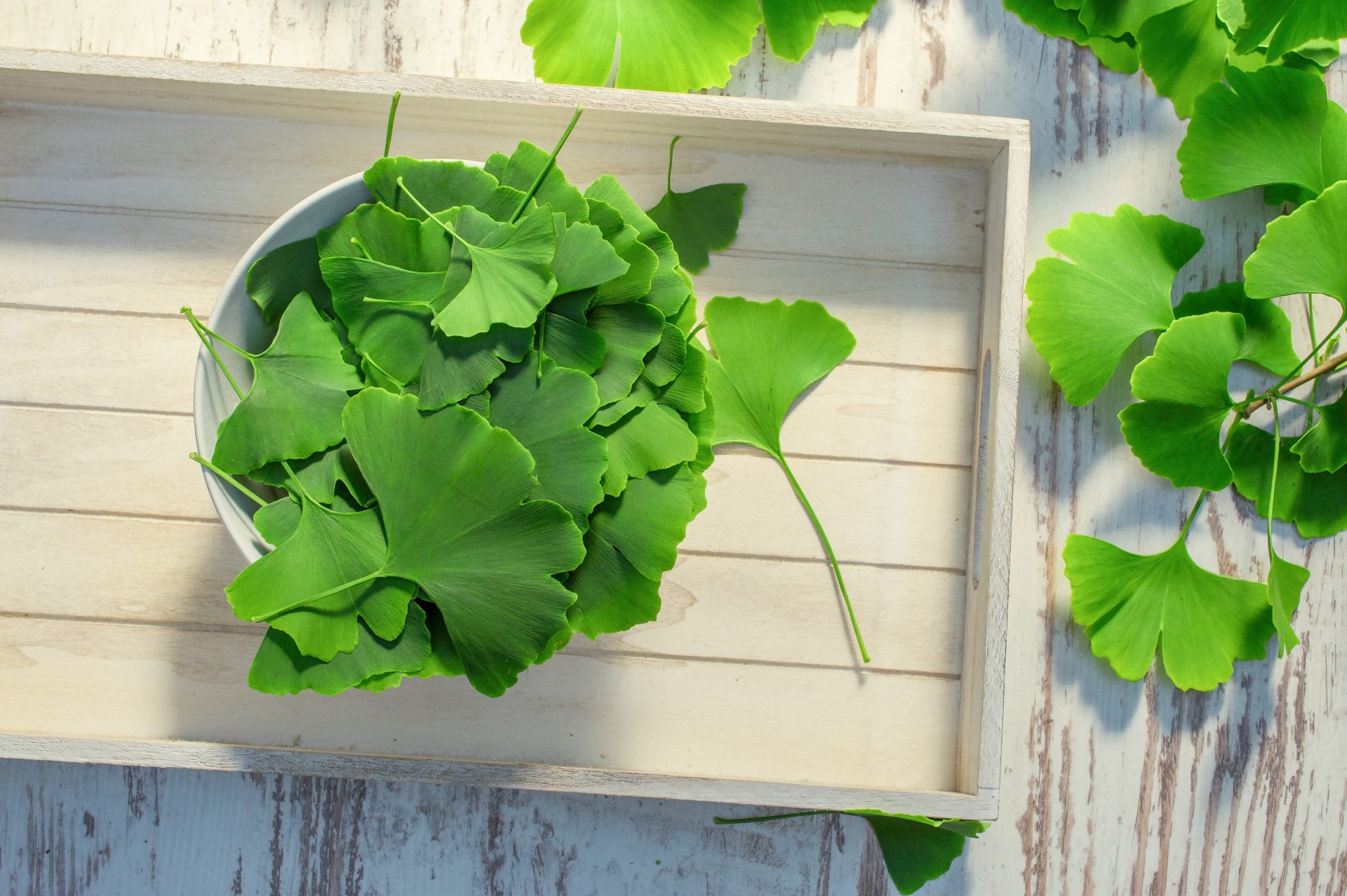
Nature has a way of providing, and is full of plants with remarkable properties, capable of addressing everyday concerns. Among them, Ginkgo biloba — an ancient tree with well-established virtues. But what are its true benefits, and can Ginkgo biloba actually help us tackle cellulite? A closer look at this magnificent tree from Asia…
What is Ginkgo Biloba?
Ginkgo Biloba, also known as the Maidenhair Tree or Silver Apricot Tree, is one of the oldest tree species on the planet. Some specimens are said to be over 1,000 years old! The tree grows naturally in only a few regions of the world, including China. However, due to its medicinal properties and ornamental appeal, it is cultivated worldwide, with a particular presence in Japan and South Korea. It is worth noting that the species is listed as endangered, despite its remarkable resistance to mutagenic agents.
What Are the Benefits of Ginkgo Biloba?
In traditional Chinese medicine, the tree’s ovules were almost exclusively used — they resemble an oblong fruit similar to an apricot, from which the seed and kernel were extracted. They were used to treat pulmonary and urinary conditions. Ginkgo nuts were also consumed cooked (raw, they are toxic) at wedding ceremonies.
It was Western pharmacopoeia, however, that turned its attention to the benefits of the Ginkgo biloba leaf, which is still used today in herbal medicine and traditional pharmacy. The unique chemical composition of Ginkgo biloba is particularly noteworthy, as its buds and leaves are rich in flavonoids and terpenes. It is therefore valued for its anti-inflammatory properties (thanks to its antioxidant content), and above all as a platelet aggregation inhibitor and vascular regulator.
A brief explanation: platelets are blood components whose role is to stop bleeding. They clump together to coagulate the blood and prevent it from flowing. However, by forming a blood clot, platelet aggregation can create other problems — namely the obstruction of a vessel (venous or arterial). Taking a platelet aggregation inhibitor, such as Ginkgo biloba extract, helps prevent the clumping of blood platelets and thus reduces the risk of clots (thrombus).
Today, the properties of Ginkgo biloba are primarily used to address conditions arising from venous insufficiency (heavy legs, oedema, varicose veins, haemorrhoids), capillary issues (Raynaud’s disease, chilblains, tinnitus, hearing loss, vertigo) or arterial conditions (arteritis, arteriopathy, atheroma). Trials are also underway to determine whether Ginkgo may genuinely benefit cognitive disorders (memory loss, reduced concentration) and conditions associated with dementia or senility, such as Alzheimer’s disease. Finally, the antioxidant properties of Ginkgo biloba are harnessed by the cosmetics industry for skin healing, protection and repair.
Could Ginkgo Biloba Be Useful in Addressing Cellulite?
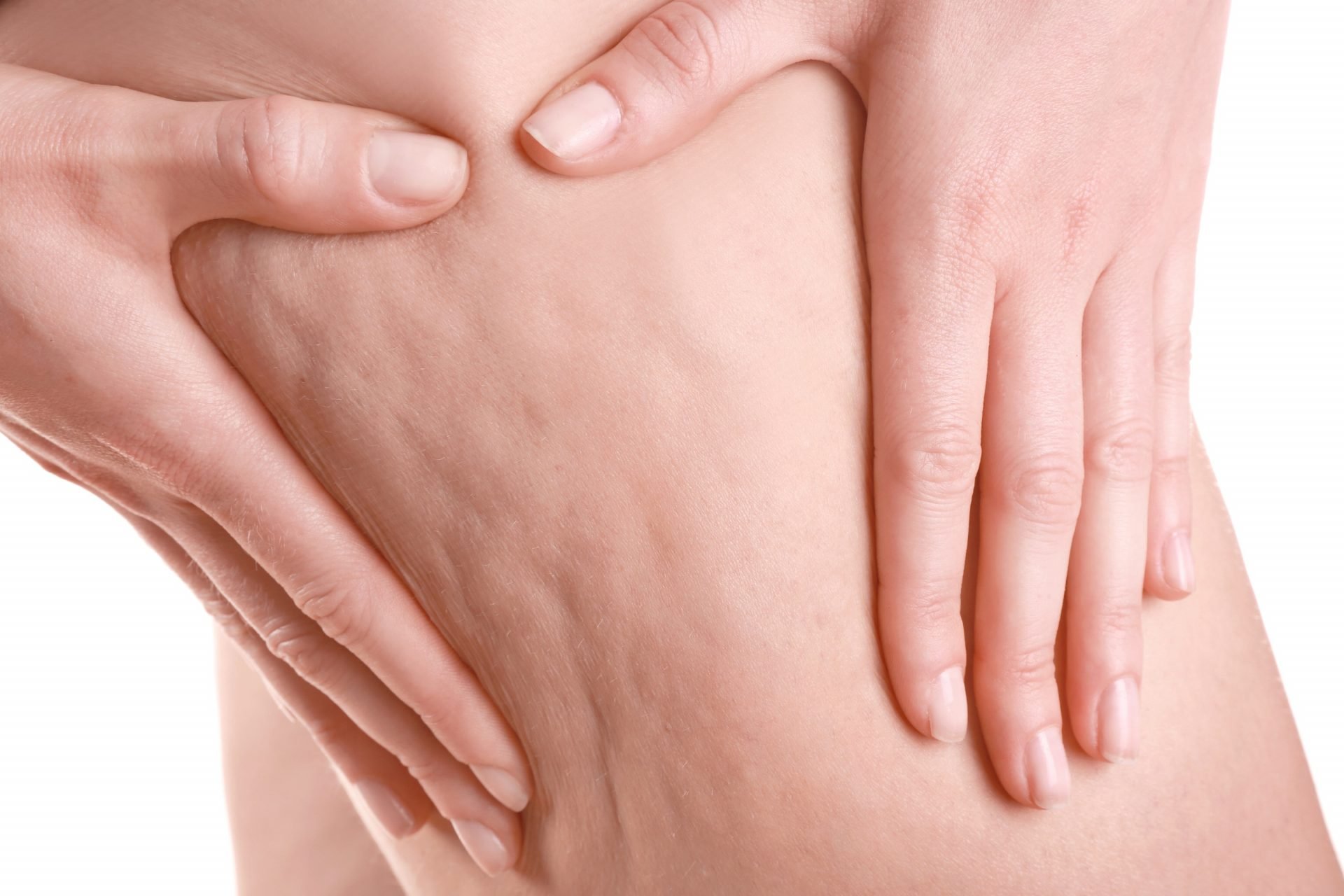
Cellulite, or superficial lipodystrophy, is a condition caused by an abnormal accumulation of fat, water and waste in the lower layers of the skin (hypodermis). It is primarily caused by:
- An excess of fat, resulting in the atrophy of adipocytes, or even a multiplication of subcutaneous fat cells in cases of severe and/or deeply embedded cellulite.
- An abnormal accumulation of water in the connective tissues, more commonly known as water retention.
- A concentration of toxins and waste in these same tissues, compressed by the atrophied adipocytes.
- In the case of fibrous cellulite, a disorganisation of the skin’s elastic fibres (collagen, elastin), leading to fibrosis.
- A sluggish veno-lymphatic system, where blood vessels become porous and allow water to leak into the tissues, and where the lymphatic network no longer effectively performs its purifying role.
How might Ginkgo biloba have an effect on cellulite? It can at least act on one of the components of cellulite: veno-lymphatic weakness. By toning microcirculation and improving blood fluidity, Ginkgo helps restore the body’s ability to oxygenate tissues, drain excess water and eliminate toxins. Vessels become less porous (reduced vasodilation), blood flows more freely, and the lymphatic system can do its cleansing work. The results are quickly noticeable: a reduction in heavy leg sensations, less visible cellulite, and reduced water retention. That said, and as you will have gathered, Ginkgo biloba extract has no effect on fat breakdown. It will therefore be most beneficial for those dealing with aqueous cellulite, and less effective on other types of cellulite (adipose or fibrous).
How to Use Ginkgo Biloba to Address Cellulite?
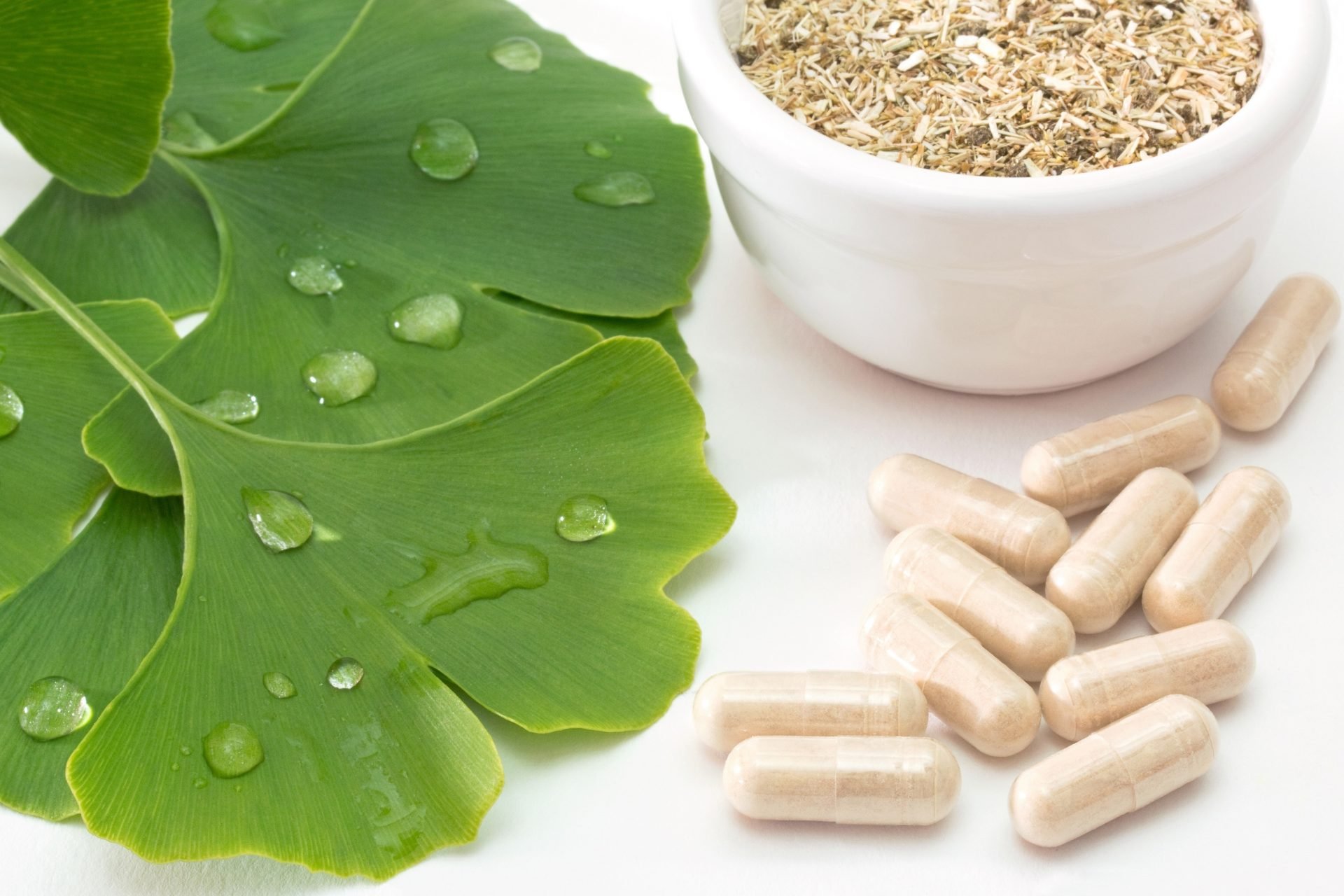
Ginkgo biloba is generally available in several forms:
- Topical creams for skin application, often designed for heavy leg relief
- Drinkable solutions
- Capsules or tablets
When making your choice, it is important to check the Ginkgo leaf content, which reflects the quality of the product. For food supplements, the recommended dosage to benefit from Ginkgo’s veinotonic properties is between 120 and 240 mg of extract per day, taken in several doses with water and during meals. It is nonetheless advisable to consult your doctor before taking Ginkgo, especially if you are already on medication or at risk of bleeding.
Finally, other food supplements can perfectly complement a Ginkgo biloba course for an enhanced effect on cellulite:
- Our Anti-Cellulite Capsules, 100% natural and vegan, formulated with lipolytic guarana, green tea for its draining and antioxidant properties, cherry stem for its diuretic action, and red vine for its veinotonic benefits. They are to be taken in short courses of 14 days, at a rate of 2 capsules in the morning and 2 capsules at midday, with a large glass of water.
- Our 3-in-1 Anti-Cellulite Drainer, a blend of 6 plants and the perfect complement to our capsules. An anti-cellulite drainer for deep body detoxification and generalised lipolysis. Simply take a 20 ml dose (one cap) diluted in water for 14 days.