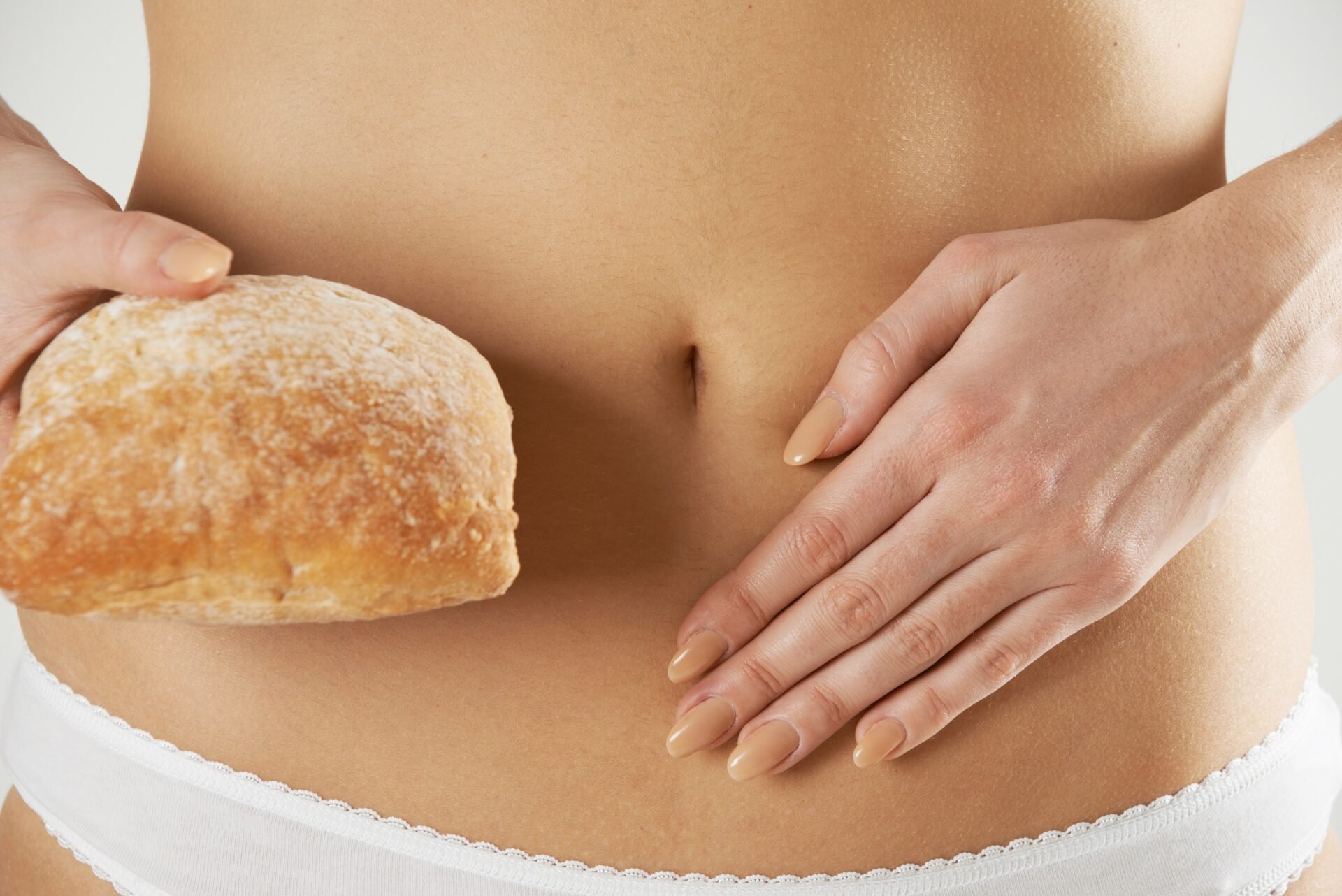
For the past few years, gluten has been singled out as one of the enemies of our well-being. It is said to be responsible for all kinds of health issues. The latest claim: it could make cellulite worse. Is this claim well founded?
What is gluten?
Gluten is a sticky substance, a blend of proteins, naturally found in certain grains – wheat, barley, rye and spelt. It is especially during the processing stage that turns grains into flour and then dough (to make bread, pasta, etc.) that it really comes into play. It is also often added today to certain industrial food products because it gives foods many benefits, both in terms of preservation and texture.
What health issues are associated with gluten?

In recent years, and under the influence of certain celebrities, gluten has been demonized. It is said to be behind many health issues and to cause all kinds of symptoms, ranging from simple fatigue to more serious conditions. But what is the reality?
1- Conditions associated with gluten
In fact, there are 4 conditions associated with gluten:
- celiac disease, also known as intolerance
- gluten ataxia, which affects the neurological system
- dermatitis herpetiformis, a skin condition
- wheat allergy, which is a straightforward allergy
A final one may also be mentioned, although it is still being questioned by science today: non-celiac gluten sensitivity (NCGS). It cannot be clearly diagnosed, so people who say they suffer from it are self-diagnosing.
2- Symptoms
What about the symptoms of conditions associated with gluten? They are generally categorized as follows:
- gastrointestinal symptoms such as bloating, abdominal pain, bowel movement issues, gas, nausea…;
- problems linked to poor nutrient absorption, such as deficiencies, weight loss, fatigue…;
- neurological disorders ranging from simple migraines (in the case of intolerance or sensitivity) to falls, tremors and difficulty speaking (in the case of ataxia);
- skin problems, such as lesions and blisters (in dermatitis), redness and itching (in sensitivity);
- a clear allergic reaction, with redness and swelling, respiratory distress, rapid heartbeat or even loss of consciousness (in wheat allergy);
- other associated symptoms linked to hypersensitivity, such as muscle pain, tingling, breathing difficulties…
Does gluten have an impact on cellulite?
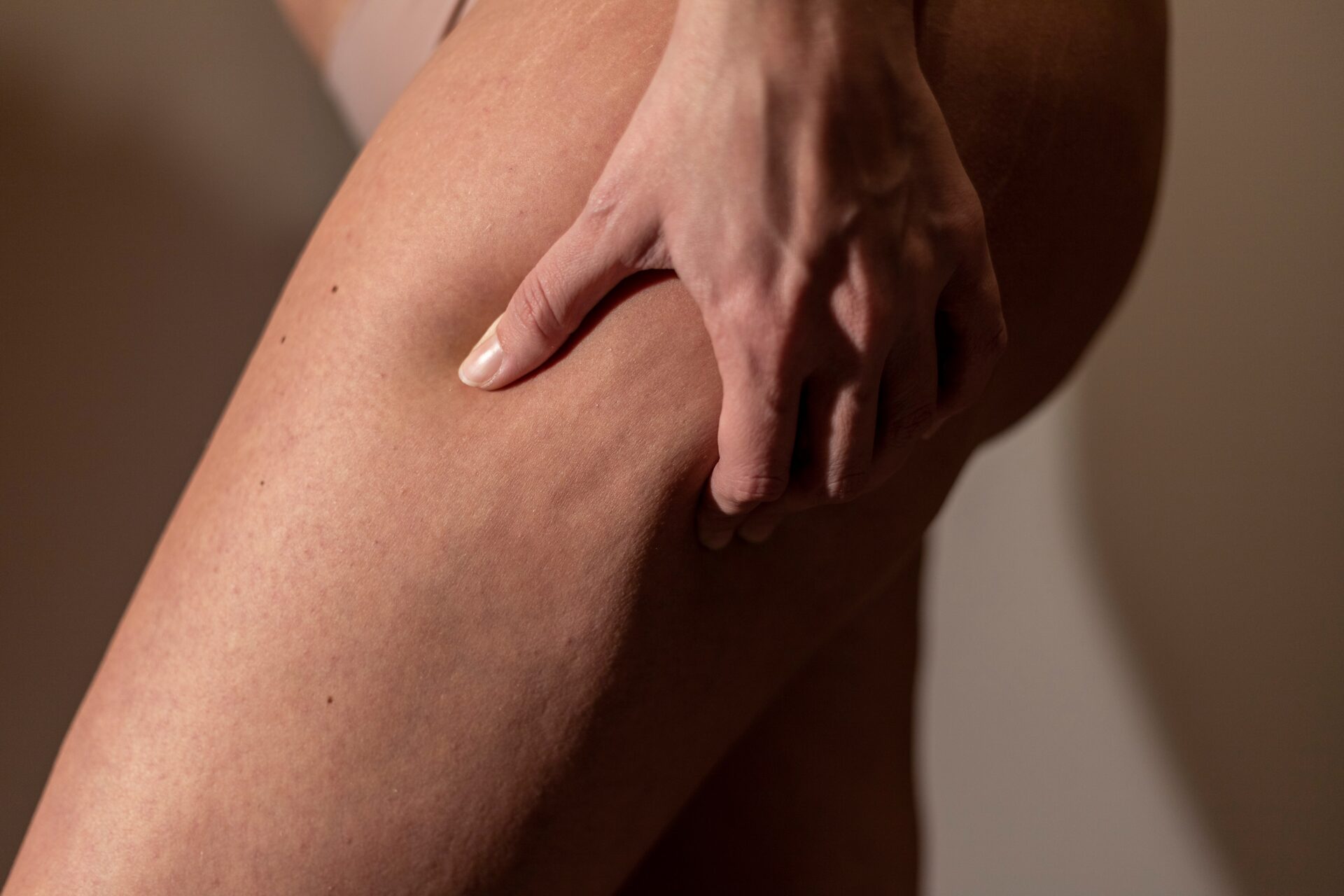
With the “no glu” trend, the list of symptoms associated with gluten hypersensitivity keeps growing. The protein is said to be responsible for mood and behavioral issues, to explain every inflammatory syndrome and, worse still, to intensify cellulite by boosting water retention. Water retention is indeed one of the components of cellulite. It results from an excessive accumulation of water and toxins in the tissues, often caused by veno-lymphatic insufficiency. It is typical of so-called watery cellulite.
Could gluten then “feed” cellulite? Today, nothing confirms this is true and no serious scientific study has demonstrated a causal link between the two. The only exceptions are:
- wheat allergy which can indeed lead to localized edema, but this is one of the classic symptoms of an allergic reaction (vasodilation leading to poor circulation, and therefore water retention);
- gluten intolerance, which can lead to temporary water retention, mainly in the intestines, associated with fermentation, which causes bloating and diarrhea.
Which foods should you favor to reduce cellulite?

Cellulite, a phenomenon with multiple causes, may benefit from dietary efforts. We know that fatty and/or ultra-processed foods, sugar and salt can encourage it. So, to reduce cellulite, it is better to opt for a healthy diet made up of:
- lean proteins from animal sources (white meat, fish, eggs) or plant sources (legumes), to nourish muscle rather than fat;
- fruits and vegetables at every meal, especially for their richness in fiber, antioxidants and potassium which helps fight water retention;
- low-GI complex carbohydrates, whether grains, pseudo-grains, legumes or root vegetables;
- low-fat dairy products, especially yogurt, which is easy to digest;
- healthy fats, especially those found in avocado, oily fish and nuts.
If you think you may be sensitive or intolerant to gluten, it is best to avoid so-called “true” grains (spelt, soft and durum wheat, kamut, barley, rye) and favor rice, oats, quinoa, buckwheat or amaranth.
Finally, it is essential to stay well hydrated, mainly with water, and drink tea and draining herbal teas . Be careful with coffee if your intestines are sensitive.