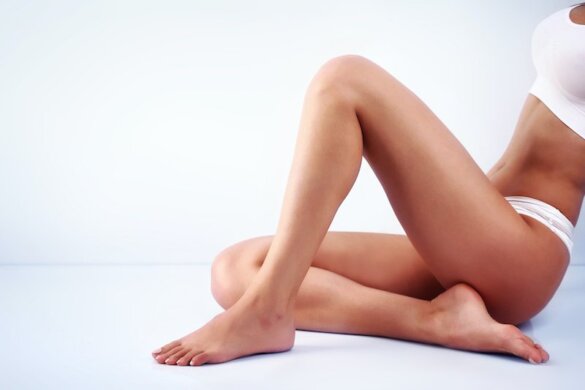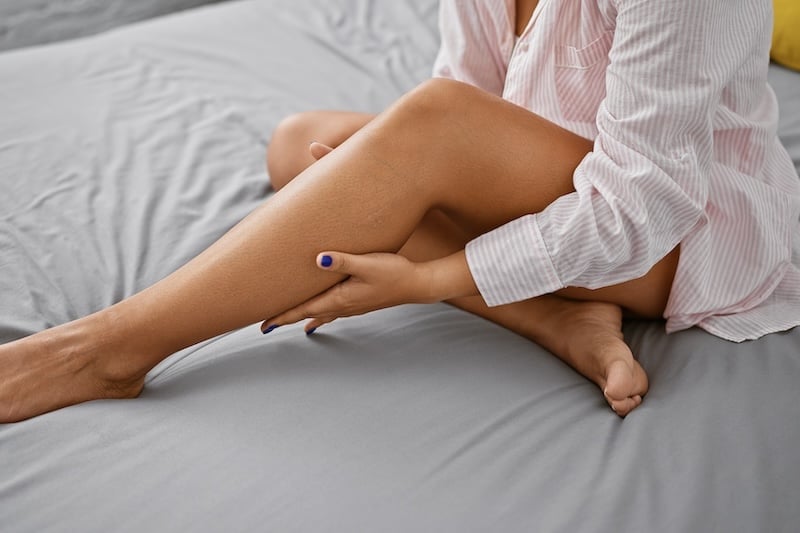
Heavy legs, swelling by the end of the day, a feeling of discomfort: cellulite known as “aqueous” cellulite is often accompanied by these signs, especially when you spend long hours standing or sitting, or when the weather is hot. This type of cellulite is usually what leads many of you to turn to plants, so here is what you need to know about the plants people talk about most, with no false promises: no plant, infusion or supplement makes cellulite disappear, and a painful or swollen leg always deserves your doctor’s advice.
Olive tree
The olive tree is an age-old remedy, well known around the Mediterranean. In this case, it is the leaves that are used, brewed as a herbal tea. Using them isn’t as harmless as it sounds, though: they can interact with certain medicines, particularly those for blood pressure or diabetes. If you are on any treatment, speak to your doctor or pharmacist before drinking olive leaf tea, and don’t automatically combine olive leaves with other plants.
Hawthorn
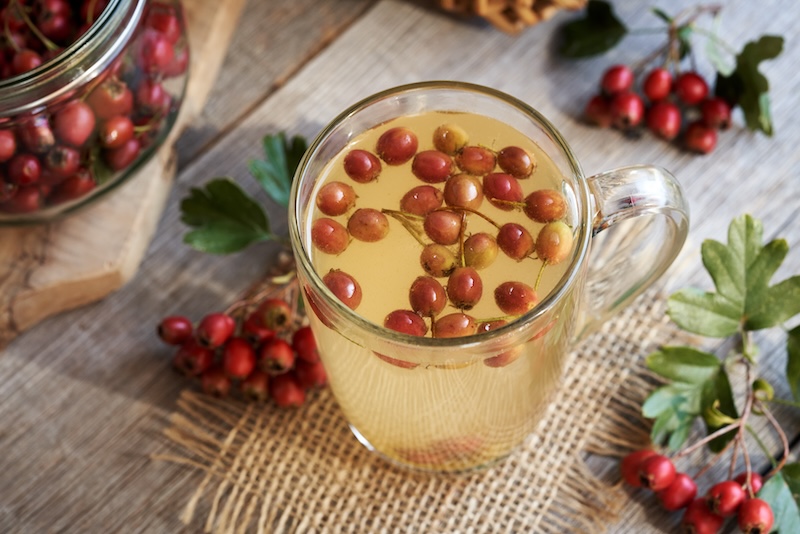
Hawthorn has long been known in herbal medicine, mainly for its traditional use in relation to the heart. For precisely this reason, it calls for caution: never take it alongside cardiac medication without your doctor’s approval. If you enjoy the taste, the infusion is simple to make: bring a cup of water to the boil, add a teaspoon of dried hawthorn and leave to steep for 5 minutes. Strain and drink it as a hot drink, not as a treatment.
Butcher’s broom
Butcher’s broom is a small, spiky shrub found in some pharmacy products for leg comfort, which come in several forms: tablets, massage cream… These products come with their own leaflet: read it, stick to the stated dose and ask your pharmacist for advice, especially if you are pregnant, breastfeeding or taking any medication. If you enjoy a bath, the water should not be too hot, as heat tends to make that heavy feeling and any swelling worse. To find out more, don’t forget our tips for limiting water retention day to day.
Rosemary, in the kitchen and for massage
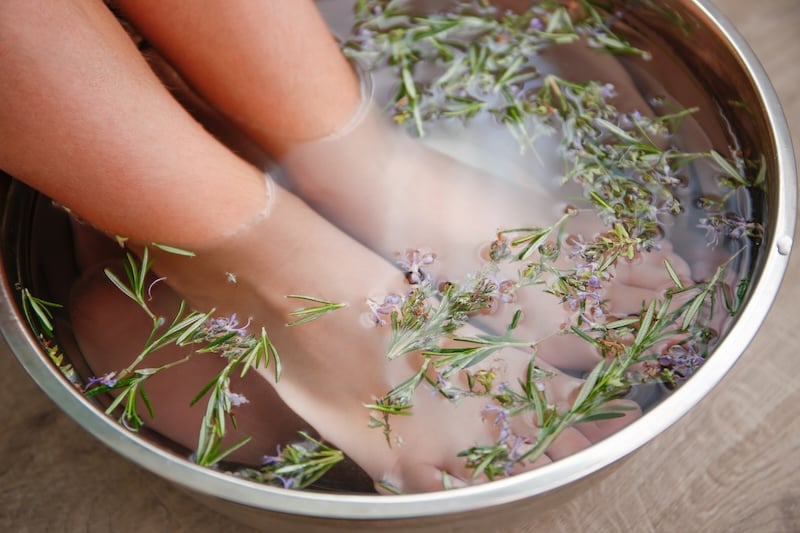
Rosemary is a wonderful addition to many dishes, and this plant is also used in massage lotions and oils, much loved for their scent. For heavy legs, what matters most is the massage technique itself: a gentle massage, always working from the ankles up towards the thighs, avoiding varicose veins and any painful areas. It works perfectly alongside your massages with the Cellublue Cup!
The cupping tool that replicates pinching and rolling, 3 minutes per zone
- The professionals' technique, at home: you lift, glide, and release, and the tool grips the skin fold like a manual pinching and rolling
- Soft silicone that fits thighs, buttocks, stomach, and arms
- 3 minutes per zone, every day, always with a massage oil so the tool glides
If you like the taste, rosemary can also be enjoyed as a herbal tea. Boil two sprigs in a litre of water and leave to steep for about ten minutes. Drink it plain or with a touch of honey rather than white sugar. Avoid concentrated preparations such as rosemary essential oil during pregnancy or breastfeeding, if you have epilepsy, and for children.
Spotlight on horse chestnut
Horse chestnut is probably the plant mentioned most often when it comes to heavy legs and tired legs, and it is also found in products sold in pharmacies. That doesn’t make it a plant to take lightly, and it is no substitute for seeing a doctor when your legs swell or hurt.
What’s in the seeds
The part of the plant that interests herbalists is the seed, better known as the conker, which contains aescin. Please note: conkers are not edible. They are poisonous and must never be confused with sweet chestnuts. Only extracts prepared and dosed by manufacturers are sold. If your legs often swell, start with our advice on water retention. If thigh cellulite is what bothers you, see how to care for cellulite on your thighs.
Horse chestnut: precautions
Capsules, mother tincture, gels or creams: horse chestnut products are available from pharmacies, herbalists and health food shops. For anything you swallow, follow the dose on the leaflet or the one your pharmacist recommends, not the one in a blog post. Gels and creams should be applied with a gentle massage, on unbroken skin.
Even though it is a natural product, horse chestnut should be used with care. Avoid it if you are pregnant or breastfeeding. Ask your doctor first if you are diabetic, have liver or kidney problems, or take blood-thinning medication. If in any doubt, always seek your doctor’s advice before use.
Don’t forget, ladies: alongside a healthy diet and regular physical activity, pinch-and-roll massages are a great way to care for your skin, whether your cellulite is aqueous, fibrous or adipose.
To massage your thighs with ease, reach for your Cellublue Cup, which mimics the pinch-and-roll technique. It’s incredibly easy to use and lets you massage dimpled areas every day in just a few minutes. You’ll also find our tips for caring for your legs!
Green tea: a drink to enjoy in moderation
Green tea is often presented as the ideal drink for your legs. The reality is simpler: it is rich in polyphenols, including EGCG. Green tea also contains theine, which is simply another name for the caffeine molecule. None of these compounds makes cellulite disappear or, on its own, eases heavy legs. Drunk plain, green tea is a pleasant way to stay hydrated during the day, as long as you bear its caffeine content in mind: avoid it late in the day if you sleep badly, and cut down during pregnancy. Concentrated green tea extracts sold as capsules have been the subject of warnings from European authorities regarding the liver, so never exceed the stated dose.
Good habits when your legs feel heavy
More than any herbal tea, it’s your everyday habits that count:
- keep moving: walking, cycling, swimming, and a few steps every hour if you work at a desk;
- put your feet up in the evening, lying down with your feet slightly higher than your heart;
- finish your shower with a stream of cool water, from the ankles up towards the thighs;
- avoid direct heat on your legs, such as very hot baths or the sauna;
- drink regularly throughout the day, mainly water;
- ask your doctor whether compression stockings are right for you.
See a doctor promptly if only one leg swells or becomes red, hot or painful, or if varicose veins appear. These signs are not a matter for a beauty routine.
What about food supplements?
If you are a fan of food supplements, have a look at our anti-cellulite range.
The combination of our drink concentrate and our Cellulite Capsules is enriched with green tea (mentioned above), as well as red vine and cherry stem. Like any food supplement, our products are no substitute for the various components of a balanced lifestyle, including a varied, balanced diet. To help you use them safely:
- stick to the daily dose shown on the packaging;
- keep them out of the reach of young children;
- ask your doctor or pharmacist for advice if you are pregnant, breastfeeding or taking any medication;
- for your legs, keep movement, massage and consistency at the heart of your routine, and discover our tips for caring for your legs every day!
Related articles
- 6 types of leg self-massage
- Tennis and cellulite: does it really help?
- Why try lymphatic drainage at home?
Useful categories: Thigh Cellulite, Anti-Cellulite Plants.