Among the latest healthy trends, juice cleanses have been generating a lot of buzz. Originally from California, this popular cleanse is presented by its fans as a break for the digestive system. But what should we really make of the juice cleanse, and what does it have to do with weight? How it works, what its fans say about it, possible side effects, tips on choosing the right moment and homemade recipe ideas: here is everything you need to form your own opinion.
What is a juice cleanse?
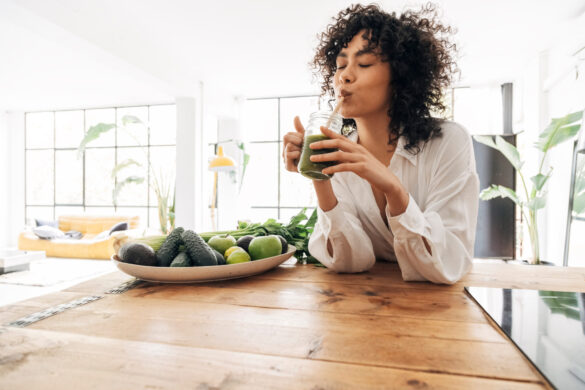
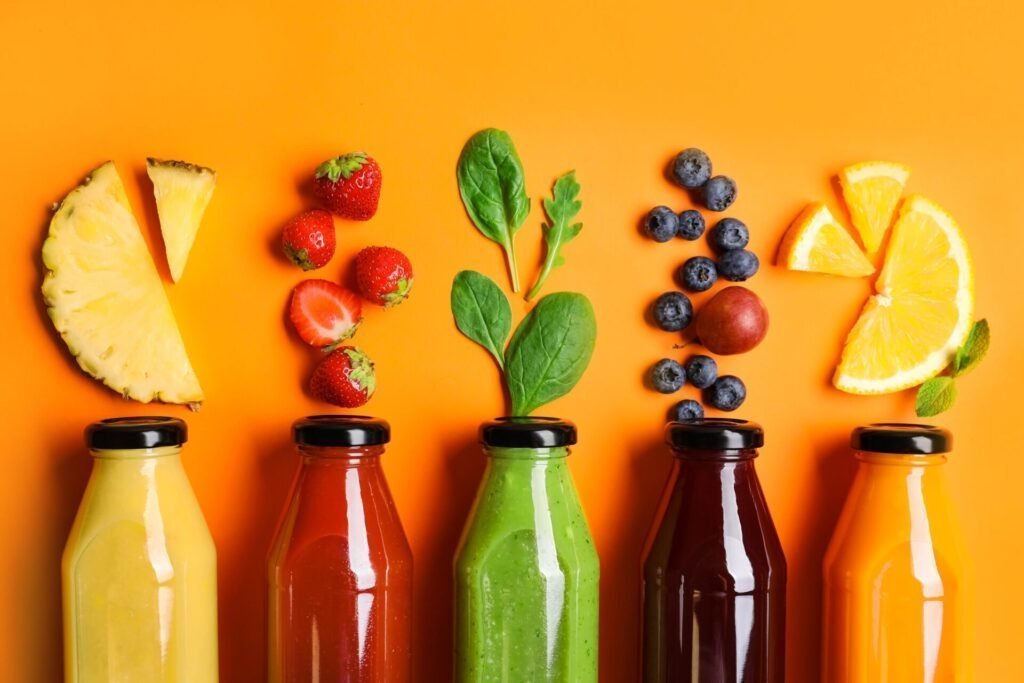
It is essentially a diet, but one with a very limited timeframe. For a few days (a minimum of one, ideally three, a maximum of seven), the idea is to eat no solid foods, and simply nourish yourself with liquids: fruit and vegetable juices, smoothies, tea without sugar or milk, vegetable broth and water. Generally, it is recommended to drink four to six juices per day and to repeat the cleanse with each change of season.
The juice cleanse belongs to the detox trend: its fans rely on plenty of fluids and on fruit and vegetables to “take a break”. The stated aim is also to give the digestive system a rest, since it only has liquids to process.
Why are juice cleanses so popular?

It all depends on who you ask!
If you turn to scientists, they are clear: the body does not need to be detoxified. Unwanted substances in the body — whether organic waste (cellular debris, interstitial fluid, free radicals) or externally sourced toxins (medication residues, pollution, consumption of harmful substances) — are naturally eliminated by the body’s emunctory organs. The lungs, liver, kidneys, intestines and skin all handle this cleansing work on their own, without any outside help.
But according to juice cleanse enthusiasts, the reality is quite different: our diet, sometimes too heavy or too rich, puts a lot of strain on the digestive system. They link it to fatigue, bloating, digestive issues or dull skin, and see the juice cleanse as a way to take a break. Here is what they most often say they feel:
- a feeling of lightness;
- a sense of renewed energy;
- a better mood;
- the urge to get back into good habits, like our tips for a flatter stomach.
And what about the side effects?
Apparently, they are not inevitable. Some people have no trouble following their cleanse, while others report mildly unpleasant side effects — including headaches, fatigue, nausea, diarrhoea and breakouts. On top of that, there are more psychological effects: frustration at not “really” eating, cravings, emotional hunger, difficulty drinking in large quantities, and an impact on social life (albeit a brief one). On closer inspection, none of it is truly insurmountable…
Can a juice cleanse boost weight loss?
Weight loss is not the aim of a juice cleanse. Its fans present it as a break for the body rather than a way to shed those extra pounds. For that, a balanced approach to eating that includes all food groups is a far better option. In short: it is best to eat a variety of foods in reasonable amounts, and to eat when you are genuinely hungry.
That said, the number on the scales may go down a little during a juice cleanse. No surprise there: added fats and sugars are removed from the diet and calorie intake is very low. Juices with pulp also provide fibre (for more on appetite, see our article on natural appetite suppressants). Finally, fruit and vegetable juices are rich in natural sugars and a genuine treat for the taste buds. For sugar cravings, have a look at our tips so you don’t end up craving sugar.
How do you get started with a juice cleanse?
1- Our top tips for getting started
First tip: do not do a juice cleanse to lose weight. It is counterproductive and that is simply not what it is for.
Second tip: do not follow a cleanse just because “it’s trendy” — do it because you genuinely want to. There is no point putting yourself through something just because everyone else is doing it.
Third tip: it is best to choose the right moment for your first attempt. If you are in the middle of exam season or feeling stressed at work, the timing is off. A juice cleanse should be undertaken during a calm period, when you are feeling good.
Fourth tip: avoid intense exercise during the cleanse. High-intensity physical activity requires a proper calorie intake. Opt instead for gentle activities such as brisk walking, a little cycling or yoga.
Final tip: more of a word of caution. If you have a kidney condition, or if you are pregnant or breastfeeding, this is not for you.
2- Our recipe suggestions
Be wary of ready-made juice cleanses sold in shops. They are sometimes (more often than you might think) loaded with added sugars or sweeteners — a composition that completely contradicts the very essence of the concept. These juices are also pasteurised for preservation purposes, meaning they lose a significant portion of their vitamins and minerals. And they can be very expensive.
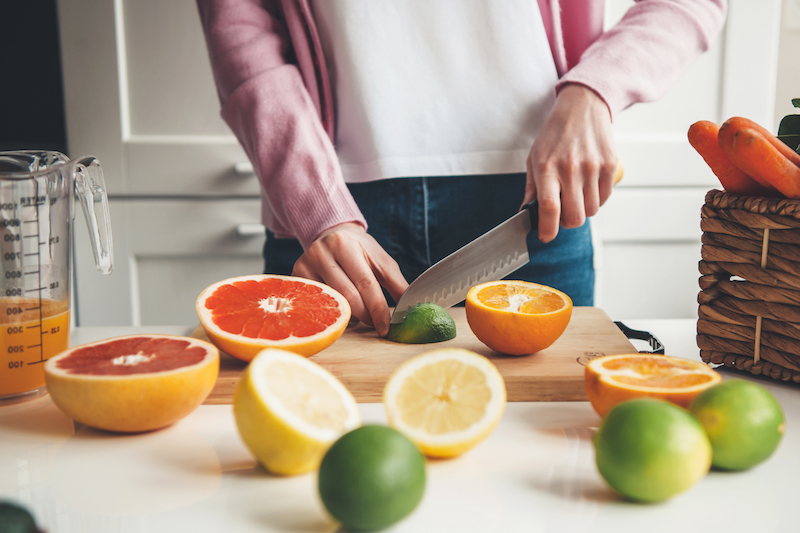
So, it is far better to prepare your juices yourself. Another bonus: you can tailor them to your taste and mix things up every day. Short on inspiration? Here are a few ideas:
- Green juice: simply blend together 2 apples, a stick of celery, half a cucumber, the juice of half a lemon and a handful of spinach.
- Vitamin-packed juice: a colourful juice to get your day off to a good start. Simply juice 2–3 carrots, one orange, a little fresh ginger and a small piece of turmeric root.
- Indulgent fruit juice: blend or juice a few slices of pineapple, 2 peaches and some kiwi, add a touch of vanilla, and you are done!
- Aperitif juice: tomato juice is making a comeback! Juice 2–3 ripe tomatoes with a stick of celery, then finish with finely chopped fresh herbs such as basil and parsley, plus salt and pepper.
3- Fruit cleanse or vegetable cleanse?
There is no need to choose between the two. Fruit juices, rich in natural sugars, add an indulgent touch, like the pineapple, peach and kiwi juice. Vegetable juices, such as the tomato and celery aperitif juice, bring a welcome savoury note between two sweeter juices. The green juice, meanwhile, brings both together with its apples, celery, cucumber and spinach.
Above all, alternating your bases lets you mix things up from one day to the next. And if a fruit-only cleanse appeals to you, check with your GP or another medical professional first.
Related articles
- Sugar-free week: which sugars to cut and what to eat
- Which fruit to eat in the evening? Ideas for dinner
- Fermented milk: what it is and how to add it to your diet
- Unhealthy Drinks to Avoid
Useful categories: Slimming Nutrition, Slimming Solutions.
To go further, explore the Cellublue shop: our body care products.


 -61%
-61%Seven supplements and a smart scale: the whole programme in one pack
- In the morning, the Weight Loss Capsules and the Apple Cider Vinegar Gummies: chromium contributes to the maintenance of normal blood glucose levels
- With meals, the Fat Burning Drainer and one Weight Loss Tablet: green tea and ash round off the formula
- In the afternoon and evening, the Fat Burning Tea, the Fat Burning Capsules and the theine-free Detox Infusion: plants that contribute to digestive functions