Sugar is far too present in most of our diets, and it’s one of the first things to look at when it comes to rebalancing the way you eat. But how do you break free from sugar? Is one sugar-free week actually enough to notice a change? Which sugars should you cut out, which can you keep, and what should you eat day to day? Here’s what you need to know before you start, with a sample day’s menu to help you.
One sugar-free week: which sugars are we talking about?
1- Knowing which sugars to cut out
If you decide to follow a diet without sugar for a week, you first need to know which sugars you want to eliminate from your diet. As you may already know, there are different types of carbohydrates:
- simple carbohydrates (or fast-acting), such as glucose, which tend to be detrimental to weight management as they are metabolised very quickly by the body and stored in adipose tissue;
- complex carbohydrates (or slow-release), which do not cause insulin spikes, provide a steady release of energy and are therefore much better assimilated by the body.
The former therefore tend to cause weight gain, while the latter have their rightful place in a balanced diet. Health authorities actually recommend that complex carbohydrates make up around 50% of your daily recommended intake.
2- Foods to eat and foods to avoid

A so-called “sugar-free” diet (which is not the same as a “ketogenic” diet) is an eating plan that recommends removing fast-acting sugars from your diet, whether naturally occurring or added.
The foods to avoid include:
- table sugar;
- sweets and confectionery of all kinds;
- cakes, biscuits, pastries, white sandwich bread;
- sugary drinks;
- foods loaded with hidden sugars – fast food, ready meals, pre-made sauces…;
- so-called “light” or “reduced-fat” products (removing one ingredient is often compensated by adding another!);
- alcohol.
One exception: lactose (the natural sugar found in milk) and the fructose in fruit, which are simple sugars that do not trigger insulin spikes.
Conversely, a sugar-free week does not mean stopping complex carbohydrates, such as wholegrains, pseudo-cereals, root vegetables or legumes, all of which have a low glycaemic index. You can also freely enjoy other foods during this sugar-free week: lean proteins, nuts, seeds, healthy fats and vegetables in abundance.
Sugar-free diet for one week: enough to lose weight?

Let’s be honest from the start: one sugar-free week won’t lead to dramatic weight loss. It’s more of a stepping stone towards rebalancing your diet, a kind of starting point on the way to more balanced eating.
 -16%
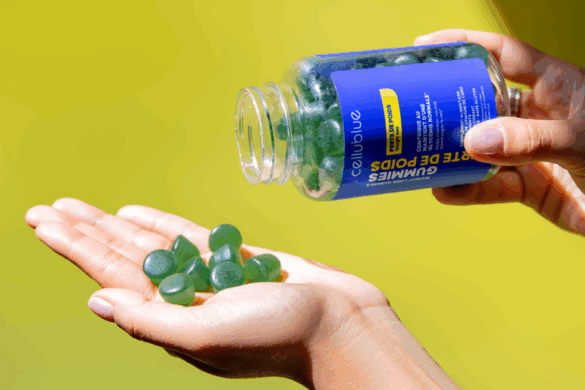
-16%Capsules made with chromium, which contributes to normal macronutrient metabolism
- Chromium contributes to normal macronutrient metabolism, meaning the sugars, fats and proteins in your meals
- It also contributes to the maintenance of normal blood glucose levels
- Dandelion, burdock and artichoke complete the formula
That said, it can be a good opportunity for:
- becoming aware of your attraction to sugar (the taste, but also your habits);
- paying attention to your digestion and how you feel after meals;
- taking care of yourself;
- building good habits (including reading labels to track down hidden sugars);
- rediscovering the natural flavours of food;
- making more room for slow-release carbohydrates, which are part of a balanced diet;
- spotting your snacking moments.
To make these new habits stick for the long term, it’s best to adopt a sugar-free approach over a longer period. Since it isn’t a highly restrictive or low-calorie diet, it has the advantage of feeling less frustrating and of gently re-educating your palate towards healthier eating. The ultimate goal: for it to stop feeling like a diet altogether and simply become your natural way of eating.
One sugar-free week: what to expect?
Taking on a sugar-free week challenge is above all a chance to take a closer look at your habits: when the craving for something sweet kicks in, which products contain sugar without you suspecting it, and how much of a role snacking plays in your day. Checking food labels gradually becomes second nature.
Everyone is different, and it’s hard to compare your experience with someone else’s. If you have any questions about your health, speak to your GP or a healthcare professional.
And in the long term?

If you decide to extend a diet with no added sugar over several weeks, it can help you build new habits:
- aiming for a weight that feels right for you by focusing on balance rather than restriction;
- becoming more aware of your hunger and fullness cues;
- making a varied diet part of your skin routine, just like your skincare products.
Everyone is different. If you have any questions about the risk of developing conditions such as diabetes, cardiovascular disease and high blood pressure, or about the health of your organs (particularly the liver and pancreas), speak to your GP or a healthcare professional.
Sugar-free week: what to eat in a day?
Tempted by the sugar-free week but not sure what to eat? Here’s a sample day’s menu to inspire you!
Breakfast
- An unsweetened hot drink
- A bowl of oat porridge made with skimmed milk or unsweetened soya milk, currants and mixed nuts
- A whole piece of seasonal fruit (juice raises the glycaemic index as it lacks fibre)
Lunch
- A salad of raw vegetables of your choice with an olive oil and lemon juice dressing
- A salmon fillet cooked en papillote, a portion of cooked vegetables and a portion of brown rice
- A plain yoghurt with a drizzle of honey
Snack
- An unsweetened fruit compote
- A small handful of almonds
Dinner
- A homemade vegetable soup
- A small omelette with 1–2 slices of wholegrain bread
- Fromage frais with pieces of fresh fruit or a red berry coulis with no added sugar
A few tips to see you through the week
To help your sugar-free week go smoothly, plan your meals in advance, using the sample day above for inspiration. Take the time to read labels, too, so you can spot hidden sugars in sauces, ready meals and “light” products. Try to vary your meals, making room for complex carbohydrates (wholegrains, legumes, root vegetables), lean proteins and vegetables.
If you feel peckish, reach for a handful of almonds, an unsweetened fruit compote or a whole piece of fruit rather than a juice. And if you slip up, don’t feel guilty: simply pick up where you left off the next day.
Related articles
- Juice cleanse: what it is, side effects and how to start
- Which fruit to eat in the evening? Ideas for dinner
- Fermented milk: what it is and how to add it to your diet
Useful categories: Slimming Nutrition, Weight Management.
To go further, explore the Cellublue shop: our body care products.