Pregnancy is a unique and magical time in a woman’s life. But, let’s be honest, it often comes with its share of discomforts. Small, rarely talked-about complaints that are very real nonetheless. Among them: itching on the belly. So how do you explain an itchy belly during pregnancy, and more importantly, what can you do about it?
Why does your belly itch during pregnancy?
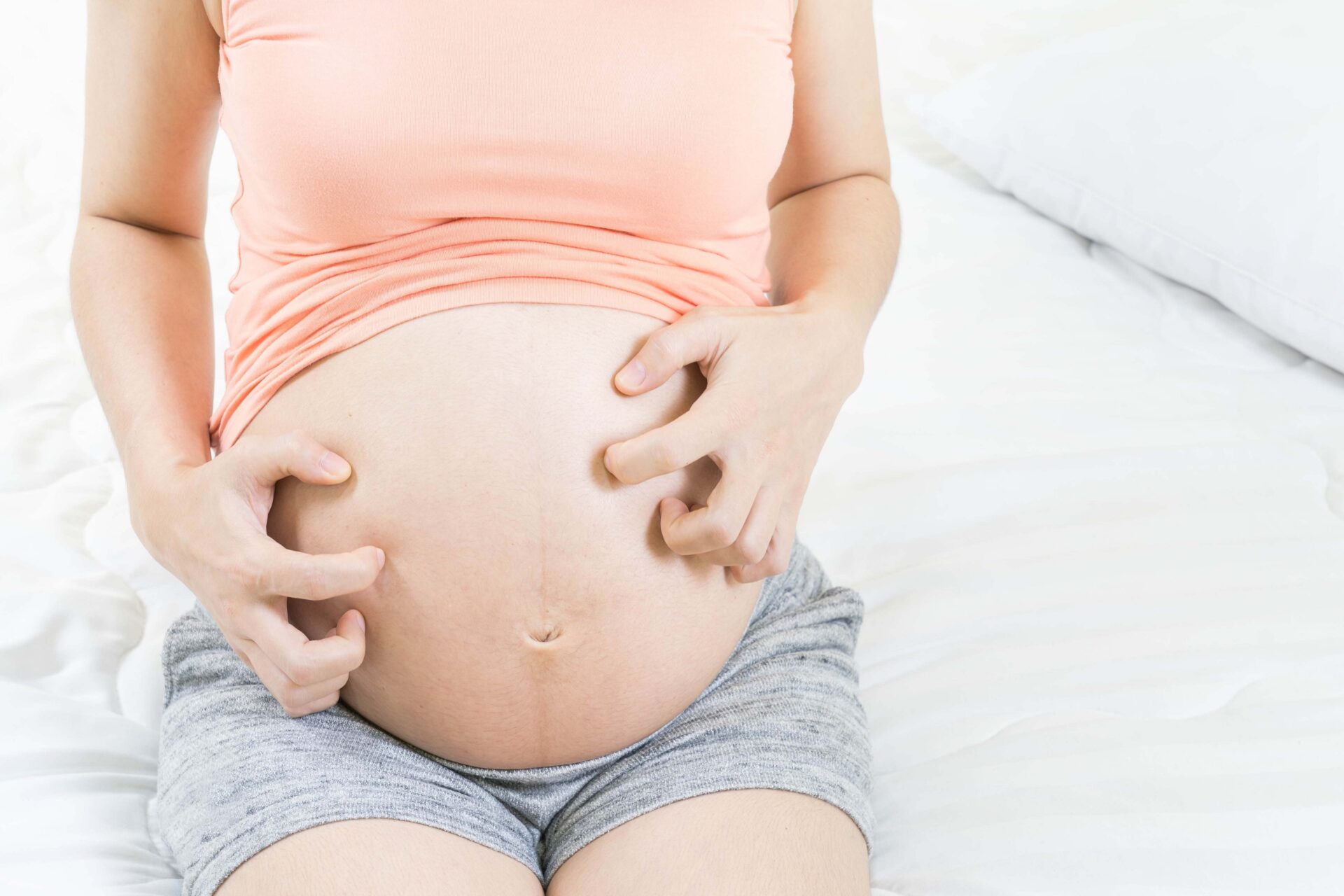
You’re pregnant and your belly is driving you crazy with itching? Don’t panic — we’ll explain everything! The causes are primarily physiological and, in most cases, completely harmless. The itching can be caused by:
- the natural stretching of the skin, as your baby grows inside your belly. As the tissues are repeatedly stretched, they can become irritated — an irritation that manifests as discomfort accompanied by itching and sometimes stretch marks;
- the intense hormonal upheaval that pregnancy brings, which alters the nature of the skin. Not all women are affected in the same way: some enjoy beautiful skin, well hydrated, while others experience dry skin and sensitivity that encourage itching;
- gestational pruritus, or intrahepatic cholestasis. This condition often occurs in the third trimester of pregnancy and is caused by sluggish liver function. The liver tends to become congested with toxins, including bile salts and acids, which triggers persistent and intense itching (on the belly, but also the chest and legs), sometimes accompanied by skin rashes. Although generally benign, the condition can progress to a more serious form. A visit to your doctor is therefore essential.
How to relieve the itching?
Solution no1: resist the urge to scratch
Easier said than done, we know… The problem is that if your belly itches and you scratch frantically, you risk not only making the symptom worse but also damaging your skin. The result: wounds and lesions that are far from ideal, slow to heal, and likely to leave scars.
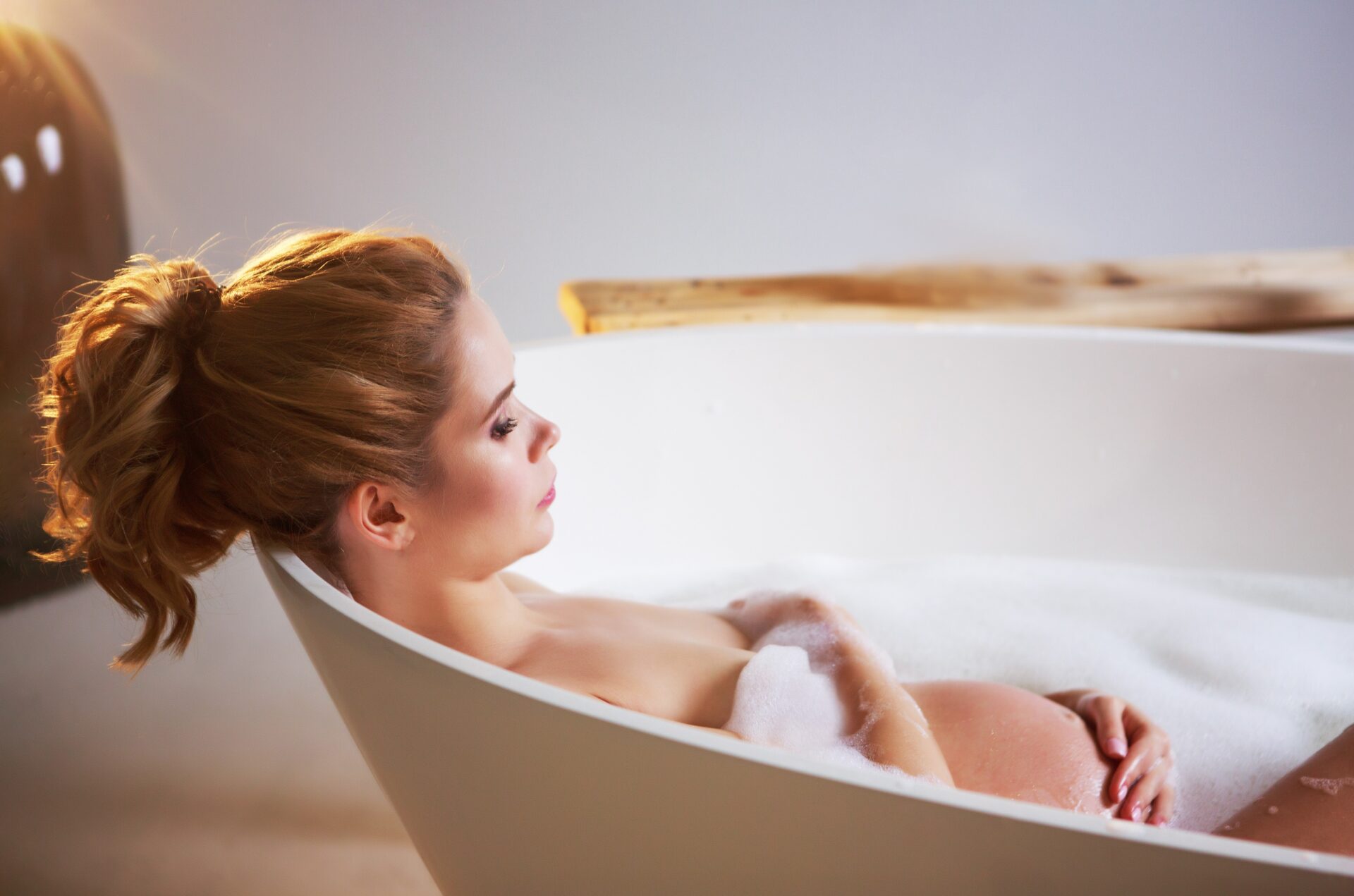
Solution no2: say goodbye to hot showers
Hot water has the particular effect of weakening the skin barrier, essentially stripping it. The skin is naturally covered by a protective layer called the hydrolipidic film — a blend of sebum and water. This slightly oily film protects the skin from external aggressors, maintains its hydration, and preserves the skin microbiome. Hot showers and baths contribute to breaking it down and thereby increasing skin sensitivity. The rule is simple: opt for lukewarm water, very gentle cleansers (superfatted or soap-free) and rinse thoroughly.
Solution no3: choose your clothing wisely
As you now know, pregnancy makes skin more fragile. To prevent your belly from itching too much, it’s best to choose clothing made from fabrics that won’t aggravate irritation or itching. Avoid wool directly against the skin (it scratches!), as well as synthetic fabrics, which promote static electricity and perspiration, and old or rough garments. Opt for natural fibres (cotton, linen) and loose-fitting clothes to minimise friction. Finally, use a certified hypoallergenic laundry detergent and, if possible, skip the fabric softener: fragrances tend to aggravate skin irritation.
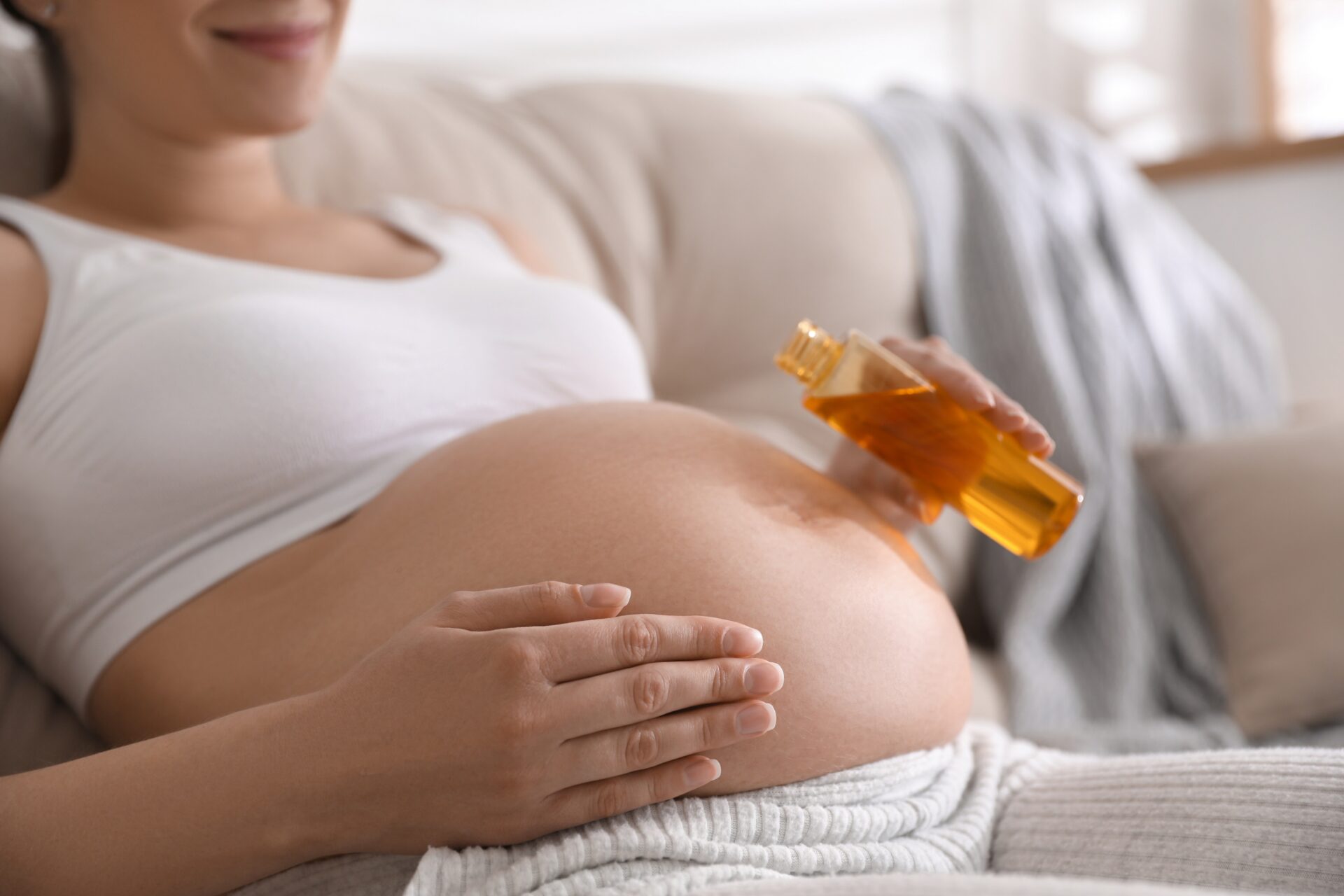
Solution no4: nourish your skin properly
To soothe the skin and reduce the intensity and frequency of itching, it’s important to give it the best possible care. Applying a natural plant-based oil daily to your belly can help calm itching. It should be pure, with no added essential oils (which can be harmful to your baby) or synthetic fragrances. Consider our Prevention Oil : it helps prevent itching and stretch marks by deeply nourishing the skin. A blend of 5 natural plant-based oils (sesame, sweet almond, avocado, jojoba and sunflower), it contains no mineral oil and is perfectly safe for use during pregnancy and breastfeeding. In short: the go-to solution for an itchy belly!
Solution no5: consult your doctor
One last recommendation — already mentioned, but so important… If you suspect gestational cholestasis because the itching is unbearable and waking you at night, you must see a doctor. Pregnancy is a time of great joy, but also of vulnerability. By visiting your doctor:
- you put your mind at ease;
- you make sure you stay in good health;
- you give your baby the best conditions for healthy development right up to birth.
At the slightest doubt, don’t hesitate — go and see your doctor!
