Keen to learn more about the plants used in old-time remedies? Have you heard of couch grass? No, nothing to do with a dog’s grin! This herbaceous plant, found in virtually every garden, has a long history in phytotherapy. Description, composition, traditional uses, related plants and precautions: we reveal all its secrets.
Secret No. 1: couch grass, a ‘weed’ that is not quite like the others 🌱💚
Used since time immemorial, this herbaceous plant from the Poaceae family bears an enchanting scientific name: Elytrigia (also known as Agropyrum repens or Elymus repens) according to the INPN (French National Inventory of Natural Heritage).
Behind this scholarly name lies a perennial plant that grows between 30 cm and 1.2 m tall and has a long, creeping rhizome. A nightmare for gardeners, this weed has nevertheless long been known to lovers of plants and herbal teas.
It contains mucilages — carbohydrates that swell with water — as well as potassium salts and polysaccharides. It is the root that is used to make herbal teas. This grass grows in virtually every garden. If you are interested in hydration and swollen legs, also read our article on water retention.
Secret No. 2: couch grass, a cousin of grandma’s herbal teas 🍸💚
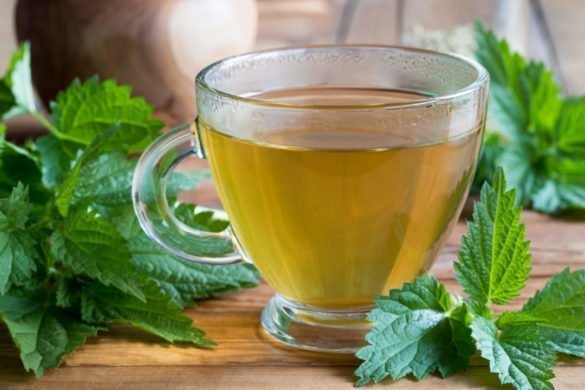
Weekend overindulgences or festive feasting weighing you down? For a gentle break, phytotherapy offers many hot drinks, such as a dandelion herbal tea, which herbalists often mention alongside couch grass.
For the dandelion herbal tea, the preparation for adults is to steep a generous tablespoon in a cup of hot water, then leave to infuse for at least 3 minutes. Drinking two to three cups a day is plenty.
However, this drink is not recommended for those with liver or gallbladder problems. As a precaution, ask a doctor or medical professional for advice, especially during pregnancy or breastfeeding.
Secret No. 3: couch grass in traditional herbal practices ☕💚
Back to our four-legged friends and their instincts. When dogs chew grass, they tend to seek out young shoots of couch grass. The plant also appears in the Dictionary of Medicinal and Poisonous Plants of France, a key reference work in phytotherapy.
This landmark botanical reference was written by a canon named Paul-Victor Fournier in 1947. It shows the place couch grass held in the old-fashioned home remedies of the past. Tradition liked to add barley and liquorice to a young-shoot infusion. This age-old secret is a reminder of how meadow plants have always been part of our everyday lives.
Finally, couch grass contains inulin, a dietary fibre also found in other plants, such as chicory and artichoke.
Secret No. 4: milk thistle, another plant used in herbal medicine 💃💚
Couch grass is not the only plant in old-fashioned remedies. Milk thistle, recognisable by its white-marbled leaves, is also a well-known plant in phytotherapy.
It was already used in Antiquity. To prepare milk thistle herbal tea: 3.5 grams of the plant’s dried seeds (known as achenes) should be boiled in 150 ml of water.
Once ready, it is traditionally drunk half an hour before meals. However, this drink is not suitable for pregnant or breastfeeding women or in cases of bile duct obstruction. Ask a doctor or medical professional for advice before drinking it.
Secret No. 5: precautions to be aware of 🍓💚
Couch grass has been the subject of research, notably a study published in 2005 and carried out on animals. This research does not allow any conclusions to be drawn for humans: a plant is never entirely harmless, so it is best to exercise caution.
Exercise caution if you have heart or kidney conditions, if you are pregnant or breastfeeding, or if you are taking hypoglycaemic or diuretic medication. Speak to your doctor.
Couch grass and your figure: what to bear in mind
Online, couch grass is often associated with the wish to regain a lighter-looking figure. However, the research mentioned above was carried out on animals. It does not allow any conclusions to be drawn for humans. A cup of herbal tea is above all a warm, comforting drink, to be enjoyed as part of a varied diet and an active lifestyle.
If you would like to change your diet or are considering a herbal course, ask a doctor or pharmacist for advice. They will be able to guide you according to your situation.
Now you know all about couch grass: its description, composition, traditional uses and the precautions to take. Next time you stroll through a meadow, hair in the breeze, you’ll look at this prolific plant in a whole new light! And before starting any herbal tea routine, ask a doctor or pharmacist for advice.
Read also: our wellness tips | Herbal teas: 6 varieties and how to prepare them
Frequently asked questions
Which part of couch grass is used?
It is the root of couch grass that is used to make herbal teas. This perennial plant has a long, creeping rhizome, well known to gardeners trying to get rid of it.
What does couch grass contain?
Couch grass contains mucilages — carbohydrates that swell on contact with water — as well as potassium salts, polysaccharides and inulin, a dietary fibre.
Is couch grass suitable for everyone?
No. Caution is advised if you have a heart or kidney condition, during pregnancy or breastfeeding, and if you are taking hypoglycaemic or diuretic medication. Ask your doctor for advice before drinking it.
Related articles
- Lazy girl approved: couch workout to fight cellulite!
- Our little secrets for a dream booty!
- Our little secrets for caring for the skin on your buttocks
Useful categories: Anti-Cellulite Plants.
To go further, explore the Cellublue shop: our anti-cellulite products.
 -27%
-27%Your evening cuppa, ten dried botanicals
- Peppermint contributes to digestive function, and green anise helps support digestion
- Couch grass brings its gentle sweetness, hibiscus its tangy note and meadowsweet its floral touch
- Linden, for its part, adds a soft, floral note and aids digestion


The scrub that leaves skin smooth and skin texture refined*
*User test on 21 volunteers over 4 weeks, based on participants' feedback.
- Olive & apricot kernels: these natural grains gently sweep away dead skin cells
- Caffeine & monoi scent, so your shower instantly smells like a holiday
- In the shower, two to three times a week, massaging your thighs, bottom and stomach