
Those stubborn extra pounds! You’ve noticed you’re putting on weight, but you can’t quite explain why. Is it really possible to gain weight for no apparent reason? In reality, weight gain always has a cause, even if it isn’t always obvious. Alcohol, a sedentary lifestyle, food choices, ready meals, sleep, snacking, stress, medication: here are the 8 most common reasons, each with simple ideas on what you can do about it.
Why am I gaining weight?
Let’s set the record straight right away: you never gain weight for no reason. There is always a cause, whether metabolic or lifestyle-related. And sometimes, small everyday habits are to blame — especially when they add up. Here are the most common reasons people gain weight without really noticing.
Reason 1: regular alcohol consumption
You don’t drink often, but you never say no to a glass. A little aperitif here, a birthday celebration there. By the end of the year, it all adds up. Because yes, alcohol does cause weight gain:
- It is highly caloric: one gram of ethanol contains 7 kcal, which is more than a gram of table sugar.
- Alcohol provides calories with little nutritional value, often called empty calories. It is also difficult for the body to metabolise and places a heavy burden on the liver. Regular drinking is associated with visceral fat (around the stomach).
- Alcohol disrupts the feeling of fullness and encourages you to eat more than you need.
- It affects food choices and increases cravings for fatty, salty foods.
So if you feel like you’re gaining weight, your alcohol consumption may well be the reason. You know what to do…
Reason 2: a sedentary lifestyle

Your idea of a perfect day is staying cosy at home. You enjoy sport, as long as it’s on TV. You take the car for even the shortest trips. In short: you don’t move enough. A sedentary lifestyle not only leads to excess weight, but also to poor health. Think diabetes, high cholesterol, an increased risk of cardiovascular disease, even cancer. A lack of physical activity could well explain some of your extra pounds. To break the cycle, it’s a good idea to bring more movement back into your daily life:
- Leave the car at home and get around on foot or by bike. It’s the simplest way to get moving and burn calories. Even short trips make a difference…
- Embrace fun, active pursuits: playing with your dog, gardening, dancing with friends, going for a scooter ride, strolling around town on foot…
- Find a sport you genuinely enjoy — and you really are spoilt for choice, with so many activities out there…
- Make it enjoyable: if exercise feels like a chore, you won’t stick with it.
Reason 3: poor food choices
Nutrition advice tends to go in one ear and out the other. You’re convinced your diet is perfectly healthy, and that it couldn’t possibly be the reason you’re gaining weight. Yet what seems balanced to you may not actually be. A truly balanced, varied diet should provide the macro- and micronutrients your body needs to function at its best. According to ANSES and the WHO, it should include:
- Carbohydrates at around 55%
- Fats at around 30–35%
- Proteins at around 10–15%
- The vitamins and minerals your body needs
- Enough water (1.5 to 2 litres per day)
- Plenty of fibre
It’s worth noting that fats should ideally be mono- and polyunsaturated, carbohydrates complex and low-GI, and proteins lean. In addition, salt, sugar and saturated fats should be kept to a minimum, while fresh produce should take centre stage. It may be time to take a close look at your overall diet and identify where the unnecessary calories are creeping in. A fan of ready meals? Unable to resist a croissant at breakfast? A committed cheese lover who has some at every meal? Spread on toast is your favourite snack? There’s no mystery here: weight gain always has a reason, and yours may simply be a tendency to make poor food choices.
Reason 4: the ready meal reflex
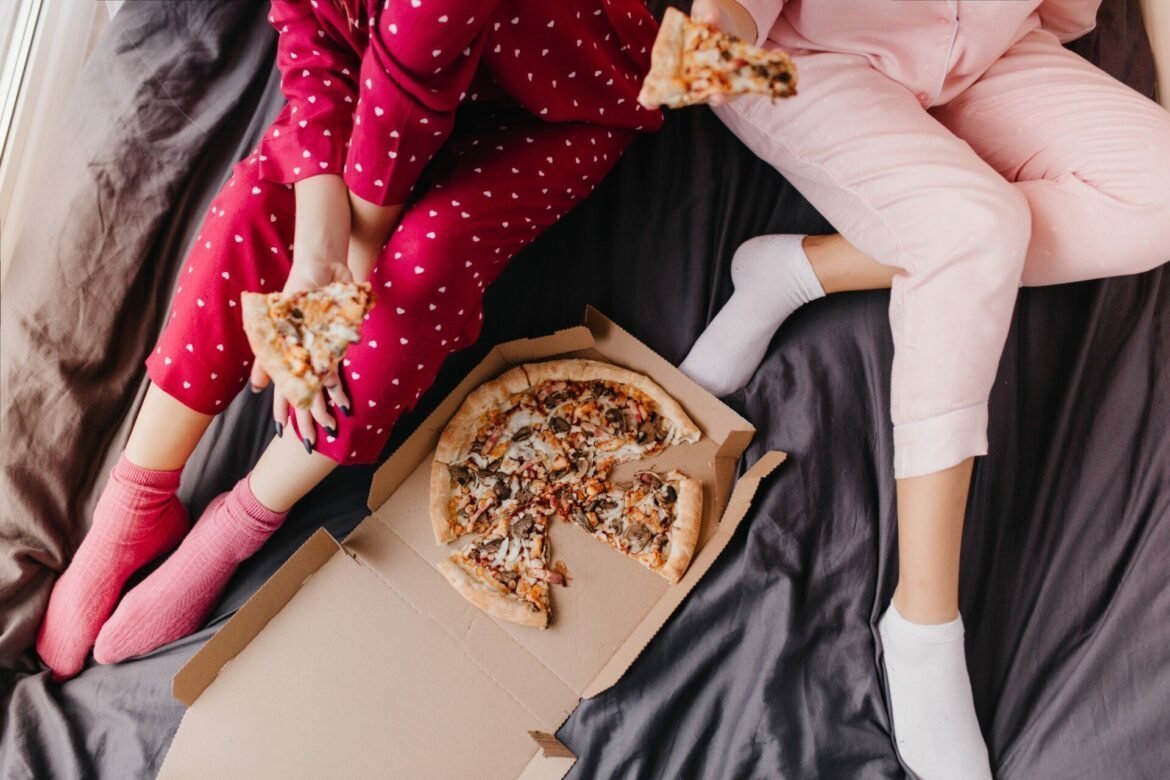
This one goes hand in hand with the previous point: you hate cooking. Or by the time evening comes, the last thing you want to do is stand at the stove. So you automatically reach into the freezer and pull out a ready meal. You heat it up in the microwave in a matter of minutes, then eat it in front of the TV. Or you’ve fallen into the habit of ordering a takeaway, just a tap away on your phone. The main problem with these quick fixes: you have no control over what you’re eating. Not the portion sizes, not the preparation, not the quality of the ingredients. So this handy habit may well be playing a big part in your weight gain. Loving food isn’t the problem: it all comes down to how it’s prepared. To avoid putting on weight, it’s worth rolling up your sleeves and getting into the kitchen. It doesn’t have to be complicated or time-consuming. In fact, preparing tasty meals can be wonderfully simple. Browse recipes online or invest in one of our cooking guides, such as our Guide: 50 Super Easy Slimming Recipes or our Guide: 50 Slimming Recipes in Under 20 Minutes.
 -16%
-16%Capsules made with chromium, which contributes to normal macronutrient metabolism
- Chromium contributes to normal macronutrient metabolism, meaning the sugars, fats and proteins in your meals
- It also contributes to the maintenance of normal blood glucose levels
- Dandelion, burdock and artichoke complete the formula
Reason 5: poor sleep
Does sleep affect weight? Absolutely! Because at night, your body is far from idle:
- It burns calories to keep vital functions running.
- It regulates many hormones involved in weight management — including ghrelin, the hunger hormone, and leptin, the satiety hormone.
- It metabolises dietary carbohydrates in preparation for the next day’s physical and mental activity.
If you sleep too little, or poorly, this whole delicate system goes off balance. You store more, your hunger and fullness cues are disrupted… and you gain weight. To prevent this weight gain, look after your sleep. Go to bed early and at regular times (even at weekends). Keep your bedroom cool and well ventilated, and make sure it stays quiet and dark throughout the night.
Reason 6: snacking

Your weakness is raiding the fridge or the cupboard every couple of hours. Yet snacking is one of the biggest enemies of a healthy figure. Eating constantly throughout the day puts strain on your digestive organs and keeps your body producing insulin non-stop. Not to mention the calories that accumulate to a surprising total by the end of the day. Try to understand why you snack: genuine hunger or simply the desire to eat? If it’s the former, your meals may not be balanced enough — in which case, it’s worth looking at how to eat better. If it’s the latter, it may be worth digging a little deeper to understand why you eat (boredom, stress, sadness, frustration, anger). Emotional eating doesn’t have to be inevitable — you can seek support from a nutritionist, a doctor, or a psychologist.
Reason 7: stress
Stress is also a common reason for weight gain. It can trigger snacking, as mentioned above, but it can also cause an overproduction of cortisol. What’s that? It’s a hormone naturally produced by the body to help manage short-term stressful situations (waking up, rapid memorisation, emergencies). But in cases of chronic stress, cortisol is produced continuously, which can have an impact on weight. It stimulates insulin production, which in turn promotes fat storage. To avoid weight gain, it’s important to manage stress: avoiding anxiety-inducing situations, practising relaxation, meditation, staying organised… There are countless ways to break the cycle.
Reason 8: medication

Certain medications — such as corticosteroids, a poorly suited contraceptive pill, HRT, beta-blockers, or some antidepressants — can contribute to weight gain. These chemical compounds have a direct impact on hormonal balance, which in turn influences the body’s tendency to store fat. The best course of action is to discuss your concerns with your prescribing doctor, so they can adjust your treatment and help minimise any associated weight gain.
What if you’re gaining weight quickly for no obvious reason?
When the pounds creep on gradually, it’s often lots of little things adding up: a drink here, a ready meal there, a few late nights. However, if you’re putting on weight quickly without having changed your eating habits, your activity levels or your routine, don’t try to work out the cause on your own, whether you’re a woman or a man. Book an appointment with your GP: they can look into the cause and point you in the right direction. It’s also the right thing to do if the weight gain comes with other changes that worry you.
Is there a helping hand to be found?
As you’ll have gathered, weight gain always has a reason. Once you identify it, you can take suitable action, and find our tips on managing your weight without dieting. And if you’re looking for a little extra support to help you along the way, here are our suggestions:
- Our Slimming Cosmetics Pack brings together our best-selling body care products: the cryo and night treatments, the Dry Slimming Oil and the Thermoactive Slimming Cream. It lets you build a complete body routine that cares for your thighs, waist, stomach and bottom, alongside a balanced diet and regular physical activity.
- Our Weight Loss Programme combines a food supplement routine (Slimming Capsules and Slimming Drainer) with coaching, to support you over the long term.
Frequently asked questions
Why am I gaining weight when I’m not eating more?
Eating the same amount isn’t always enough to keep your weight stable. A sedentary lifestyle, poor sleep or stress can encourage the body to store more. Calories from alcohol and snacking can also easily go unnoticed. Finally, some medications can affect your weight: if so, talk to your doctor.
Why am I gaining weight even though I watch what I eat?
What seems balanced to you may not always be. Ready meals, everyday sugary or fatty foods and snacking between meals can add up without you realising. Taking a close look at your overall diet helps you see where the unnecessary calories are creeping in.
Why am I mainly putting on weight around my stomach?
Several of the reasons covered in this article may play a part, such as regular drinking or chronic stress. Looking at these habits is a good first step. If the weight gain worries you or appears without any change in your lifestyle, ask your GP for advice.
Related articles
- Juice cleanse: what it is, side effects and how to start
- How to lose weight naturally?
- How to lose weight in the pool?
- Grand Challenge 2015 – Day 27
Useful categories: Slimming Solutions, Weight Management.