Thighs that seem to thicken overnight, a bloated belly, swollen knees by the end of the day, and legs that feel impossibly heavy… Could it be water retention? Fair enough — but what can you do about it? If you’re looking for ways to combat water retention and are considering a drainage supplement, what follows might be just what you need…
Sommaire
Everything you need to know about water retention
1- What is water retention?
It’s a fairly common phenomenon, but one that can be genuinely uncomfortable. Water retention is caused by poor elimination of water from the body. Our bodies are made up of approximately 65% water. Under normal circumstances, water circulates throughout the body and is eliminated via the excretory organs — primarily the kidneys, but also the skin (through sweat) and the lungs (through breathing). Sometimes, however, this finely tuned mechanism breaks down. Water accumulates and stagnates in the blood vessels which, under this excess pressure, dilate and become permeable. Water then escapes and settles into the surrounding tissues.
2- What causes water retention?
There are many factors that can contribute to water retention, including:
- Hormones: certain female hormones, such as oestrogen, encourage water retention. It’s no surprise, then, that we tend to bloat at certain points in our cycle or during pregnancy. The same applies to some synthetic hormones — the contraceptive pill, for instance, can trigger water retention if it isn’t well suited to you.
- Poor blood and lymphatic circulation: some people, due to genetics or a sedentary lifestyle, suffer from venous and lymphatic insufficiency. When venous return is sluggish, fluids tend to “pool downwards”, vessels dilate… and water retention sets in, particularly in the legs and thighs.
- Underlying health conditions: certain illnesses or medications can worsen water retention. This includes people with heart, kidney or thyroid conditions, or those taking antihypertensive or anti-inflammatory treatments.
- Lifestyle factors: general lifestyle habits can play a significant role in the onset of water retention. Contributing factors include insufficient hydration, smoking, prolonged sitting or standing, tight-fitting clothing, a diet high in salt, and extended exposure to heat.
3- What are the effects of water retention?
So how does water retention actually show up? It tends to produce a rather unpleasant set of symptoms, including:
- Oedema: these are simply unsightly swellings that can affect any area of the body, but most commonly appear in the lower half (gravity being what it is). Legs that look like tree trunks, swollen feet, puffy thighs, a waistline that seems to expand as if by magic.
- Unexplained weight gain: water retention causes the scales to creep up. This isn’t fat accumulation (thankfully!) — it’s water building up in the tissues, which naturally adds weight.
- Heavy legs : a feeling of heaviness in the legs, accompanied by tingling and pins and needles… This can very well be water retention linked to venous and lymphatic insufficiency. And it’s deeply uncomfortable.
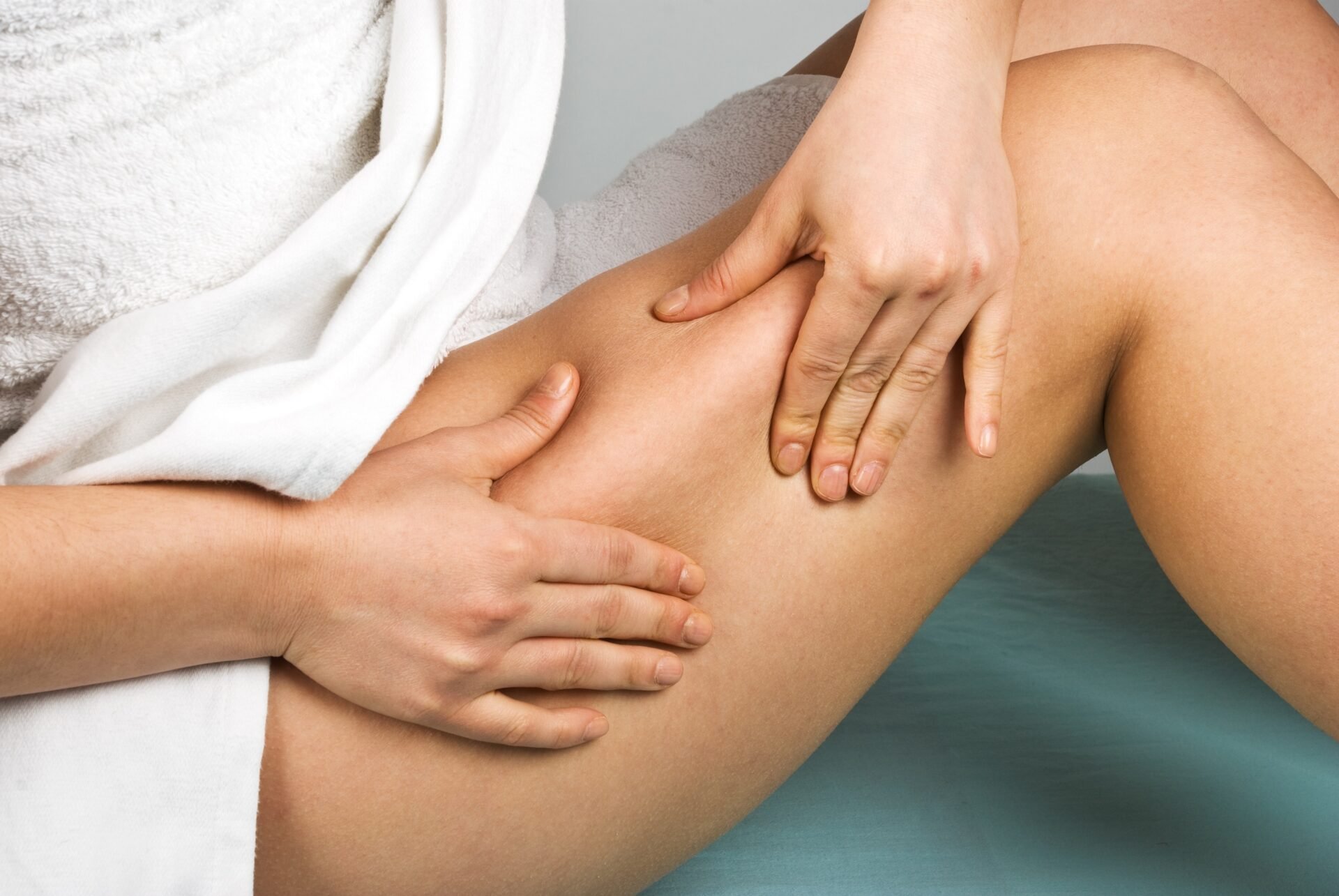
- Cellulite : but not just any kind. When cellulite is associated with water retention, it’s known as aqueous cellulite. It presents as a puffy, swollen appearance — not necessarily painful, but with a visible orange-peel texture when pinched.
Why drainage supplements are effective against water retention
1- What is a drainage supplement?
First things first — if you’re not sure what a drainage supplement actually is: it’s a drink or drinkable solution with a draining and diuretic action on the body — meaning it encourages the elimination of water trapped in the tissues, as well as waste and toxins. Some drainage supplements also have a venotonic action to address poor venous tone, or even a mild laxative effect to get a sluggish digestive system moving again.
2- How can a draining drink help reduce water retention?
It’s quite straightforward! By acting on the venous and lymphatic pump, the permeability of blood vessels, inflammation and elimination, a drainage supplement helps to reduce water retention, partially or entirely.
The most effective drainage supplements will draw on:
- Venotonic plants (which support the tone of vein walls): butcher’s broom, red vine, horse chestnut, ginkgo biloba, blackcurrant, bilberry, witch hazel, sweet clover.
- Natural anti-inflammatory actives: nettle, devil’s claw, turmeric, willow, pineapple, bamboo, horsetail, marigold, Roman chamomile.
- Diuretic plants: ash, birch, mouse-ear hawkweed, orthosiphon, heather, dandelion, cherry stem, meadowsweet.
An effective drainage supplement should therefore be formulated with a range of actives to address the different issues associated with water retention. That’s exactly the approach behind our 3-in-1 Cellulite Drainer, which features several of the plants mentioned above (ash, pineapple) for enhanced efficacy. It also harnesses green tea for its draining properties, papaya and ulva algae to support digestion, and guarana to kickstart lipolysis. Our Cellulite Drainer is effective across all cellulite types, while also helping to reduce water retention. It’s taken as a course of 2 weeks, like any other food supplement. It can also be paired with our Cellulite Capsules : vegan capsules with a 100% natural formula, crafted from draining and nourishing plants. Looking for a detox programme? Try our Anti-Cellulite Cure — it works wonders on water retention!
3- Any other tips for tackling water retention?
Alongside your drainage supplement course, a number of lifestyle and dietary measures can help you effectively combat water retention:
- A diet low in salt, favouring foods that support good venous health — leafy green vegetables, red berries, nuts, wholegrains, dark chocolate (yes, really!).
- Movement every day, with walking to stimulate the venous pump and, where possible, a gentle sport practised regularly (yoga, aqua aerobics, Pilates, swimming).
- Better lifestyle habits overall: avoiding static positions and heat sources, quitting smoking, and wearing loose-fitting clothing.
- Small gestures that make a big difference — like elevating your legs in the evening and at night (it feels amazing!) and finishing your shower with a cold water rinse over your legs.