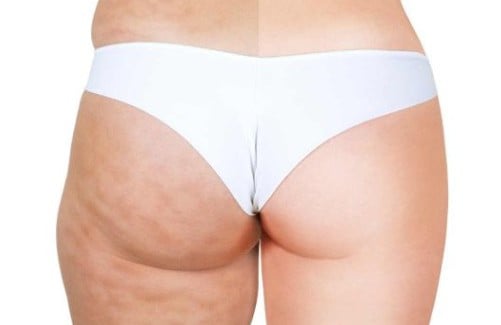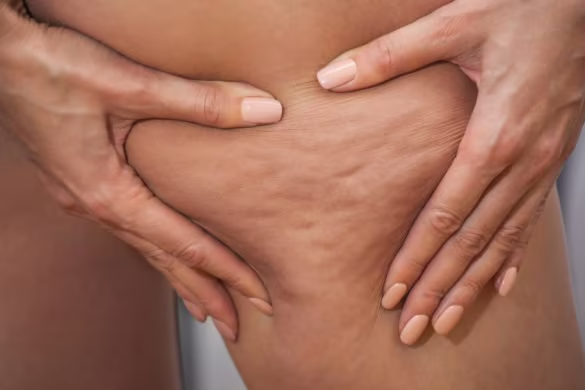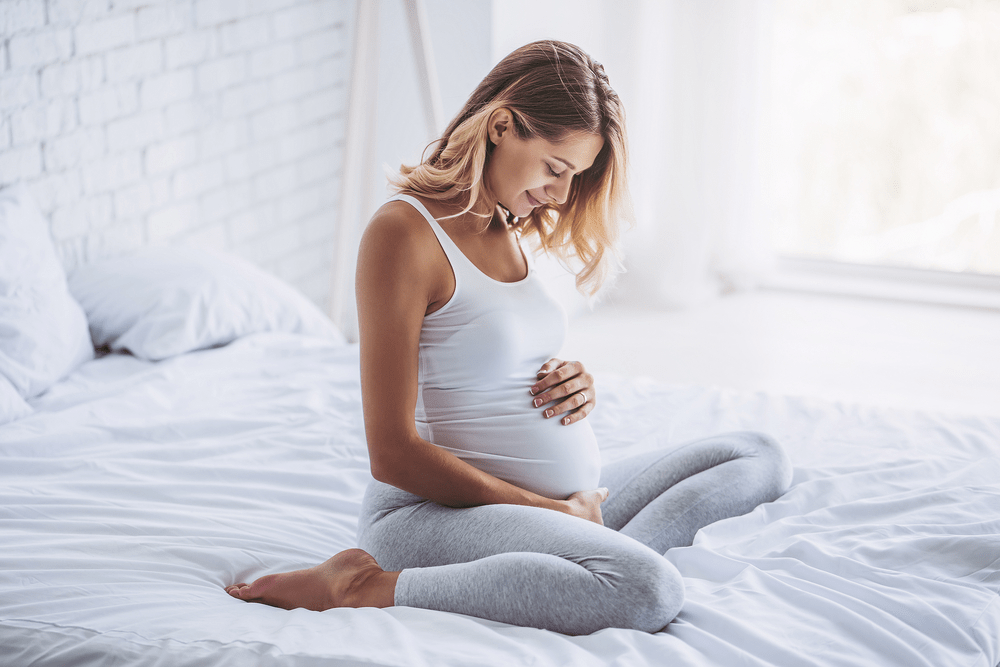
You may not have known this, but the appearance of cellulite is linked, among other things, to hormonal fluctuations. And during pregnancy, hormones go through major upheaval! We explain why you may notice your cellulite developing while pregnant — and how to keep it in check.
Why does cellulite develop more during pregnancy?
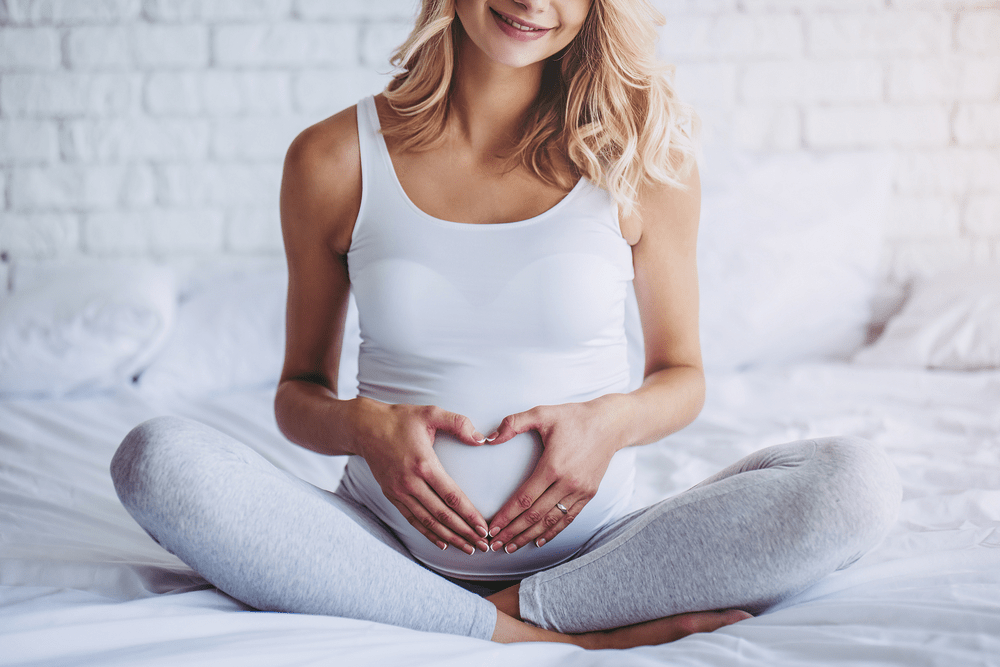
Three things combine during pregnancy: a rise in oestrogens, a rise in prolactin and, towards the end of pregnancy, the baby’s weight and size.
Oestrogens increase fat storage
As we just mentioned, the appearance of cellulite is linked to hormonal fluctuations in women, particularly oestrogens.
Oestrogen levels rise at certain key moments in life:
- puberty
- taking hormonal contraception
- pregnancy
- breastfeeding
The role of oestrogens is to prepare the body for a potential pregnancy by increasing fat storage. These fats are used as energy reserves before and during pregnancy, as well as during the breastfeeding period. When our body stores large amounts of fat in adipocytes (fat cells), these cells increase significantly in size and fatty deposits form. These deposits then become visible beneath the skin — the notorious dimples we know as cellulite.
Prolactin encourages the body to build up energy reserves in the form of fat
Oestrogens are not the only hormones that play a key role in the appearance of cellulite during pregnancy. Another hormone, prolactin, is also responsible for this phenomenon. Prolactin levels in a woman’s body rise from the very beginning of pregnancy. This hormone’s role is to prepare the mammary glands for breastfeeding. To do so, it encourages our body to build up energy reserves… once again in the form of fat!
Furthermore, prolactin may also have an impact on fluid elimination and could promote water retention in the tissues, contributing to the appearance of water-based cellulite.

The massage oil that helps prevent stretch marks from appearing*, during pregnancy and beyond
*User test on 21 volunteers over 3 weeks, based on participants' feedback.
- Why does it work?
Poor circulation in the body
Finally, the last reason that explains the development of cellulite during pregnancy is the baby itself. Towards the end of pregnancy, the baby’s weight and size can impair healthy blood and lymphatic circulation by compressing the vessels. Poor circulation leads to the stagnation of fluids and fats in the tissues, which in turn contributes to cellulite and water retention.
What about cellulite on your thighs during pregnancy?
If you’ve noticed dimpling on your thighs since early pregnancy, the same mechanisms described above are at play: pregnancy hormones encourage your body to build up reserves.
Trying to get rid of this dimpling while you’re pregnant isn’t the goal, as these reserves are there for your baby and then for breastfeeding. If it’s on your mind, have a chat with your doctor or midwife.
Find out more about the other causes of cellulite
How can you prevent cellulite from developing during pregnancy?
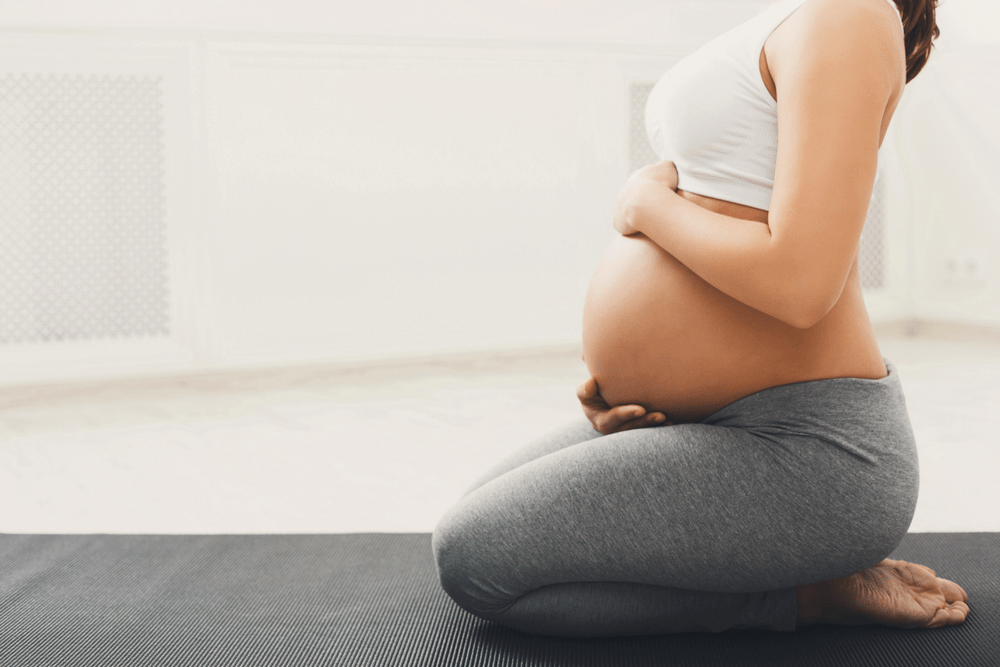
Now you know, ladies — it is perfectly normal to experience cellulite during pregnancy. That said, here are a few everyday tips.
Avoid eating too much fat, sugar or salt
Fat, sugar and salt should be consumed in moderation: it’s best to limit them during pregnancy and favour a varied, balanced diet.
Avoid staying in the same position for too long
If you sit or stand all day, you may notice swelling linked to water retention.
Stay active
If you have no contraindications, you can keep up a suitable level of physical activity during pregnancy. Ask your doctor or midwife for advice on choosing the activity that suits you.
Avoid high heels and tight-fitting clothing
Just like prolonged sitting or standing, high heels and tight clothing aren’t the most comfortable. Best to avoid them during pregnancy!
After pregnancy and breastfeeding
After giving birth, every body changes at its own pace. If you have any questions about breastfeeding, speak to your doctor or midwife.
It is entirely normal and natural to see cellulite develop during pregnancy — it’s a sign that your body is preparing for your baby’s arrival! Once the breastfeeding period is over and with your doctor’s approval, you’ll be able to start tackling dimples again with palpate-roll massages and anti-cellulite treatments.
Frequently asked questions
Is it normal to get cellulite during pregnancy?
Yes, it’s completely normal: it’s a sign that your body is preparing for your baby’s arrival. The reasons are explained in the section “Why does cellulite develop more during pregnancy?”.
What everyday habits can help when you’re pregnant?
For your comfort, you can eat a varied diet, avoid sitting or standing for too long, stay active in a suitable way if your doctor gives you the go-ahead, and opt for flat shoes and loose-fitting clothes. These tips are covered in more detail in the second part of the article.
Does pregnancy cellulite go away after giving birth?
Every body is different and changes at its own pace after giving birth. If you have any questions about your body after pregnancy, speak to your doctor or midwife.
Related articles
- Hormones and cellulite: what’s the connection?
- Pregnancy: what are the solutions for dry skin during pregnancy?
- Water retention in the thighs: causes and solutions
Useful categories: All About Cellulite.


The cream that helps prevent the appearance of stretch marks* and improve how they look
*Consumer test on 22 volunteers over 3 weeks, based on participants' feedback.
- Helps prevent the appearance of stretch marks on the stomach, hips, thighs and bust. Apply morning and night
- Three plant oils: macadamia softens, sunflower soothes and coconut holds in hydration
- Velvety texture: it absorbs easily and calms feelings of tightness