Anyone who has ever dealt with water retention knows how uncomfortable it can be. Swollen legs, tingling, a feeling of tightness and the appearance of water cellulite… To care for your legs naturally and easily, here are 3 DIY massage oil recipes made with essential oils that you can prepare at home. You’ll also find the causes of water retention and our tips on how to use these blends.
What causes water retention?
Water retention is caused by a build-up of fluid in the body’s tissues. The human body is made up of around 70% water. Two thirds of this water is found inside cells (intracellular fluid), while the remaining third circulates through blood vessels and between cells. Under certain conditions, this extracellular water can seep into the tissues and become “trapped” there, preventing the body from eliminating it properly. This leads to swelling, known as oedema.
Water retention can have a number of causes, including:
- Certain medical conditions: veno-lymphatic, renal, cardiac or thyroid insufficiency, as well as certain pulmonary conditions, can disrupt the circulation of vital fluids such as blood and lymph.
- Medication: particularly hormonal treatments (the pill, HRT), antipsychotics, antihypertensives and corticosteroids.
- Heat: heat causes vasodilation (widening of blood vessel diameter) and increases the permeability of blood and lymphatic vessels. Fluids no longer circulate properly, and water “escapes” from the bloodstream into the surrounding tissues.
- Hormones: during pregnancy, in the premenstrual phase or at the time of menopause, female hormones (oestrogen and progesterone) fluctuate and can trigger water retention. Elevated cortisol levels can also impair blood circulation, leading to excess fluid being stored in the tissues.
- Prolonged immobility: whether sitting or standing, static positions slow down veno-lymphatic flow (and can even compress blood vessels when seated). This venous sluggishness is a contributing factor to water retention.
- Sodium: a diet too high in salt is detrimental to the free circulation of vital fluids. Sodium encourages the body to “store” water in the tissues rather than draining it efficiently towards the elimination organs.
- Tight clothing and high heels: a less obvious cause of water retention. Overly restrictive clothing can hinder healthy blood flow by compressing the leg veins, while high-heeled shoes interfere with proper venous return (due to the unnatural foot movement they create when walking).
Why and how to use these essential oils?
With their carefully chosen ingredients and the massage you give as you apply them, these oils slot easily into your leg care ritual. To learn more about water retention, take a look at our advice on the associated symptoms. To get the most out of these oils, use them daily in the evening on clean, dry skin. Start the massage at the ankles and work your way up to the tops of the thighs.
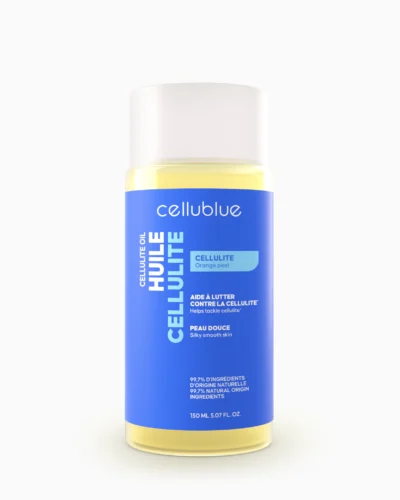 GREAT VALUE
The oil that visibly smooths the look of your skin
- Complete formula: 4 powerful actives for a targeted massage of cellulite-prone areas
- Smoother-looking skin: actives designed to complement the palper-rouler technique
- Sensorial massage : rich texture and Monoï scent for a gentle, feel-good ritual
These massage oils can be stored in a cool, dry place away from light. Important note: do not use them if you are pregnant, if you have sensitive skin, or before sun exposure!
Recipe no. 1: cinnamon and rosewood massage oil
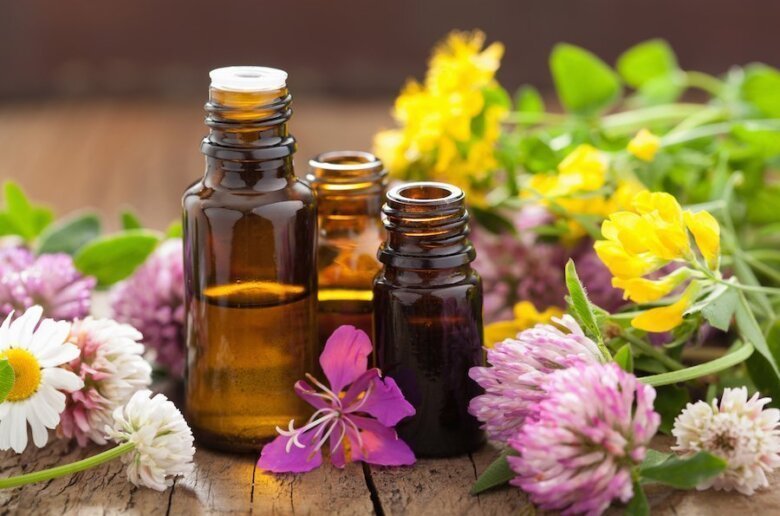
Ingredients:
- 100 ml hazelnut oil
- 15 drops cinnamon essential oil
- 15 drops rosewood essential oil
- 10 drops grapefruit seed oil
Method:
Start by disinfecting or sterilising your bottle.
Then, using a small funnel, pour in your carrier oil and add your essential oil drops. Don’t skip the grapefruit seed oil – it’s what will keep your massage oil fresh for longer! Finally, close the bottle and shake vigorously until the blend is fully combined. And that’s it – it’s ready to use!
Recipe no. 2: juniper and cypress massage oil
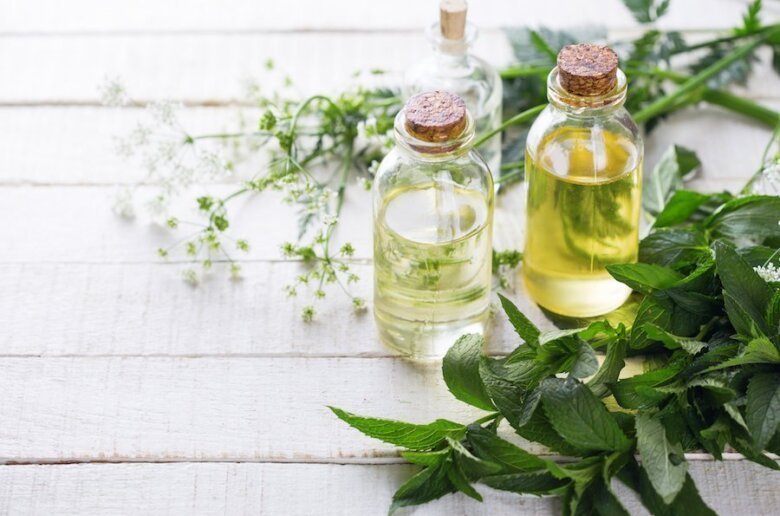
Ingredients:
- 60 ml hazelnut oil
- 2 drops juniper EO
- 3 drops niaouli EO
- 3 drops rose geranium EO
- 3 drops cistus ladanifer EO
- 2 drops cypress EO
- 2 drops lemongrass EO
- 2 drops sweet orange EO, especially for its lovely scent!
Method:
Simply pour the hazelnut carrier oil into a clean bottle, then add the essential oils one by one. Close, shake well and use this oil when you massage your legs.
Recipe no. 3: sweet almond and clary sage massage oil
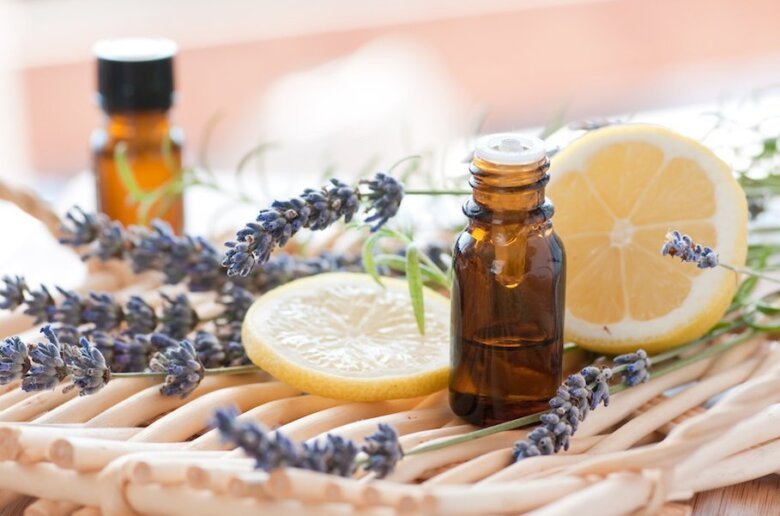
Ingredients:
- 60 ml sweet almond oil
- 1 drop Ceylon cinnamon EO
- 2 drops clary sage EO
- 2 drops Atlas cedarwood EO
- 2 drops menthol eucalyptus EO
- 3 drops spike lavender EO
- 1 drop turpentine EO
- 1 drop grapefruit EO
Method:
Just like the previous recipes, start by pouring the sweet almond oil into a clean bottle, then add the essential oils. Mix well – and it’s ready to use!
Simple, right? Share your beauty and wellness tips on the Cellublue community, right here!
How do you choose between these three recipes?
All three recipes work on the same principle: a carrier oil base with a few drops of essential oils added. Recipe no. 1 is the simplest. It pairs hazelnut oil with cinnamon, rosewood and grapefruit seed oil. Recipe no. 2 also uses hazelnut oil, but with a richer blend (juniper, niaouli, cypress, rose geranium…). Recipe no. 3 swaps the hazelnut oil for sweet almond oil.
Choose the one whose scent you like best and use it as described above. Before using a blend for the first time, do a patch test on a small area of skin.
Rounding off your routine
As you know, water retention is associated with the appearance of water cellulite. To complement these treatments, don’t forget to use your CelluBlue Cups. With them, you can easily recreate the pinch-and-roll massage technique to care for your skin.
In just 5 minutes of use per day, and combined with CelluOil massage oil, CelluBlue Cups help you enjoy a proper massage moment in your skincare routine. Find out more right here.
Frequently asked questions
Can I use these massage oil blends during pregnancy?
No, these blends are not suitable during pregnancy. If you have any questions about your legs while you are pregnant, ask your GP or midwife for advice.
Are swollen legs always caused by water retention?
Not necessarily. Swollen legs can have a number of different causes. If your legs swell often, if they are painful or if you are taking medication, ask your GP or another medical professional for advice before starting these massages.
Related articles
- Water cellulite: signs, causes and everyday tips
- Water retention in the belly: causes and tips
- 3 DIY Care Treatments for Your Legs
Useful categories: Anti-Cellulite Care.

The cupping tool that replicates pinching and rolling, 3 minutes per zone
- The professionals' technique, at home: you lift, glide, and release, and the tool grips the skin fold like a manual pinching and rolling
- Soft silicone that fits thighs, buttocks, stomach, and arms
- 3 minutes per zone, every day, always with a massage oil so the tool glides

The scrub that leaves skin smooth and skin texture refined*
*User test on 21 volunteers over 4 weeks, based on participants' feedback.
- Olive & apricot kernels: these natural grains gently sweep away dead skin cells
- Caffeine & monoi scent, so your shower instantly smells like a holiday
- In the shower, two to three times a week, massaging your thighs, bottom and stomach