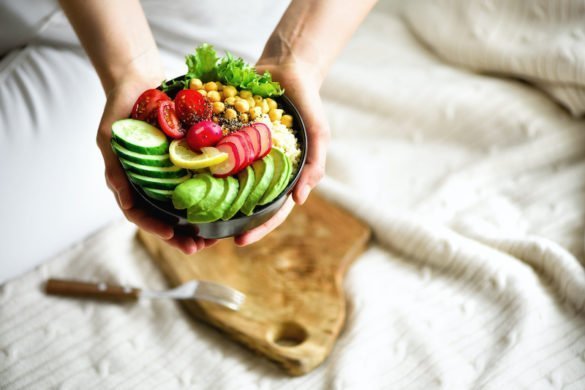
Starchy foods cover a wide range of ingredients — pasta, bread, cereals, legumes… We tend to see them as the enemy and cut them out entirely in the hope of slimming down and fighting cellulite. But are we right to do so? Let’s take a closer look.
What are starchy foods?
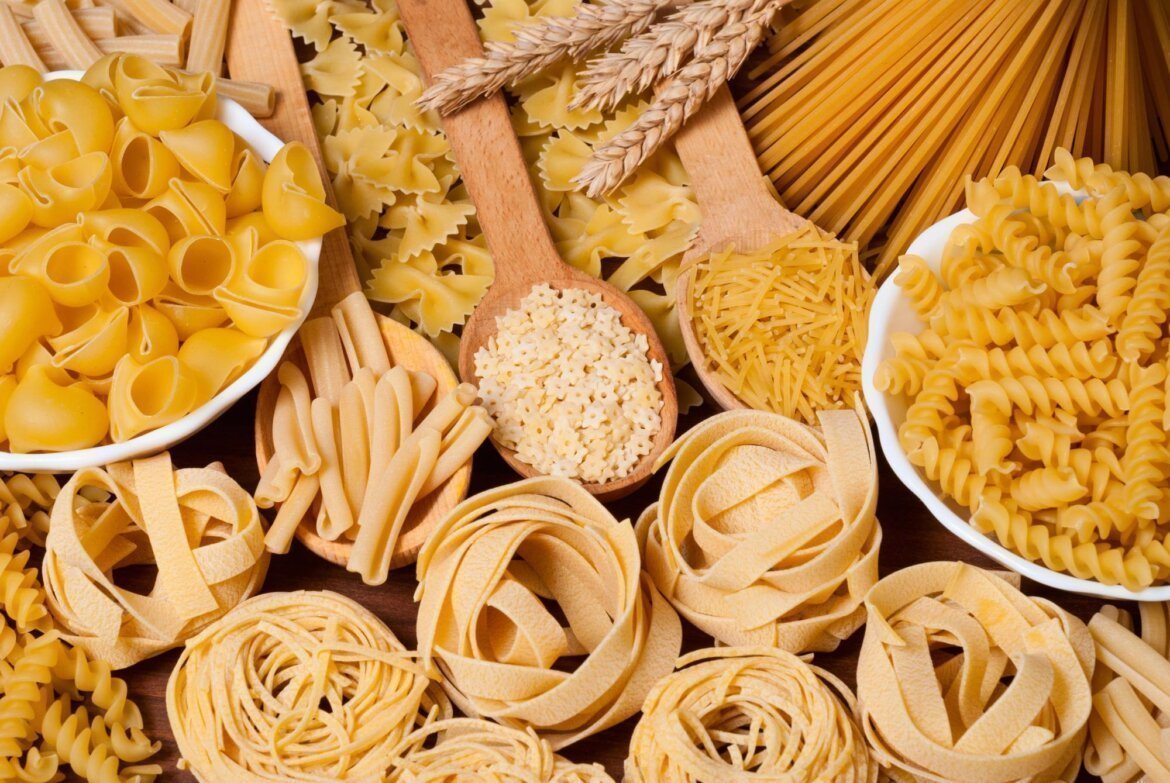
Natural starchy foods include wheat, corn, lentils and more. Then there are all the processed versions — pasta, bread, pastries… They contain slow-release carbohydrates (also known as complex sugars) and lend themselves to all sorts of recipes, from breakfast to dinner, making it easy to vary your meals. They’re also rich in fibre, B vitamins and minerals.
Starchy foods are relatively calorie-dense, but they give the body the energy it needs to function properly. They’re just as important in a balanced daily diet as fruits and vegetables!
Time to bust some myths!

Despite their bad reputation among women looking to take care of their figure and their skin — some of whom cut them out entirely — starchy foods deserve a comeback! In fact, when chosen wisely and prepared well, they have their place in balanced, enjoyable meals.
And when cravings strike, snacking follows! Who hasn’t given in to intense hunger pangs after following a strict diet that banned all starchy foods? We all know how easily snacking creeps into our daily lives. So it’s better to plan complete, regular meals, to keep a well-structured eating routine and enjoy real moments of pleasure at the table!
What’s more, starchy foods can be enjoyed in countless ways. And if you opt for wholegrain varieties, you also benefit from their fibre, which has its place in a balanced diet.
How much starchy food should we eat?
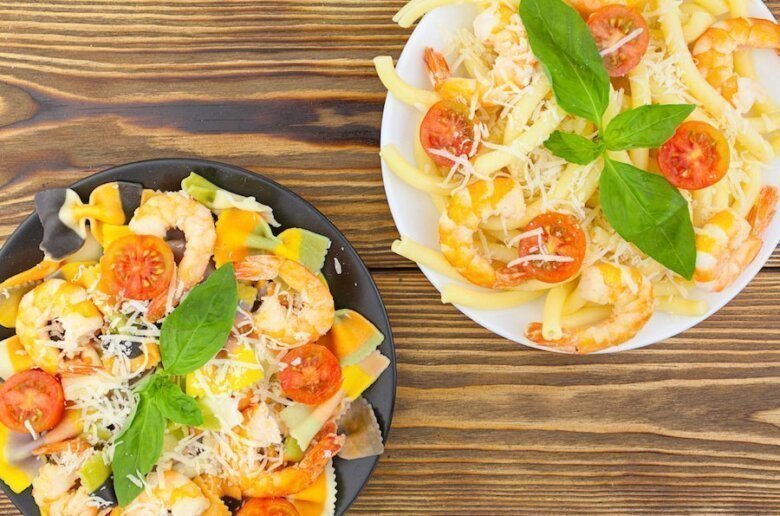
According to some studies, starchy foods can be eaten three times a day, making up around 30% of your total daily food intake. That said, this doesn’t mean loading up on pasta carbonara at every meal!
We’re talking about starchy foods paired with vegetables and protein. If starchy foods have such a bad reputation, it’s often because they’re consumed the wrong way — in excess or with the wrong accompaniments. Keep in mind that starchy foods should make up a quarter of your plate (another quarter being protein, and the remaining half, vegetables).
And of course, to keep things interesting and make the most of their many benefits, mix it up: brown rice, wholegrain pasta, Jerusalem artichoke, sweet potato, pulses, regular potatoes and more.
Which starchy foods are best?
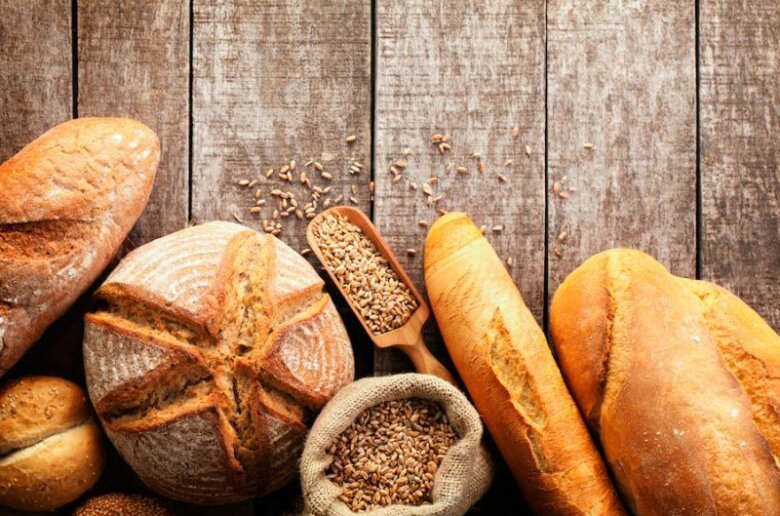
To get the most out of starchy foods, go for wholegrain versions. Brown rice, wholegrain pasta, wholemeal bread… they’ll provide your body with far more nutrients than their refined counterparts. So it’s time to say goodbye to the classic white baguette!
For breakfast, we can’t recommend wholemeal bread or oats enough — both are easy to include in a balanced start to the day.
Brown rice, meanwhile, has its place on a varied plate.
If you love pasta, there’s no need to deprive yourself. Just enjoy it mindfully — with fresh herbs, spices and a drizzle of olive oil, for example.
You can also mix things up with lesser-known starchy foods like spelt, millet or bulgur wheat.
And let’s not forget that starchy foods also include pulses: chickpeas, lentils, broad beans, kidney beans… Packed with fibre and protein, they’re easy to include in a varied, balanced diet.
Finally, there are root vegetables: potatoes, sweet potatoes, yam and Jerusalem artichoke. Feel free to embrace them — though sweet potatoes are preferable to regular potatoes, thanks to their lower glycaemic index.
Key takeaways
- Choose wholegrain, ideally unprocessed varieties of starchy foods, and take the time to eat them alongside protein and vegetables
- You can enjoy starchy foods at breakfast, lunch and dinner if you wish
- Watch what you pair them with — sweet or savoury: yes to vegetables or fruit, go easy on butter, cheese or spreads.
- Opt for cooking methods that don’t require added fat
- Cook pasta and grains al dente
- At lunch and/or dinner, fill your plate with ¼ starchy food, ¼ protein and ½ vegetables
- Vary your starchy foods: oats, bread, pasta, rice, quinoa, bulgur wheat…
As you can see, starchy foods are your friends! Enjoyed in moderation, chosen wisely and paired well, they have their place in a balanced diet. The golden rule? Savour, vary, balance!
To take care of your stomach and your skin, remember to combine a healthy diet with regular physical activity and palpate-and-roll massage. By combining these 3 good habits, you’ll be taking care of your skin every day!
Related articles
- Why does my stomach bloat after eating?
- 8 foods that cause bloating
- 3 good habits for caring for your stomach
Useful categories: Slimming the Belly, Slimming Nutrition.
 -27%
-27%Your evening cuppa, ten dried botanicals
- Peppermint contributes to digestive function, and green anise helps support digestion
- Couch grass brings its gentle sweetness, hibiscus its tangy note and meadowsweet its floral touch
- Linden, for its part, adds a soft, floral note and aids digestion