In today’s image-conscious society, cellulite remains a persistent concern. Contrary to popular belief, this dimpled skin texture affects nearly 90% of women. Linked in part to hormones, cellulite mainly appears on the legs, thighs, buttocks and hips. The good news is that what you put on your plate can be one of the simple ways to look after yourself. Here are 11 everyday habits, from hydration and good fats to salt and sugar, for a balanced and enjoyable diet alongside your usual skincare routine.
1 – Vary your drinks and flavours
Cellulite dimples appear as small, visible irregularities beneath the skin’s surface. In nutrition, the value of a varied diet is often emphasised as part of a balanced lifestyle. Looking after your body also means enjoying good food and cooking at home. Here are a few ingredients that are easy to include in your meals:
- Green tea: this drink is ideal for varying your options alongside water, enjoyed hot or iced, plain or flavoured. It is a simple way to add variety to your everyday drinks.
- Onion: hard to believe, yet the food that gives us bad breath is also an excellent seasoning. Its versatility makes it an ideal table companion for adding flavour to your dishes and reducing the need for rich sauces.
- Citrus fruits: like green vegetables, these tangy fruits have their place in a balanced diet. They are rich in vitamin C and add freshness and zest to salads and desserts. For a vitamin C boost, try lemon or orange.
2 – Choose tasty, flavourful foods
Tasty foods and spices have their place in a balanced diet. They add flavour, colour and enjoyment, helping you vary your meals without getting bored. A colourful, flavoursome plate can also encourage you to cook at home rather than reach for ready-made meals. Here are a few foods to include:
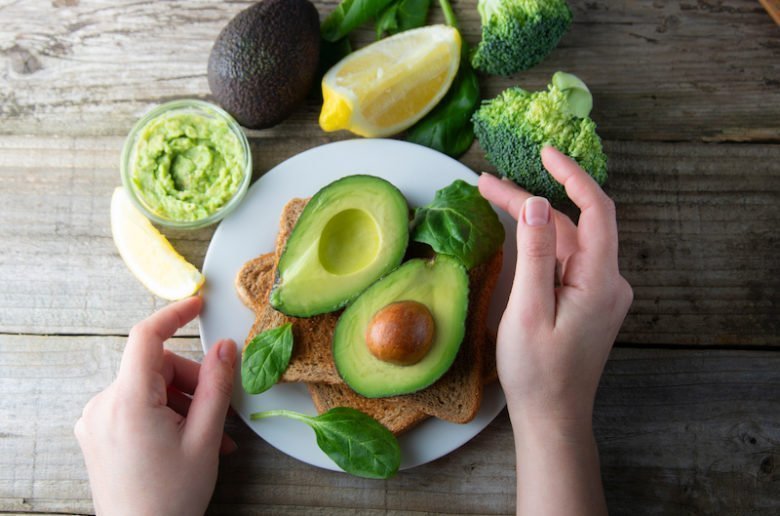
- Avocado: a source of vitamin E, avocado is creamy and delicious, and can be enjoyed on toast, in a salad or as guacamole. Among the foods to include in a balanced diet, its popularity is undeniable.
- Ginger: with its unmistakable flavour, ginger can be used in virtually any dish for a real flavour boost. Grated into a stir-fry, infused in hot water or added to a marinade, it lifts your recipes without adding fat. A practical spice for varying flavours and adding a little heat to everyday meals.
- Dark chocolate: it provides magnesium and a welcome note of indulgence at the end of a meal. Choose one with a high cocoa content and enjoy it in moderation, of course (2 squares a day, for example).
3 – Enjoy plenty of colourful fruit
Fruit provides water, fibre and vitamins, while adding colour and enjoyment to your meals. Varying your choices throughout the seasons is one of the simple habits of a balanced lifestyle:
- Seasonal fruit: strawberries, apricots, pears or plums — choosing them throughout the year helps vary the flavours and colours on your plate.
- Berries: rich in fibre and full of colour, these fruits are easy to add to desserts and breakfasts.
- Black grapes: their sweet flavour and juicy texture make them a delicious fruit. Ideal for varying your desserts and snacks.
4 – Enjoy eggs, pulses and green vegetables
Eggs, pulses and green vegetables are practical ingredients for putting together complete meals. Depending on the food, they provide vitamins, minerals or fibre, and can be used in many recipes. Some are particularly easy to add to your menus:
- Lentils: a source of plant protein and fibre, they can be used in salads, soups or a lentil curry and are easy to keep in the cupboard.
- Eggs: a simple and affordable source of protein. Ideal in a balanced diet, they can be soft-boiled, made into an omelette or added hard-boiled to a mixed salad.
- Spinach: this green vegetable provides iron, as well as vitamins A, C and E. Enjoyed raw in a salad or cooked in a frying pan, it is easy to pair with everyday meals.
5 – Eat the right fats
We tend to avoid fatty foods by reflex. Yet some of them contain good fats — unsaturated fatty acids — which have their place in a varied and balanced diet when enjoyed in reasonable amounts. Here are 3 examples of good fats:
- Olive oil: as a dressing or cooking companion, olive oil provides quality fats and a fruity flavour that lifts everything from raw vegetables to roasted vegetables. A spoonful is enough to add flavour to a dish.
- Almonds: almonds can be enjoyed guilt-free in small portions. They provide calcium, magnesium, protein, fibre and polyphenols. What more could you ask for?
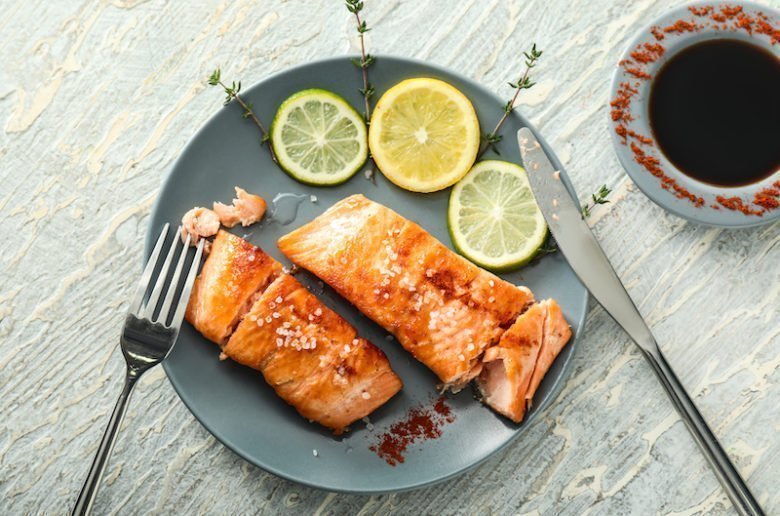
- Salmon: rich in omega-3 and protein, salmon is a must for varied and flavoursome meals, whether cooked in a parcel or simply pan-fried. It can occasionally be swapped for mackerel or sardines.
 -27%
-27%Your evening cuppa, ten dried botanicals
- Peppermint contributes to digestive function, and green anise helps support digestion
- Couch grass brings its gentle sweetness, hibiscus its tangy note and meadowsweet its floral touch
- Linden, for its part, adds a soft, floral note and aids digestion
6 – Include protein at every meal
Proteins have their place in a balanced diet. Spread throughout the day, they complement your meals and pair well with regular physical activity. Here are 3 protein-rich foods to include:
- White meat: prized for its protein content, chicken is ideal for a wide range of recipes, whether grilled, roasted or cooked in a parcel. It is the star of white meats.
- Soft cheese: a little guilty pleasure, its creamy texture is often hard to resist. When chosen with a low fat content, it is an interesting source of protein.
- Walnuts: as a snack, nothing beats these nuts, which provide protein and fibre. To be enjoyed in moderation, of course.
7 – Create light, varied meals
Rebalancing your plate does not mean depriving yourself. Lower-calorie foods that are easy to cook and full of flavour can help you gently vary your meals from day to day. Here are 3 particularly interesting options:
- Aubergine: among the vegetables to include, aubergine is a firm favourite. Low in calories and a source of fibre, it acts like a sponge during cooking, so try baking or steaming it to limit the amount of fat used.
- Apple: needless to say, despite its modest size, this fruit provides pectin, a valuable type of fibre. Quick to eat and easy to carry, this fruit fits neatly into everyday life.
- Cinnamon: this spice adds flavour to desserts and can help reduce the need for added sugar. Cinnamon is a delicious touch to add to a balanced diet.
8 – Vary your options with plants and herbal infusions
Plants have long been part of our culinary traditions. Some plants are particularly well suited to infusions or cooking, helping you vary flavours throughout the seasons. Nature offers a remarkable variety of options. Here are 3 to discover and enjoy in your everyday routine:
- Dandelion: this well-known flower can be enjoyed in many ways. Its young leaves add a slightly bitter note to spring salads, and the plant can also be used in infusions.
- Meadowsweet: with its delicate fragrance, this plant is a popular choice for herbal infusions. Infused, it offers a pleasant alternative to sugary drinks.
- Guarana: this exotic Amazonian plant naturally contains caffeine. Like coffee, it should be consumed in moderation; if in doubt, ask a doctor or healthcare professional for advice.

9 – Stay hydrated throughout the day
A balanced diet also includes sufficient water. Water is one of the foundations of a healthy lifestyle, and the body is mostly made up of it. Drinking at least 1.5 litres of water a day, regularly throughout the day, is recommended. Even if you do not feel an absolute need to drink more, making more room for water in your daily routine is an excellent habit: keep a reusable bottle within reach. When it comes to enjoyment, tea is a perfectly good option, as are herbal infusions.
10 – Reduce your salt intake
Salt is one of the ingredients to limit in your daily diet. Overconsumption often comes from our habits once the plate is served. A pinch of salt during cooking is not a problem, but vigorously shaking the salt cellar over a dish is a habit worth breaking.
Nutrition guidelines also encourage us to moderate our salt intake, which is often higher than we realise: it can be found in bread, cold meats, cheese, savoury snacks and ready-made meals. Always taste your food before adding more salt and give your palate time to adjust to less salty flavours. To avoid overdoing it, use spices, fresh herbs, garlic or lemon to season your dishes. Finally, cook your own meals rather than relying on ready-made and processed foods.
11 – Limit sugar and refined carbohydrates
We come now to a central topic in modern nutrition: added sugar and refined carbohydrates. Nutrition guidelines recommend moderating their consumption. Cakes, fizzy drinks, chocolate spread, shop-bought tomato sauce, brioche and more: sugar can be found everywhere and is one of the things to limit. Consumed in excess, it can easily unbalance your diet and leave less room for nutrient-rich foods. An occasional treat, such as a chocolate pastry once a week, has its place in a balanced diet. However, eating a packet of shop-bought biscuits every day is not a habit worth keeping. Sugar is best viewed as an occasional indulgence, not a daily staple.
Refined carbohydrates, meanwhile, are part of everyday life: white pasta and white bread are among the most common examples. They are generally low in fibre. Most provide mainly empty calories, meaning they contain few vitamins and minerals. Choose fibre-rich vegetables and wholegrain foods such as oats, quinoa and brown rice to easily meet your carbohydrate needs while adding variety to your meals.
Related articles
- Self-massage at home: our tips
- What is anti-cellulite dry brushing?
- 6 types of leg self-massage
- Cellulite and diet: what to know
Useful categories: Nutrition.
To go further, explore the Cellublue shop: our body care products and our anti-cellulite products.


The cupping tool that replicates pinching and rolling, 3 minutes per zone
- The professionals' technique, at home: you lift, glide, and release, and the tool grips the skin fold like a manual pinching and rolling
- Soft silicone that fits thighs, buttocks, stomach, and arms
- 3 minutes per zone, every day, always with a massage oil so the tool glides

The scrub that leaves skin smooth and skin texture refined*
*User test on 21 volunteers over 4 weeks, based on participants' feedback.
- Olive & apricot kernels: these natural grains gently sweep away dead skin cells
- Caffeine & monoi scent, so your shower instantly smells like a holiday
- In the shower, two to three times a week, massaging your thighs, bottom and stomach