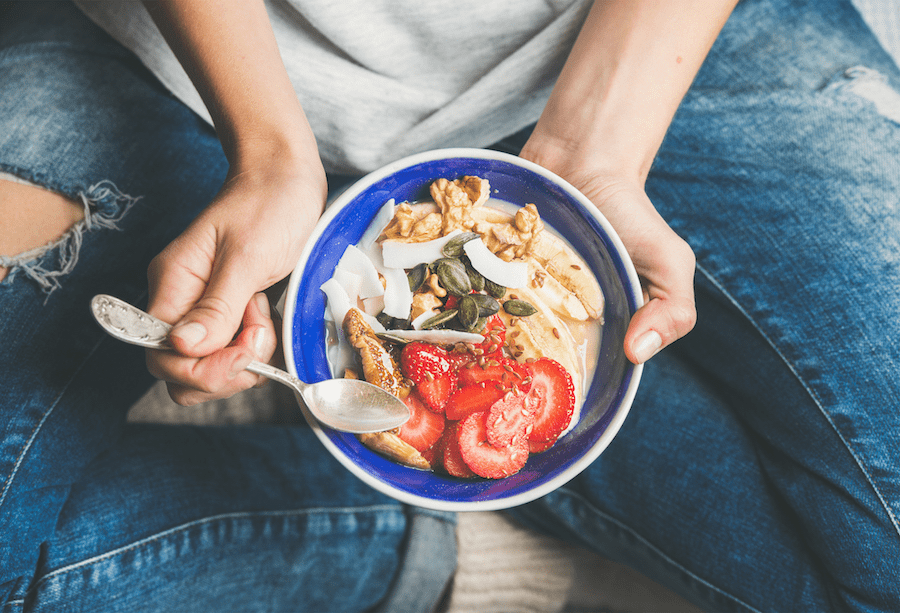
A varied diet is part of a balanced lifestyle, and it sits naturally alongside a routine where you also take care of your skin. Discover 20 foods that deserve a place on your plate, plus our ideas for working them easily into your meals.
Discover our list of 20 foods to add to your plate
Green Tea
Green tea is lovely on its own, whether hot or iced. It’s best enjoyed between meals and in moderation, for example one or two cups over the day.
Chia Seeds
Chia seeds (black or white) fit easily into a varied diet. Sprinkle them straight over your dishes or leave them to soak in milk.
Berries
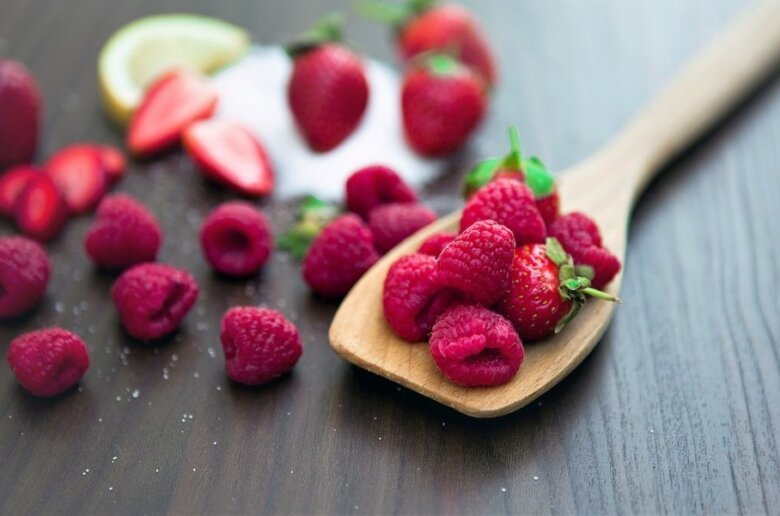
Load up on strawberries, blackberries and raspberries at breakfast! These fruits provide vitamin C and polyphenols, and go just as well with yoghurt as with porridge oats.
Tomato
Tomatoes contain lycopene and are easy to add to all sorts of everyday recipes.
Banana
Rich in potassium, the banana is a handy on-the-go fruit and easy to add to a complete breakfast alongside a dairy product and a cereal.
Cucumber
Fresh and light, cucumber is easy to add to your salads and starters.
Lemon

Like citrus fruits in general, lemon is a great ingredient to have in your kitchen. Use it in dressings or add a squeeze of lemon juice to your water.
Beetroot
Beetroot contains lycopene and vitamin E. Raw in a salad, roasted in the oven or blended into a soup, it adds a splash of colour to your plate.
Leeks
Don’t overlook vegetables! Leeks, but also broccoli, spinach, fennel, onions, peppers… They’re rich in vitamins and fit easily into a varied diet, including if you fancy a detox-inspired menu.
Brewer’s Yeast
Brewer’s yeast contains potassium. As for lymphatic drainage, that’s a massage technique you learn separately. In the kitchen, sprinkle brewer’s yeast over your salads, soups and even yoghurts.
Endive
Also rich in potassium, endive works in lots of recipes. When it comes to lymphatic drainage, massage is the place to look. Try filling each leaf with prawns and a light vegetable mousse for a fun, light appetiser!
 -27%
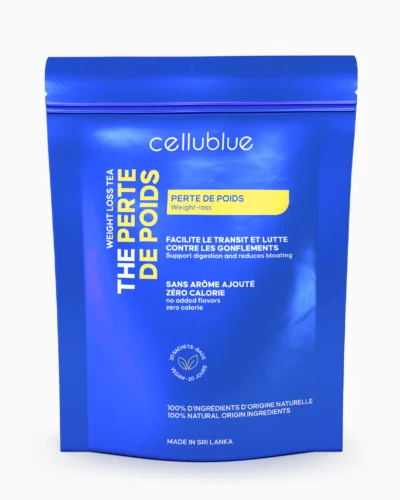
-27%Your evening cuppa, ten dried botanicals
- Peppermint contributes to digestive function, and green anise helps support digestion
- Couch grass brings its gentle sweetness, hibiscus its tangy note and meadowsweet its floral touch
- Linden, for its part, adds a soft, floral note and aids digestion
Grapes
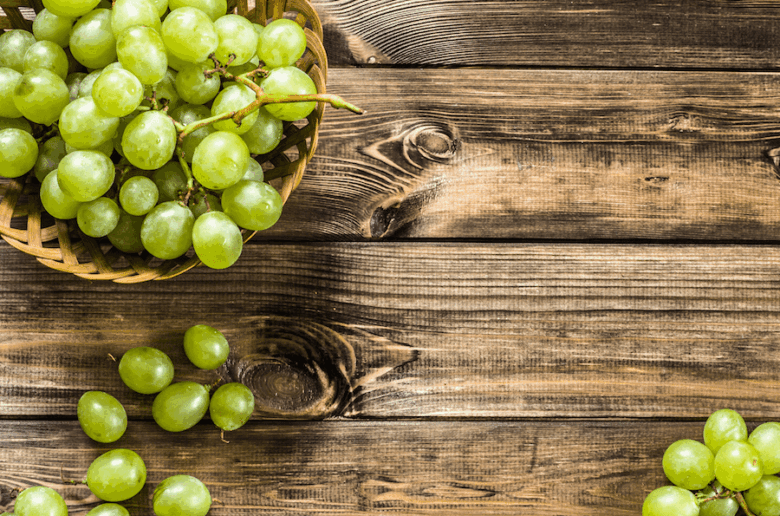
Grapes make a great snack to nibble on. Their flesh provides trace elements and minerals, and their skin contains tannins and antioxidants.
Carrot
Yes, this generous vegetable fully deserves its place on your plate. Rich in vitamin A and retinol, the carrot lends itself to all kinds of dishes. So why not whip up a tasty homemade juice with carrots, apples, lemon and ginger?
Vinegar
Vinegar, and apple cider vinegar in particular, is an easy addition to your meals. Don’t hesitate to use it when making your salad dressings.
Citrus Fruits
Citrus fruits have the advantage of being rich in vitamin C. Reach for oranges or grapefruit to add variety to your daily fruit intake!
Onion
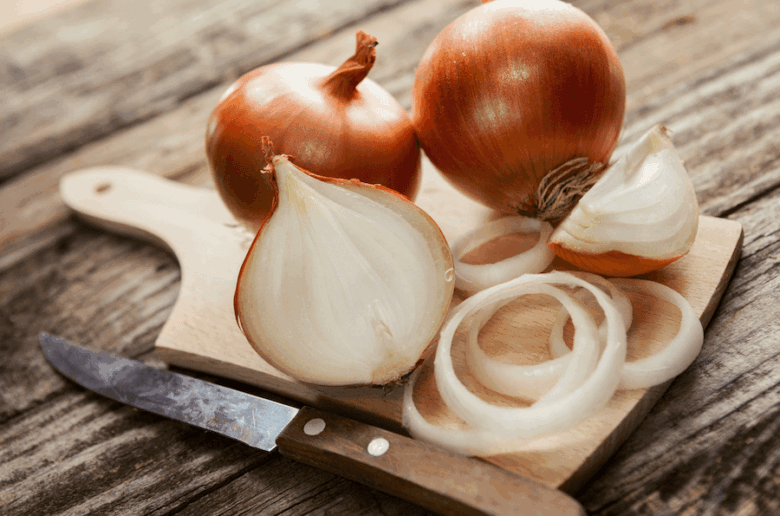
Easy to cook with, onion finds its way into countless dishes. So add it to everything!
Celery Seeds
Celery seeds come from celery that has been left to dry. Try them in a herbal infusion, and ask your GP or pharmacist for advice if you’re pregnant or taking any medication.
Cayenne Pepper
Another kitchen all-rounder: a pinch is enough to liven up a dish, and it adds flavour without piling on the salt.
Black Radish
Black radish can be grated raw or cooked. Rich in fibre, it also contains glucosinolates and polyphenols.
Pear
Yes, the pear is a good everyday choice for adding variety to your plate. It contains iodine, fibre and potassium.
How to add these foods to your everyday meals
There’s no need to deprive yourself: the idea is simply to include these foods regularly in your meals. At breakfast, go for berries, a banana or chia seeds soaked in milk. At lunch and dinner, mix up your vegetables (tomato, beetroot, carrot, leek, endive, black radish) and dress your salads with lemon, an apple cider vinegar dressing or a sprinkle of brewer’s yeast.
As for drinks, think green tea between meals, water with a squeeze of lemon juice, or a carrot, apple and ginger juice. And for nibbles, filled endive leaves make a fun option.
To complement these food tips, take a look at our Cellublue anti-cellulite cups, for use on the buttocks, but also on the thighs, stomach, arms and more. You’ll find them in our Anti-Cellulite Pack, which offers a complete 3-step method.
Discover the Anti-Cellulite Method
Frequently asked questions
Which of these 20 foods should I prioritise?
No single food does it all: variety is what matters. The idea is to include these foods regularly in your meals rather than relying on just one.
How should I consume celery seeds?
Celery seeds come from celery that is left to dry and age. The article suggests having them as a herbal tea, for example. If you are taking any medication or have a health question, ask a doctor or healthcare professional before adding them to your diet.
Related articles
- Holiday foods: 9 ideas to enjoy
- Vegetables: 6 surprising sweet and savoury recipes
- Spirulina: What You Need to Know About This Microalga
Useful categories: Anti-Cellulite Diet.

The cupping tool that replicates pinching and rolling, 3 minutes per zone
- The professionals' technique, at home: you lift, glide, and release, and the tool grips the skin fold like a manual pinching and rolling
- Soft silicone that fits thighs, buttocks, stomach, and arms
- 3 minutes per zone, every day, always with a massage oil so the tool glides

The scrub that leaves skin smooth and skin texture refined*
*User test on 21 volunteers over 4 weeks, based on participants' feedback.
- Olive & apricot kernels: these natural grains gently sweep away dead skin cells
- Caffeine & monoi scent, so your shower instantly smells like a holiday
- In the shower, two to three times a week, massaging your thighs, bottom and stomach