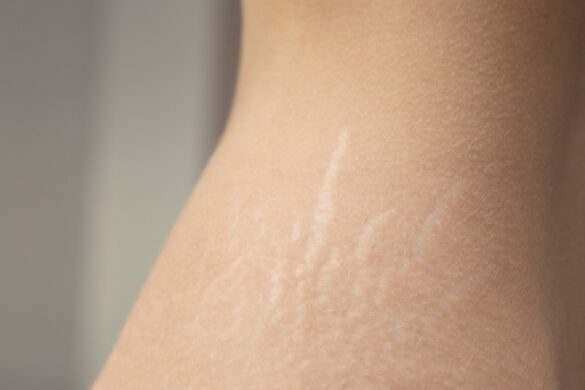
Stretch marks are a natural phenomenon, yet they still make many of us feel self-conscious. They form where the dermis has lost some of its elasticity. So, to help prevent them, the idea is to keep your skin as supple and toned as possible. Where does exercise fit into all this? How should we approach it if we’re concerned about stretch marks? Let’s look at what place physical activity can have in a routine that looks after your skin, why certain sports (such as intensive weight training) may actually encourage stretch marks, and which gentler activities are worth favouring.
The preventive benefits of sport
The benefits of physical activity on the body as a whole are undeniable. But how does sport fit into a routine that looks after your skin when you’re concerned about stretch marks?
1- It helps maintain a healthy weight
As we know, sudden and rapid weight gain is one of the causes of stretch marks. When we put on weight quickly, the skin stretches too abruptly, collagen fibres tear, and stretch marks appear. Regular physical activity is part of a balanced lifestyle that can help you avoid sudden weight changes, which are often linked to stretch marks on the thighs, hips, stomach, and sometimes arms and legs.
2- Sport and skin ageing
As we age, the epidermis (the outer layer of skin) tends to dry out and thicken, while the dermis (the deeper layer) thins and loses its elasticity — leading to visible skin ageing. Physical activity has its place at any age and remains an excellent habit for feeling good in body and mind — and that’s all the motivation you need to get moving!
3- Sport as part of an overall routine
Sport gets your body moving and brings a pleasant sense of well-being day to day. It has its place in a lifestyle that looks after your skin, alongside two simple habits:
- Staying well hydrated by drinking regularly throughout the day
- Applying moisturising care regularly to sensitive areas
Sport isn’t a solution on its own: it’s simply part of an overall routine, in which hydration and skincare also have their place.
4- It helps you unwind
Sport contributes to a sense of well-being and helps you unwind. A welcome break, especially as stress is often mentioned among the factors linked to stretch marks.
The downsides of sport
So is sport the sworn enemy of stretch marks? At first glance, you might think so. But it’s more nuanced than that — not all sport is created equal! Some athletes notice stretch marks appearing over time on their arms, chest, thighs or calves. The culprit: sudden and rapid muscle mass gain.
We tend to associate stretch marks with weight gain, but far less so with muscle gain. Yet the effect is the same: increased volume, skin that stretches too quickly, and a whole lot of stripes!
The sports most likely to cause this: excessive weightlifting, high-impact sports (sprinting, crossfit, ball sports, high-level gymnastics) or those that target a specific muscle group (rowing, weightlifting, tennis).
So if you’re a fan of these types of activities, one golden rule: take it gradually and make sure you stay well hydrated — both by drinking enough and by taking care of your skin!
Stretch marks: the best sports to choose
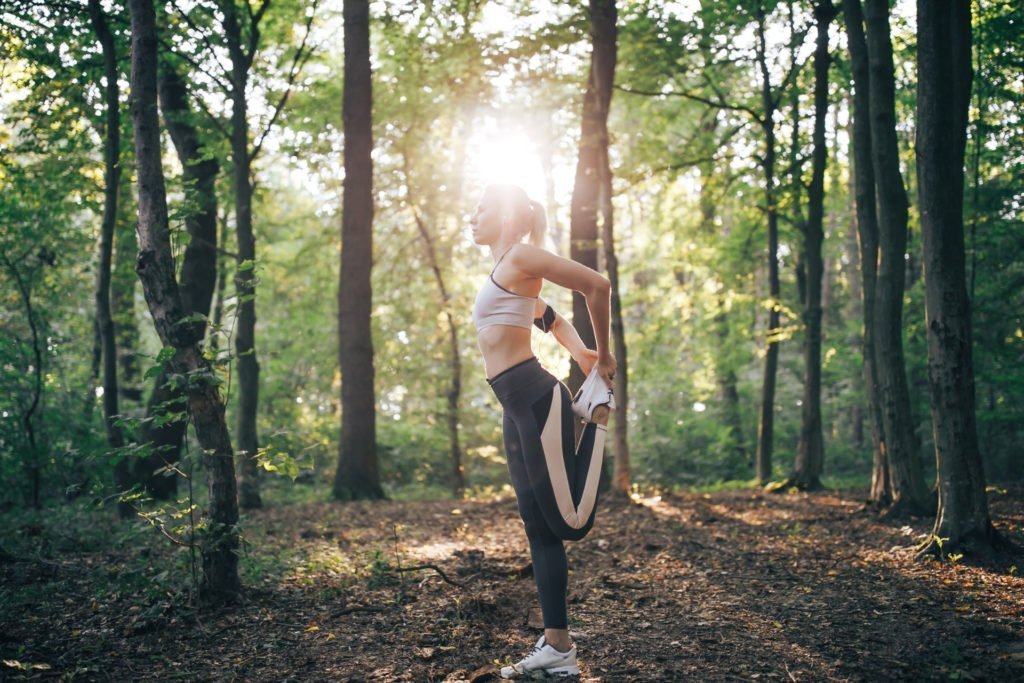
It is generally recommended to favour gentler activities over high-impact sports — ones that allow you to build muscle without putting your skin under stress or triggering stretch marks. These activities let you enjoy all the skin benefits of exercise while improving your overall tone!
- Swimming and water sports in general: a gentle, all-round activity, loved for the feel of the water on your skin. Swimming works your muscles evenly and gradually.
- Floor barre: inspired by classical dance, it works all the deep muscles without hypertrophying them, and develops overall body flexibility.
- Pilates: a gradual, full-body muscle-strengthening practice that also works areas such as the lower back and chest.
- Nordic walking: a brisk walk using poles, focused on breathing rhythm and range of motion. A gentle activity with no jolts, to enjoy at your own pace.
One final tip: to round off your sporting habits, a dedicated skincare routine such as our Stretch Mark Pack is a great complement!
Why choose the Cellublue stretch mark routine?
✅ Designed for all types of stretch marks, both new and old ✅ Formulated to be suitable for pregnant and breastfeeding women ✅ Products formulated without allergens or essential oils
The complete stretch marks routine, from shower to massage, during and after pregnancy
- Instructions for use
- Friendly advice
Frequently asked questions
Does exercise help prevent stretch marks?
Exercise is just one of several ways to look after your skin. To make the most of it, focus on consistency rather than intensity, and pair your workouts with regular moisturising, paying particular attention to sensitive areas such as the stomach, hips and thighs.
What exercise is best if you want to avoid stretch marks?
The best exercise is, above all, one you enjoy and will stick to. Choose an activity suited to your fitness level, build up the intensity gradually and, if you’re pregnant or have a medical condition, ask your GP for advice before starting a new activity.
Can exercise get rid of stretch marks?
Exercise won’t make stretch marks disappear; it’s simply one healthy habit among others. For existing stretch marks, a dedicated skincare routine such as the Stretch Mark Pack lets you care for the areas concerned. For any medical questions, speak to your GP or another medical professional.
Related articles
- Early Stretch Marks: How to Recognise & Prevent Them
- How to prevent stretch marks when bodybuilding?
- How to Prevent Stretch Marks During and After Pregnancy
Useful categories: Stretch Mark Exercises, Stretch Marks.