
Menopause is often associated with a range of discomforts that many women find difficult to navigate, starting with weight gain and a general thickening of the figure. It’s no surprise, then, that many women want to look after their figure after menopause. But how can you go about it without compromising your physical or mental wellbeing? Here we explain the (possible) weight gain linked to menopause, and share some lifestyle tips for caring for your figure gently, without dieting.
Why do we gain weight during menopause?
Age is closely correlated with weight gain. Between the ages of 20 and 50, a woman gains an average of 7.5 kg. After 50 — which generally marks the perimenopause or menopause phase — the phenomenon intensifies. This weight gain is often accompanied by a shift in body shape: the classic feminine, or gynoid, silhouette (narrow bust, curves concentrated around the hips, buttocks and thighs) gradually gives way to a more android shape, with weight accumulating in the upper body (arms, chest, waist, stomach). Menopausal weight gain can be explained by two key factors.
1- Menopause, weight gain and hormonal deficiency
Hormonal fluctuations are a constant throughout a woman’s life: puberty and the onset of periods, the menstrual cycle, possible pregnancies, perimenopause. By the time menopause arrives, the body stops producing certain hormones, such as oestrogen and progesterone. These sex hormones are directly involved in the distribution of body fat, as well as in appetite regulation and energy expenditure. The result of this hormonal decline is clear: women gain weight, particularly around the stomach, even if their lifestyle hasn’t necessarily changed.
Other hormonal changes also come into play at the time of menopause.
- Thyroid hormones: menopause can sometimes be associated with thyroid dysfunction. In cases of hypothyroidism, several unpleasant — and potentially serious — symptoms may appear, including dry skin, fatigue, bloating, digestive issues, cardiac dysfunction and weight gain.
- Insulin: the appearance of abdominal fat linked to menopause can trigger insulin resistance and create a snowball effect. The body produces more insulin, which in turn leads to greater fat storage around the abdomen.

2- Menopause, weight gain and metabolic slowdown
The basal metabolic rate refers to the energy the body needs to function normally at rest. But with the onset of menopause — and more broadly, with age — the basal metabolism slows down. The body simply requires fewer energy resources to function. This is partly due to muscle loss, itself triggered by the decline in growth hormone production. Between the ages of 40 and 50, we lose an estimated 0.8 to 1% of muscle mass each year — and 1 to 1.5% between 50 and 60! Since muscle is a major energy consumer, the body at menopause tends to store rather than burn the calories it takes in…
Other age-related processes also come into play, equally detrimental to weight management:
- The possible onset of certain chronic conditions
- Inflammatory syndromes
- Reduced endurance and strength, which can make staying active more challenging
Menopause and cellulite: stomach, thighs and arms
As we’ve seen, menopause also changes where fat tends to settle, particularly around the stomach, waist and arms.

The body cream that hydrates and helps firm the skin
- Kigeline & Fenugreek, two plant-based actives at the heart of the formula
- Hydrates the skin and helps strengthen its firmness on targeted areas
- Melting texture: it absorbs quickly, with no residue or greasy film
The tips below (a suitable diet, regular exercise and good sleep) remain the foundation of a balanced lifestyle. They apply just as much if you’re concerned about orange-peel skin on your thighs or arms. To round off this routine with a massage moment, take a look at our range of body massage treatments.
How can you look after your figure after menopause?
That said, weight gain during menopause isn’t inevitable. To look after your figure and aim to maintain a healthy weight after menopause, it simply comes down to adopting a few straightforward lifestyle habits.
1- Adapting your diet to your age

After menopause, nutritional needs change. It’s important to align your diet with your energy needs. Here’s how:
- Increase your intake of lean proteins: white meats, fish, eggs and plant-based proteins such as pulses.
- Keep an eye on your carbohydrate intake, favouring pulses, fibre-rich pseudo-grains (amaranth, quinoa, chia, buckwheat) and root vegetables.
- Be mindful of your fat intake, choosing ‘good fats’: oily fish, avocado, seeds and nuts, cold-pressed oils.
- Eat fruit and vegetables at every meal, for varied and colourful plates.
- Keep eating dairy, opting for lower-fat choices such as skimmed milk, fresh cheese and yoghurt.
- Limit empty calories: snacking, alcohol, sugary treats, ready meals, fatty and/or salty foods…
2- Keeping up with physical activity
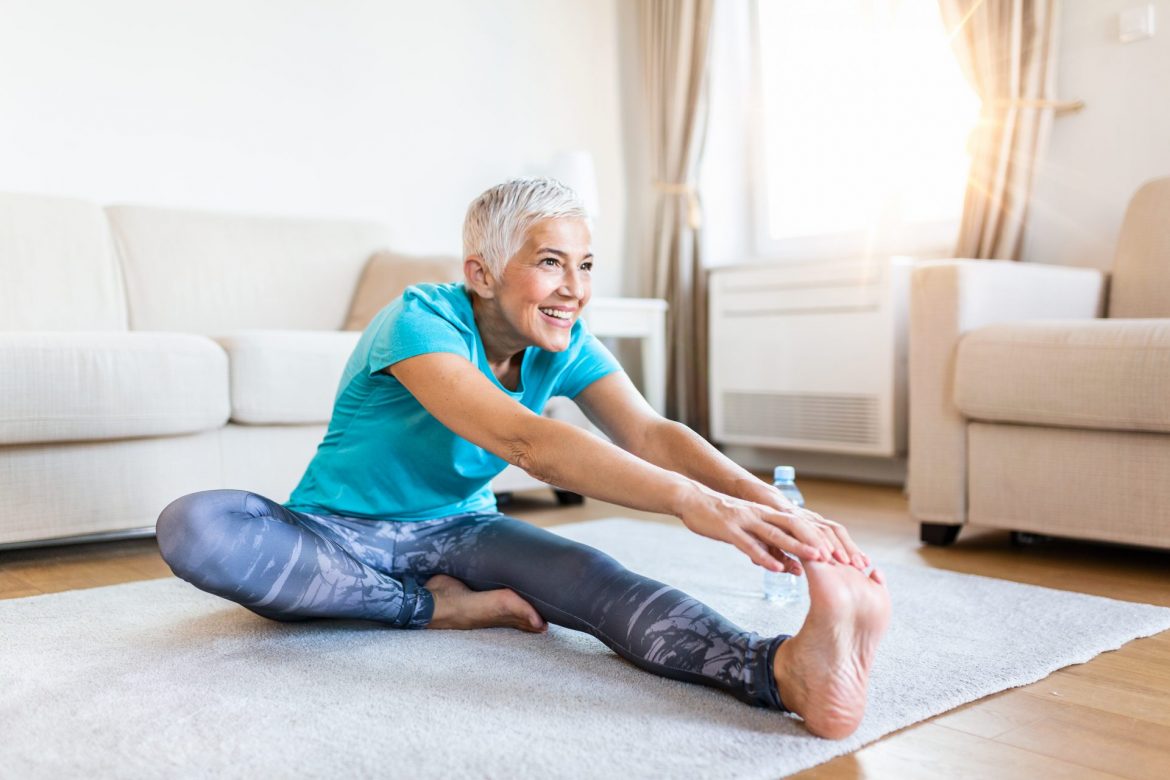
Menopause is no reason to hibernate! Of course, the process can be exhausting, especially during perimenopause. The menstrual cycle becomes irregular before stopping altogether, while particularly draining symptoms emerge: hot flushes, disrupted sleep, anaemia… Fortunately, once menopause is established, these symptoms often ease. And exercise remains a valuable ally for staying fit and keeping your spirits up during this time.
Physical activity during menopause can take several forms, ideally combined according to what you enjoy:
- Gentle exercise, to avoid injury and potential fractures: yoga, Pilates, dance, stretching, fitness
- Moderate-intensity endurance activities: swimming, cycling, Zumba, aqua aerobics, hiking, Nordic walking, rowing…
- Everyday activities that are good for the mind and morale: gardening, playing with grandchildren, DIY, outdoor outings with friends…
To work towards a healthy weight and maintain it during menopause, it’s best to plan several exercise sessions per week:
- One to two gentle exercise sessions per week.
- Two to three one-hour endurance sessions each week.
- A walk or simple physical activity of at least 30 minutes every day.
3- Making time for quality sleep

As mentioned above, menopause brings increased fatigue, sleep disturbances and a general lack of energy. To recover, it’s important to make time for quality sleep. Many processes take place in the body overnight: hormonal regulation, reduced inflammation, immune system restoration, cellular repair. To look after yourself during menopause:
- Aim for at least 8 hours of sleep a night.
- Take short naps when time allows and/or when you feel the need.
- Eat a light but satisfying dinner.
- Create a sleep-friendly environment: a relaxing bedtime routine, a cool and well-ventilated room, complete darkness, quiet surroundings…
4- Calling on a little extra help

Looking after yourself during menopause is absolutely achievable, especially when you give yourself every possible advantage! These include:
- Food supplements: our tea and capsule set is designed for menopausal women who care about their figure. It includes a pack of our Slimming Tea, a pack of Detox Infusion, our Appetite-Suppressing Slimming Capsules and a comprehensive guide packed with tips and recipe ideas, to be used alongside a varied diet and a balanced lifestyle. You can also read our tips on digestion.
- Cosmetics: during menopause, you’re entitled to want to look after your figure while treating yourself! Our abdominal skincare duo has been designed to pamper the waistline, an area women often focus on during menopause. Both products are applied to the abdominal area as part of a massage routine, with the Cryo Slimming Gel in the morning and the Night Slimming Treatment in the evening.
Frequently asked questions
How can I tackle belly fat during menopause?
The stomach is often the area most affected, because of hormonal changes and a slower metabolism. To look after it, it’s best to combine several approaches: a suitable diet (white meats, fish, eggs, pulses, fibre, good fats and few empty calories), regular exercise and enough sleep. If you enjoy it, you can also add a pampering massage moment to your skincare routine.
Is weight gain during menopause inevitable?
No. It’s common, because falling levels of oestrogen and progesterone change where fat is stored, and the metabolism slows down with age. But it isn’t inevitable: you can adapt your lifestyle (diet, exercise and sleep) to this new stage of life.
How many times a week should I exercise after menopause?
You could plan one to two gentle sessions (yoga, Pilates, stretching) and two to three one-hour sessions of moderate endurance exercise (swimming, cycling, Nordic walking) each week. Add a walk or some simple activity of at least 30 minutes every day. If you have a medical condition, check with your GP first.
Related articles
- How to lose belly fat without doing abs?
- How to lose weight naturally?
- Grand Challenge 2015 – Day 14
Useful categories: Weight Management.
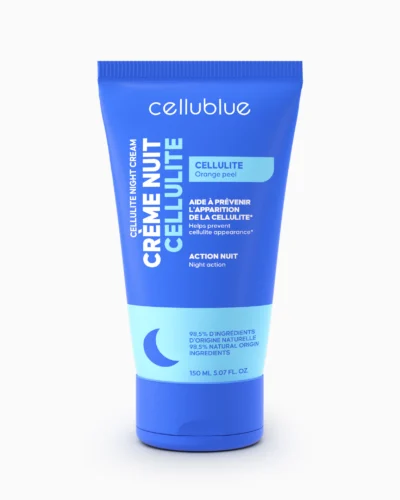
The cream that smooths the appearance of orange peel skin* and tones the skin
*Consumer test on 22 volunteers over 2 weeks, participants' self-assessment.
- Smooths the appearance of orange peel skin on the thighs, buttocks and stomach
- Caffeine & Green Coffee, the two benchmark active ingredients in body care
- Melting texture: absorbs in seconds and leaves the skin feeling comfortable