
You all know this plant, which pops up in fields and lawns as soon as the warmer days arrive. Often dismissed as a weed by gardeners, the dandelion actually has plenty going for it. How do you recognise it, which parts can you eat, what uses has tradition given it and how can you make it part of your everyday life? Here’s everything you need to know about this humble plant…
What is dandelion?
We should really talk about dandelions in the plural, as the term refers to a very large number of plants with yellow flowers. The “true” dandelions are those belonging to the genus Taraxacum and are distinguished by:
- their hollow stem;
- their deeply toothed leaves (hence the alternative name Lion’s Tooth);
- their latex (a white, sticky substance that seeps from the stems when cut);
- their fruits (achenes — small seeds topped with a silky tuft that we love to scatter by blowing on them).
Dandelion has been used since Antiquity, both for eating and for various traditional uses. The Greeks were already using its latex, while the Persians ate it, comparing it to chicory. It seems this plant, so often dismissed as a weed, has far more to offer than meets the eye…
Plus point no. 1: a plant you can eat from flower to root
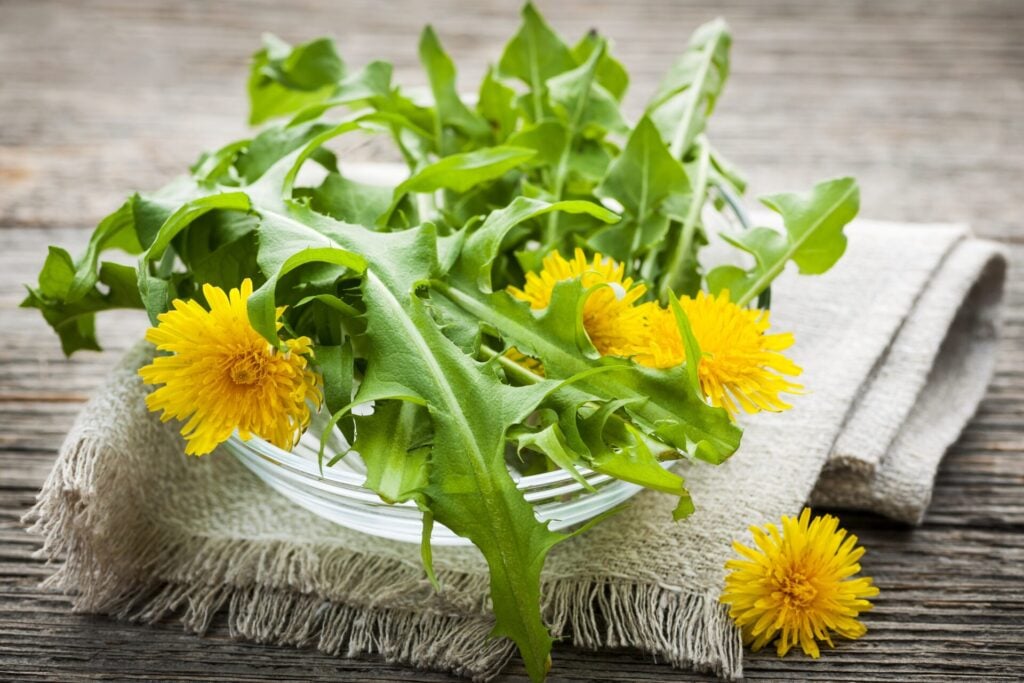
With dandelion, everything is edible!
- The flower buds can be preserved in vinegar and eaten like capers.
- The flowers are used in a wide variety of preparations, including Cramaillotte, a delicious sweet jelly typical of Burgundy, or Dandelion Wine, a kind of English brew made with water, honey, yeast and dandelion flowers.
- The leaves are highly regarded in gastronomy, despite their slightly bitter taste. They are somewhat reminiscent of rocket.
- The roots, less well known, are equally edible. In Japan they are prized and enjoyed stir-fried in soy sauce.
But beyond its culinary qualities, dandelion is also known for its nutritional composition:
- the leaves contain many nutrients, including provitamin A, vitamin C and vitamin E, as well as polyphenols, chemical compounds found in many plants;
- they also contain vitamin K;
- they also provide minerals, including potassium, which is often mentioned in connection with water retention, magnesium and iron, as well as calcium and phosphorus;
- the flowers, like the leaves, contain polyphenols and phenolic acids.
All in all, dandelion is a food well worth rediscovering, one that deserves far more recognition (and a more regular place in our kitchens).
Plus point no. 2: a nickname that speaks volumes
There’s a reason dandelion is sometimes nicknamed “wet-the-bed” in folk tradition! This nickname reflects its traditional reputation as a diuretic plant. It is also worth noting that its leaves contain potassium. That said, if you have a health condition, for example with the kidneys (kidney insufficiency, renal colic or kidney stones) or urinary problems, or in cases of rheumatism, always ask your GP or a healthcare professional for advice before eating it.
Plus point no. 3: a bitter plant well known to herbalists
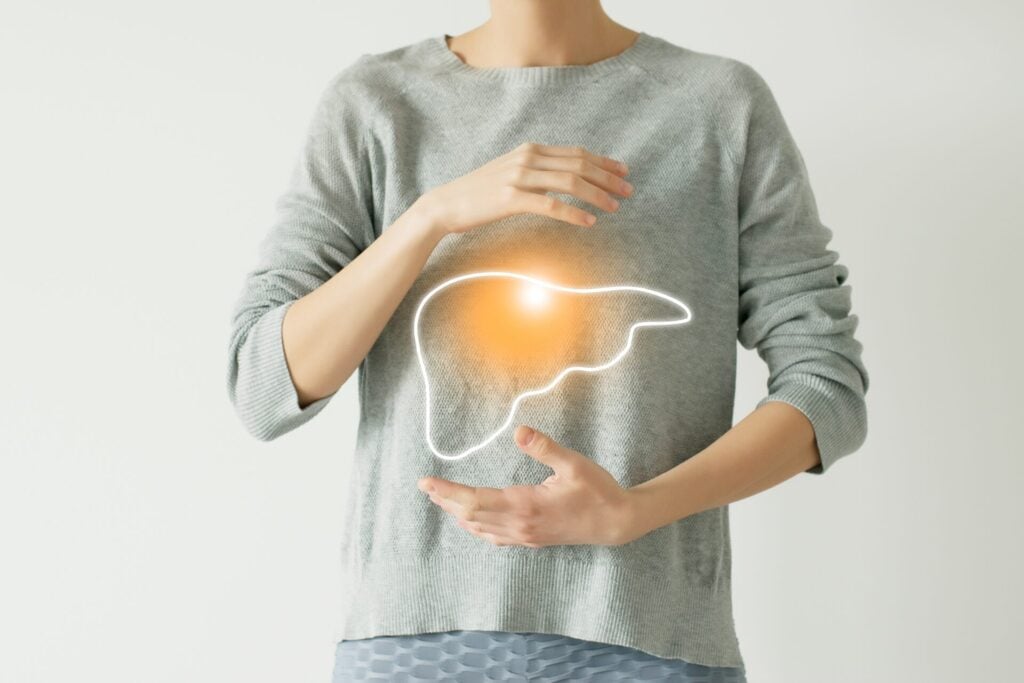
Another virtue of dandelion: it is one of the bitter plants, like artichoke and chicory, often found in herbal books on the liver and the gallbladder. In practical terms, its young leaves have their place in lighter menus, especially after a period of rich meals. This is the case, for example, after the festive season. To find out more, read our article on detox. If sluggish digestion persists, speak to your GP.
Plus point no. 4: flavour and fibre
When it comes to digestion, the plant is best known for its bitter taste, partly thanks to taraxacin, the chemical compound responsible for its bitter taste. Its roots contain inulin, a fibre also found in chicory and Jerusalem artichoke. If you’re prone to bloating, introduce fibres into your diet gradually, and speak to your GP if the discomfort persists.
Plus point no. 5: what about blood sugar and cholesterol?
Staying in the digestive sphere: dandelion contains various compounds found in the plant, including luteolin, terpenes, acids (chicoric, chlorogenic) and the taraxacin mentioned above. It also contains phytosterols. These compounds are of interest to researchers in relation to blood sugar levels and blood cholesterol, but to date no effect can be attributed to the plant. If you have diabetes or high cholesterol, always ask your GP for advice. For more lifestyle tips, read our article on natural slimming.
How to eat dandelion
There are two ways: either eat dandelion in its natural form, or opt for food supplements made from dandelion flowers, leaves and/or roots.
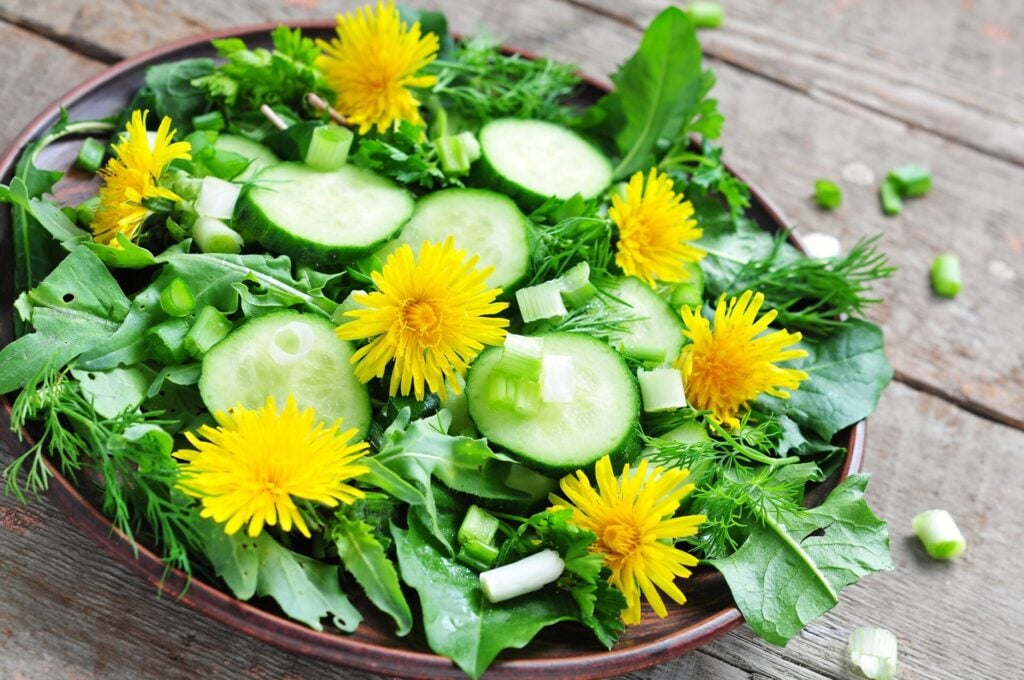
For the first option, you can perfectly well pick your own dandelions in the wild. Choose areas with low pollution, ideally deep in the countryside. Bear in mind that the best time to harvest the leaves and roots is spring, before flowering. As for the flowers, you can pick them young (as buds) or fully open (to garnish salads or brew homemade herbal teas).
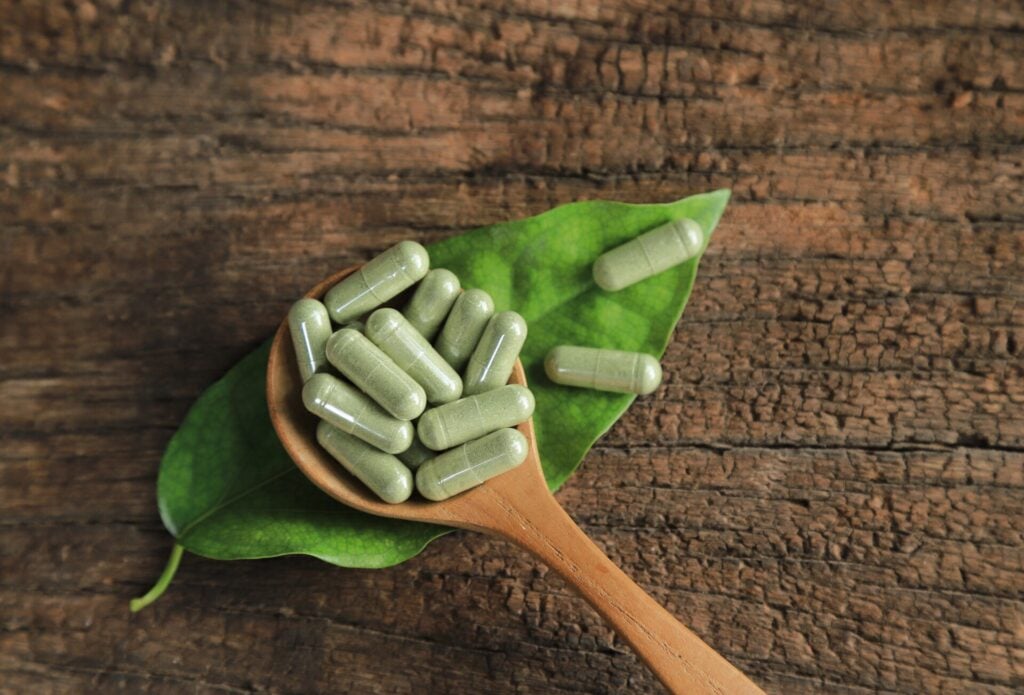
The second option means choosing your food supplements carefully. The best way to do this is to check the formula: your capsules or tablets should be properly dosed with dandelion. This is the case with our herbal capsules: a vegan formula combining 7 plants:
- Garcinia cambogia, raspberry ketones and pineapple (see also our article on the plants you need to know);
- ascophyllum, a seaweed (see also our article on getting back to a healthy weight);
- artichoke, fennel and dandelion.
Capsules made with chromium, which contributes to normal macronutrient metabolism
- Chromium contributes to normal macronutrient metabolism, meaning the sugars, fats and proteins in your meals
- It also contributes to the maintenance of normal blood glucose levels
- Dandelion, burdock and artichoke complete the formula
The capsules are taken as a 30-day course. And if you want to take the capsules as part of a wider routine, discover our 30-day programme: it combines our different food supplements. For more tips on how to get a flatter stomach, discover our dedicated article.

Three food supplements: morning, mealtime and evening
- In the morning, the Weight Loss Capsules: brown seaweed helps support digestion, while kola nut helps you feel more energised
- With your meal, the Fat-Burning Drainer: green tea features in the formula, with a lemon flavour
- In the evening, the Fat-Burning Capsules: chromium contributes to normal macronutrient metabolism, while dandelion and burdock complete the formula
Frequently asked questions
What nutrients does dandelion contain and how can you use it?
Dandelion is first and foremost an edible plant: the buds, flowers, leaves and roots can all be eaten. Its leaves contain vitamins, minerals and polyphenols. Tradition has also associated it with various uses linked to digestion. For any health question, ask your GP or a healthcare professional for advice.
Which parts of the dandelion can you eat?
Every part of the dandelion is edible. The flower buds can be preserved in vinegar, like capers. The flowers are used to make Cramaillotte or herbal teas. The leaves, with their slightly bitter taste, are lovely in salads, and the roots can be eaten stir-fried.
When and where should you pick dandelions?
The best time to harvest the leaves and roots is spring, before the plant flowers. The flowers can be picked young, while still in bud, or fully open. Ideally, choose areas with little pollution, out in the countryside and away from roads.
Is dandelion suitable for everyone?
If you have a health condition, particularly a kidney problem, if you’re taking medication or if you’re pregnant, ask your GP or a healthcare professional for advice before eating it regularly or taking a food supplement.
Related articles
- Trendy Wellness Drinks: What Should You Know?
- 7 alternatives to cardio worth exploring
- Probiotics: what they are and where to find them
Useful categories: Slimming Solutions, Weight Management.