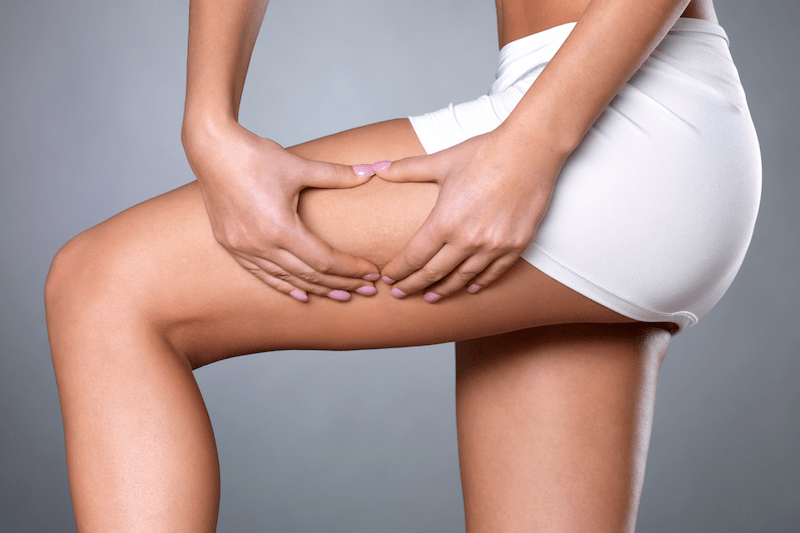
Contrary to what we might think, not all cellulite is the same. There are in fact 3 types: aqueous, adipose and fibrous. Today we’re focusing on fibrous cellulite — its causes and the best methods to eliminate it. Let’s get started!
Sommaire
How do you recognise fibrous cellulite?
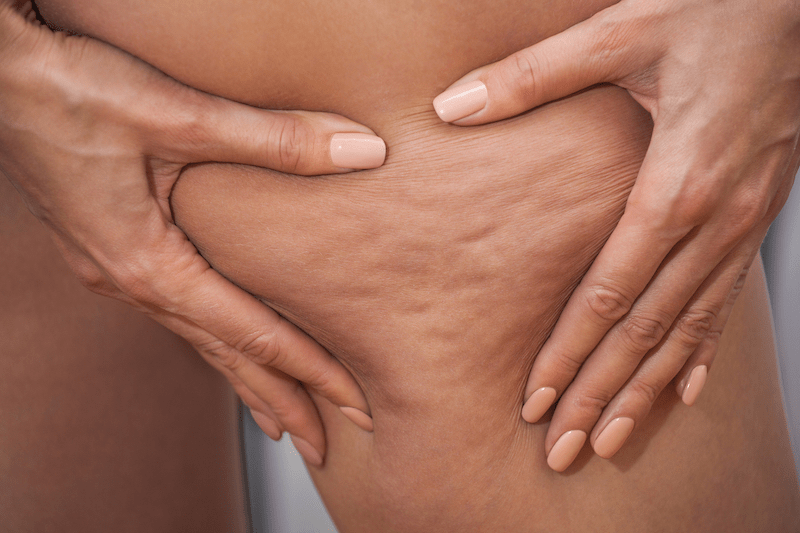
Fibrous cellulite is easy to identify: it has usually been there for a long time, it feels deeply embedded, hard and even painful to the touch. It typically appears on the thighs, the knees, and sometimes even the buttocks. It results from a hardening of the body’s collagen, which traps fat cells and toxins and makes them difficult to eliminate. Fibrous cellulite is described as deeply embedded: the collagen fibres that have formed have settled around old fat cells, causing the hardness felt beneath the skin. It is the form of cellulite that is the hardest to shift.
What causes fibrous cellulite?
Fibrous cellulite is caused by collagen fibres that wrap around fat cells. This type of cellulite is often linked to a lack of physical activity, an unbalanced diet high in sugar, or sometimes a hormonal imbalance. It can affect all women, slim or curvy.
Because it has been present for a long time, a sedentary lifestyle and poor dietary habits are the main drivers of its development.
An unbalanced diet
While our bodies do need a calorie-rich diet to function properly, a habit of eating junk food will instead contribute to an increase in body fat. Excess lipids are stored around certain areas of the body, particularly under the skin and within fat cells.
Hormonal imbalance
Hormones are also worth considering when it comes to the development of fibrous cellulite (1). Oestrogens produced by women play a role, among other things, in the distribution of fat according to their endocrine function. Oestrogens are closely linked to vascular permeability, playing a key role in the natural ability of veins and arteries to allow water to pass through. Every hormonal event in a woman’s life (menstrual cycle, pregnancy, maternity, contraceptive use) triggers fluctuations that may encourage the appearance of fibrous cellulite.
Genetics
Genetics also plays a part in the development of fibrous cellulite. Part of our DNA determines a person’s predisposition to store fat, and how easily they can get rid of it.
Lack of physical activity
A sedentary lifestyle is another contributing factor to fibrous cellulite. A lack of physical activity encourages fat storage and poor circulation.
Where does fibrous cellulite mainly appear?
Fibrous cellulite frequently affects women, regardless of their body type. Its most common areas are the:
How do you get rid of fibrous cellulite?
Let’s be honest — fibrous cellulite has been around for a while and can be stubborn to shift. But the good news is there are solutions to say goodbye to dimples and get smoother, firmer skin. Here they are!
Eating the right diet
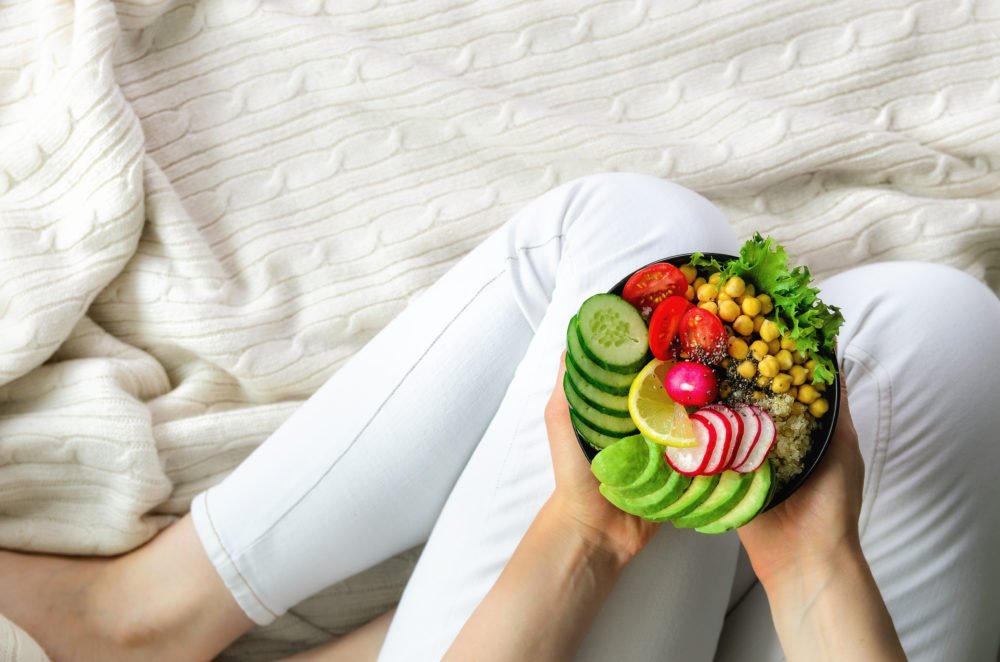 As we’ve seen, fibrous cellulite can be the result of an unbalanced diet that is too high in fat, salt and sugar. If you want to smooth out your orange-peel skin, it’s time to rebalance things! For a healthier diet, aim for the winning combination of vegetables (half the plate) – protein (a quarter of the plate) – wholegrains (the final quarter). Using this as the basis for every meal ensures more balanced nutritional intake.
Try to cut back on foods that are:
- too fatty
- too salty (salt encourages water retention)
- too sugary
These foods encourage fat storage and therefore the appearance of cellulite. Also remember to drink plenty of water to support your body’s natural detox process.
Some foods have almost “magical” properties and are well known for their detox and anti-cellulite benefits — guarana, green tea and cherry stalks are prime examples. However, to truly benefit from these ingredients, you would need to consume them in large quantities every day… which isn’t exactly practical! To incorporate them effortlessly into your routine and give cellulite elimination a real boost, look to food supplements that contain these ingredients in effective amounts, such as the 14-day anti-cellulite programme.
Using anti-cellulite creams
The best anti-cellulite creams are those that combine the right active ingredients to create an effective, comprehensive formula capable of targeting the factors that drive cellulite. The cream’s texture also allows those actives to penetrate deep into the dermis, reaching the fat cells. Caffeine, for example, promotes the deep diffusion of active ingredients and works directly on cellulite.

Trying anti-cellulite massage
 The third step in your fibrous cellulite action plan is the pinch-and-roll massage technique. These massages are essential for tackling cellulite. Combined with a balanced diet and regular physical activity, they will help you break down even the most deeply embedded fibrous cellulite!
To make these massages easier to perform on yourself, reach for your Cellublue Cups. Thanks to their suction effect, the cup breaks down fatty deposits and restores healthy blood and lymphatic circulation. Over time, fat cells gradually return to their normal size and cellulite fades away. To see results quickly, just 3 minutes of daily massage with your Cellublue Cup is all it takes!

Getting active
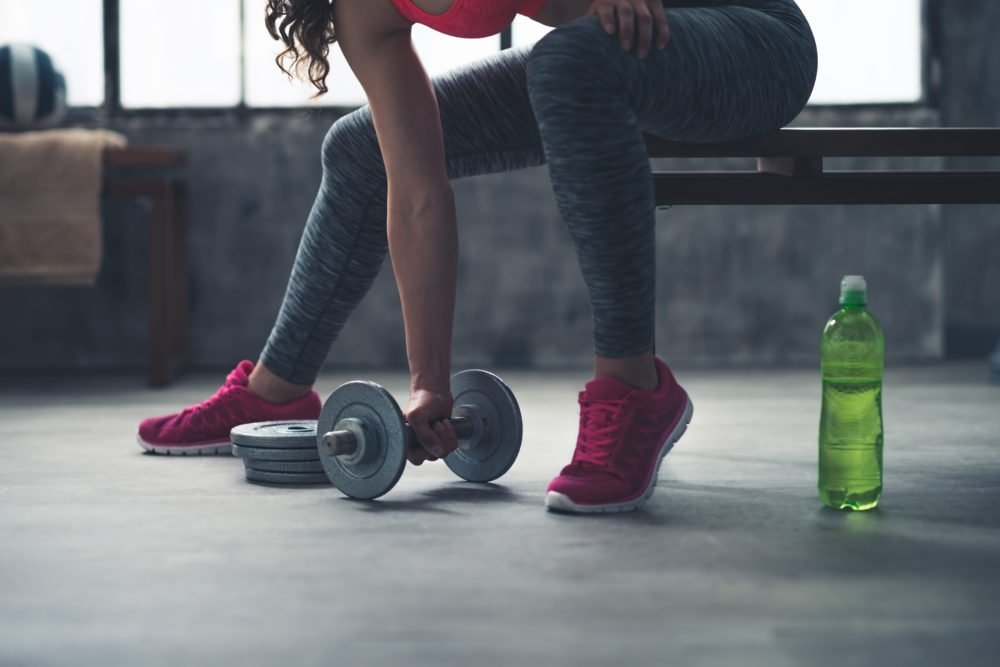 While exercise alone isn’t enough to tackle fibrous cellulite, it remains essential for achieving smoother skin! Ideally, alternate between cardio workouts and strength training sessions. Cardio activities (such as running, cycling or aqua aerobics) help your body burn off excess fat. Strength training is equally important, as it helps your body draw on deeply stored fat reserves. This fat-release process gradually reduces the orange-peel effect. Avoid physical activities that require tight-fitting clothing, as these can restrict blood circulation.
Other sports that are effective for tackling fibrous cellulite include:
- Swimming, which is an absolute must when it comes to cellulite. Why? Because it promotes lipolysis, boosts venous return, limits water retention and firms the skin intensely!
- Fitness classes, which offer a smart blend of cardio, flexibility and muscle toning.
- Yoga, which — despite not being the top calorie-burner — works the deep muscles and softens the dermis, helping to reduce fibrosis.
- Power walking, less intense than running but far gentler on the blood vessels.
- Rollerblading, which promotes fat breakdown and helps tone and sculpt the legs and thighs.
- Interval training, whether that’s running, HIIT or CrossFit. Highly demanding, it targets deep adipose tissue — one of the key factors involved in the development of adipose cellulite.
Trying lipo-massage
You can also opt for lipo-massage. This technique stimulates the epidermis at a deep level. The skin is firmed, toned and collagen production is stimulated. You can visit a professional such as a beauty therapist or physiotherapist for a massage session, or invest in a massage device to carry out lipo-massage at home.
Now you know exactly what to do to eliminate fibrous cellulite, get smoother skin and wave goodbye to dimples… To stay motivated and share your experience with thousands of other women, head over to the Instagram Community!
Sources and references
(1) de la Casa Almeida, M. , Suarez Serrano, C. , Rebollo Roldán, J. and Jiménez Rejano, J. (2013), Cellulite’s aetiology: a review. Journal of the European Academy of Dermatology and Venereology, 27: 273-278. doi:10.1111/j.1468-3083.2012.04622.x