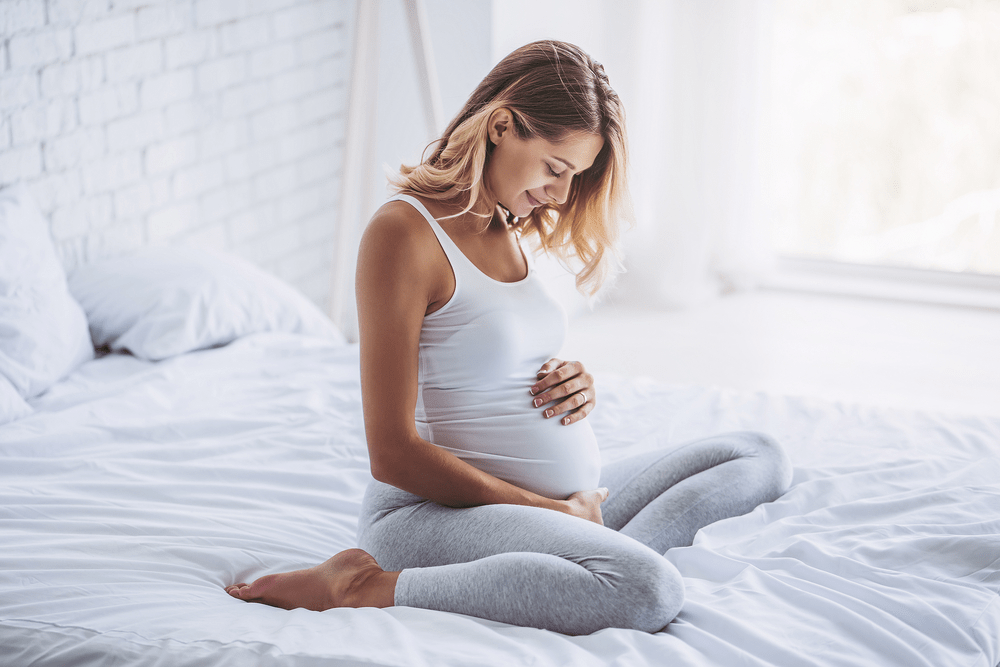
You may not have known this, but the appearance of cellulite is linked, among other things, to hormonal fluctuations. And during pregnancy, hormones go through major upheaval! We explain why you may notice your cellulite developing while pregnant — and how to keep it in check.
Sommaire
Why does cellulite develop more during pregnancy?
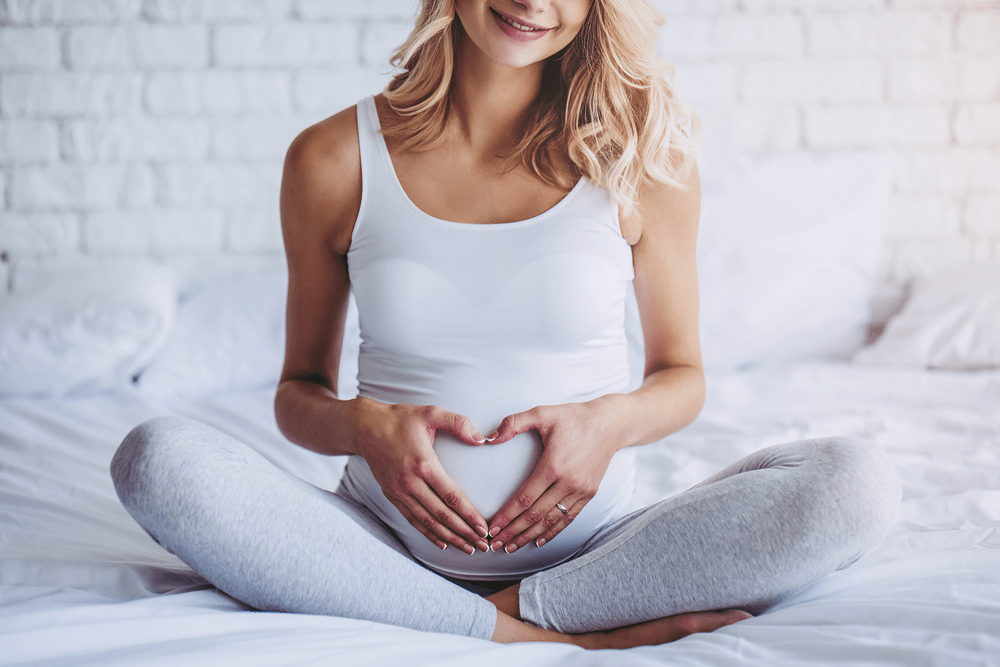
Oestrogens increase fat storage
As we just mentioned, the appearance of cellulite is linked to hormonal fluctuations in women, particularly oestrogens.
Oestrogen levels rise at certain key moments in life:
- puberty
- taking hormonal contraception
- pregnancy
- breastfeeding
The role of oestrogens is to prepare the body for a potential pregnancy by increasing fat storage. These fats are used as energy reserves before and during pregnancy, as well as during the breastfeeding period. When our body stores large amounts of fat in adipocytes (fat cells), these cells increase significantly in size and fatty deposits form. These deposits then become visible beneath the skin — the notorious dimples we know as cellulite.
Prolactin encourages the body to build up energy reserves in the form of fat
Oestrogens are not the only hormones that play a key role in the appearance of cellulite during pregnancy. Another hormone, prolactin, is also responsible for this phenomenon. Prolactin levels in a woman’s body rise from the very beginning of pregnancy. This hormone’s role is to prepare the mammary glands for breastfeeding. To do so, it encourages our body to build up energy reserves… once again in the form of fat!
Furthermore, prolactin may also have an impact on fluid elimination and could promote water retention in the tissues, contributing to the appearance of water-based cellulite.
Poor circulation in the body
Finally, the last reason that explains the development of cellulite during pregnancy is the baby itself. Towards the end of pregnancy, the baby’s weight and size can impair healthy blood and lymphatic circulation by compressing the vessels. Poor circulation leads to the stagnation of fluids, toxins and fats in the tissues, which in turn causes cellulite and water retention.
Find out more about the other causes of cellulite
How can you prevent cellulite from developing during pregnancy?
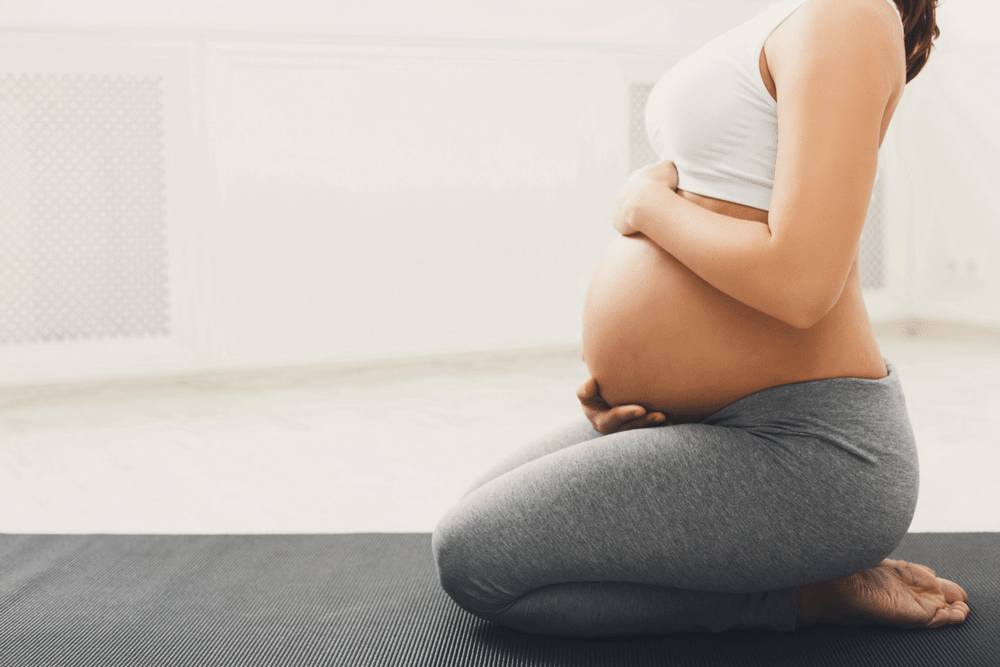 Now you know, ladies — it is perfectly normal to experience cellulite during pregnancy. That said, there are a few tips to help limit its development.
Avoid eating too much fat, sugar or salt
Fat, sugar and salt encourage the body to store fat, so it’s best to limit them during pregnancy and favour detox-friendly foods.
Avoid staying in the same position for too long
If you sit or stand all day, your blood circulation won’t be at its best and you may notice swelling linked to water retention, as well as water-based cellulite.
Stay active
if you have no contraindications, keeping up with adapted physical activity throughout your pregnancy is extremely beneficial. It helps prevent excessive fat storage, supports healthy blood circulation and aids in eliminating toxins.
Avoid high heels and tight-fitting clothing
Just like prolonged sitting or standing, high heels and tight clothing hinder healthy blood and lymphatic circulation. Best to avoid them during pregnancy!
Breastfeed for as long as possible
After pregnancy, breastfeeding has been shown to help with weight loss and the reduction of cellulite that has built up. When a woman breastfeeds, her basal metabolic rate increases by 200 to 500 calories per day. To produce milk, your body draws directly on its fat reserves!
It is entirely normal and natural to see cellulite develop during pregnancy — it’s a sign that your body is preparing for your baby’s arrival! Once the breastfeeding period is over and with your doctor’s approval, you’ll be able to start tackling dimples again with palpate-roll massages and anti-cellulite treatments.