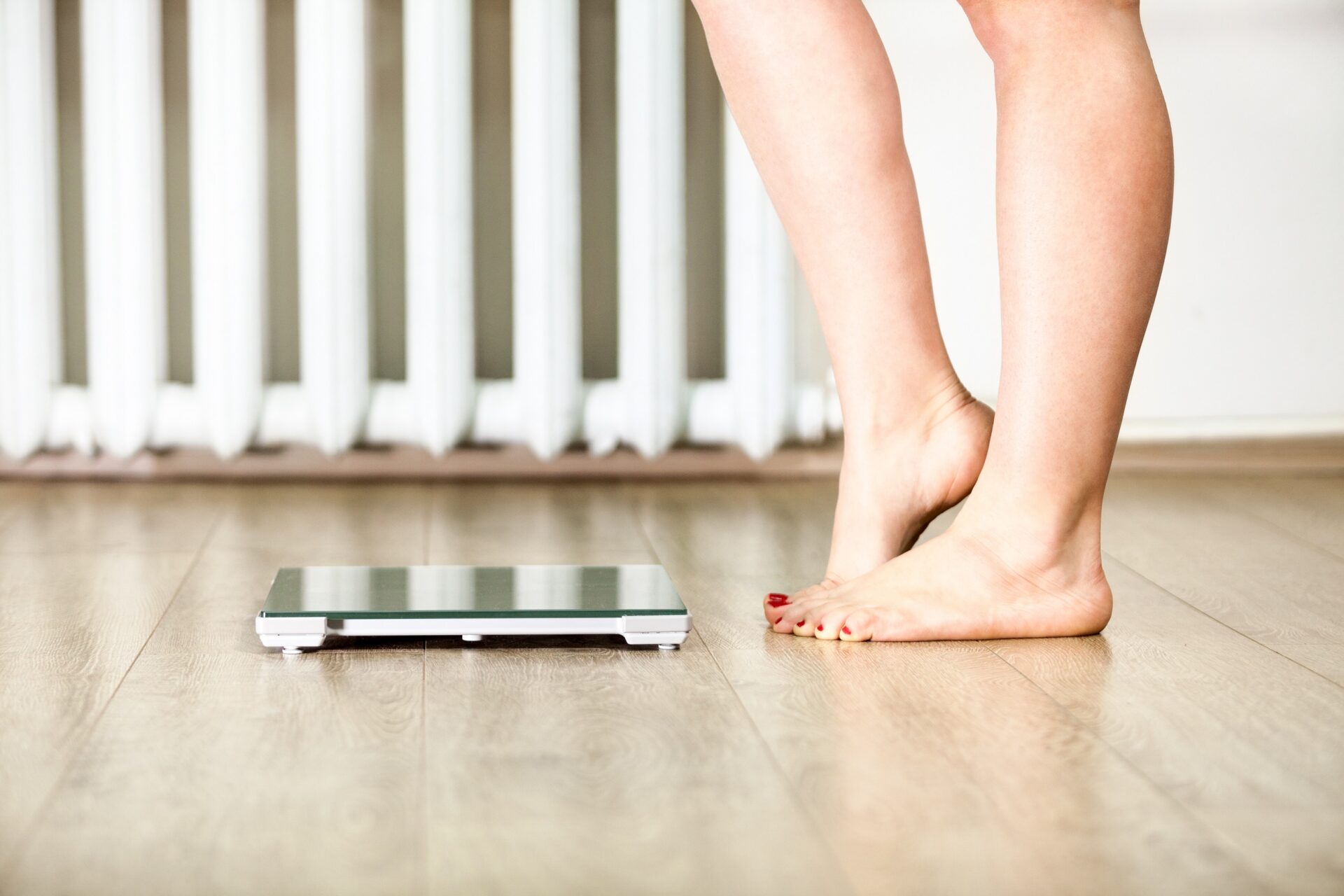
The scale remains the best way to keep track of your weight. But regular use of a bathroom scale only makes sense if you follow a few key rules. Here are some valuable tips for weighing yourself accurately and tracking your weight in the most effective way.
Tip no1 : The right time to weigh yourself
It is recommended to always weigh yourself in the morning. Your weight fluctuates throughout the day depending on whether you have eaten, drunk, exercised, or simply used the bathroom. Ideally, the morning is the best time of day to step on the scale. You should of course do so on an empty stomach (no food or liquids, with a tolerance of one to two glasses of water at most) and after using the bathroom.
It is also strongly recommended to weigh yourself consistently, meaning always at the same time. This way, your reading is a true reflection of your physical condition and allows for far more accurate tracking than if the time varies constantly.
Tip no2 : The right conditions for weighing yourself
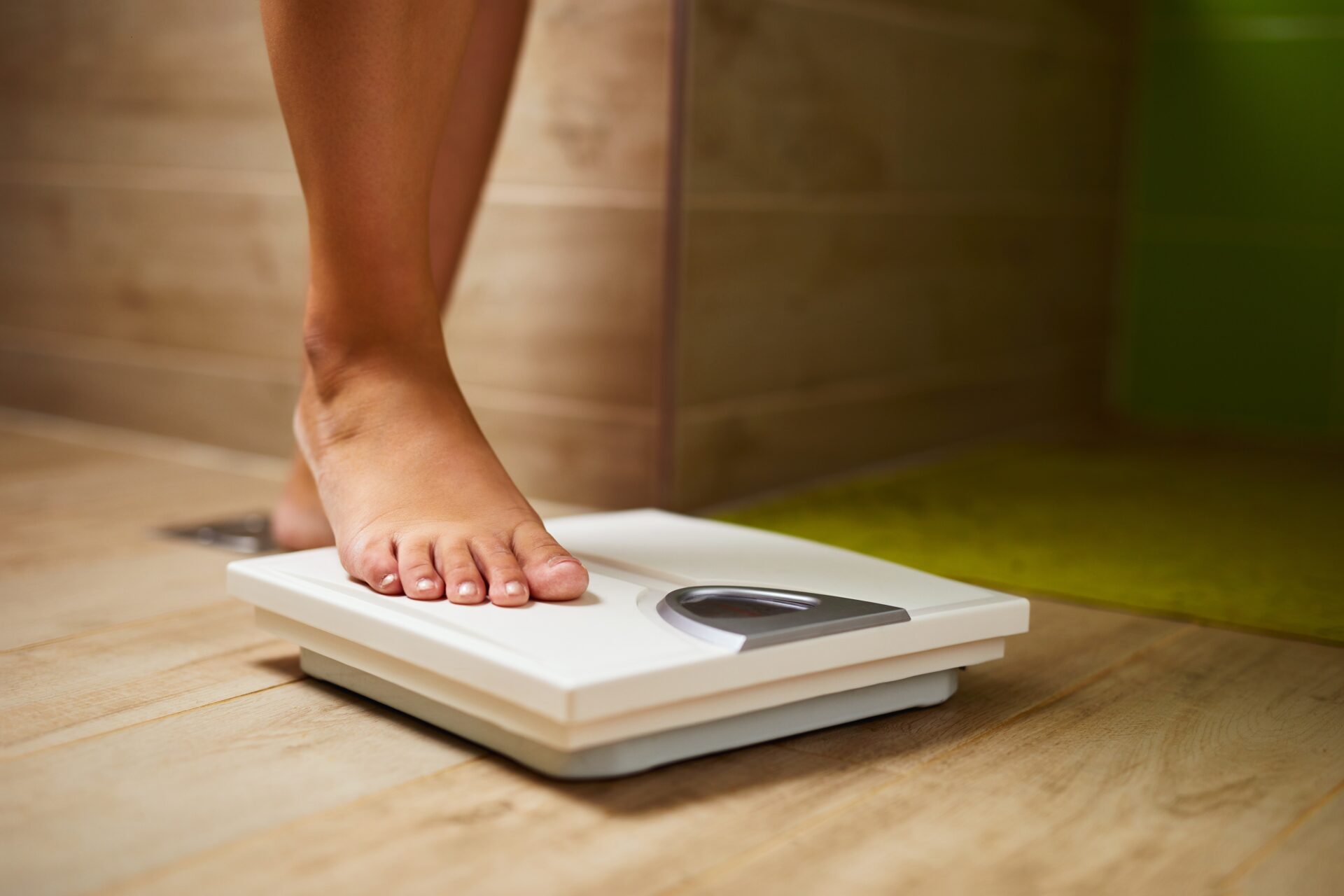
This second tip actually brings together several recommendations for an effective and accurate weigh-in.
The first recommendation concerns where you place your scale. To weigh yourself accurately, place your scale on a flat, stable, non-slip surface. Even the slightest tilt or instability can directly affect the reading and therefore the precision of the device.
The second recommendation relates to the scale itself: to weigh yourself accurately, always use the same device. Not all bathroom scales offer the same level of precision. Some scales are also out of calibration — often due to heavy use. This is particularly true of self-service scales in pharmacies, which are frequently used but rarely serviced.
Finally, one last recommendation for an accurate weigh-in: avoid being dressed or wearing shoes when you step on the scale. This may seem obvious, but it is not for everyone! To weigh yourself accurately, do so naked or in your underwear, and without shoes.
Tip no3 : The right frequency for weighing yourself
A third tip that will no doubt reassure those who are obsessed with the scale: there is absolutely no point in weighing yourself several times a day. As explained above, your weight varies throughout the day depending on whether you have eaten or drunk, done physical activity, or used the bathroom. Weighing yourself morning, noon and night every day can indicate a problematic pattern, especially if the reading triggers negative thoughts (disappointment, frustration, self-loathing), or even risky behaviours (food restriction). In such cases, it is important to regain perspective, curb the obsessive behaviour, and consider speaking to a healthcare professional.
The recommended frequency for weighing yourself is once a week. A weekly weigh-in, always on the same day, gives you a clearer picture of how your weight is evolving. As for which day to choose, it is best to avoid Monday morning. Weekends often involve a little indulgence — restaurant meals or family gatherings. For a more representative reading, choose another day of the week. It is commonly said that Friday morning is when weight tends to be at its lowest.
Tip no4 : Choosing the right scale
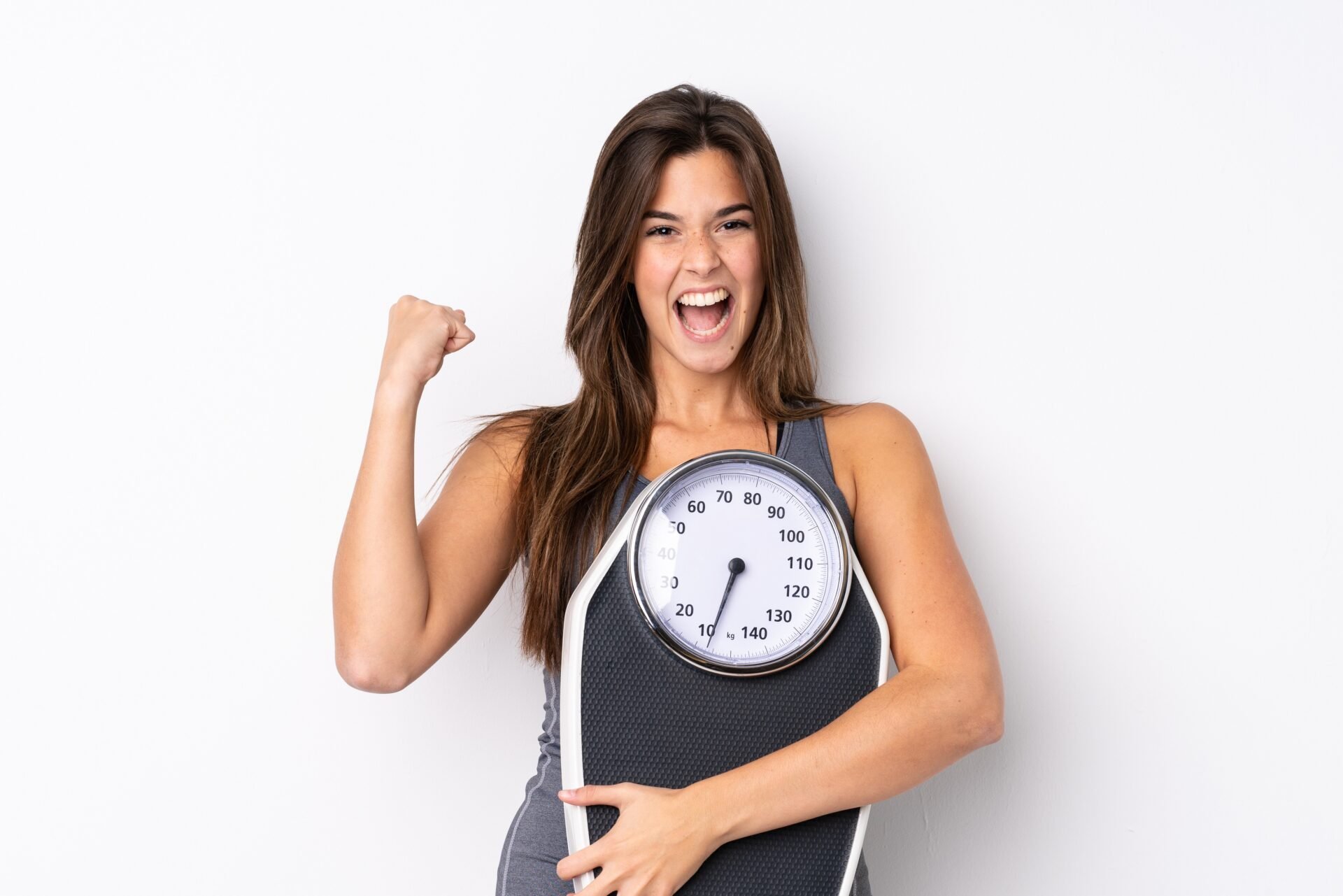
To weigh yourself accurately and track your weight curve with precision, choosing the right scale matters. There are different types of bathroom scales depending on whether you simply want to monitor your weight or gain deeper insight into your physical condition.
Those looking for occasional, straightforward weight monitoring can make do with a mechanical scale. A basic model — slightly old-fashioned, but reliable and sturdy. Weight is displayed on a dial with a needle, and the device can be adjusted (needle recalibration) before each use. A digital scale, whether analogue or electronic, can also work well. Its main advantage is that it displays an exact figure, down to the gram.
That said, if you want more detailed weight tracking along with additional health data, a smart scale — also known as a body composition analyser — may be worth investing in. This type of device provides more comprehensive information about an individual’s physical condition and the various components that make up their weight (which is, after all, just one number). Smart scales can give readings on body fat, muscle mass, bone mass, water mass, and more. Some models also allow you to store personal data for a highly personalised approach to tracking your weight and health. Another advantage: these intelligent scales can be synced via Bluetooth with a smartphone or smartwatch (via a companion app) for real-time monitoring.
On that note, Cellublue is proud to introduce its smart scale — and it is quite something. Our cutting-edge device delivers no fewer than 12 health measurements. Because your weight is far from the only indicator of your health! Our Balance Minceur Connectée gives you insight into:
- Your gross weight
- Your fat-free weight
- Your body fat percentage
- Your percentage of visceral fat (a key health indicator)
- Your BMI (Body Mass Index)
- Your hydration percentage (water present in the body)
- Your muscle percentage (lean mass assessment)
- Your bone mass
- An assessment of your basal metabolic rate
- Your body age based on your physical condition
- Your obesity level
- Your protein rate
You can of course sync the scale with your smartphone using our companion mobile app (accessible via QR Code, and coming soon to the most popular app stores).
It is that simple: our scale is the essential tool for weighing yourself accurately. You will better understand your weight fluctuations and know exactly how to slim down, reach your ideal weight, tone up or simply take better care of yourself. And that is what truly matters: beyond an arbitrary number (your weight), stepping on the scale should give you real insight into your health and what deserves your attention — your hydration, your muscle condition, your bone density…