
Cellulite and water retention often go hand in hand… But it doesn’t have to be that way! Today we’re sharing 10 simple tips to finally put an end to that uncomfortable heavy-legs feeling…
Sommaire
What causes water retention?
Before tackling water retention remedies, it’s worth understanding the causes. Water retention is essentially an oedema — a build-up of fluid in the tissues that leads to swelling. Instead of following the body’s natural elimination pathways, water gets “trapped”. The lower body is most commonly affected (legs, ankles, feet), simply due to gravity.
The causes of water retention are many and varied.
Hormonal imbalance: hormonal peaks (oestrogen and progesterone) particularly encourage water retention through their vasodilatory effect. As blood and lymphatic circulation slows down, water is less efficiently eliminated and remains trapped in the tissues, causing uncomfortable swelling. Oestrogen also affects blood coagulation, which can worsen venous insufficiency. These peaks in hormone production occur mainly during pregnancy, but also in the days leading up to menstruation (premenstrual syndrome).
Heat: it causes blood vessels to dilate, making them permeable and allowing water to escape. This released water then tends to become trapped in the tissues.
Prolonged inactivity: sitting for long periods causes muscles to contract, which impedes healthy blood and lymphatic circulation. Poorly circulated water stagnates in the lower limbs. Standing isn’t much better — shuffling in place is no substitute for walking! Repeated shuffling causes muscle tension, whereas walking actively boosts venous return.
Poor dietary habits : salt is water retention’s best friend — sodium acts as a true “water trap”, encouraging accumulation rather than elimination. The same goes for carbohydrates (sugars) and a lack of protein, both of which are contributing factors to water retention.
Medication: antihypertensives, calcium channel blockers, corticosteroids, NSAIDs, antipsychotics, certain diabetes medications and some hormonal treatments (the contraceptive pill, hormone replacement therapy) can all tend to encourage water retention.
An underlying condition: venous-lymphatic insufficiency, heart conditions, kidney disorders and thyroid problems are all conditions that can cause water retention.
How do you know if you have water retention?
Do your feet swell by the end of the day? Do you experience a feeling of heavyness in your legs and find it hard to walk? Does your skin look stretched and shiny, and does pressing it with a finger leave a mark that doesn’t spring back immediately? Do you also tend to feel bloated, with a puffy face? Look no further — you’re experiencing water retention. And by extension, you may also be dealing with aqueous cellulite.
The following tips should help you relieve the discomfort caused by excessive water retention.
To fight water retention, cut back on salt
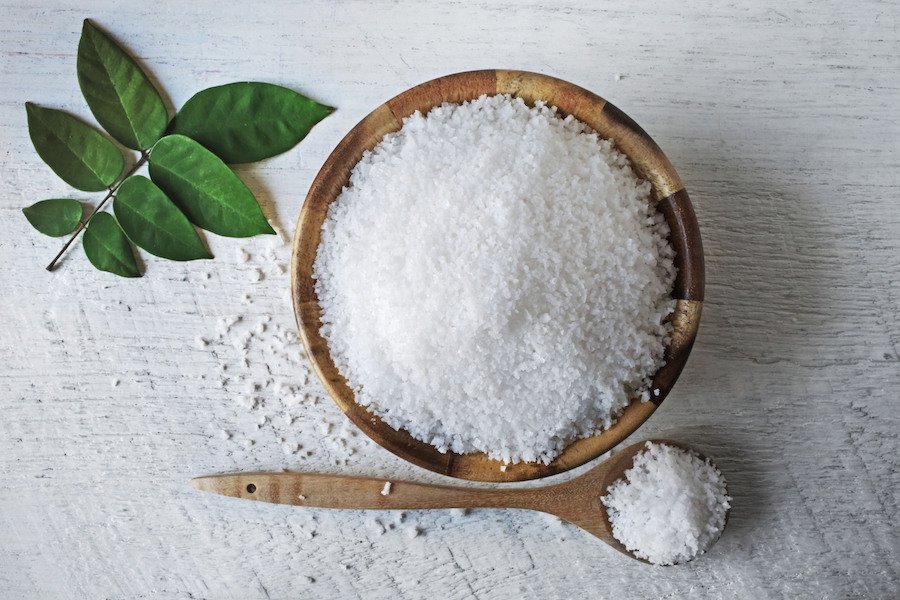
Tip number one: cut salt from your diet as much as possible! Salt actively promotes aqueous cellulite and fluid retention. Put the salt shaker away and avoid processed foods like ready meals and pre-made sauces. Instead, reach for spices to add flavour and colour to your home-cooked dishes.
Choose the right foods

To combat retention, focus on protein: eggs, dairy, white meat, fish… Vegetarians can opt for grains, legumes, tofu, and so on. Don’t forget water-rich fruits, which are excellent allies in the fight against water retention. Strawberries, thanks to their vitamin C content, help eliminate the toxins that accumulate and contribute to cellulite. Watermelon is an excellent diuretic, rich in potassium, B vitamins and lycopene. And grapefruit helps flush out excess fluids while supporting fat metabolism.
Stay well hydrated to prevent water retention

The key is also to stay well hydrated and drink throughout the day. Drinking more to reduce water retention may seem counterintuitive, but it’s actually quite logical… If you don’t drink enough, your body will try to store as much water as possible to draw on its reserves. But if you drink enough, your body will naturally eliminate excess water. By the time you feel thirsty, it’s already too late! As well as still water with a squeeze of lemon, you can also enjoy smoothies, detox waters, herbal teas or regular tea.
Wear the right clothes

Tight-fitting clothes restrict healthy blood circulation and promote water retention, especially in the legs. So banish the skinny jeans to the back of the wardrobe and slip into something looser!
Choose the right exercise
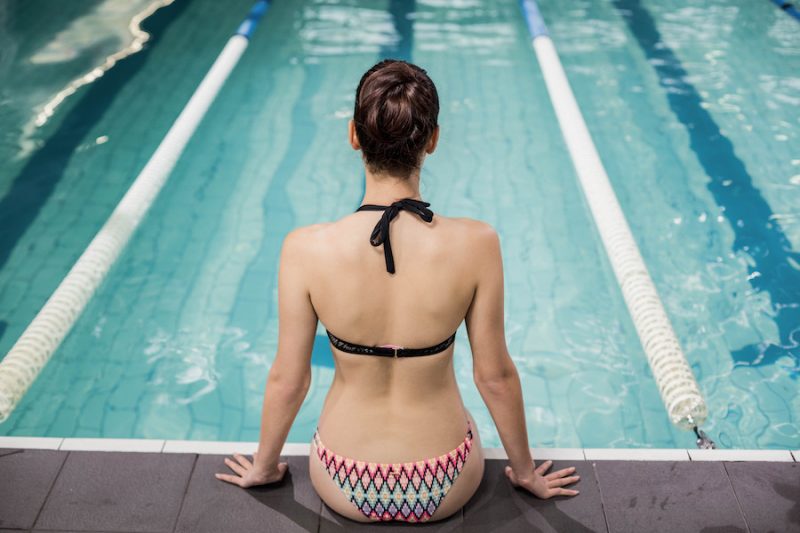
Certain physical activities help smooth the skin and naturally drain the body, reducing that heavy-legs sensation. You might want to try water-based activities, which are particularly effective: swimming, aqua aerobics, aqua cycling… Cycling and brisk walking are also highly recommended for preventing water retention.
Targeted massage
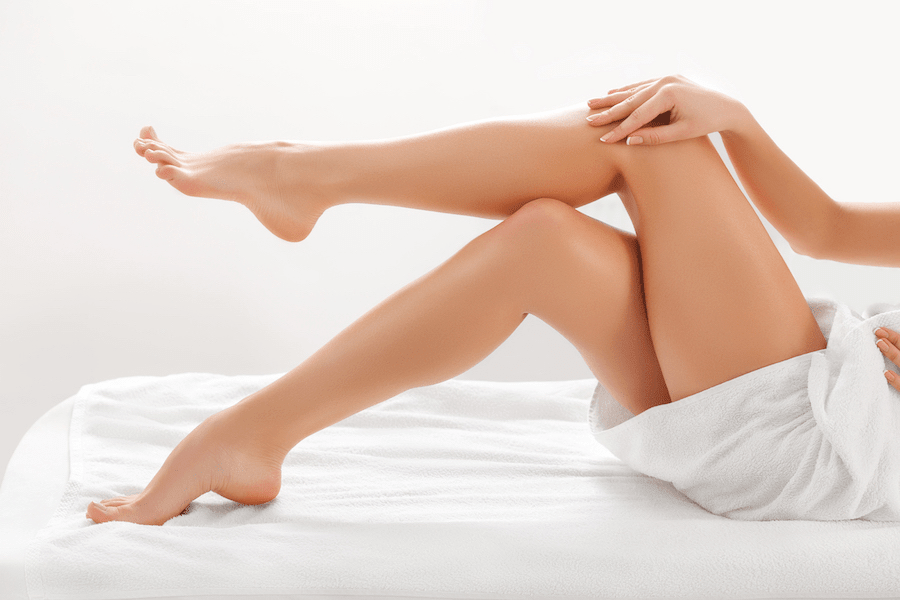
Regular massage is essential for combating water retention. Simply use firm, circular movements working from the bottom upwards. To make the most of your massage routine and enjoy an anti-cellulite boost alongside the lighter-legs effect, use your Cellublue Cup!
Foot baths
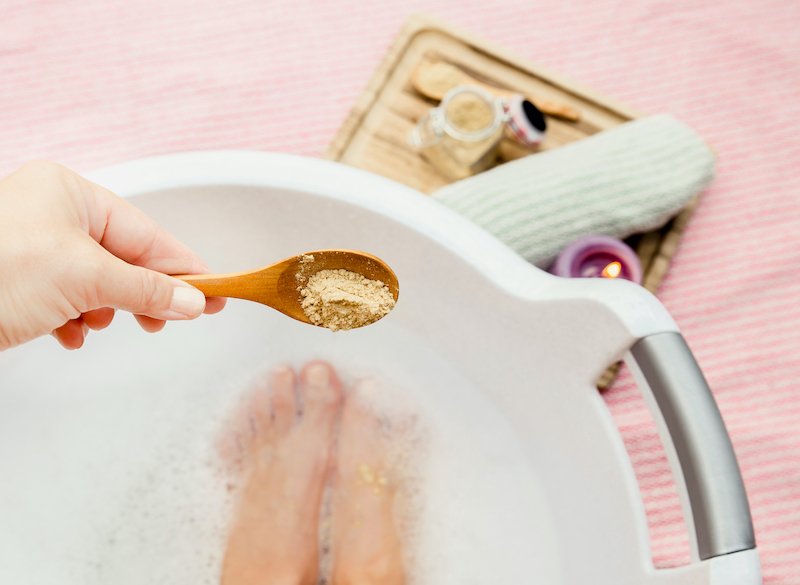
Fluid build-up in the legs is a common complaint. To tackle retention at this level, try a foot bath every evening. Simply boil a litre of water with two tablespoons of rosemary for 10 minutes. Strain, pour into a basin and add ice cubes, then soak your feet for 15 to 30 minutes. A guaranteed relaxation and lighter-legs effect — especially if you add a few drops of lavender and peppermint essential oils!
Take a cold shower!

Cold water helps boost circulation and fight retention. Simply finish your shower by running a cold jet of water over your legs. But technique matters! Start by moving the jet up the outer side of your right leg, then the inner side. Repeat on the left leg, then move to the back of both legs. Dry your legs thoroughly by rubbing them briskly from bottom to top.
Turn to natural diuretics

To fight water retention, choose foods known for their diuretic properties: cranberry, green tea, celery, leek, asparagus, cucumber, fruit… Eaten regularly, they’ll help you get back to lighter, more comfortable legs.
Sleep in the right position

Finally, sleeping in the right position is also important to prevent fluid and toxin build-up overnight and that heavy-legs feeling when you wake up. Simply place a pillow under your calves to elevate your legs. A great exercise to do before bed: lie down and rest your legs up against a wall in an L-shape. This helps prevent fluid accumulation and can be done several times a day — especially if you’ve been sitting or standing in the same position for a long time!
So, ready to say goodbye to water retention and hello to lighter legs?