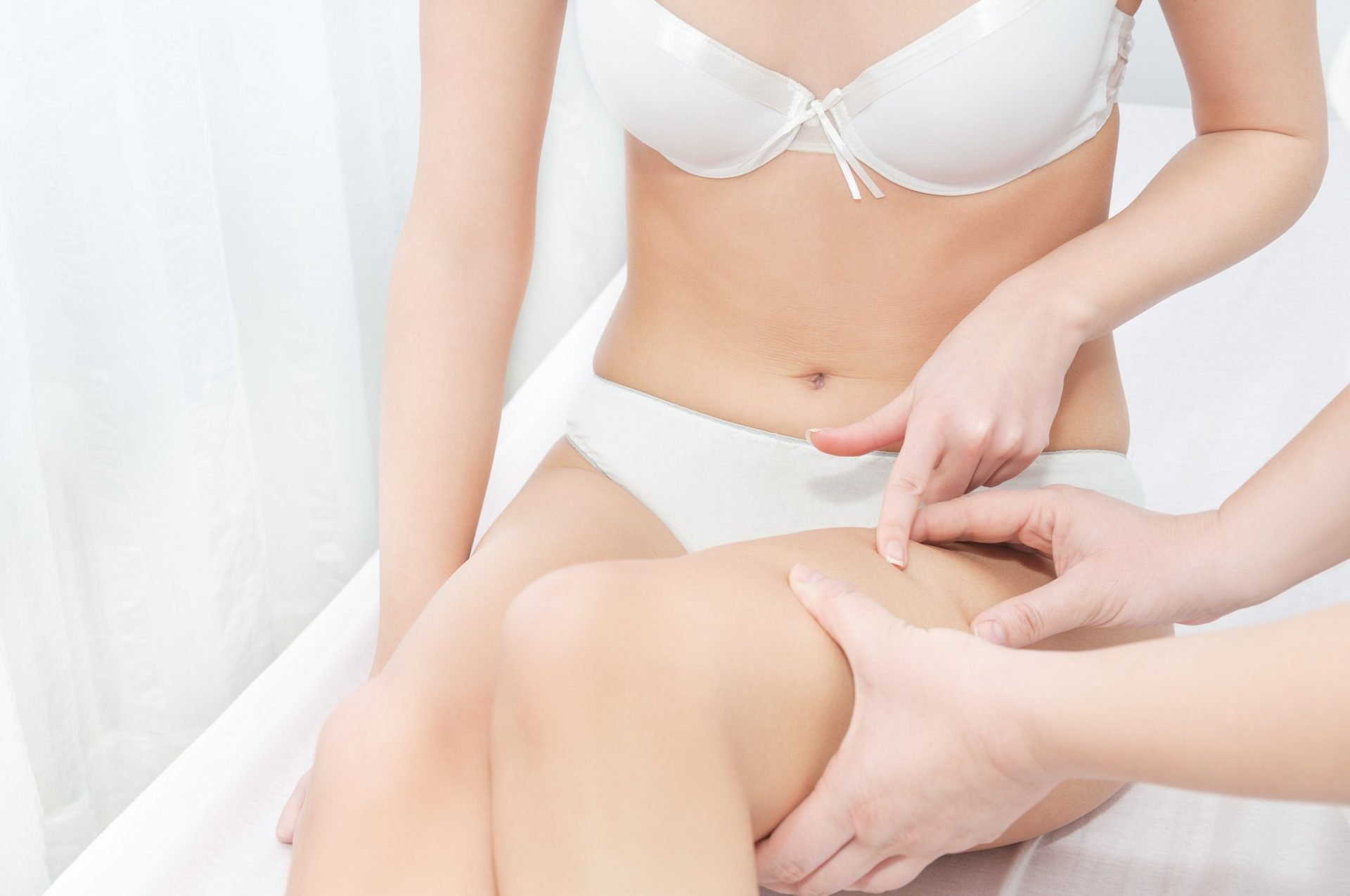
Your number one insecurity: cellulite. How to fight it: you have no idea. All you know is that despite your best efforts, those dimples remain stubbornly lodged on your thighs and buttocks. What if a visit to the doctor could help you better understand your cellulite — and finally get rid of it? A closer look at the real causes of orange-peel skin and the medical solutions available to tackle it.
What causes cellulite?
1- How cellulite forms
The cellulite, or superficial lipodystrophy, is the result of an abnormal accumulation of fat and water in the hypodermis, combined with a change in the skin’s appearance. Within the hypodermis (the deepest layer of the skin) lie specialised cells called adipocytes, which are responsible for storing or releasing fat depending on the body’s energy needs. But when energy intake exceeds expenditure, the body tends to build up reserves. The adipocytes become hypertrophied — or even multiply — causing visible deformation at the surface of the skin. These enlarged cells also compress the blood and lymphatic vessels. The result: drainage of water and toxins no longer functions properly, worsening the skin’s bumpy appearance. That is cellulite.
2- Main causes of cellulite
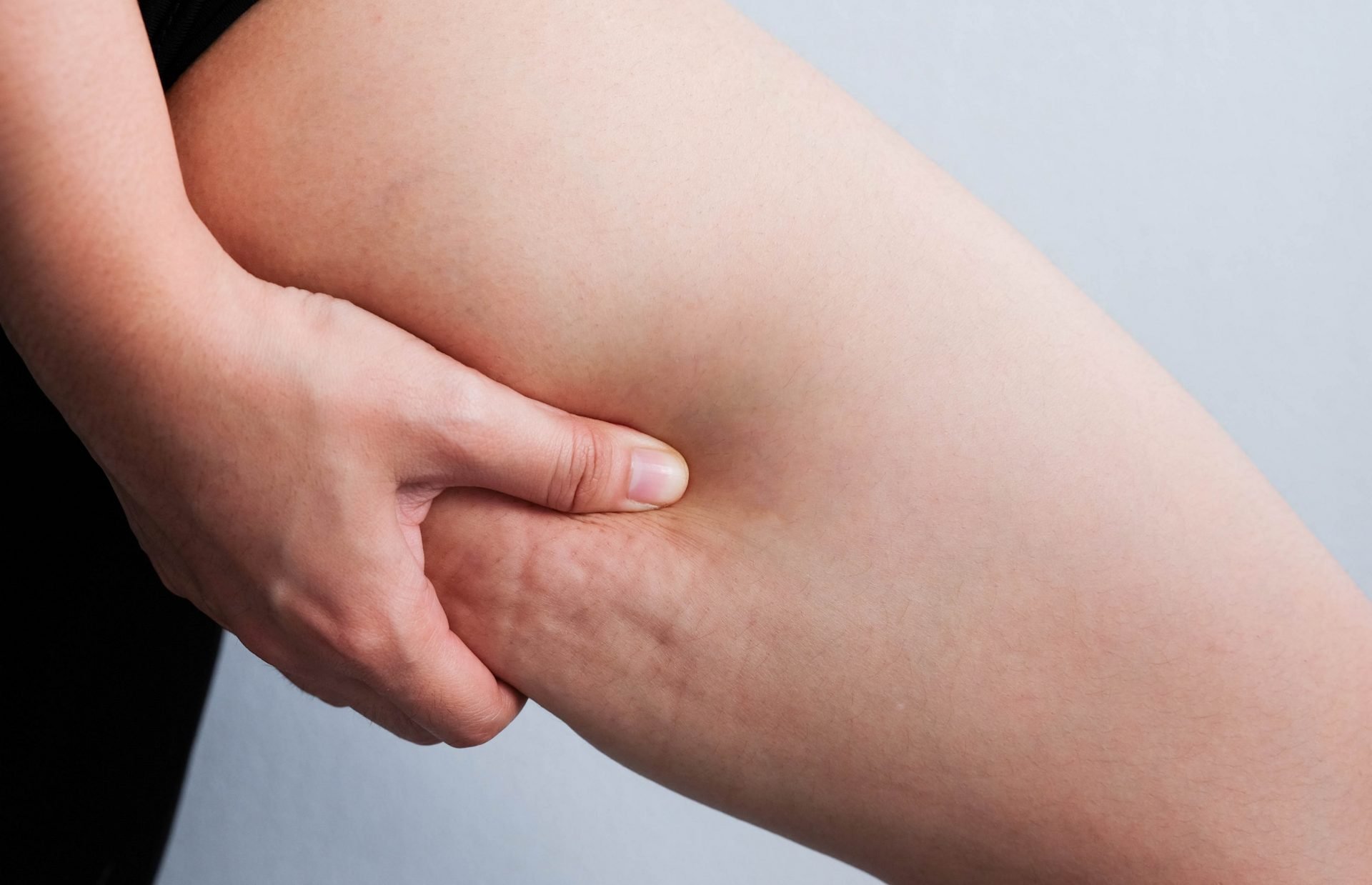
9 out of 10 women have or will develop cellulite at some point in their lives. It is often the result of a combination of factors. Among the most common:
- Hormonal factors: hormones sex hormones (oestrogen and progesterone) play a role in the development of cellulite, as one of their functions is to encourage fat storage in preparation for a potential pregnancy. Other hormones also contribute to the appearance of orange-peel skin. Prolactin, which is elevated during pregnancy, promotes both fat and water retention. Cortisol — known as the “stress hormone” — can also trigger cellulite. When produced continuously by the body (as in cases of chronic stress), it leads to the breakdown of skin collagen, a tendency towards water retention and increased fat storage. Finally, a thyroid imbalance can also encourage cellulite formation (hypothyroidism promoting fat storage).
- Heredity: cellulite has a hereditary component. We inherit the number, size and distribution of our adipocytes from our parents, as well as metabolic characteristics and the “quality” of our venous and lymphatic circulation. Women whose mothers or grandmothers had cellulite are therefore more likely to develop it themselves.
- Age: as we get older, certain physiological changes occur that are detrimental to skin quality. These include sluggish venous and lymphatic circulation, hormonal shifts during perimenopause , and a loss of skin elasticity. As a result, orange-peel skin tends to become more pronounced with age.
- Venous and lymphatic insufficiency: people prone to poor venous and lymphatic circulation will tend to have more cellulite, particularly of the aqueous type. The venous system is responsible for transporting water, nutrients and oxygen to cells, organs and muscles — but also for carrying water and toxins towards the body’s elimination organs. When venous and lymphatic function is impaired, this process breaks down. Tissues become waterlogged with fluid and toxins (water retention), taking on a dimpled appearance.
- Lifestyle: lifestyle is one of the key contributing factors to cellulite, and covers a wide range of habits. A diet that is too rich, too salty and/or too sugary, a lack of hydration, a sedentary lifestyle, and the consumption of alcohol and/or tobacco can all “feed” cellulite.
- Medication: certain treatments — such as hormonal therapies (HRT, the pill), antihistamines or corticosteroids — can disrupt hormonal balance and contribute to the development of cellulite.
When should you see a doctor?
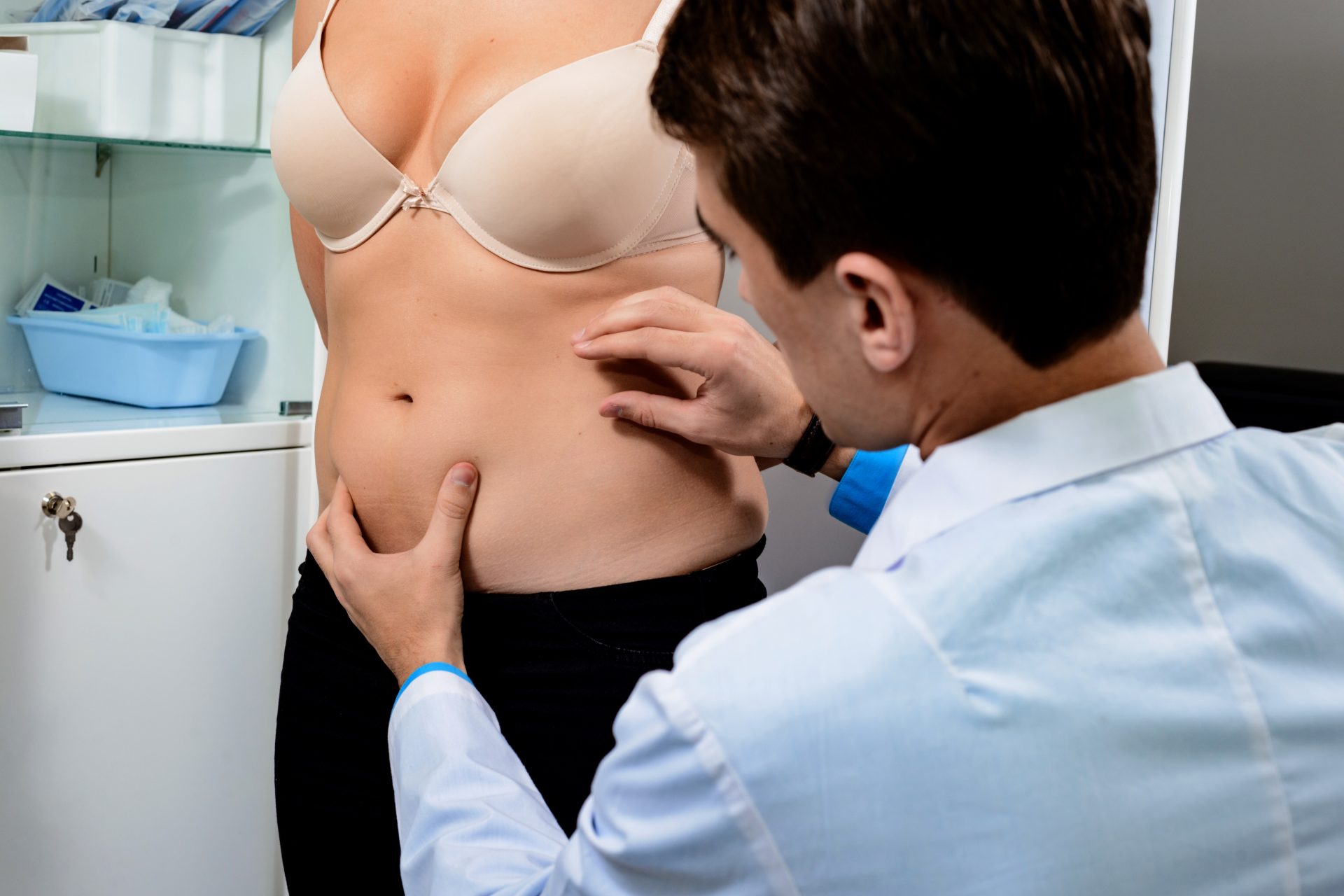
As you can see, cellulite is multifactorial. Some causes are beyond our control, such as heredity or age. Others are more manageable, like lifestyle habits. And some factors may benefit from one or more visits to a medical professional. But which doctor should you see?
- Your GP: the answer may seem obvious — and yet it is often overlooked. Your GP follows your health over the long term and has access to your full medical history. They are also your first point of contact when something is wrong. Starting with a cellulite assessment with your GP is therefore an essential first step. Through a consultation and physical examination, they can help identify the possible cause or causes of your orange-peel skin. Depending on the findings, they can then refer you to one or more specialists.
- Your gynaecologist: as mentioned above, cellulite is often linked to the activity of sex hormones. Your gynaecologist is well placed to detect a potential endocrine issue and assess your hormonal balance in the context of your personal situation (puberty, contraception, pregnancy, postpartum, perimenopause, menopause) and your overall gynaecological health. They may also recommend a treatment or appropriate measures to help improve the condition of your cellulite.
- An endocrinologist: a natural complement to consultations with your GP and gynaecologist. If your cellulite is aggravated by elevated cortisol levels or a thyroid condition, a more in-depth assessment with a hormone specialist may be worthwhile.
- A nutritionist: if your cellulite is of the adipose or fibrous type, and is particularly linked to poor dietary habits, a nutritional rebalancing may be worth considering. A nutritionist (who, unlike a dietitian, holds a medical degree) is the ideal specialist for this. They can offer valuable guidance on adopting a healthier, more balanced diet — and in doing so, help reduce the occurrence of cellulite.
- A vascular specialist (angiologist): this vascular health expert is the doctor to see in cases of venous and lymphatic insufficiency. Following a consultation and a non-invasive Doppler ultrasound examination, they can determine whether your cellulite is aqueous in nature and linked to a disruption in lymphatic flow. Depending on their findings, they may also refer you to a physiotherapist for sessions of lymphatic drainage or pressotherapy.
- An aesthetic doctor: a final option, less focused on the underlying causes and more on the aesthetic impact of cellulite. If you feel particularly self-conscious about your dimples and wish to explore the latest techniques in cellulite treatment (radiofrequency, shockwave therapy, laser, ultrasound, mesotherapy…), aesthetic medicine may be a solution worth considering. Do bear in mind, however, that these treatments come at a cost and are not covered by national health insurance.