That stubborn cellulite just won’t budge… You eat well, you exercise regularly, and yet a few unsightly dimples persist on your thighs or buttocks. So you’re considering an anti-cellulite treatment. But you’ve heard these aesthetic treatments can be expensive… Read on to find out everything you need to know about anti-cellulite techniques, their prices, and what’s covered.
What is an anti-cellulite treatment?
1- Aesthetic medicine techniques
There are almost as many anti-cellulite treatments as there are months in the year! They are generally performed by a dermatologist, an aesthetic physician, or a plastic surgeon. However, some beauty clinics also offer anti-cellulite treatments. If you opt for a beauty clinic, make sure the practitioner is certified to carry out the treatment of your choice and that the equipment used meets current standards. Before choosing a clinic treatment, request a written package quote showing the practitioner, included sessions, equipment and any additional charges.
Among the best-known anti-cellulite treatments (and, for the vast majority, non-invasive), you’ll find:
- Treatment with shock waves: this involves delivering acoustic waves through the skin using a handheld device, with the aim of loosening the tissues.
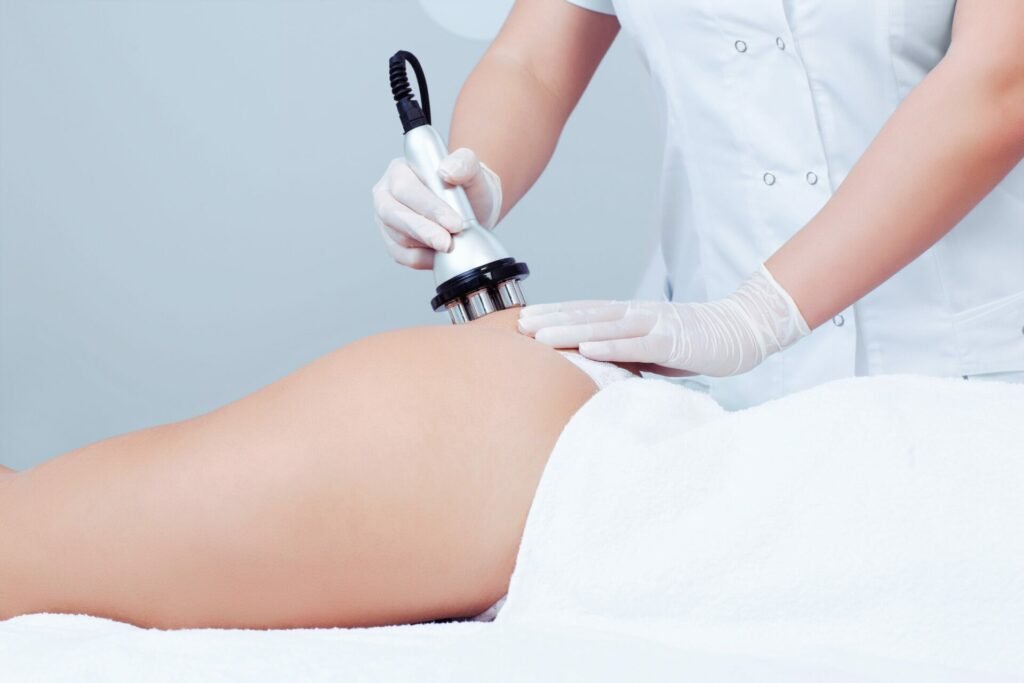
- Treatment with ultrasound: similar to the previous technique, it involves delivering targeted ultrasound waves to the subcutaneous fat cells, with lipolysis as the aim.
- Vacuum therapy (or suction therapy): a technique that uses localised suction on the skin via a suction cup. It draws inspiration from the pinch-and-roll massage technique.
- Treatment with radiofrequency: a non-invasive technique using electromagnetic waves, often offered for cellulite with fibrosis.
- Treatment with laser: two techniques exist (endolipolysis and exolipolysis), which aim to heat the fat contained in the adipocytes.
- Mesotherapy: an aesthetic technique that involves injecting a solution into the mesoderm; it must be carried out by a qualified doctor.
- Cryotherapy: a cold-based therapy that targets the adipocytes.
2- Other techniques
Other techniques also exist, though they tend to be more closely integrated into a fitness programme. These include the vibrating platform and electrostimulation, which are often used in physiotherapy practices as part of a rehabilitation programme.
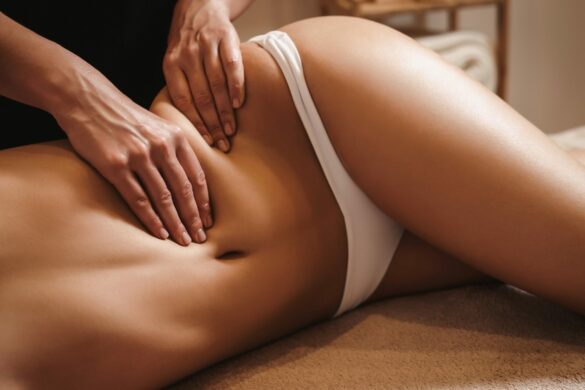
Finally, classic anti-cellulite massages are another option worth considering. These include the traditional pinch-and-roll technique, as well as lymphatic drainage, which is primarily suited to those dealing with water retention and therefore aqueous cellulite.
Anti-cellulite treatment prices and coverage
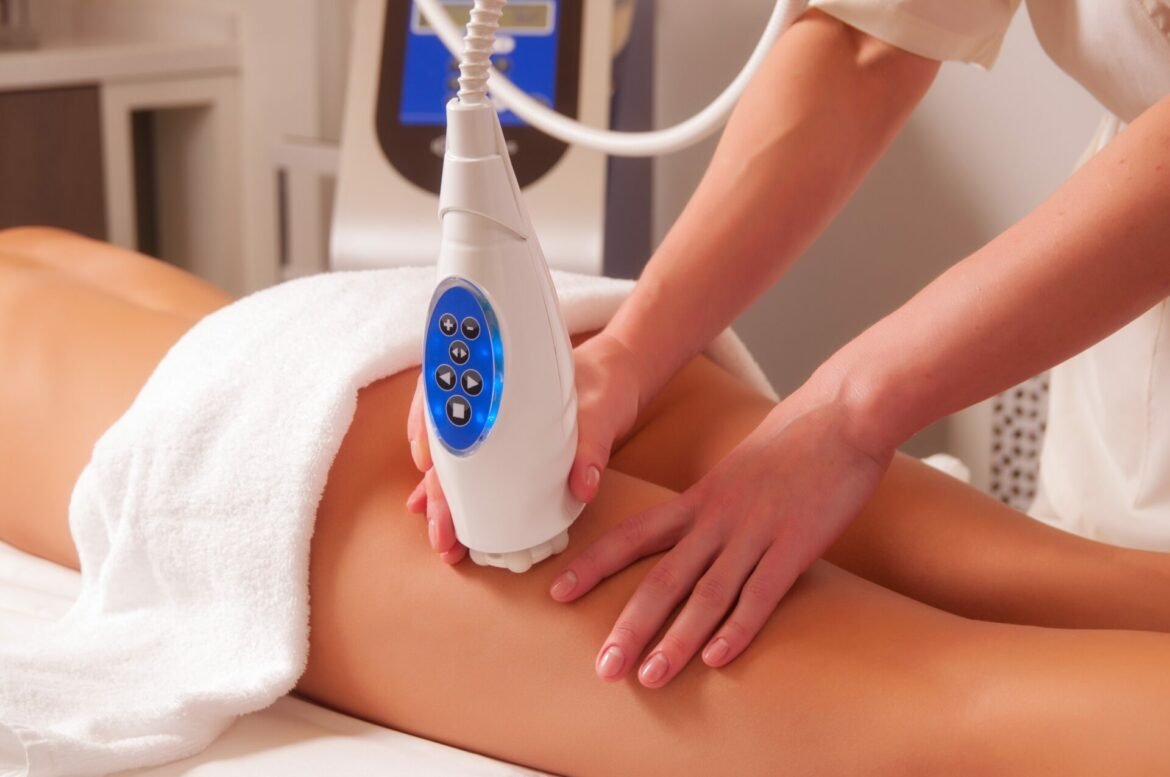
1- Cost of an anti-cellulite treatment
First things first: no anti-cellulite treatment is permanent. After the initial intensive sessions, maintenance sessions will be needed, as cellulite will inevitably return…
In terms of pricing, the techniques mentioned above come at the following costs — bear in mind that prices are always quoted per session, and that any anti-cellulite treatment will require multiple sessions depending on the size of the area to be treated and the type of cellulite (from early-stage to deeply embedded):
- Shock waves: €50–100, allow for 4 to 10 sessions.
- Ultrasound: €100–300 per session.
- Vacuum therapy: €40–80 per session.
- Radiofrequency: €100–200 per session.
- Laser: €100–150 per session.
- Mesotherapy: €70–100 per session, with 4 to 15 sessions typically required.
- Cryolipolysis: €300–400 per area.
2- Insurance coverage for anti-cellulite treatments
As for coverage, there is essentially none. In the vast majority of cases (except for very advanced, painful and debilitating fibrous cellulite), anti-cellulite treatments are purely cosmetic. This means you will need to cover the full cost of all sessions out of pocket.
The only anti-cellulite treatment that may be covered today is lymphatic drainage or pressotherapy, but only if a debilitating venous-lymphatic insufficiency has been diagnosed (typically by a vascular specialist, following examination and Doppler ultrasound) and a doctor has recommended drainage sessions with a physiotherapist.
What are the alternatives to anti-cellulite treatments?

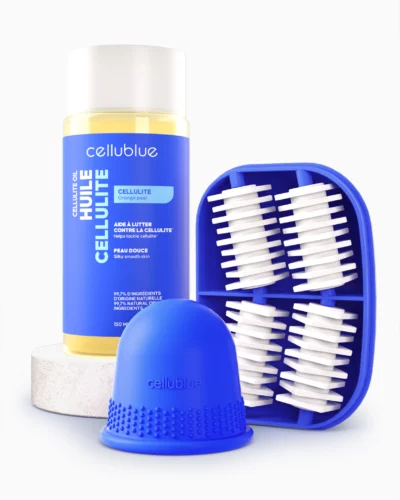
As you can see, undergoing an anti-cellulite treatment at a clinic or with an aesthetic physician can be very costly, and it’s a budget that few women have access to. There are, however, alternatives, starting with a daily at-home routine combining cosmetic products and massage. To help you get started, we offer the Pack Maxi Anti-Cellulite. It contains all the products and accessories you need for an anti-cellulite routine at home. It includes:
- Two massage oils, to make your anti-cellulite massages effortless: our Stimulating Oil with grapefruit, to use on dry skin, and our Shower Oil with pineapple, for massages in the shower!
- Two massage tools: our Suction Cup, inspired by the pinch-and-roll technique, and our Orange-Peel Massager.
- A scrub and a brush, to prepare the skin for your routine and remove dead skin cells.
- Our Cold Cellulite Cream, a true must-have that can be used on any area of the body, designed for skin prone to dimples, with a cooling sensation.
What’s more, our Maxi Pack includes two comprehensive guides to support your daily anti-cellulite routine:
- A guide to everything you need to know about cellulite (to help you identify your cellulite type), complete with tips and 40 recipes.
- A 21-day coaching programme with fitness, nutrition and skincare tips, to help you care for orange-peel skin every day.
Our Pack offers a complete, easy-to-follow method to use at home, on a small budget!
Frequently asked questions
How much does a laser cellulite treatment session cost?
Allow between €100 and €150 per session for laser treatment. As with the other techniques, several sessions are needed, depending on the size of the area being treated and your type of cellulite. You should also plan for maintenance sessions.
Can I get an anti-cellulite treatment at a beauty salon?
Yes, some beauty salons and clinics offer anti-cellulite treatments. If you choose this option, make sure the practitioner is certified to carry out the treatment you’ve chosen and that the equipment used meets current standards. These treatments are also offered by dermatologists, aesthetic physicians and plastic surgeons.
Is anti-cellulite treatment covered by insurance?
In the vast majority of cases, no: it’s a cosmetic treatment, so you’ll have to pay the full cost yourself. The only exception concerns specific medical situations. To find out whether this applies to you, ask your doctor for advice.
Related articles


The scrub that leaves skin smooth and skin texture refined*
*User test on 21 volunteers over 4 weeks, based on participants' feedback.
- Olive & apricot kernels: these natural grains gently sweep away dead skin cells
- Caffeine & monoi scent, so your shower instantly smells like a holiday
- In the shower, two to three times a week, massaging your thighs, bottom and stomach

The cupping tool that replicates pinching and rolling, 3 minutes per zone
- The professionals' technique, at home: you lift, glide, and release, and the tool grips the skin fold like a manual pinching and rolling
- Soft silicone that fits thighs, buttocks, stomach, and arms
- 3 minutes per zone, every day, always with a massage oil so the tool glides