If you often have a feeling of swollen, heavy legs and your cellulite is mainly on your thighs, calves and inner arms, you are probably dealing with what is known as “aqueous” cellulite. It is often linked to water retention, so it makes sense to start by looking at this phenomenon and what tends to encourage it. Below you’ll find a quick refresher on water retention and its causes, followed by 6 foods and plants that often come up on this topic, and ideas for fitting them into a varied diet.
What is water retention?
First of all, a quick reminder about water retention. To understand this phenomenon, it helps to know how our body works. It is made up of approximately 70% water: 2/3 is locked inside the cells, while the remaining third circulates in the blood vessels or between cells. The body maintains this balance through a system that regulates water circulation. But sometimes this system fails, and water seeps into the tissues. Trapped there, it can no longer be eliminated naturally — this is water retention. It then causes swelling, known as oedema, particularly in the lower body (thighs, legs, ankles) — due to gravity. Beyond oedema, water retention can cause skin discolouration, tingling sensations, a rise in skin temperature in the affected areas, and weight gain.

The causes of water retention
Several factors can trigger or worsen water retention, including:
- Hormonal fluctuations: female hormones (oestrogen and progesterone) generally cause the dilation of blood and lymphatic vessels. The vital fluids responsible for circulating water properly throughout the body are “slowed down” by this vasodilation. As a result, water is less efficiently eliminated and tends to stagnate in the tissues.
- Heat: just like hormones, heat causes vasodilation, as well as increased vessel permeability. Water then escapes from the vessels and becomes trapped in the tissues.
- Prolonged immobility: sitting or standing for extended periods causes muscle contraction. Yet one of the functions of muscles is to “massage” the veno-lymphatic system, encouraging proper fluid circulation. When muscles remain contracted, venous circulation is impaired and water retention can occur.
- Poor dietary habits: certain foods are harmful to healthy blood circulation and cause water to accumulate in the tissues. This is the case with salt, which encourages water storage rather than elimination. A diet low in protein and high in carbohydrates only makes the problem worse.
- Medications: corticosteroids, anti-inflammatory drugs, treatments for high blood pressure and diabetes, antipsychotics, and certain hormonal treatments (the pill, HRT) can promote water retention.
- Underlying health conditions: venous insufficiency, cardiac and renal conditions, and thyroid disorders are all factors that can contribute to water retention.
Foods and plants: the “natural remedies” you often hear about
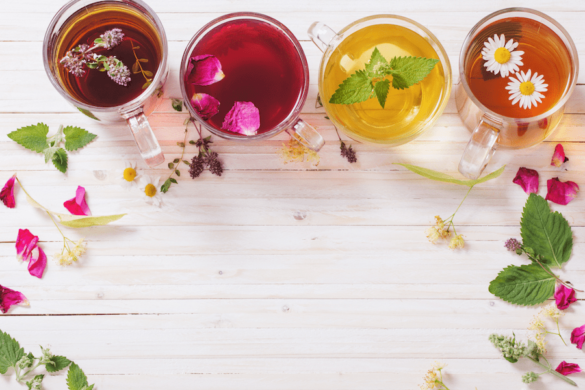
Cherries, pineapple, fennel, green tea, horsetail and nettle: here are 6 foods and plants that are easy to fit into your everyday routine as fresh fruit, drinks or herbal teas. They are no substitute for a varied, low-salt diet or for staying active. They simply have a place in a balanced diet. If water retention persists or comes with pain, speak to your GP.
Cherries

A delicious fruit, cherries can be enjoyed on their own, in a fruit salad or in a dessert. Their stalks have also traditionally been used to make herbal teas.
You can also use 1 slice of watermelon, 5 whole cherries and a little water to make a refreshing drink. Simply blend the watermelon with the cherries, then add a splash of water.
Pineapple
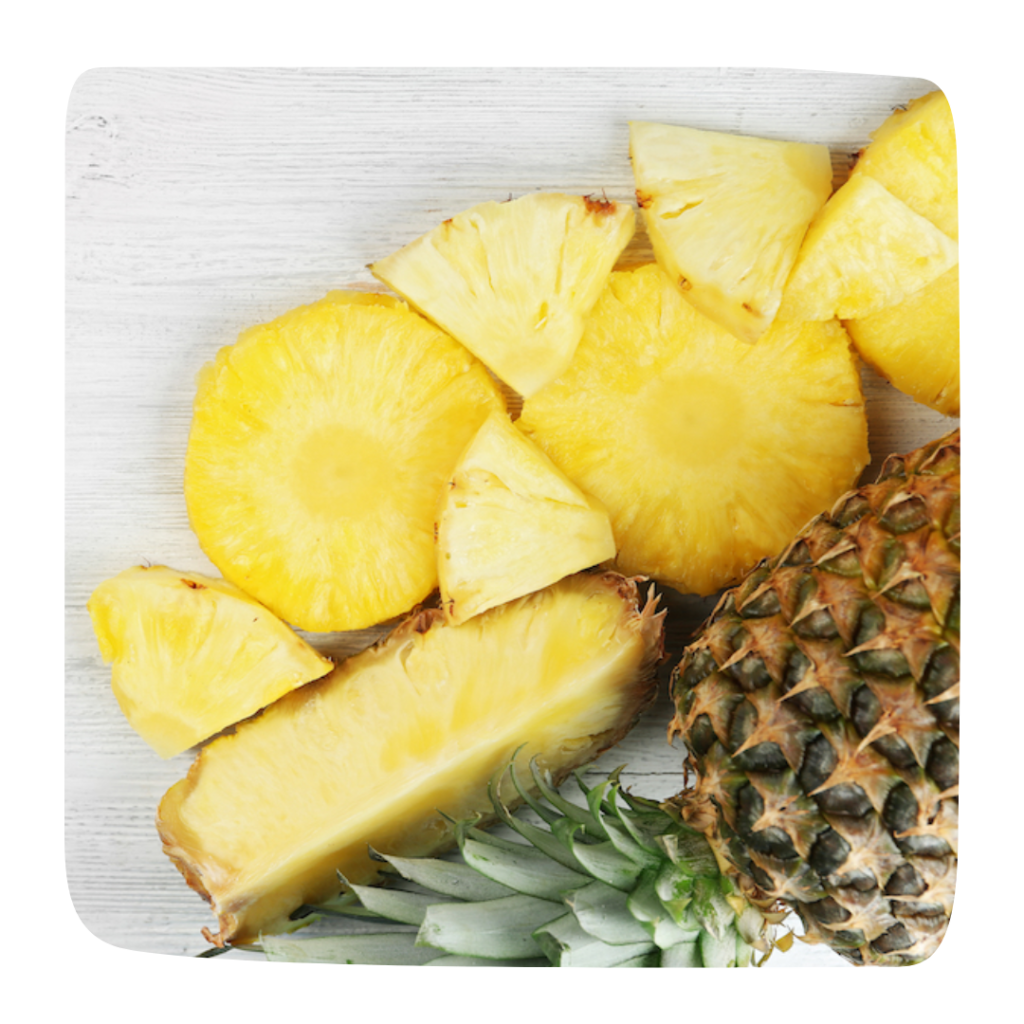
Water, fibre, vitamins and minerals: pineapple is the go-to fruit for health-conscious foodies, and it’s easy to see why! Juicy and full of water, it’s a tasty, thirst-quenching fruit. Enjoy it in a fruit salad, at breakfast or as a snack. Just make sure you choose fresh fruit and avoid tinned pineapple in syrup, which is far too sugary.
Fennel
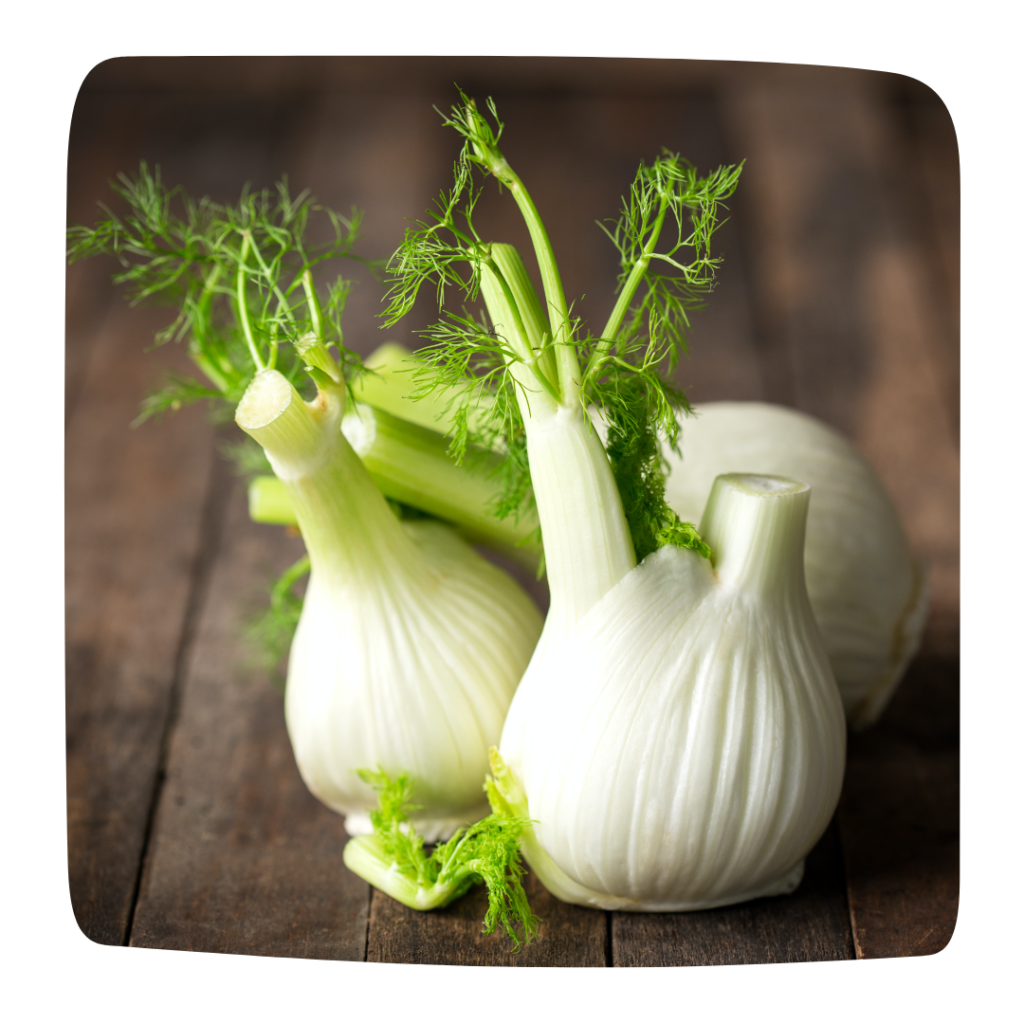
Often overlooked and underappreciated, fennel is actually a full-flavoured vegetable. You can also try a delicious fennel and anise herbal tea after a meal.
Green tea
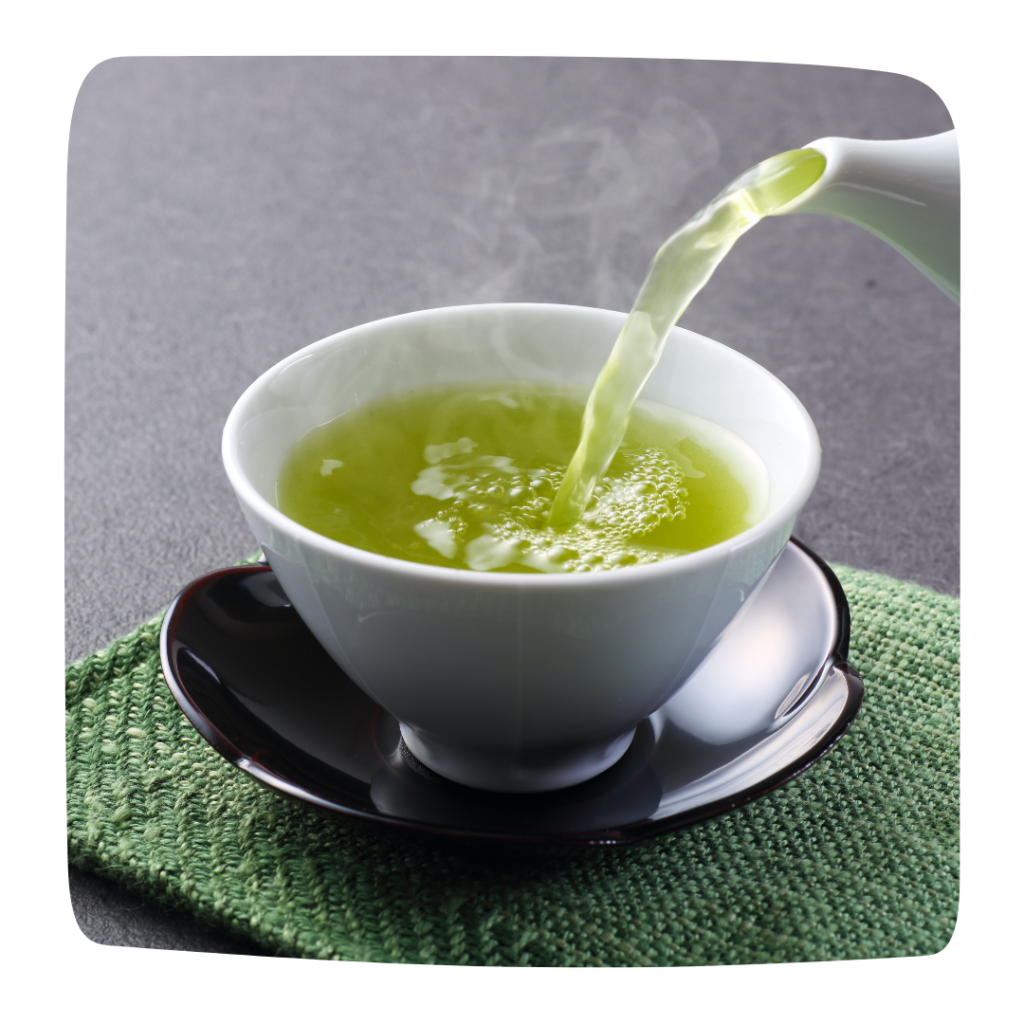
Among all of Grandma’s remedies, green tea needs no introduction. It can be enjoyed hot or iced. To find out more, take a look at our tips on water retention.
Horsetail
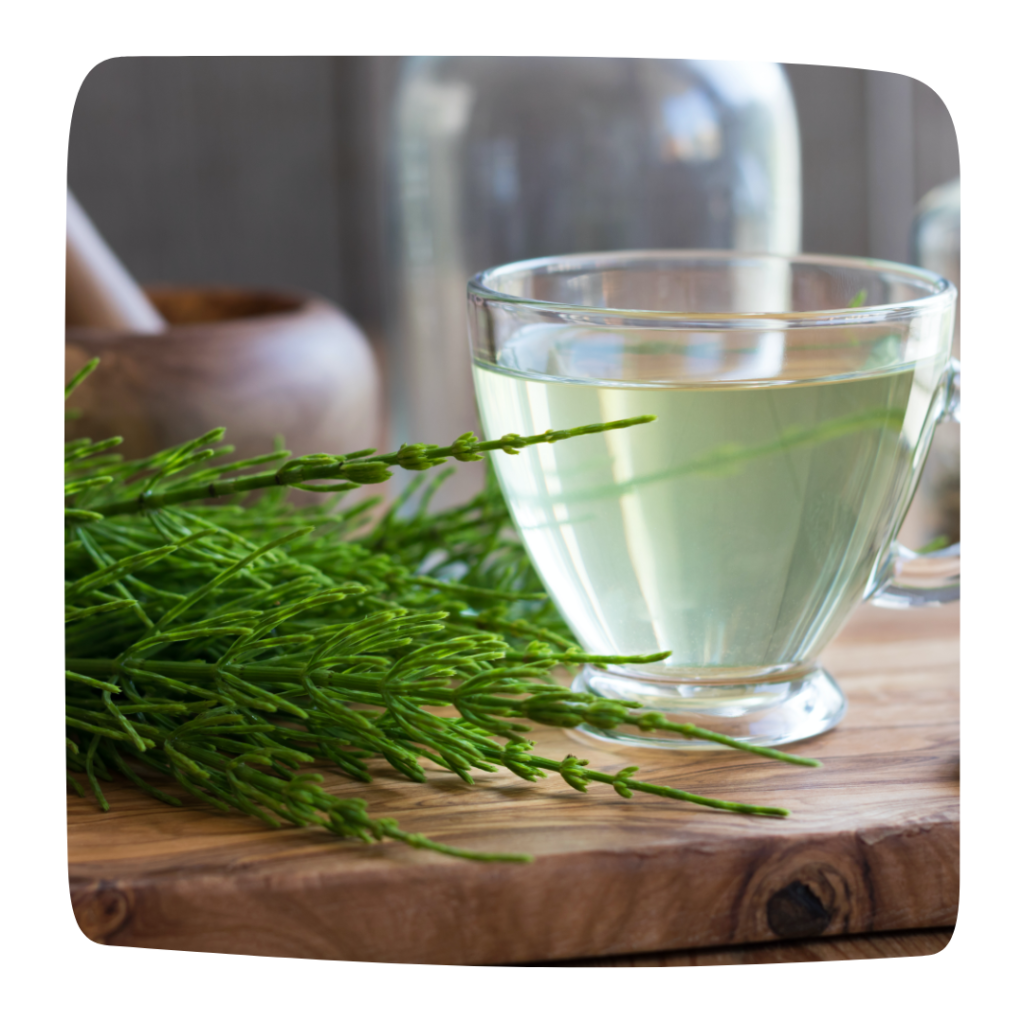
Horsetail is a plant traditionally used to make herbal teas. Ask your pharmacist for advice before drinking it regularly. And if your legs often feel heavy, have a look at our advice on that heavy-legs feeling.
Nettle
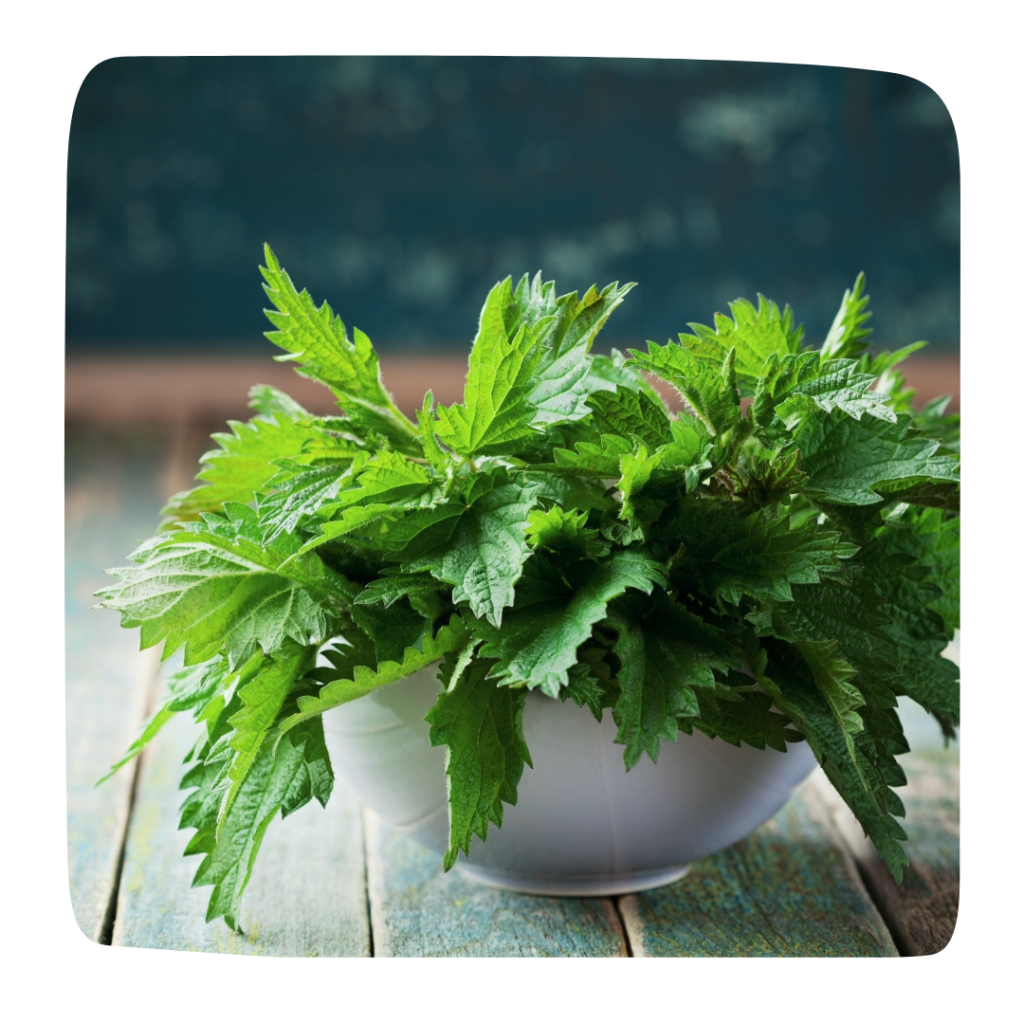
Nettle is a plant that often features among everyday tips for water retention. To enjoy it as a herbal tea, bring 1 cup of water to the boil, then add 1 handful of nettle and 2 slices of organic lemon. Leave to steep for 5 minutes, strain and enjoy.
Alongside a varied diet, don’t forget your palper-rouler massage sessions, ladies! This type of massage can be part of your skincare routine for the appearance of cellulite. Keep it in mind with your Cellublue Cup, as part of regular sessions.
Related articles
- Potassium: definition, rich foods and meal ideas
- Understanding the links between water retention and cellulite
- 3 DIY Care Treatments for Your Legs
Useful categories: Anti-Cellulite Diet.