Most women have cellulite. That’s a fact, but it doesn’t mean they’re happy to live with it! And age doesn’t help matters: in your sixties, as menopause sets in, the texture and location of cellulite can change, and it may even start to appear on the arms, bust or stomach… But don’t give up just yet! Here’s why cellulite changes after 60, along with our exercise, diet and skincare tips to help you stay positive and minimise its appearance. Nothing is impossible!
Menopause and cellulite
Oestrogen and cellulite are closely linked. Hormonal fluctuations have an impact on cellulite — both in terms of how much you develop and its texture (if already present, it may tend to become fibrous). Menopause marks a decline in oestrogen production, which can lead to:
- Changes to and/or worsening of existing cellulite, which tends to become more deeply embedded
- The appearance of cellulite in new areas, such as the arms, bust and stomach.
To make matters more complex, after 60 the metabolism also changes:
- Loss of muscle mass, in favour of fat mass
- Less muscle means less energy burned by the body, which can lead to gradual weight gain
- Changes in the skin: as the epidermis dries out and thickens, the dermis (the deeper layer of skin) becomes thinner, creating increased porosity — water retention tends to worsen, and the organisation of fat cells shifts, resulting in denser, more stubborn cellulite
What can you do about cellulite after 60?
Not the most uplifting picture, we admit! But your sixties can also go hand in hand with a harmonious silhouette and glowing skin — if you take the time to look after your body.
1- Keep moving
Exercise is beneficial at any age! It’s essential for:
- Managing your weight
- Staying energised
- Preventing bone loss that can lead to fractures
- Maintaining healthy-looking skin
- Keeping active and mobile
- Looking after the appearance of areas prone to cellulite
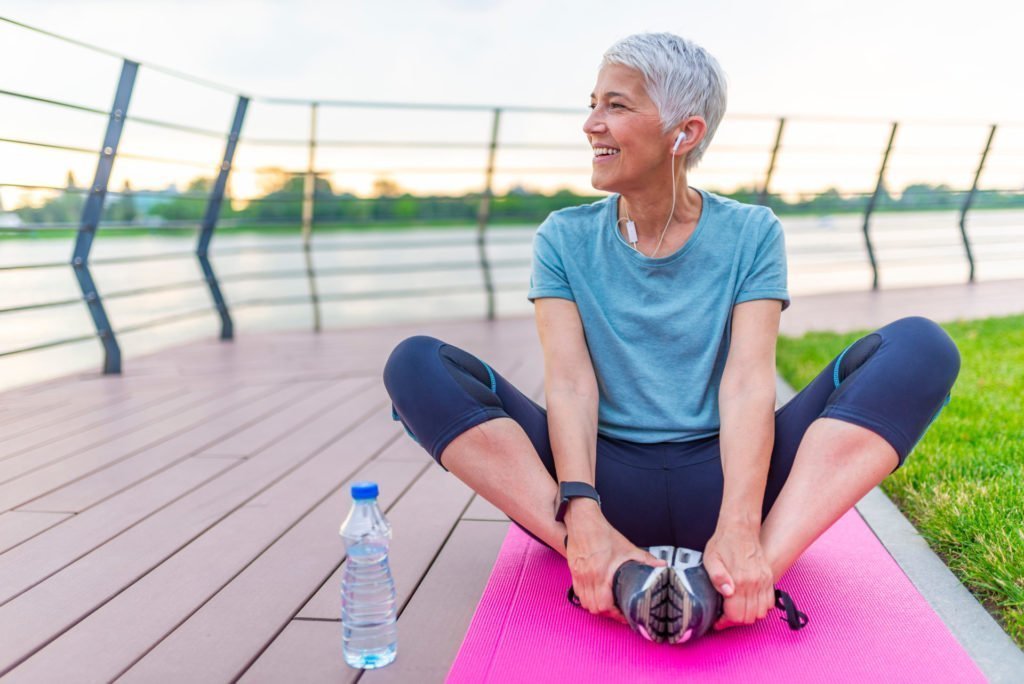
Focus on low-impact activities (to avoid injuries, which take longer to heal at 60), endurance-based sports (so the body draws on fat reserves) and exercises that engage the whole body. Swimming, Nordic walking, cycling, cross-country skiing, Zumba, aqua aerobics… the options are plentiful! Make the most of having more free time to exercise regularly (three longer sessions per week). Add in regular walks too — running errands, a post-meal stroll, outings with the grandchildren.
2- Rebalance your diet
At 60, nutritional needs change: muscle mass tends to decrease and certain nutrients become more important. But there’s plenty you can do about it!
- Alongside regular exercise, keep an eye on your protein intake, which helps maintain muscle mass: white meat (poultry), oily fish (salmon, mackerel, sardines) and white fish (pollock, hake, whiting). Don’t forget eggs from time to time. And above all, make room for plant-based proteins (lentils, chickpeas).
- When it comes to carbohydrates, opt for complex carbs (wholegrain bread) and cut back on sugary foods.
- Eat a varied range of fruit and vegetables through the seasons: artichoke, asparagus, aubergine, tomato, cucumber and courgette for vegetables; citrus fruits, melon, watermelon, strawberries and pineapple for fruit. If you have questions about water retention, have a read of our dedicated tips.
- Don’t skip dairy: opt for fresh cheeses, plain yoghurt and skimmed milk.
- Cut back on alcohol, sweets, saturated fats and ready meals (often high in sugar and salt).
- Stay hydrated with water, herbal teas and lightly brewed tea.
3- Take care of yourself
To complete your anti-cellulite routine, it’s important to care for your skin. After 60, it becomes more fragile — partly due to the loss of collagen and elastin — and cellulite becomes more visible. The key is to keep it properly hydrated and deeply toned. Here’s how:
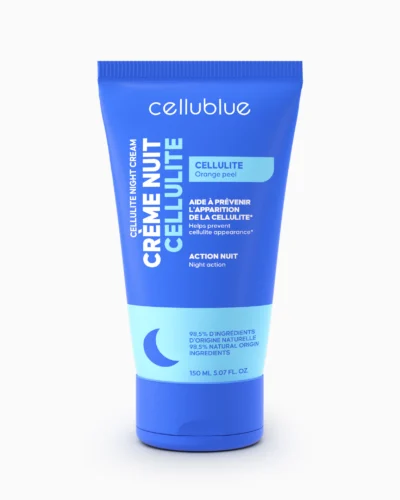
- Give your skin a real boost with a cold cellulite cream, which helps care for the firmness of the dermis.
The cream that smooths the appearance of orange peel skin* and tones the skin
*Consumer test on 22 volunteers over 2 weeks, participants' self-assessment.
- Smooths the appearance of orange peel skin on the thighs, buttocks and stomach
- Caffeine & Green Coffee, the two benchmark active ingredients in body care
- Melting texture: absorbs in seconds and leaves the skin feeling comfortable
- Massage cellulite-prone areas daily using nourishing plant oils and massage tools: a cupping cup to replicate the pinch-and-roll technique, or an electric cupping device for a suction massage at home.

Professional anti-cellulite technology at home
- Designed to smooth the look of dimpling & tone the skin in depth
- Visibly smooths the appearance of orange-peel skin
- You can also complement your routine with our programme (capsules, our drink). If you’re taking any medication, check with your GP or pharmacist first.
What about cellulite on the arms?
The arms are one of the areas where cellulite can appear after menopause. The good news is that all the tips above apply here too. Choose activities that work the whole body, such as swimming or aqua aerobics, keep an eye on your protein intake to help maintain muscle, and don’t forget your arms during your daily massage. To find out more, read our dedicated article on arm cellulite.
Frequently asked questions
What can I do about cellulite after 60?
Focus on three pillars: regular low-impact, endurance-based exercise, a rebalanced diet (more protein, fewer sweets and ready meals) and a regular skincare routine, such as moisturising and massaging the areas concerned. You’ll find all the details in the section “What can you do about cellulite after 60?”.
Why does cellulite change in your sixties?
Largely because of menopause and the drop in oestrogen, which comes with changes to your metabolism and skin. You’ll find a full explanation in the section “Menopause and cellulite”.
What exercise is best at 60 to help with cellulite?
Opt for low-impact, endurance-based activities that work the whole body: swimming, Nordic walking, cycling, cross-country skiing, Zumba or aqua aerobics. Add in everyday walks too. If you’re unsure about your fitness, check with your GP before you start.
What should I eat after 60?
Focus on protein (poultry, fish, eggs, lentils, chickpeas), complex carbohydrates such as wholegrain bread, and fruit and vegetables such as artichoke, asparagus, tomato, citrus fruits or melon. Cut back on alcohol, sweets, saturated fats and ready meals, and drink water, herbal teas or lightly brewed tea.
Related articles
- Exercise Bike & Cellulite: Does It Really Work?
- Waterbike and Cellulite: What Can You Expect?
- Planking and Cellulite: Does It Work?
Useful categories: Anti-Cellulite Solutions.