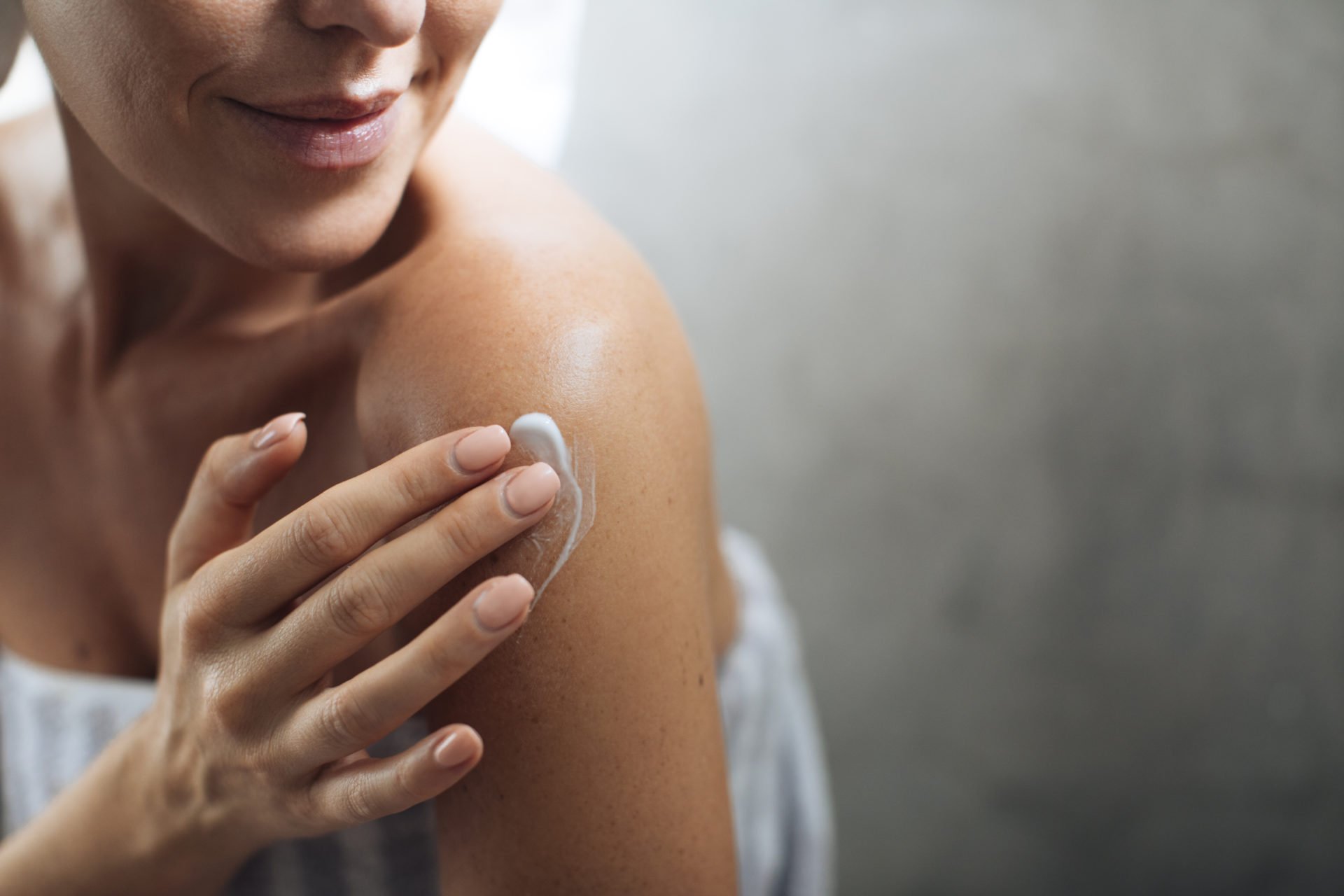
You thought stretch marks were something only pregnant women dealt with, appearing exclusively on the stomach, hips and thighs… And then it happened: your shoulders and arms are marked with fine white streaks. Why have stretch marks appeared on this specific area of your body? What can you do to prevent them — or at least reduce their appearance?
Causes of stretch marks on the shoulders
The stretch marks are the result of a sudden, rapid change in body shape — a gain in volume or a growth spurt so abrupt that the skin, caught off guard, simply cannot keep up. The collagen fibres responsible for its elasticity break down, leaving behind stretch marks. Typically found on the torso (chest, stomach) and the lower body (buttocks, hips, thighs), stretch marks can also appear on the upper body. The main causes include:
- Puberty-related growth: the teenage years are a prime time for stretch marks to develop. Why? A combination of contributing factors — sudden growth spurts with changes in body shape, intense hormonal shifts, and fluctuating cortisol levels. Stretch marks can appear on the arms and shoulders during this period, particularly in boys.
- Rapid weight gain: whatever the cause (yo-yo dieting, pregnancy, illness, medication), significant weight gain over a short period of time takes a toll on the body. Starting with visible changes to the skin: loss of elasticity, skin laxity and stretch marks. The shoulders are no exception — when you gain weight, you don’t get to choose where.
- Muscle mass development: a phenomenon that particularly affects men who train for bigger arms and broader shoulders — though some women can be affected too. Certain sports, including weightlifting, can cause a sudden and significant increase in upper body volume. When the trapezius, deltoids and pectorals are pushed to their limits, the elastic fibres in the skin give way, resulting in stretch marks on the shoulders.
- A hormonal imbalance: androgenic hormones (testosterone, DHEA, androstenedione), naturally produced by the body, can sometimes be generated in excess when a hormonal disruption occurs. This can lead to weight gain in the upper body and the possible appearance of stretch marks on the shoulders.
How to prevent stretch marks on the shoulders?
The skin is a delicate organ. To avoid putting it under too much strain and prevent stretch marks from forming on your arms and shoulders, a few simple lifestyle and dietary habits can make all the difference.
- Go easy on the exercise: if you’re a dedicated gym-goer, that’s great — but take it steady and focus on tone rather than bulk. Your shoulders will thank you for it. Otherwise, consider gentler activities that still work the arms without overstressing the skin — swimming, windsurfing, climbing. Moderate, non-hypertrophied muscle remains one of the best ways to keep stretch marks at bay.
- Stay well hydrated: it bears repeating — hydration is key when it comes to stretch marks. Water should be your go-to. Cut back on alcohol (which dehydrates), sugary drinks (which only add empty calories) and stimulants. Don’t forget to moisturise your skin too, with a rich cream, to help prevent stretch marks from forming on your shoulders or elsewhere.
- Boost your micronutrient intake: your diet should be rich in nutrients that support collagen production. Focus on foods high in vitamins C, B5 and E, as well as copper, zinc and silicon. These will help nourish your skin from within, improving its elasticity over time.
- See an endocrinologist: ladies, don’t hesitate to book a consultation with an endocrinologist if you suspect a hormonal imbalance — such as hyperandrogenism, an abnormally high level of male hormones in women (early signs may include severe acne, hirsutism, amenorrhoea…).
How to reduce the appearance of stretch marks on the shoulders?
Despite your best efforts, stretch marks have appeared on your arms and shoulders. They make you self-conscious to the point where you avoid wearing off-the-shoulder tops. So what are the options for minimising their appearance?
1- Professional treatments
In recent years, a number of aesthetic techniques have emerged (and are therefore not covered by insurance) that aim to improve the appearance of stretch marks, including those on the shoulders. They generally work by:
- Compensating for collagen loss (since broken collagen fibres do not regenerate on their own): plasma injections, carboxytherapy
- Regenerating the different layers of the skin: microneedling, laser, LED therapy, radiofrequency
- Smoothing skin texture to reduce the fissured appearance caused by stretch marks: peeling, cosmetic surgery (though rarely performed on the shoulders, as it requires sufficient fatty tissue)
These techniques vary in effectiveness and can be costly, with results that are not always guaranteed.
2- Cosmetic solutions
There are now cosmetic solutions formulated with natural plant-based actives. These work to deeply nourish the skin and help repair visible damage. A daily massage of at-risk or affected areas can be remarkably beneficial.
Our Stretch Mark Care Oil, a carefully crafted blend of natural plant oils, deeply nourishes the skin and helps restore some of its elasticity. Stretch marks on your shoulders, treated regularly, will gradually lose their indented appearance. If they are still red, daily application of the oil may help soothe inflammation in the deeper layers of the skin and support the healing process.
