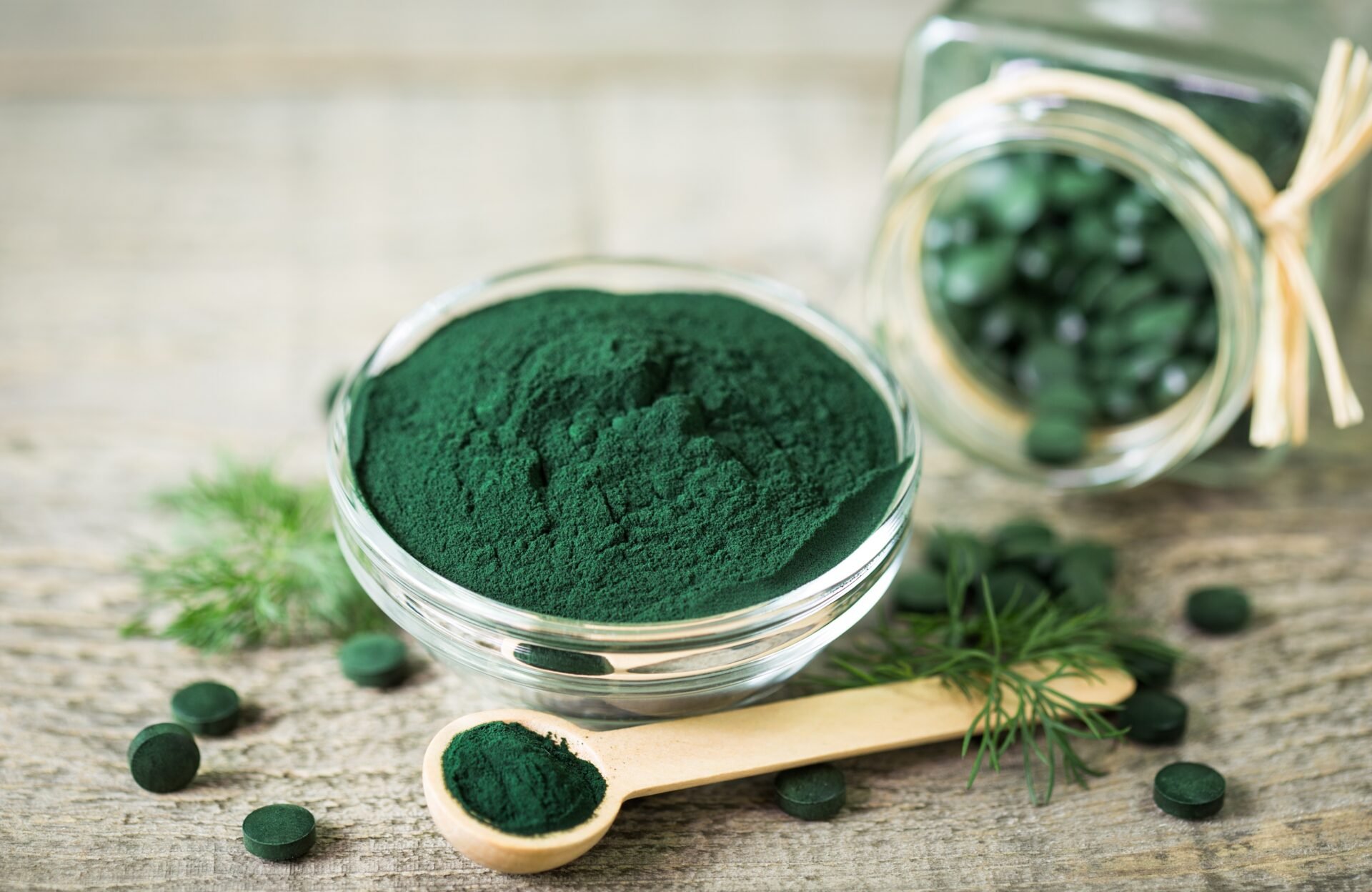
Among superfoods, one stands out as a true nutritional powerhouse. Spirulina is indeed a treasure trove of nutrients. Widely praised by athletes as an exceptional source of protein, it is also known for its antioxidant properties. But can it be effective against cellulite? A closer look at the blue-green microalgae.
What is spirulina?
Spirulina (scientific name Arthrospira platensis) is a cyanobacterium – sometimes called a blue algae. Long before becoming the “superfood” we know today, it was the traditional food of the Kanembou people, who harvest it from the shores of Lake Chad. Spirulina thrives in warm, brackish, shallow waters. It also has a long history in the food industry: first used as a feed supplement for livestock, it was later employed as a food colouring agent, thanks to its high phycocyanin content (the blue pigment that gives it its colour). In the 2000s, it began gaining popularity as an alternative to malnutrition in developing countries, owing to its high protein, vitamin and micronutrient content. This strong reputation earned it the attention of laboratories and food industry professionals. Spirulina was gradually introduced as a dietary supplement for consumers, quickly becoming a resounding success.
What are the benefits of spirulina?
To understand the virtues of this remarkable food, we need to look at its composition.
Spirulina is first and foremost 60% protein, more than almost any other food, and contains 8 amino acids (some of which are essential, meaning the body cannot produce them on its own). It is therefore an ideal food for maintaining muscle mass. For this reason, it is a favourite among athletes, as well as vegetarians and vegans.
But spirulina also delivers a wealth of vitamins:
- vitamin A, which supports skin health, vision and the immune system;
- B-group vitamins, beneficial for the nervous system, immunity and physiological functions;
- vitamin E, antioxidant;
- vitamin K, which supports blood clotting.
Finally, the algae is rich in minerals essential to good health, including iron, magnesium, manganese, phosphorus, selenium, copper, zinc, chromium and potassium. Spirulina is therefore beneficial for skin and hair and nails, the neuromuscular system, the energy metabolism and blood pressure.
How can spirulina help with cellulite?
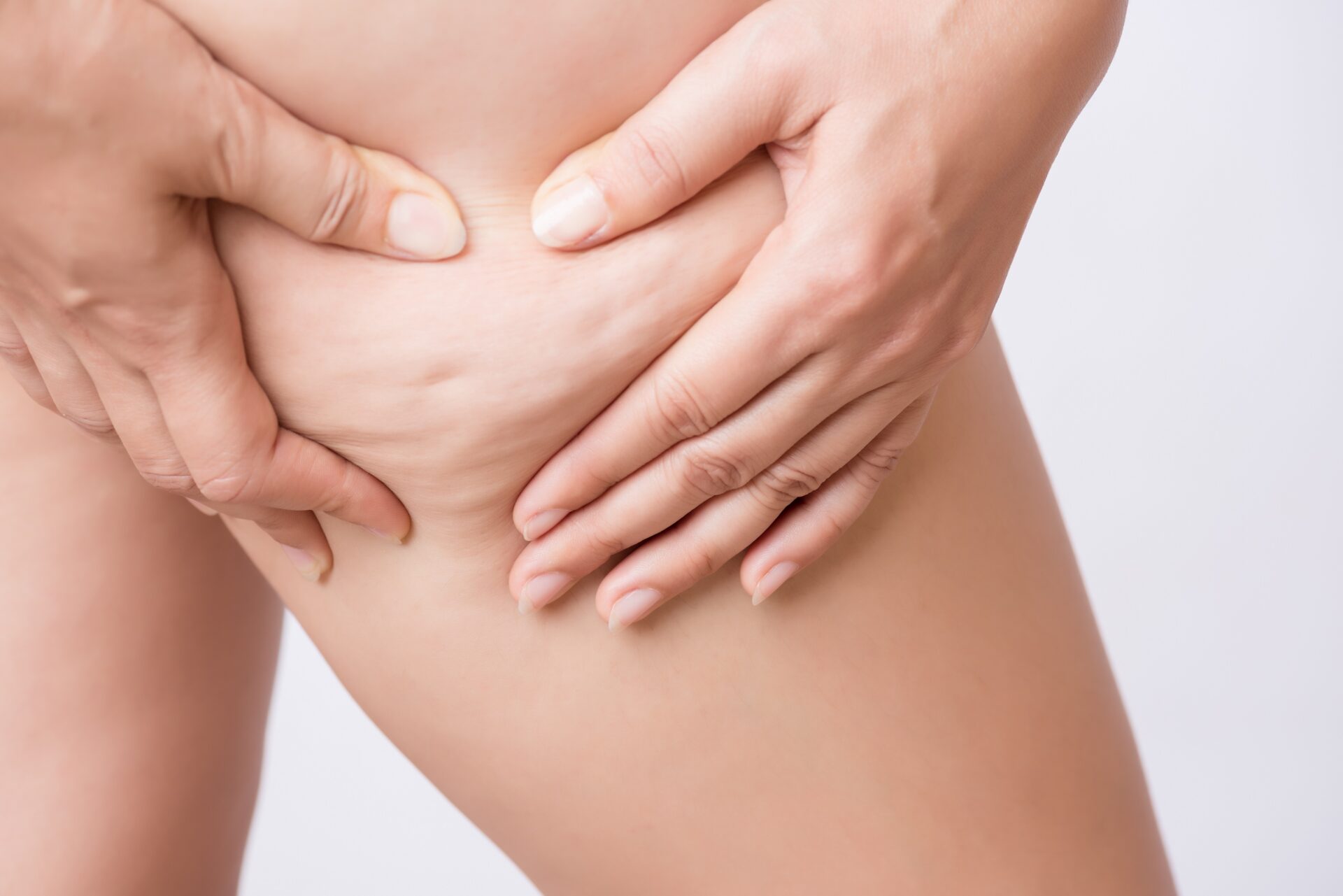
How exactly can consuming spirulina have an impact on the factors that contribute to cellulite ?
Its slimming action: it has a hypoglycaemic effect, as it absorbs some of the sugars from food and helps prevent fat storage. This is partly due to its chromium content, known for its appetite-suppressing effect. That same chromium also helps lower bad cholesterol while boosting the good kind. Spirulina is therefore an excellent ally in preventing fat accumulation.
Its detox action: spirulina is a bio-accumulator, meaning it can bind to toxins and heavy metals. Regular consumption may therefore have a detoxifying effect on the body. Moreover, rich in magnesium and potassium, it has draining and diuretic properties, and helps prevent water retention by restoring the body’s fluid balance. Particularly interesting for aqueous cellulite!
Its skin action: spirulina makes a significant contribution to improving skin quality, both through its antioxidant content and its vitamins A and E. It neutralises the free radicals responsible for skin ageing, while boosting collagen production. It is therefore an excellent anti-ageing ally, and may also prove effective against fibrous cellulite.
Its vascular action: spirulina is beneficial for vein and lymphatic health. Rich in vitamin K, it helps maintain stable blood clotting, supporting blood circulation and keeping it flowing smoothly.
Its action on muscle mass: packed with highly bioavailable protein, spirulina not only has an appetite-suppressing effect, encouraging you to eat less and feel fuller for longer, but also supports muscle development. And greater muscle mass means a faster metabolism and reduced fat storage.
How to consume spirulina?

First, it is important to consider product quality, as the market is flooded with all kinds of options. It is best to choose a quality product, ideally organic and urea-free and grown in France.
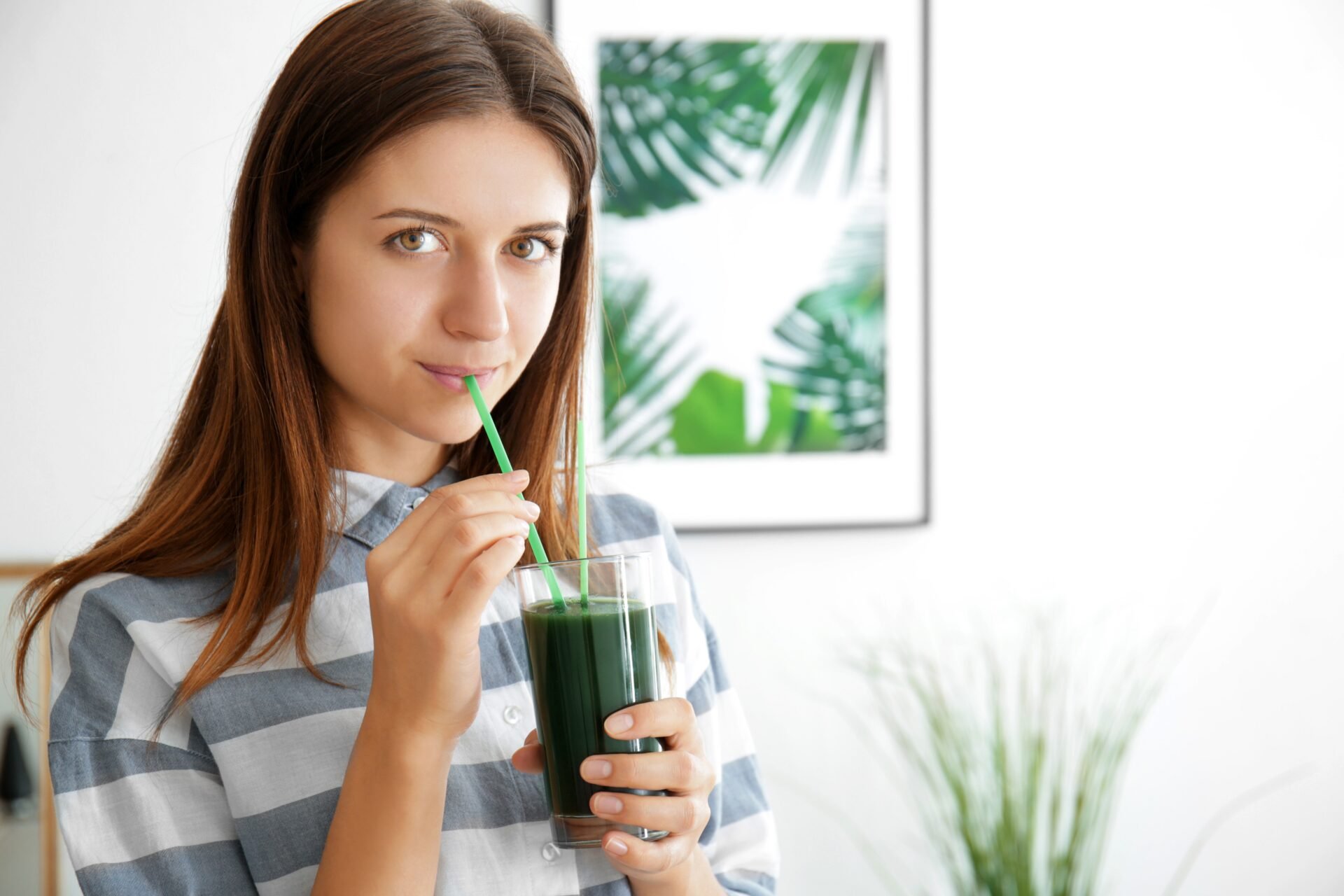
Next comes the question of form. Spirulina is available as powder or flakes, to be added to meals. For those who dislike its flavour (a distinctly algae-like taste), it can also be taken as a dietary supplement in capsules or tablets.
As for quantity, it is recommended not to exceed 3 g per day. A gradual approach is preferred: start with 1 g per day in the first week, then increase progressively. Spirulina is best taken in the form of 3-week to one-month courses.
Finally, there are a few contraindications. People on anticoagulant therapy, those with a heart condition, suffering from haemochromatosis, gout or an algae allergy and children should avoid consuming it.