
In today’s image-conscious society, cellulite remains a persistent concern. Contrary to popular belief, this unwanted dimpled skin texture affects nearly 90% of women. Genetically linked to female hormonal status, cellulite appears mainly on the legs, thighs, buttocks and hips. Despite these natural inequalities, “orange peel” skin can be effectively tackled in several ways. Here are 11 tips to reduce this unwelcome companion with a simple, straightforward anti-cellulite diet!
Sommaire
1 – Drain your body
Cellulite dimples are essentially fatty deposits beneath the skin’s surface. In nutrition, drainage refers to the process of cleansing the body by filtering and eliminating harmful substances, such as toxins. Draining your body is essential to encourage the elimination of these deposits and achieve smoother, firmer skin. A few key ingredients to include in your anti-cellulite diet can make all the difference:
- Green tea: it bears repeating — hydration is essential for reducing toxins. This drink is ideal for counteracting fat build-up by boosting metabolism with its antioxidants and its well-known benefits against water retention.
- Onion: hard to believe, yet the food that gives us bad breath is also the ultimate drainage champion! Its detoxifying properties make it a perfect table companion for cleansing the digestive system, fighting sugar and flushing fats from the body.
- Citrus fruits: like green vegetables, these tangy fruits are essential for a healthy body. Vitamin C is the queen of anti-cellulite nutrition. It supports collagen production and boosts skin elasticity! For a toning effect, nothing beats lemon or orange.
2 – Improve your blood circulation
Proper blood vessel circulation is a fundamental component of healthy bodily function and the elimination of waste and toxins. Poor circulation can lead to heavy legs, swelling and water-based cellulite. Certain foods are recommended to optimise blood circulation and limit fat storage in adipose tissue:
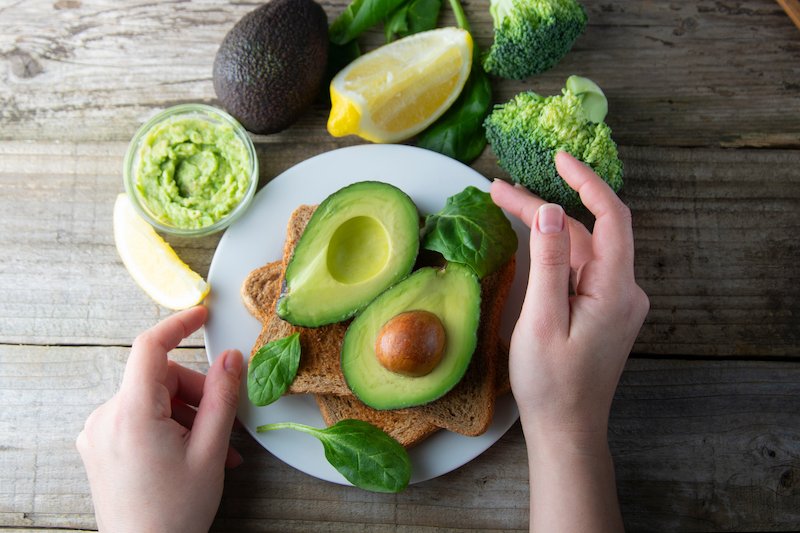
- Avocado: rich in omega-3 and vitamin E, avocado supports cardiovascular health and promotes better blood circulation! Among anti-cellulite foods, its reputation speaks for itself.
- Ginger: with its unmistakable flavour, ginger can be used in virtually any dish for impressive results! Its digestive properties and its positive effect on blood circulation make it a powerful ally. This anti-cellulite food contains chromium, magnesium and zinc, all of which contribute to better blood flow.
- Dark chocolate: it improves blood circulation thanks to flavonoids, antioxidants found in natural plants. To be enjoyed in moderation, of course (2 squares a day, for example)!
3 – Stimulate your lymphatic circulation
Lymph is the sister of blood. It contains white blood cells and circulates throughout the entire body, except the brain. Poor lymphatic circulation leads to fluid retention and water-based cellulite:
- Water and physical activity: combined with exercise to oxygenate the muscles, water is an essential drink for preventing retention. Drinking at least 1.5 litres of water per day is recommended to avoid fluid build-up in the tissues.
- Berries: rich in flavonoids, these fruits help prevent blockages in the blood and lymphatic vessels.
- Black grapes: their high concentration of polyphenols, exceptional antioxidants and trace elements makes them a toning fruit for improving the body’s fluidity. Ideal for reducing cellulite!
4 – Stimulate your collagen production
Collagen is the key fibrous protein that strengthens and softens the skin. When its production is disrupted or depleted, cellulite can appear. Collagen promotes skin firmness and elasticity. Certain foods are particularly effective at boosting collagen levels:
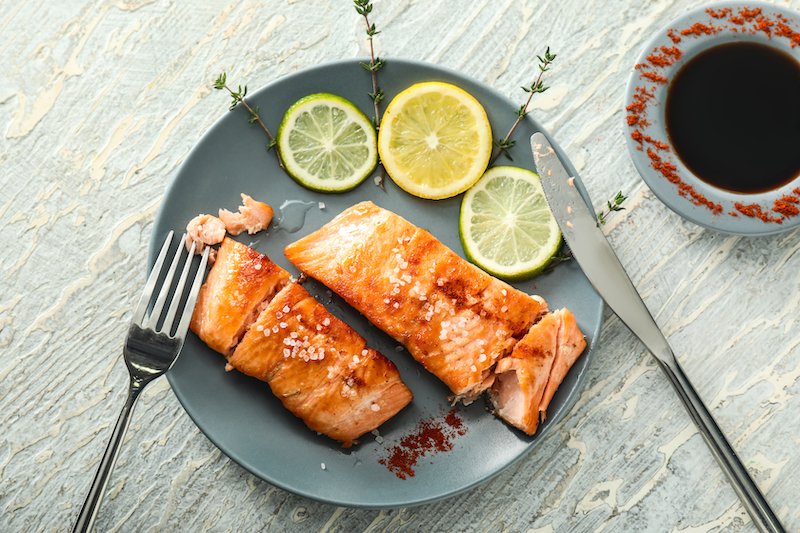
- Salmon: a food rich in healthy fats, this fish provides zinc, natural fatty acids such as omega-3, and proteins that stimulate collagen production.
- Eggs: a trace-element-rich source of collagen. This food, ideal in an anti-cellulite diet, helps improve the construction of connective tissue thanks to all the benefits it contains.
- Spinach: this iron-rich green vegetable, also packed with vitamins A, C and E, is highly effective for maintaining healthy skin. It helps protect collagen fibres and preserve skin elasticity.
5 – Eat the right fats
We tend to avoid fatty foods by reflex. Yet some of them contain good fats — unsaturated fatty acids — that are essential for healthy bodily function, skin protection and cellulite reduction. Here are 3 examples of good fats:
- Olive oil: as a dressing or cooking companion, olive oil provides well-balanced lipids and omega-3 fatty acids that nourish the body with quality fats.
- Almonds: almonds can be enjoyed guilt-free thanks to their abundant content of calcium, omega-3, magnesium, antioxidants, proteins and polyphenols. What more could you ask for?
- Salmon: its exceptional omega-3 and protein content makes it a must-have for eating well and nourishing your cells. It can occasionally be swapped for mackerel or sardines.
6 – Build your muscles with protein
Proteins can be a powerful weapon in an anti-cellulite diet. Their role in nutrition is to maintain the body and muscles, resulting in smoother, firmer skin. Here are 3 protein-rich foods to include:
- White meat: prized for its reasonable protein content, chicken is ideal for fuelling muscles and therefore reducing the appearance of orange peel skin. It is the star of white meats!
- Fromage blanc: a little guilty pleasure, its creamy texture is hard to resist. When chosen with a low fat content, it helps build muscle and reduce cellulite.
- Walnuts: as a snack, nothing beats these nuts, rich in beneficial proteins and fibre. To be enjoyed in moderation, of course!
7 – Eat to burn fat
Fat accumulates and acts as a blockage within the body. From there, dimples form beneath the skin’s surface. Fat-burning foods become true secret weapons for kickstarting the cleansing process! Here are 3 particularly effective ones:
- Aubergine: among anti-cellulite foods, aubergine is the undisputed queen of fat burning. This fibre-rich vegetable acts like a sponge during cooking — which means it will do exactly the same with fats in your stomach!
- Apple: no need to say more — the apple, despite its modest size, is a powerhouse of pectin, perfect for regulating digestion. Quick to eat, this cholesterol-fighting fruit satisfies hunger and supports weight management!
- Cinnamon: this spice helps regulate blood sugar levels, preventing spikes that lead to fat storage. Cinnamon encourages the body to burn even more fat.
8 – Embrace plants
The active and beneficial effects of plants on the body are well established. Certain plants seem almost purpose-built for eliminating cellulite. Nature offers a remarkable variety of options. Here are 3 worth considering:
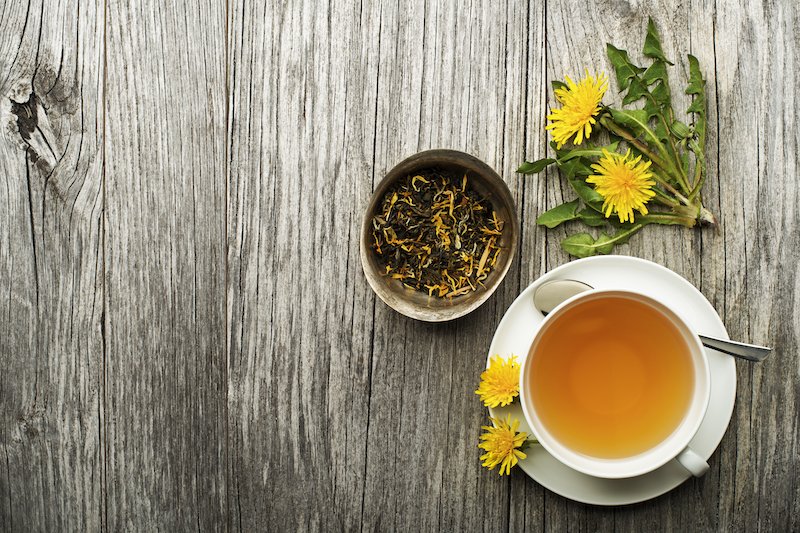
- Dandelion: this well-known flower is used in its entirety for its properties against toxins, water retention and kidney-related issues. Particularly recommended as part of an anti-water-retention cellulite routine.
- Meadowsweet: this detoxifying plant is a natural diuretic. It helps reduce bloating and stimulate venous circulation.
- Guarana: this exotic Amazonian stimulant, packed with caffeine, is excellent for burning fat and converting it into energy. It helps the body eliminate toxins and unwanted fats to combat cellulite dimples.
9 – Stay hydrated at all times
An anti-cellulite diet relies on adequate water intake. Whether for the skin or the body as a whole, water is essential for eliminating fats and reducing cellulite. The body is made up of 70% water. A lack of it leads to water retention and, consequently, the formation of cellulite. Even if you don’t feel a pressing need to drink more, giving water a more prominent place in your daily routine is an excellent way to reduce the toxins that affect your skin. For a more enjoyable approach, tea is a perfectly viable alternative — especially when combined with plants known for their draining properties.
10 – Reduce your salt intake
Salt is a significant enemy of any anti-cellulite diet. Overconsumption often comes from habits at the table once the plate is served. A pinch of salt during cooking will never do any harm, but reaching for the salt shaker to season an already-prepared dish is a habit best avoided!
Salt contributes to water retention by disrupting the blood and lymphatic systems. It clogs the circulatory vessels, which is how the dreaded orange peel skin appears. Over time, excessive salt intake can be harmful and damage the arteries. Two things to do to avoid over-salting: favour spices, herbs and sea salt over table salt. And cook your own meals rather than relying on ready-made and processed foods!
11 – Cut out sugar and limit refined carbohydrates
We come now to the heart of one of this century’s greatest nutritional challenges: sugar (fructose) and refined carbohydrates. More and more nutritionists are pointing to these two factors as key drivers of fat accumulation. Cakes, fizzy drinks, chocolate spread, shop-bought tomato sauce, brioche — sugar is the number one enemy of an anti-cellulite diet. Its excess in the body triggers massive storage that encourages the build-up of fatty tissue. An occasional treat like a chocolate pastry once a week will never be harmful. However, getting through a packet of industrial biscuits every day will take its toll on your body! Sugar should be treated as an occasional indulgence, not a daily staple.
Refined carbohydrates, meanwhile, are deeply embedded in our everyday lives: white pasta and white bread are the most common culprits. They raise blood sugar levels, and most provide empty calories — meaning they offer little in the way of the nutrients the body actually needs. Fibre-rich vegetables are strongly recommended, and wholefood options such as oats, quinoa or beetroot will easily meet your carbohydrate needs.