Here’s a trend that’s very much in the spotlight right now: cupping! Yet this technique is far from new — it was already in use centuries ago to try to ease all manner of ailments. First in China and across the Mediterranean basin, then throughout Europe right up until the Second World War. Cupping cups are therefore nothing new. And yet, cupping therapy is clearly making a strong comeback. So what exactly is it? Its principle, different techniques, sporting, medical and cosmetic uses, precautions and at-home alternatives: here’s everything you need to know about cupping.
How does cupping work?
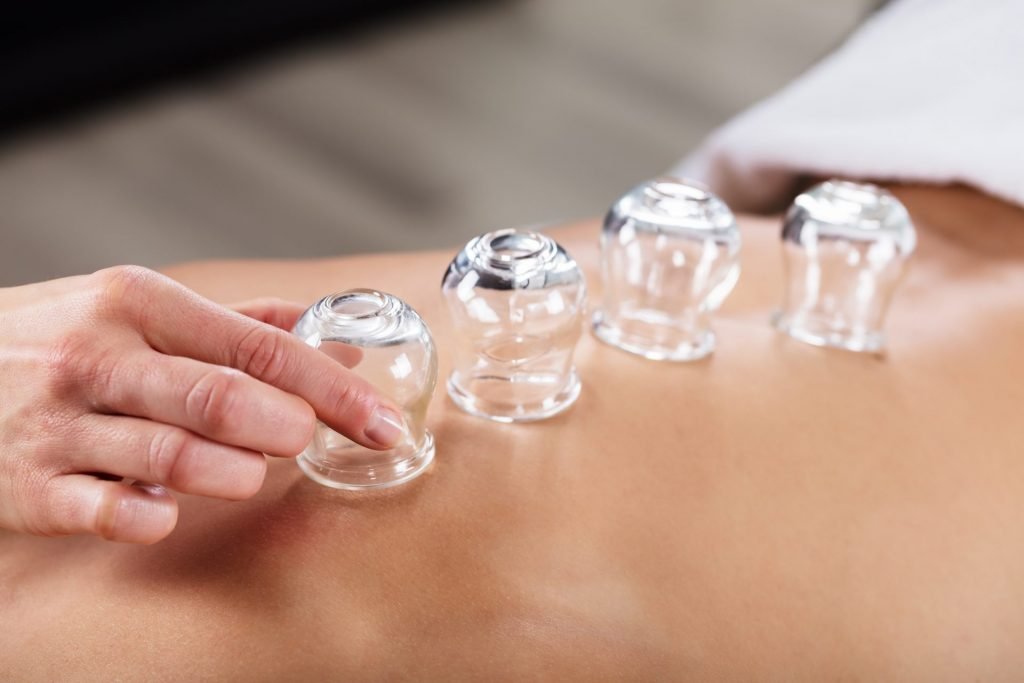
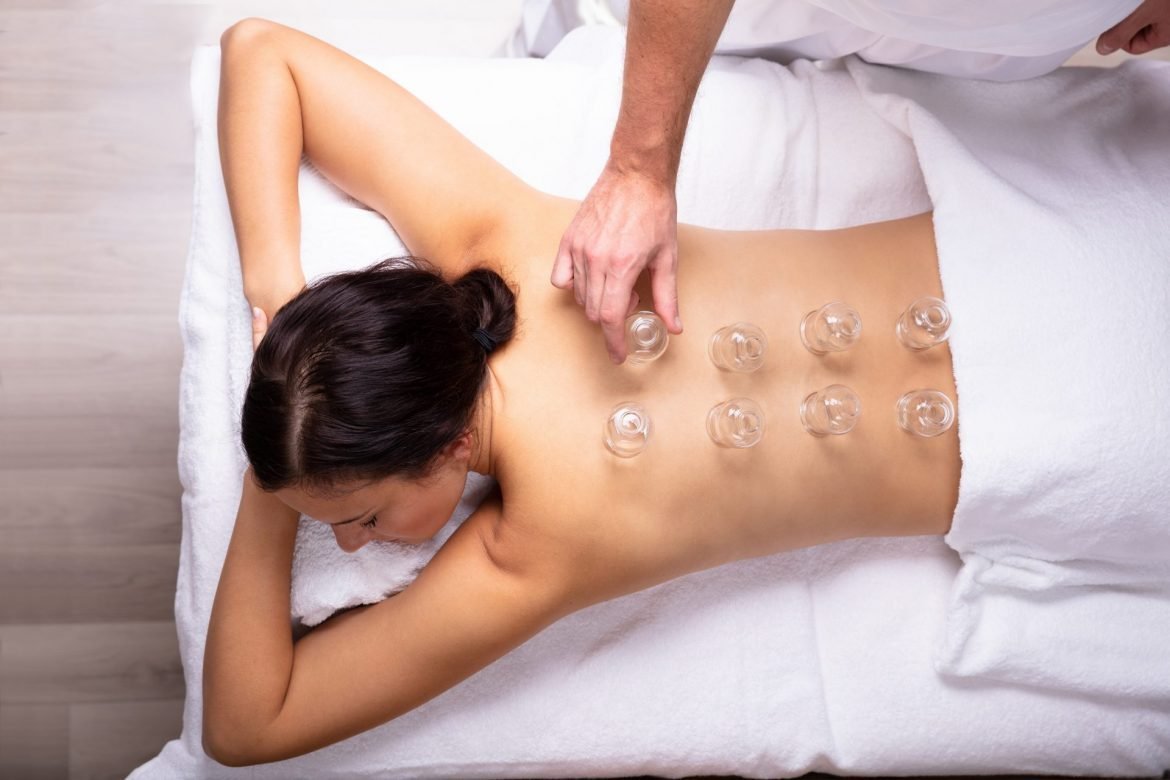
Cupping, also known as “cupping therapy”, “hijama” or the “suction cup technique“, is in fact an age-old wellness practice — or very nearly. It is a time-honoured therapy rooted in Traditional Chinese Medicine (TCM), much like acupuncture. It is based on a simple principle: the application of cups directly onto the skin at specific points on the body, creating a suction effect.
Cupping: where does the word come from and how is it translated?
The word cupping comes from the English word “cup”, meaning a cup or beaker. The name echoes the bell shape of the cups used. In French, the practice is simply called the “technique des ventouses” or “cupping thérapie”. Whichever term is used, the principle is the same: placing cups on the skin to create suction. There are several methods, hot or cold and dry or wet, described below.
There are two main cupping techniques:
- Hot cupping: traditionally, a burning substance — such as alcohol, paper or dried herbs — was placed inside the cup and set alight. This created a vacuum inside the cup, generating negative pressure that drew the skin up into the dome. Today, a simple flame is used instead.
- Cold cupping: this simply involves drawing the air out of the cup (through a pierced dome) to create suction.
A further distinction can also be made between:
- Wet cupping: a method similar to traditional bloodletting. Small superficial scratches are made on the skin at specific areas of the body, and cups are then applied to draw out the blood. This practice must only be carried out by a trained professional, under strict hygiene conditions.
- Dry cupping: the most common form of cupping, involving simple suction of the skin.
It is also worth noting that the cups used in cupping therapy can be made from a range of materials:
- Glass, the most common
- Bamboo
- Silicone
- Ceramic
What are the applications of cupping?
1- Sports application
The first athlete to bring cupping into the spotlight for recovery purposes was swimmer Michael Phelps at the Rio Olympics. The distinctive red circular marks on his shoulders were a telltale sign of a cupping session. According to its proponents, the technique may have several effects, not all of which have been demonstrated:
- A pain-relieving effect, as the suction may encourage the release of enkephalins, a neurotransmitter that may act as a natural painkiller.
- A circulatory and decongesting effect, as the suction of the cups may trigger superficial vasodilation and deep vasoconstriction, both of which support microcirculation. The skin and muscles may then benefit from a fresh supply of oxygen and nutrients.
- An anti-inflammatory and muscle-relaxing effect, as the lifting of the tissues and increased blood flow may help release muscle tension and reduce tightness.
As a result, some physiotherapists and osteopaths incorporate it into their sessions alongside other techniques, for certain muscle tensions or minor injuries.

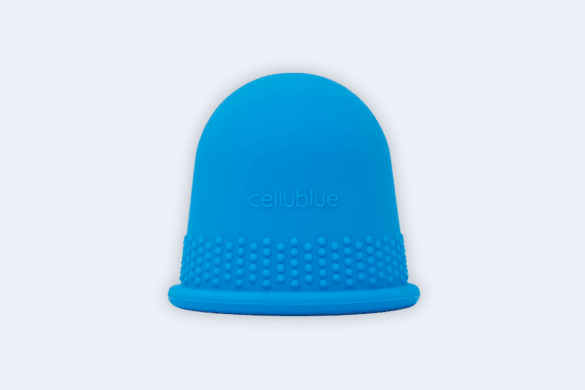
The cupping tool that replicates pinching and rolling, 3 minutes per zone
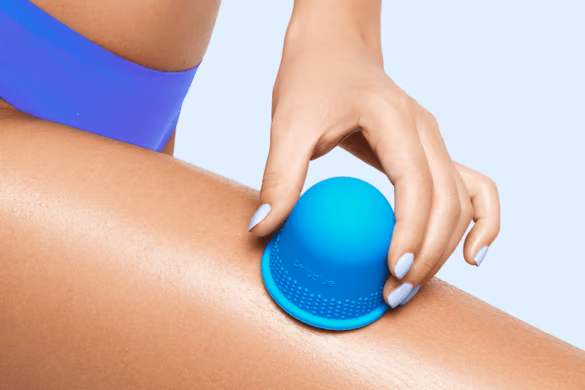
- The professionals' technique, at home: you lift, glide, and release, and the tool grips the skin fold like a manual pinching and rolling
- Soft silicone that fits thighs, buttocks, stomach, and arms
- 3 minutes per zone, every day, always with a massage oil so the tool glides
2- Medical application
In TCM, cupping is traditionally offered for many conditions, although its value has not been demonstrated for most of them:
- Digestive complaints, such as visceral pain and constipation…
- Headaches and migraines, as well as neuralgias
- Respiratory conditions, such as coughs, asthma, bronchitis and allergies…
- Psychological conditions, such as depression, fatigue, stress and anxiety…
- Skin conditions, such as eczema and acne…
- Rheumatic conditions, such as arthritis and fibromyalgia
Its proponents credit it with the ability to improve blood flow, promote a sense of well-being and ease certain types of pain. In case of illness, cupping is in no way a substitute for medical advice or treatment.
There is a growing body of research on cupping therapy. However, many studies have been invalidated and/or challenged due to methodological limitations. That said, a 2012 meta-analysis(1) drawing on 135 cupping studies suggests that this therapy may be of interest for shingles, acne, facial paralysis and cervical spondylosis. These possibilities have yet to be confirmed: for any medical concern, ask a doctor for advice.
3- Cosmetic application
Cupping has also caught the attention of the beauty and aesthetics world, above all for tackling the appearance of cellulite. It is sometimes associated with slimming, although this use has not been demonstrated.
- The suction mobilises the skin and tissues, a massage movement appreciated for deep-set cellulite.
- This massage also provides a pleasant feeling of lightness, appreciated in cases of water retention.
Cupping may therefore help tackle the orange-peel effect of cellulite.
What precautions should you take with cupping?
Before embarking on cupping, it’s worth taking a few precautions. If you’re looking to benefit from cupping therapy, it’s best to consult a specialist in the field. Some healthcare professionals hold a certificate of competence issued by a recognised body, such as the International Cupping Therapy Association or the Association Française de Soins par Ventouses. Other therapists are affiliated with the Union Française des Professionnels de Médecine Traditionnelle Chinoise, which is equally a mark of quality. Above all, make sure you research the professional who will be providing your treatment.
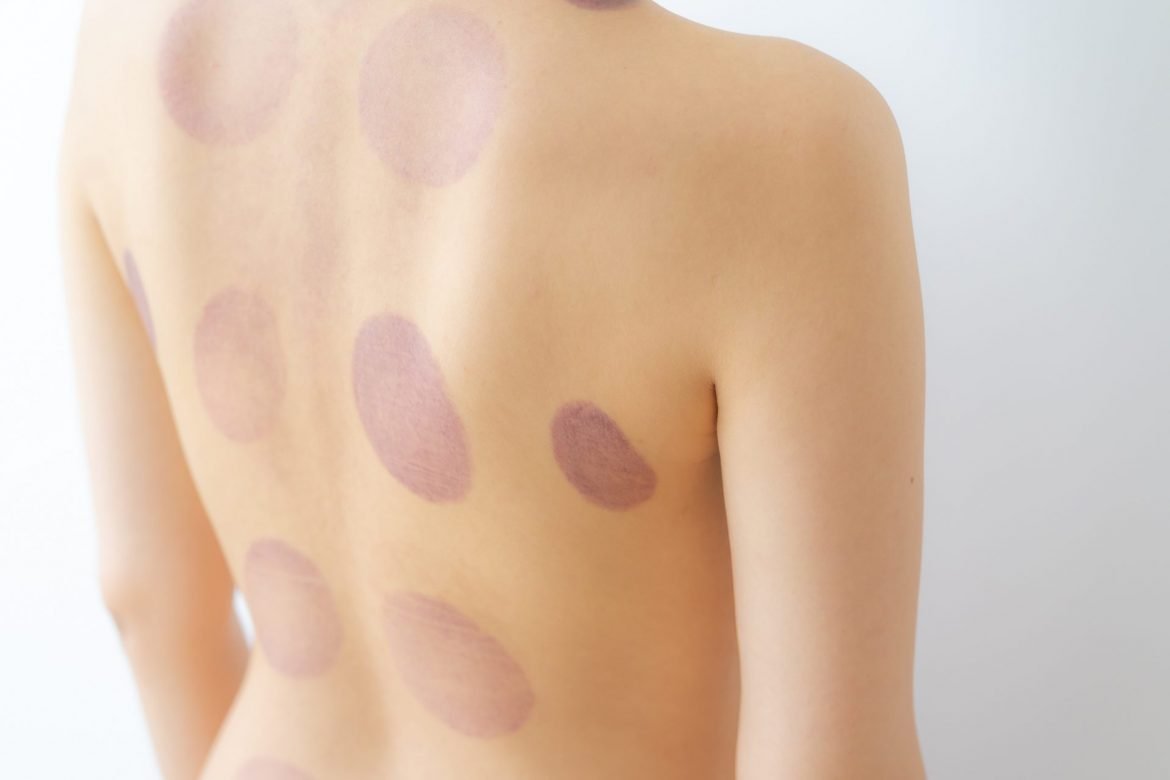
It’s also worth knowing that the after-effects of a cupping session can look quite striking. The suction effect leaves red to purplish circular marks on the skin, which can be quite alarming at first glance. These are in fact bruises caused by a sudden rush of blood to the surface. They tend to fade relatively quickly — within around 10 days — when the technique has been properly applied. But you should be prepared to see your skin marked with colourful circles for a little while.
If you have a skin condition or venous fragility, it’s best to avoid cupping, as it is particularly inadvisable in these cases.
What are the alternatives to cupping?
There are at-home alternatives to cupping. The anti-cellulite cup is essentially a form of cupping, based on the same principle — with just 2 key differences:
- The anti-cellulite cup is “mobile” across the skin, as it is a tool designed for anti-cellulite massage. Cupping cups, on the other hand, are placed and held at specific points on the body.
- Cupping involves the use of multiple cups, often made of glass.
When it comes to tackling the appearance of cellulite, both techniques are broadly similar in principle!
So if you’d like to give yourself a little cupping therapy session at home, you can simply reach for our Cellulite Cup, our Anti-Cellulite Massage Oil, and get to work on those stubborn dimples — right from the comfort of your bathroom!
Our cup is easy to use and is inspired by the pinch-and-roll technique, a classic anti-cellulite massage method. As for our oil, its fluid texture makes it easy to glide the cup across the skin. It is also enriched with grapefruit essential oil and ivy extracts. Ready for a cupping session at home?
References
- 2012, Cao, Li, Liu, An Updated Review of the Efficacy of Cupping Therapy
Related articles
- Skin Issues and Using the CelluBlue Cupping Massager
- Varicose Veins and Using the Cellublue Cupping Massager


The scrub that leaves skin smooth and skin texture refined*
*User test on 21 volunteers over 4 weeks, based on participants' feedback.
- Olive & apricot kernels: these natural grains gently sweep away dead skin cells
- Caffeine & monoi scent, so your shower instantly smells like a holiday
- In the shower, two to three times a week, massaging your thighs, bottom and stomach