
To choose the right treatments, it’s important to know your cellulite type. There are 3 different types of cellulite, and they don’t all respond to the same approach. So, which type is yours? Take the quiz to find out — and learn how to show it the door!
Sommaire
REMINDER: What are the 3 types of cellulite?
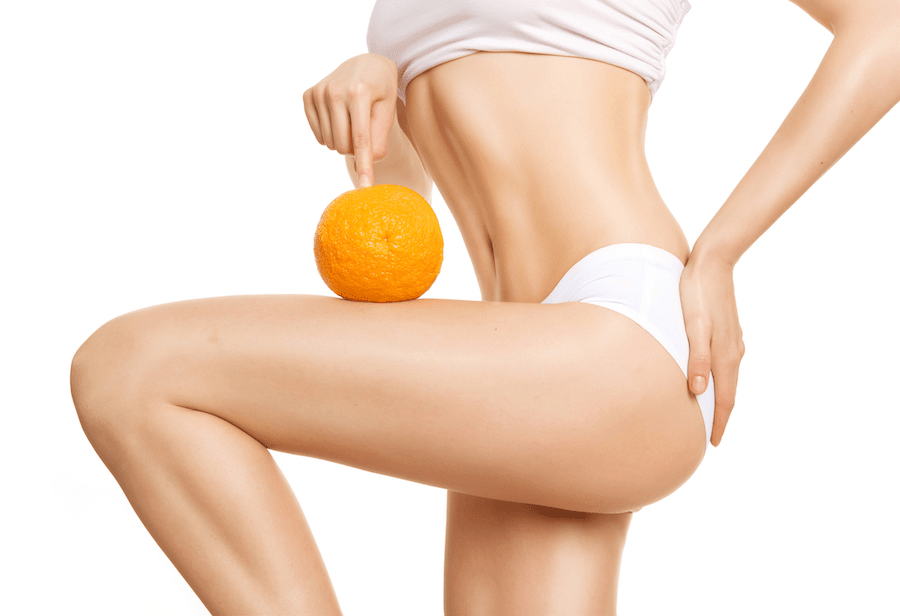
Adipose cellulite
Also known as “lipodystrophy cellulite”, this type is painless, soft, and visible when you pinch the skin. It tends to appear on the stomach and hips, and is mainly linked to excess weight and a lack of exercise. To tackle it, focus on a balanced diet, regular physical activity, and pinch-and-roll massages.
Aqueous cellulite
Also known as “hydrolipodystrophy cellulite”, this is THE type of cellulite linked to water retention. People with poor circulation often experience the sensation of heavy, swollen legs. This type of cellulite is made worse by a lack of exercise, and tends to appear on the thighs, calves, and inner arms. Combating it involves regular exercise and consistent pinch-and-roll massages.
Fibrous cellulite
Also known as “fibrolipodystrophy cellulite”, this type of cellulite is firm and painful to the touch, with a lumpy texture, visible to the naked eye, and often found on the thighs and buttocks. It is associated with a lack of exercise and excess weight. It’s the hardest type to get rid of — but nothing is impossible! The best approach is to massage with anti-cellulite cupping cups, adopt a healthy and varied diet, and get back into exercise.
TEST: What is my cellulite type?
Question 1: You are…
- Under 30
- Between 30 and 50
- Over 50
Question 2: To the touch, your skin feels:
- Supple
- Soft
- Firm
Question 3: Your cellulite is mainly located…
- On the buttocks and thighs
- On the stomach, hips, and saddlebags
- On the legs
Question 4: When it comes to your diet, you tend to prefer…
- Sugary foods
- Fatty foods
- Salty foods
Question 5: Would you say your cellulite is painful?
- Yes
- No
- A little
Question 6: Does your skin have an orange-peel texture?
- Not really, it’s barely noticeable
- Yes, but only when I pinch my skin
- Yes, very visible
Question 7: Do you suffer from heavy leg sensations?
- Yes
- Sometimes
- No
Question 8: You have had cellulite…
- For one to five years
- For less than a year
- For more than five years
RESULTS
You answered mostly 1
Your cellulite is adipose. It is simply caused by excess fat storage in the cells of the adipose tissue (adipocytes).
Our tips to tackle it:
=> Rebalance your diet by eating lighter and cutting back on fast sugars and fats. Focus on vegetables and fruit, as well as legumes such as lentils, which are filling, provide protein, and help capture fats thanks to their fibre content!
=> Take up regular physical activity such as brisk walking, cycling, running, or swimming. Ideally, aim for three times a week to see results even faster.
=> Practice pinch-and-roll massages to break down cellulite and smooth out dimples. Your best allies for this? The CelluBlue anti-cellulite cupping cups in medical-grade silicone!
You answered mostly 2
Your cellulite is aqueous. Aqueous cellulite can affect all women, and often appears in slimmer individuals. It is commonly found on the thighs, calves, ankles, and arms. This type of cellulite feels soft to the touch and is not painful. It is often accompanied by a sensation of heavy legs and swelling.
Our tips to tackle it:
=> As with adipose cellulite, physical activity is essential! However, to avoid aggravating venous circulation issues, steer clear of high-impact sports such as running, tennis, or step aerobics. Opt instead for gentler endurance activities that help your body improve blood flow and eliminate toxins and excess water. Great options include swimming, elliptical training, brisk walking, or aqua cycling.
=> Drink up! If you don’t drink enough, your body will tend to hold onto every drop of water you give it, out of fear of running short. To prevent water retention — and therefore aqueous cellulite — the answer is simple: drink more! Teas, herbal infusions, detox water… the choice is yours!
=> Adjust your diet! To reduce water retention and eliminate aqueous cellulite, it’s essential to follow a balanced diet that is very low in salt and sugar. Fill your plate with fruits and vegetables with diuretic properties, such as grapes, pineapple, asparagus, and berries. Also include lean proteins and wholegrains. This will help prevent your body from retaining excess water and bloating.
=> Massage regularly! By practising pinch-and-roll massages consistently, you’ll help your body boost blood and lymphatic circulation, and flush out the water and toxins accumulated in cells that cause aqueous cellulite. For effective pinch-and-roll massages, reach for your CelluBlue Cups. Thanks to their suction effect, they effortlessly break down clusters of cells that cause orange-peel skin and restore healthy circulation in the tissues.
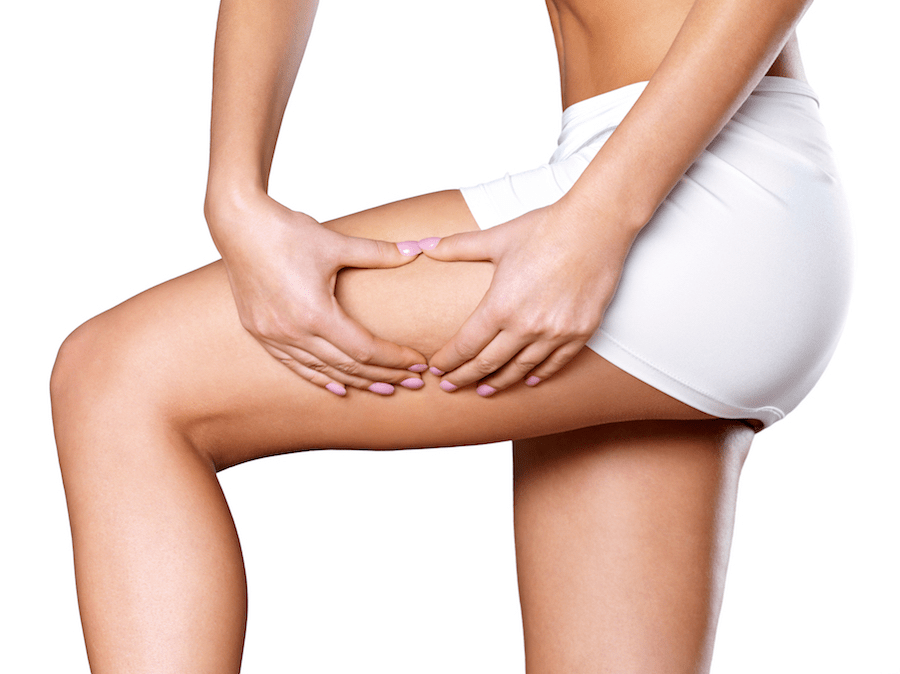
You answered mostly 3
Your cellulite is fibrous. It’s easy to recognise: it’s usually been there for a long time, deeply embedded, firm, and even painful to the touch. It is generally found on the thighs, buttocks, and knees. It results from a hardening of the body’s collagen, which traps fat cells and makes them difficult to eliminate.
Our tips to tackle it:
=> Eat right! Fibrous cellulite can be the result of an unbalanced diet that is too high in fat, salt, and sugar. To smooth out your orange-peel skin, go for the winning combination of vegetables (half the plate) – protein (a quarter of the plate) – wholegrains (the final quarter). Using this as the base for every meal ensures more balanced nutritional intake. Also try to cut back on foods that are too fatty, too salty, or too sugary, as these encourage fat storage and the development of cellulite. And don’t forget to drink plenty of water to support your body’s natural detox process.
=> Exercise, of course! It’s essential for getting smoother skin! Ideally, alternate between cardio workouts and strength training sessions. Cardio activities (such as running, cycling, or aqua aerobics) help your body burn off excess fat. As for strength training, it is essential as it helps your body tap into deeply embedded fat stores. This fat-burning process will visibly reduce the orange-peel effect.
=> Don’t forget CelluBlue cups! Their action is key to eliminating cellulite. Combined with a balanced diet and regular exercise, they’ll help you get rid of your fibrous cellulite, even when it’s deeply embedded !